

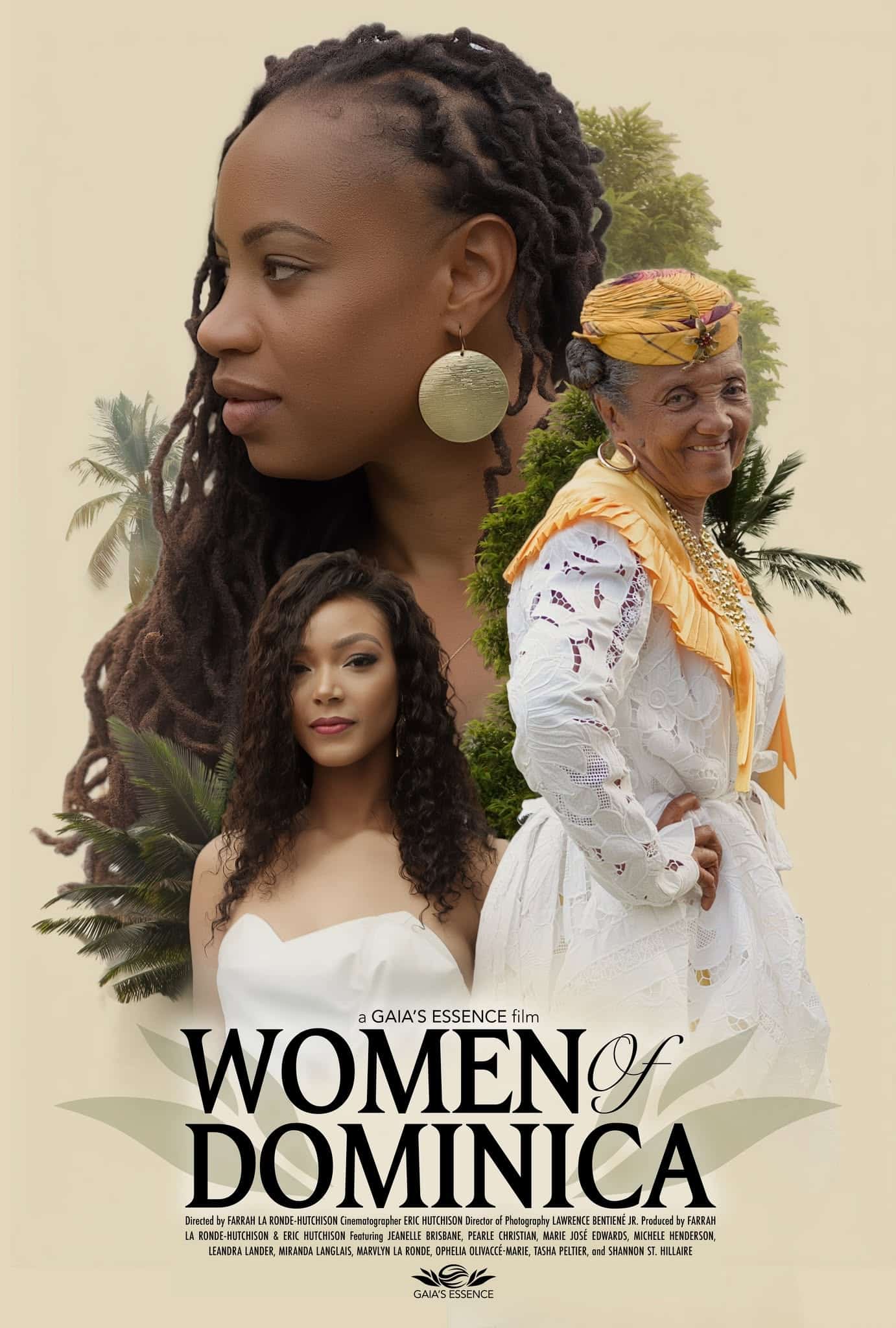

“Women of Dominica” brings together ten women from different generations around a shared narrative: the Creole heritage of Dominica. The documentary, directed by environmental scientist-turned-filmmaker Farrah La Ronde-Hutchison, will have its U.S. premiere on September 5 in Miami, ahead of a wider release scheduled for 2027. Among the voices featured is that of Ophelia Marie, a historic figure in Dominican music. A story of passing down traditions, between a mother and her daughter The Women of Dominica project has its roots in a family story. In 2019, Farrah La Ronde-Hutchison’s mother received the Golden Drum, a Dominican award dedicated to the preservation of traditional Creole attire. She had carried this responsibility for more than thirty-five years, passing down to her daughter the techniques and fabrics of a garment that few in younger generations still know how to tie today. It was this tradition passed down from mother to daughter that
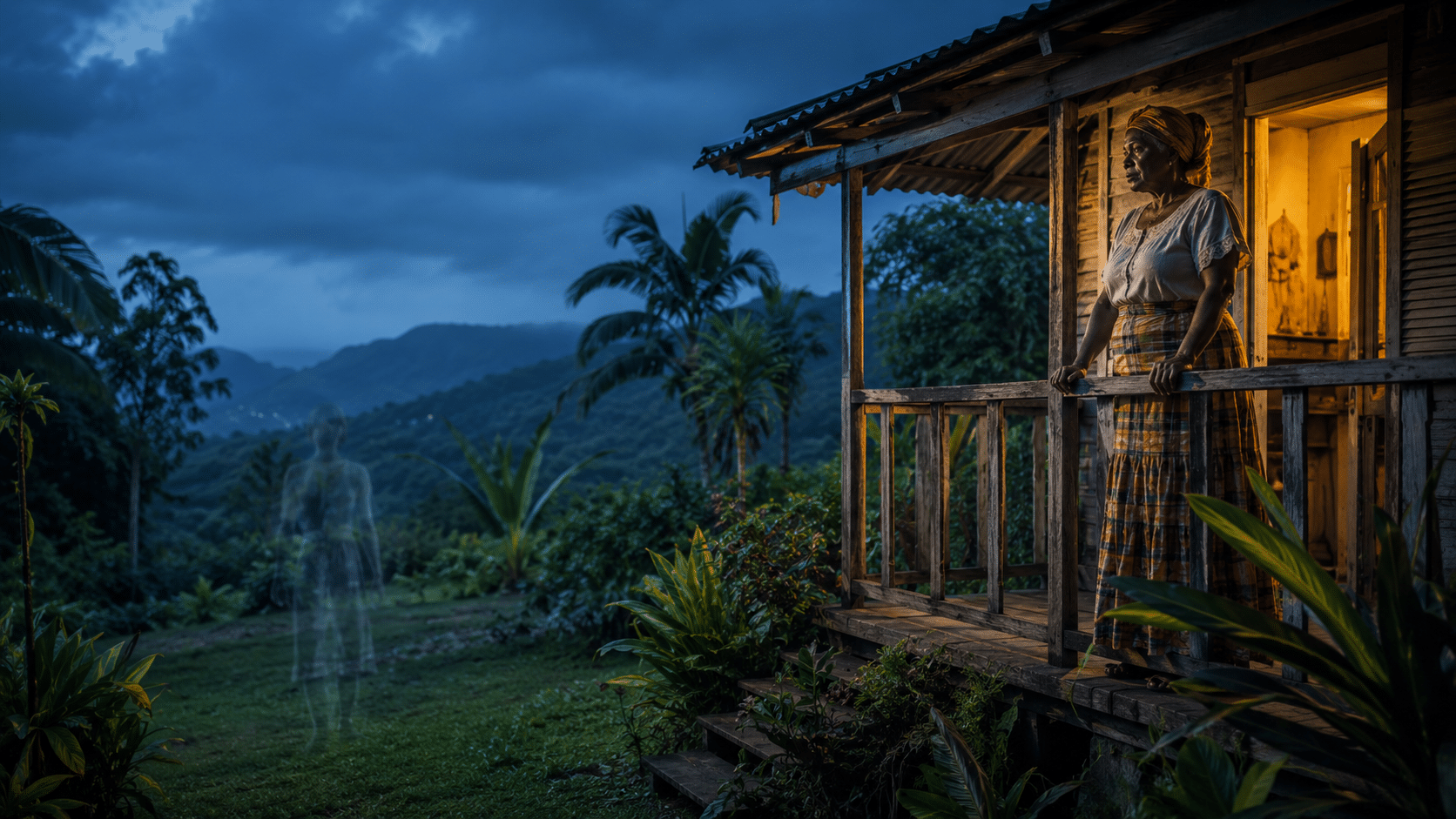
“Duppy know who fi frighten”: this Jamaican saying resonates from childhood onward, long before we fully understand its meaning. In Jamaica, at dusk, a scene plays out across generations. Children are called back inside before night swallows the garden. There’s no need to argue the point—outside, the duppies lurk, those spirits that didn’t follow the dead to the end of their journey. A man from Old Harbour, now in his eighties, told researchers in 2021 how these stories shaped his childhood evenings—not so much to terrify as to keep the children close to home. From this inherited fear arose a saying that is still heard today throughout the island: “Duppy know who fi frighten”—the duppy knows who to frighten. What does “Duppy know who fi frighten” mean? The Jamaican Patwah online dictionary illustrates the expression with a typical phrase, “Him cyaa try mi, duppy know who fi frighten,” which could
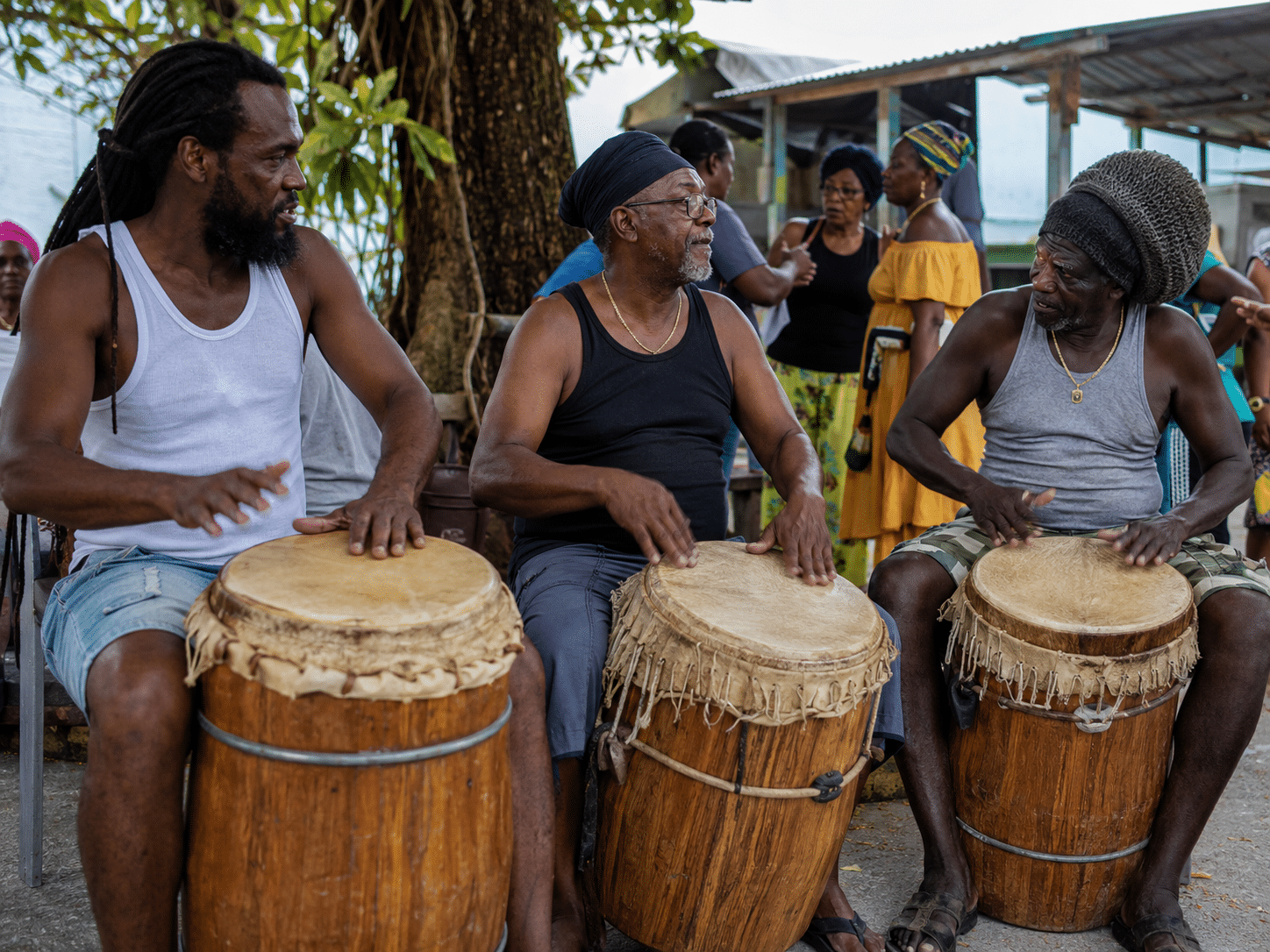
In Pointe-à-Pitre, a bronze statue depicts a seated man with a ka drum between his legs. It pays tribute to Vélo, one of the greatest masters of gwoka, the Guadeloupean music that emerged from the resistance to slavery. Since 2014, UNESCO has designated it as a World Heritage Site. A Tambouyé Turned into a Statue Marcel Lollia, known as Vélo, was born on December 7, 1931, and died on June 5, 1984. He trained several generations of ka players—a drum carved from a tree trunk and covered with a stretched skin. He also inspired Akiyo, a cultural movement advocating for identity founded in 1979, which brought gwoka out of the small circles where it was still surviving. On June 5, 2004, twenty years after his death, a statue by sculptor Jacky Poullier was unveiled in Pointe-à-Pitre, modeled after an earlier Guadeloupean portrait dedicated to another of the island’s great figures.
