Turks & Caicos – Providenciales, Turks and Caicos’ most seafaring island

Providenciales

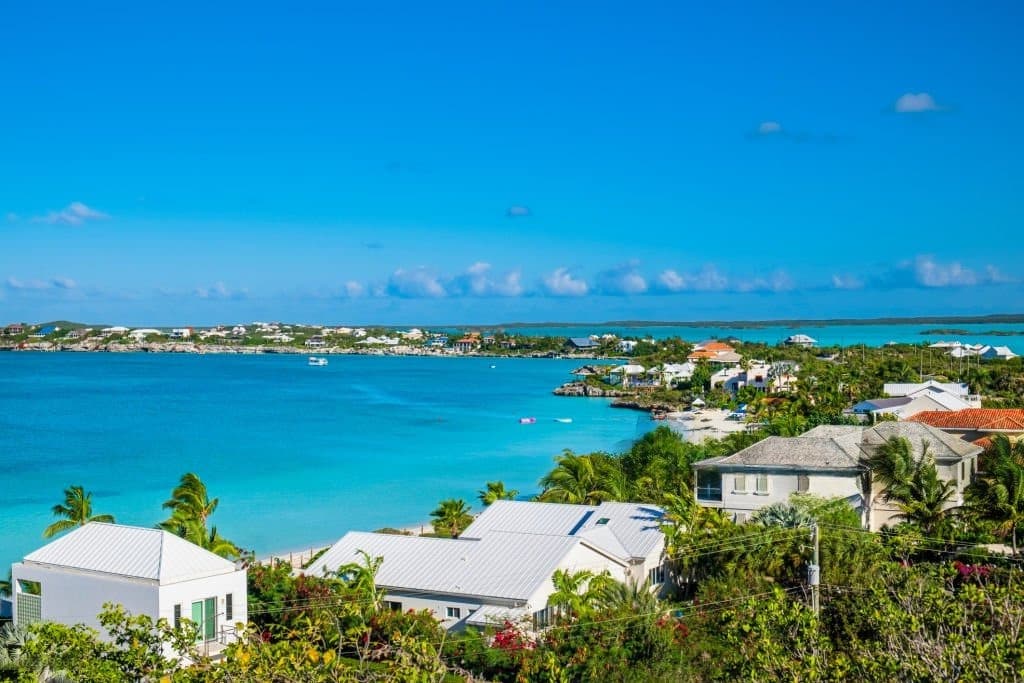
In the Turks & Caicos archipelago, a British overseas territory in the northern Caribbean, Providenciales has established itself as the main island for international visitors. Renowned for the clarity of its waters and the regularity of its climate, it is now one of the region’s most structured tourist hubs, while retaining a legible territorial scale.

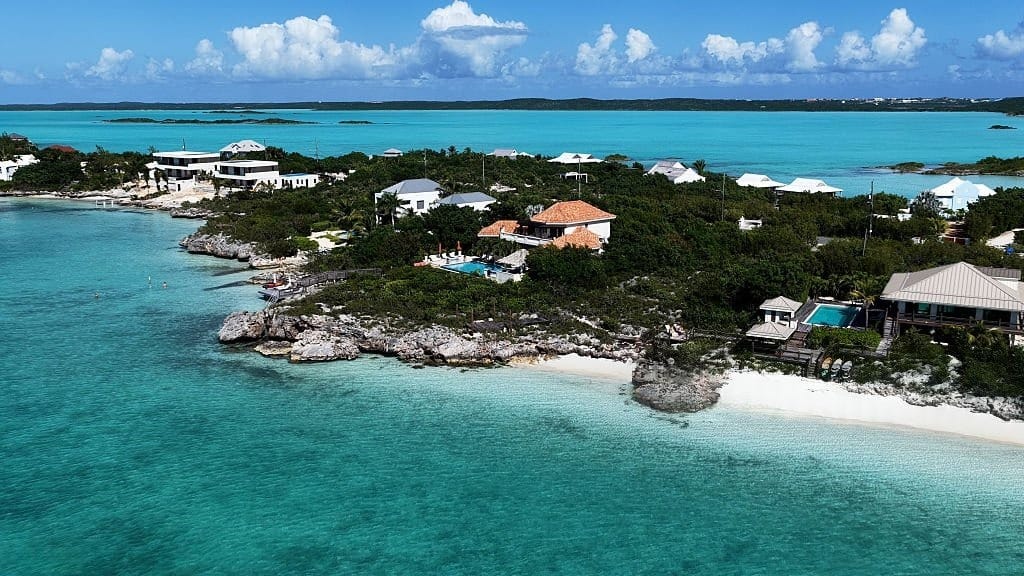
Providenciales is not a huge island: it covers some 98 km². Yet it is the main focus of the archipelago’s economic and tourist activity. Its simple geography – continuous coastline, spaced residential areas, nature reserves – makes it easy to understand the territory as soon as you arrive.

An island in the heart of Turks and Caicos

The Turks and Caicos comprise some 40 islands and cays, but only a fraction of them are inhabited. Providenciales is today its economic and tourist center. The island’s international airport provides the majority of connections with North America, the Caribbean and Europe.

Tourist development on Providenciales accelerated in the 1980s. Unlike other destinations in the region, the island experienced gradual growth, accompanied by a framework for construction and protection of the coastline. This evolution has preserved the accessibility of the beaches and kept the natural areas intact.

Providenciales
Providenciales

Grace Bay, an iconic coastline

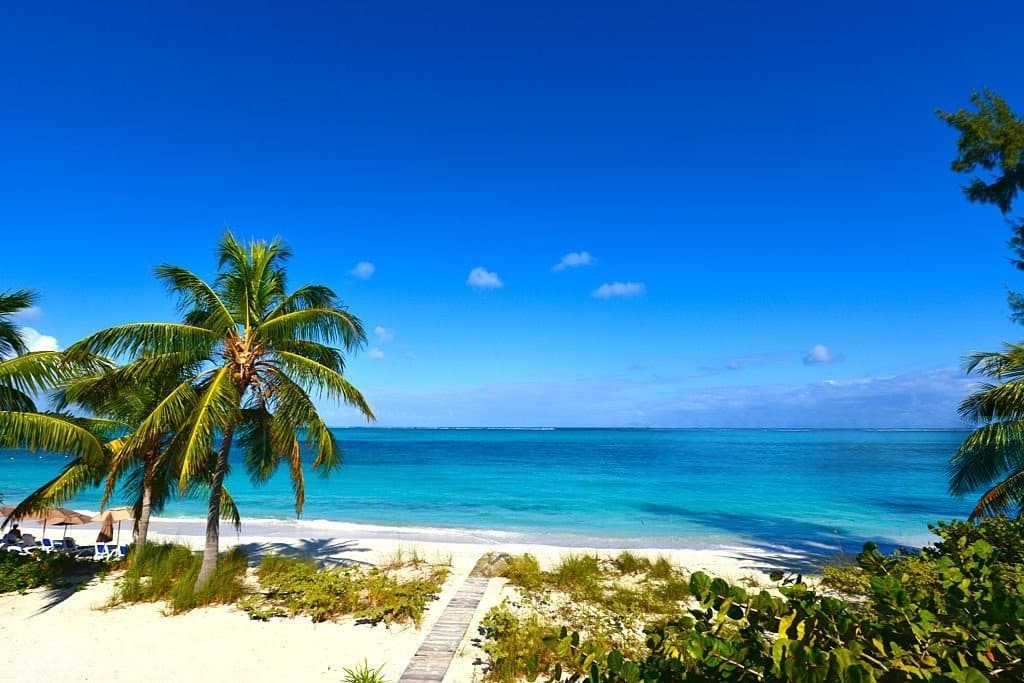
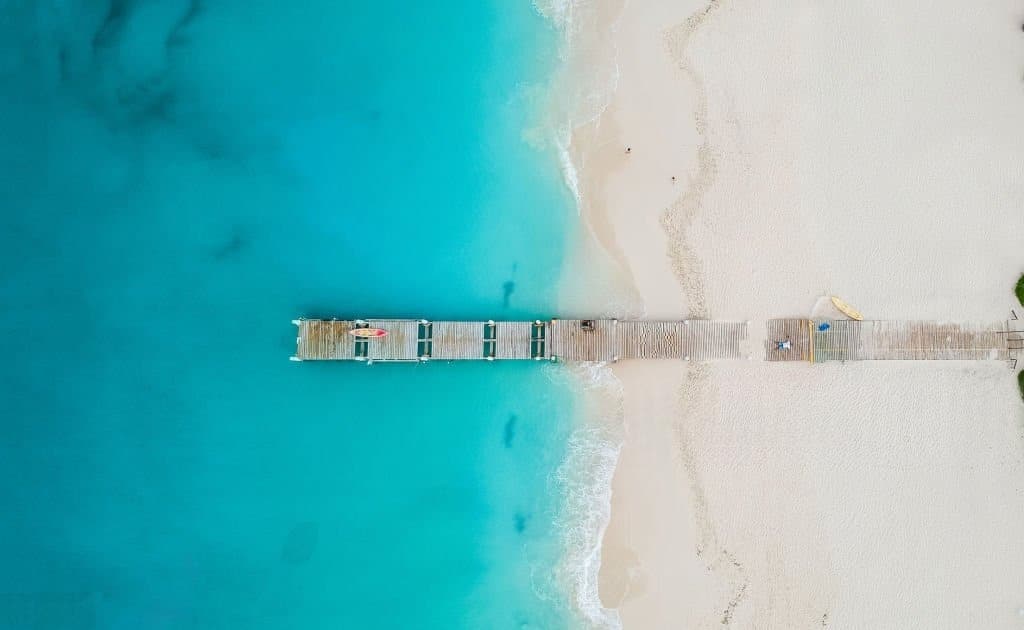
The name Providenciales is inextricably linked with Grace Bay. This vast strip of clear sand stretches for more than 10 kilometers along the north coast. This beach is regularly cited as one of the most remarkable in the Caribbean for its clear water, soft sand and low currents.

The offshore coral reef protects the coast, creating generally calm seas. This natural configuration favors swimming, light boating and marine observation. Public access to beaches is guaranteed along the entire coastline, helping to maintain a balance between tourism infrastructure and public use.

Providenciales
Providenciales

A protected marine environment

Around the island, several marine areas are protected. The Princess Alexandra National Park covers a significant part of the coastline and reefs. These areas are home to seagrass beds, coral and tropical fauna, essential to the island’s ecological balance and diving activities.

The management of these areas aims to reconcile tourist traffic with the preservation of ecosystems. Nautical activities are regulated in certain areas to limit the impact on the seabed.

Providenciales
©visit Turks & Caicos Islands
Providenciales
©visit Turks & Caicos Islands
Providenciales
©visit Turks & Caicos Islands

A clear territorial organization

The island is organized around several sectors:

  • – Grace Bay and Leeward for tourist accommodation;
  • – the center of Providenciales for services and shops;
  • – Chalk Sound and the south coast for more residential and natural areas.

This distribution avoids over-concentration and keeps traffic flowing smoothly. Distances are kept short, making it easier to explore the island without long journeys.

Providenciales

An economy largely driven by tourism

Tourism is the island’s main economic driver. Hotels, villas, restaurants and related services employ a significant proportion of the population. However, the island also retains sea-related activities: fishing, shipping and port services.

The presence of an international population, notably from other Caribbean islands, the UK and North America, contributes to the cultural diversity visible in daily life.

Providenciales

Access and stay

The island is accessible via Providenciales International Airport (PLS). Direct flights link the island to Miami, New York, Toronto, London and several Caribbean capitals. This accessibility largely explains its central role in the archipelago.

Locally, travel is mainly by car. The well-maintained road network makes it easy to reach the different areas of the island.

Providenciales
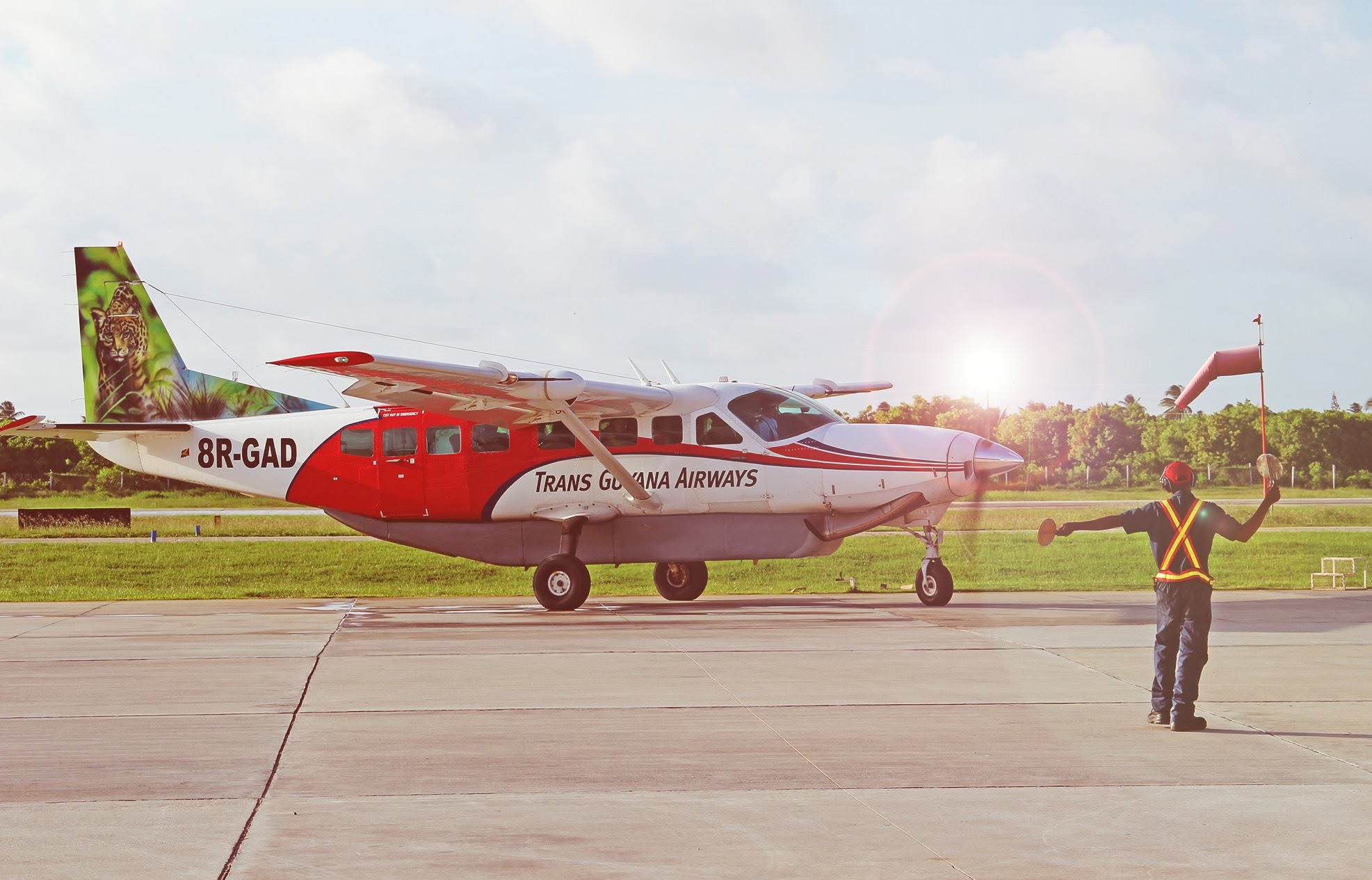
Ambergris Cay Airport, Turks & Caicos Sporting Club at Ambergris Cay, Turks & Caicos Islands, BWI. (PRNewsFoto/Turks & Caicos Sporting Club at Ambergris Cay) (Newscom TagID: prnphotos072293) [Photo via Newscom]

A structured Caribbean destination

This is an island that has built its tourism development without sacrificing the legibility of its territory. The coastline remains open, natural areas are still visible and economic activity is largely based on the sea.

For travellers, Providenciales offers a stable, comprehensible and accessible framework. It is one of the Caribbean’s most structured destinations for a seaside holiday, while retaining a direct link with its maritime environment.

They are an Amerindian people from French Guiana, belonging to the Tupi-Guarani cultural and linguistic family. Mainly settled along the Oyapock River, they perpetuate a culture based on oral transmission, the Teko language and a close relationship with the Amazon rainforest.

They live mainly in the east and south of French Guiana, notably in the commune of Camopi and in several villages along the Oyapock River. Some groups are also present on the other side of the border, in Brazil.

They represent one of the oldest human presences in the region. Their history reminds us that the Caribbean and the Guyana Plateau were already inhabited long before European colonization. Their language, knowledge and relationship with the land help us to understand the Amerindian roots of Caribbean identity.

Leave a Reply

Your email address will not be published. Required fields are marked *

More articles from RK

Roots and Future
COOPERATION
Tolotra

Roots and Future 2026: in Ouagadougou, Africa and the Caribbean build a new cultural and entrepreneurial dialogue

Culture in Ouagadougou recently took on a special international dimension. From February 28 to March 3, 2026, the capital of Burkina Faso hosted Roots and Future 2026a meeting dedicated to the development of cultural and creative industries and cooperation between Africa and its diaspora. Conceived as a forum for dialogue and structuring of the cultural sector, the event brought together artists, entrepreneurs, institutions and players in the creative economy around a single ambition: to strengthen bridges between African territories and diasporic communities, particularly in the Caribbean. For many observers, Roots and Future 2026 marks a milestone in the construction of an international cultural network where artistic and entrepreneurial exchanges become a lever for development. A vision: linking Africa and its cultural diasporas Under the theme “Authentic Africa and the Africa of the Diasporas”, the first edition of Roots and Future 2026 is part of a global movement to promote black

Read More »
Exuma
TOURISM
Tolotra

Bahamas – Exuma, a Bahamian archipelago shaped by sea and islets

In the Bahamas archipelago, Exuma occupies a special place. This territory is not a single island, but a long chain of islets and cays stretching over 200 kilometers into the Caribbean Sea. For travelers, it represents a strong image of the Caribbean: shallow waters, sandbanks, small scattered islands and a constant relationship with the ocean. The Exuma archipelago is made up of more than 360 islands and caysThe largest is Great Exuma, home to the main town of George Town. Great Exuma is linked by a bridge to Little Exuma, the second largest island in the district. This territorial configuration gives the whole area a clear organization: a few inhabited areas, surrounded by a multitude of largely unspoilt islets. An area built around the sea In Exuma, the sea isn’t just a landscape: it structures the whole of local life. The locals have historically made their living from fishing, sailing

Read More »
Riské
HISTORY & HERITAGE
Tolotra

Riské: the 100% all-female Haitian konpa band that made history in Haiti

In January 1991, a new group appeared on the Haitian konpa scene. Fourteen musicians decided to form Riskéan all-female orchestra in a male-dominated field. At a time when women are rarely present behind the instruments in konpa bands, this initiative represents a major breakthrough in the organization of the Haitian music scene. The project is the brainchild of two singers, Sandra Jean and Sabrina Kolbjornsensoon joined by Gina Rouzeau and Maguy Limage. Around them, ten instrumentalists complete the ensemble: bassists, keyboardists, drummers and percussionists. From the outset, the objective was clear: to demonstrate that female musicians can perform all the functions of an orchestra, from writing to interpretation, and not be confined to the role of singer or chorister. Sandra Jean sums up this ambition in an interview with the newspaper La Presse in 1992: Riské was created to encourage Haitian women to break out of the traditional roles often

Read More »

conTACT RK

we'd love to have your feedback on your experience so far

Join The List

Join our Richès Karayib community!  Sign up for our newsletter.

Want To Maximize Your Business Presence On Riches Karayib?

Complete the form to start the application