The Oath of a Bronx Kid
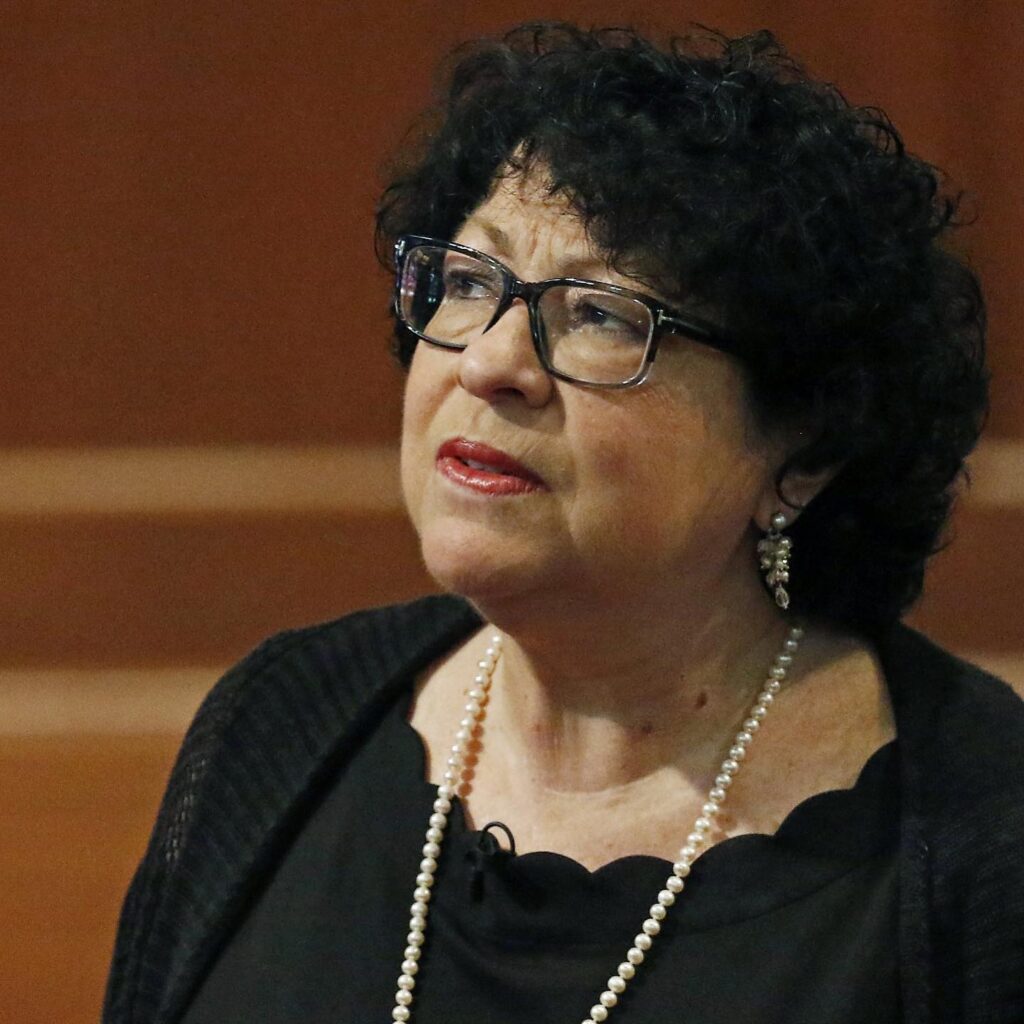
On August 8, 2009, at the seat of the U.S. Supreme Court, Sonia Sotomayor raises her right hand and takes the oath of office. She became the third woman in U.S. history to sit on the Supreme Court, and the first Hispanic, the first Latina, to enter the institution. At that very moment, the child of Puerto Rican-born parents from the Bronx public housing project became one of the nine people charged with interpreting the U.S. Constitution.
A Puerto Rican family in the Bronx
Sonia Maria Sotomayor was born on June 25, 1954 in the South Bronx, New York. Her parents, Juan Sotomayor and Celina Báez, were both born in Puerto Rico and moved to the Americas after the Second World War. Juan worked in a tool factory. Celina, who had served in the Women’s Army Corps, became a nurse. The family lives in The Bronxdale Houses, a public housing complex inaugurated in the 1950s in Soundview. Sonia was seven years old when she was diagnosed with type 1 diabetes, a condition she still manages with daily insulin. She was nine when her father died of a heart attack.
Education as a central legacy
Celina, who became a single mother at the age of 36, placed education at the center of her household. She bought a series of encyclopedias on credit for her two children, a considerable expense for the time. Sonia entered Cardinal Spellman High School, a Catholic high school in the Bronx, graduating in 1972 as valedictorian. Princeton University accepted her with a full scholarship. For a young Puerto Rican woman from a New York social housing background, this was not just an academic achievement. It was a change of scale.
Princeton, Yale and the consciousness of being a minority
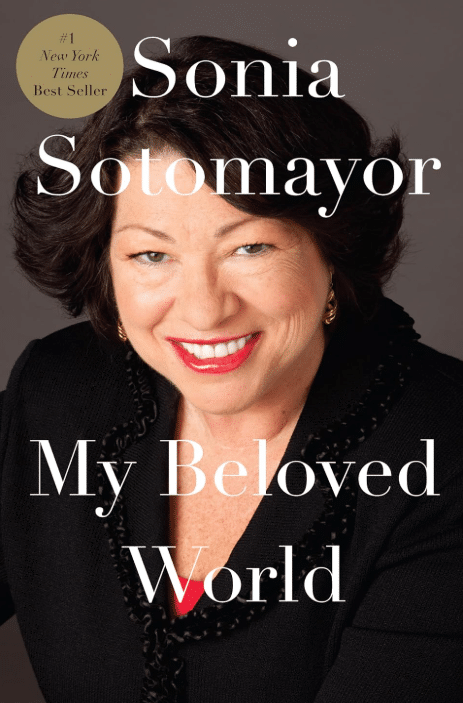
At Princeton, Sonia Sotomayor is one of the very few Hispanic students in her class. In her autobiography, she describes My Beloved World the pressure felt by a first-generation, minority student, constantly called upon to prove her legitimacy. She graduates summa cum laude in 1976, with the Pyne Prize, the highest distinction awarded by the university to an undergraduate student. Yale Law School followed. She edited the Yale Law Journal and obtained his JD in 1979. The great journey begins.
From Manhattan to the federal courts
Assistant District Attorney in the Manhattan District Attorney’s Office from 1979 to 1984, Sonia Sotomayor forged a reputation as a rigorous, precise and fact-focused jurist. She then went into private practice. In 1991, President George H. W. Bush, a Republican, appointed her a federal district judge, on the recommendation of Democratic Senator Daniel Patrick Moynihan.
The Senate confirmed her in 1992. At the age of 38, she joined the U.S. District Court for the Southern District of New York. Five years later, in 1997, President Bill Clinton nominated her to the Second Circuit Court of Appeals. Confirmation this time took over a year, slowed by Republican opposition. In October 1998, she was confirmed. For over ten years, she heard more than 3,000 cases and wrote some 380 majority opinions.
The judge who saved baseball
The singularity of Sonia Sotomayor’s career stems from a technical detail, but one that has great significance in the United States. In 1995, as a federal judge in Manhattan, she issued an injunction that helped put an end to the Major League Baseball players’ strike. The case goes beyond labor law. For a country where baseball occupies an almost religious place in the collective imagination, this ruling earned her a nickname that has remained famous in legal circles: the judge who saved baseball. It’s not the most institutional episode of her career, but it speaks to her approach: read the facts, apply the law, measure the concrete consequences.
The first Latina on the Supreme Court
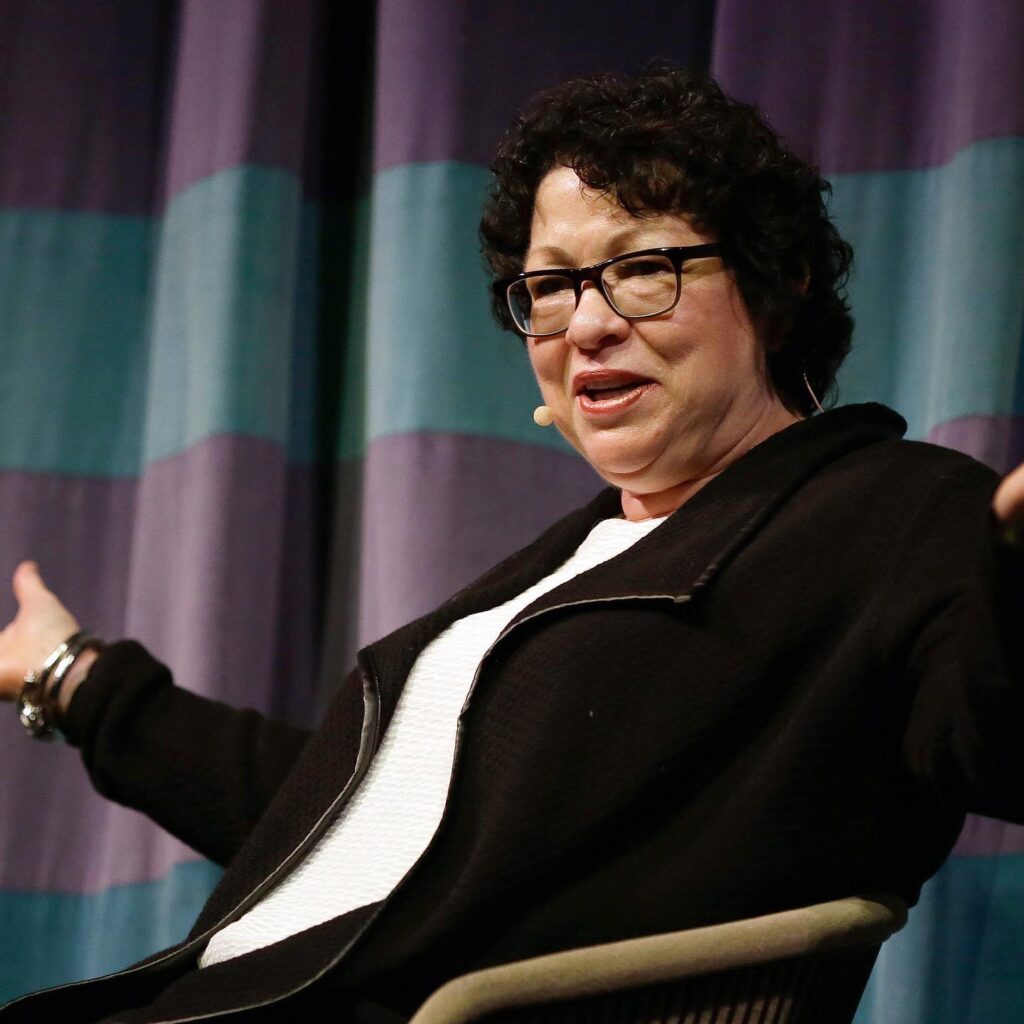
On May 26, 2009, President Barack Obama nominated her to replace Justice David Souter on the Supreme Court. Her confirmation by the Senate on August 6, 2009, by a vote of 68 to 31, sparked scenes of pride in the Bronx, San Juan and many Latin American communities. Two days later, Sonia Sotomayor was sworn in. Her mother Celina, whose sacrifices had accompanied her entire rise, will live until 2021, long enough to see her daughter make American judicial history.
A strong voice in a divided court
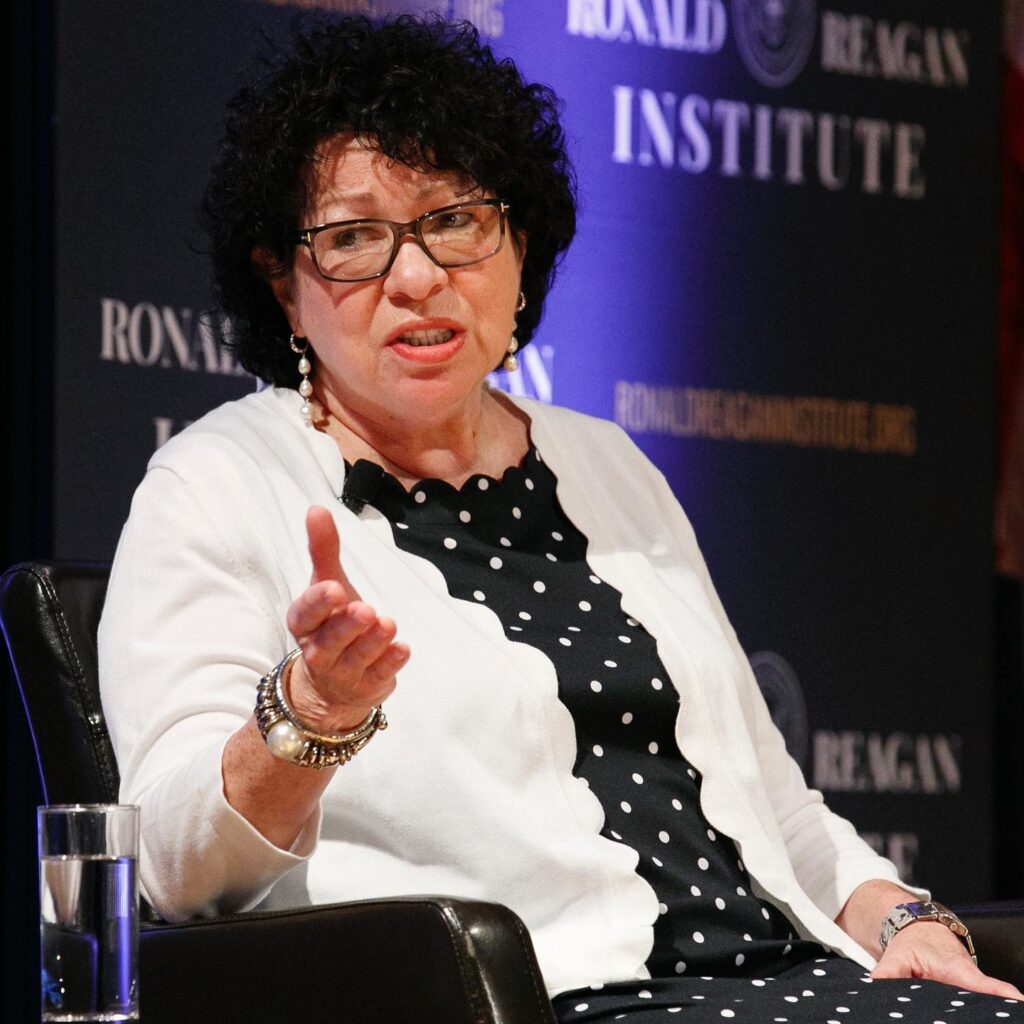
In her opinions to the Court, Sonia Sotomayor has established herself as one of the most identifiable voices of the progressive wing: defense of civil rights, particular attention to questions of criminal procedure, constant scrutiny of the actual effects of judicial decisions. Her dissenting opinion in the Schuette v. BAMN in 2014, which concerned the banning of racial affirmative action policies in Michigan, has become an oft-studied text. “Race matters,” she writes. The formula is short, but it sums up a central conviction: the law cannot always pretend to ignore what society continues to produce.
Telling children that their lives matter
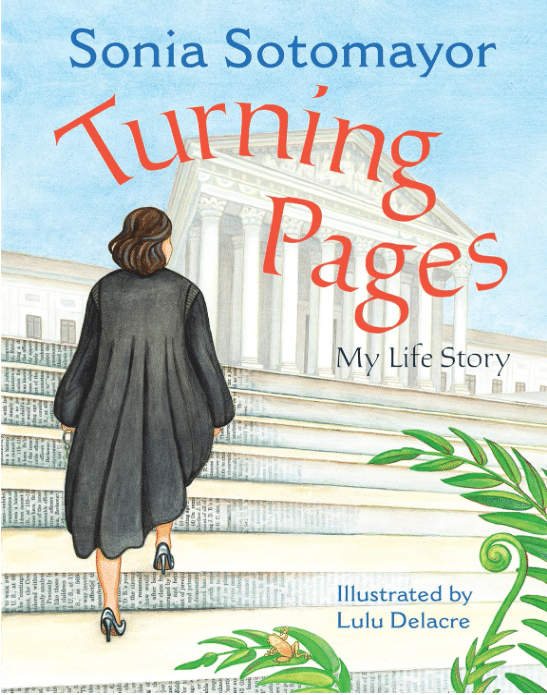
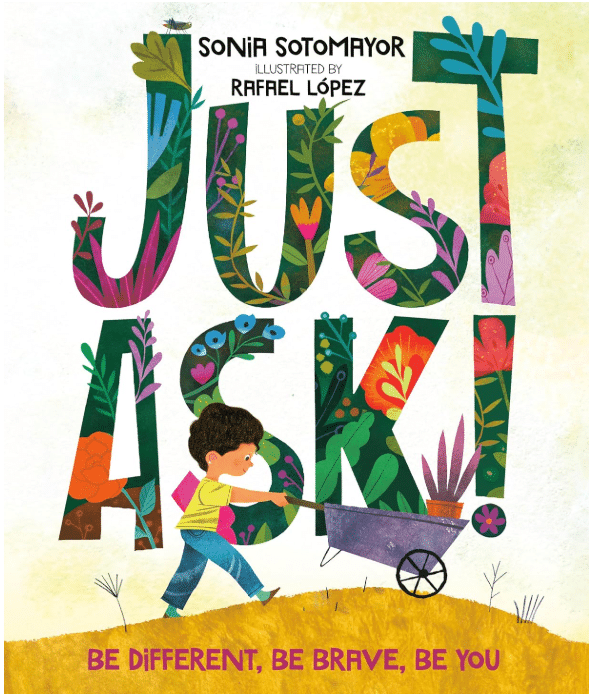
Her book My Beloved World published in 2013, became a New York Times. It tells of her childhood, her scholarships, her discovery of justice and the importance of mentors. She has since published several children’s books, including Turning Pages in 2018 and Just Ask! in 2019, around differences, disability, books and trust. With each publication, Sonia Sotomayor returns to a theme: pride in her Puerto Rican origins and the importance of telling children of color that their lives matter.
An enduring Caribbean-American symbol
In June 2026, a few weeks shy of her 72nd birthday, Sonia Sotomayor continues to sit on the Supreme Court. The current conservative majority often limits the influence of her positions, but she remains, for millions of Americans, and particularly for Caribbean-Americans celebrating Caribbean American Heritage Month twenty years after the first presidential proclamation in 2006, the living sign that a Soundview child from a Puerto Rican family in the Bronx can reach the nine most powerful seats in American justice.
Sonia Sotomayor is an American jurist born in the Bronx in 1954 to parents originally from Puerto Rico. After brilliant studies at Princeton and Yale Law School, she went on to become a U.S. attorney, a federal judge, a judge on the U.S. Court of Appeals for the Second Circuit, and then a justice on the U.S. Supreme Court. In 2009, her appointment made history: she became the first Latina to join America’s highest court.
Sonia Sotomayor represents an exceptional career path for the Puerto Rican, Latin American and Caribbean-American communities. Raised in public housing in the Bronx by a Puerto Rican mother after the death of her father, she built her rise through education, law and professional rigor. Her presence on the Supreme Court shows that a trajectory marked by migration, social modesty and cultural identity can reach the highest American institutions.
Sonia Sotomayor’s career resonates strongly with Caribbean American Heritage Month, celebrated every June in the United States. Although she was born in New York, her family history is deeply linked to Puerto Rico, a Caribbean territory associated with the United States. Her itinerary gives a concrete face to the contribution of Caribbean-Americans to the country’s political, legal and cultural life.