The victory that changes a name
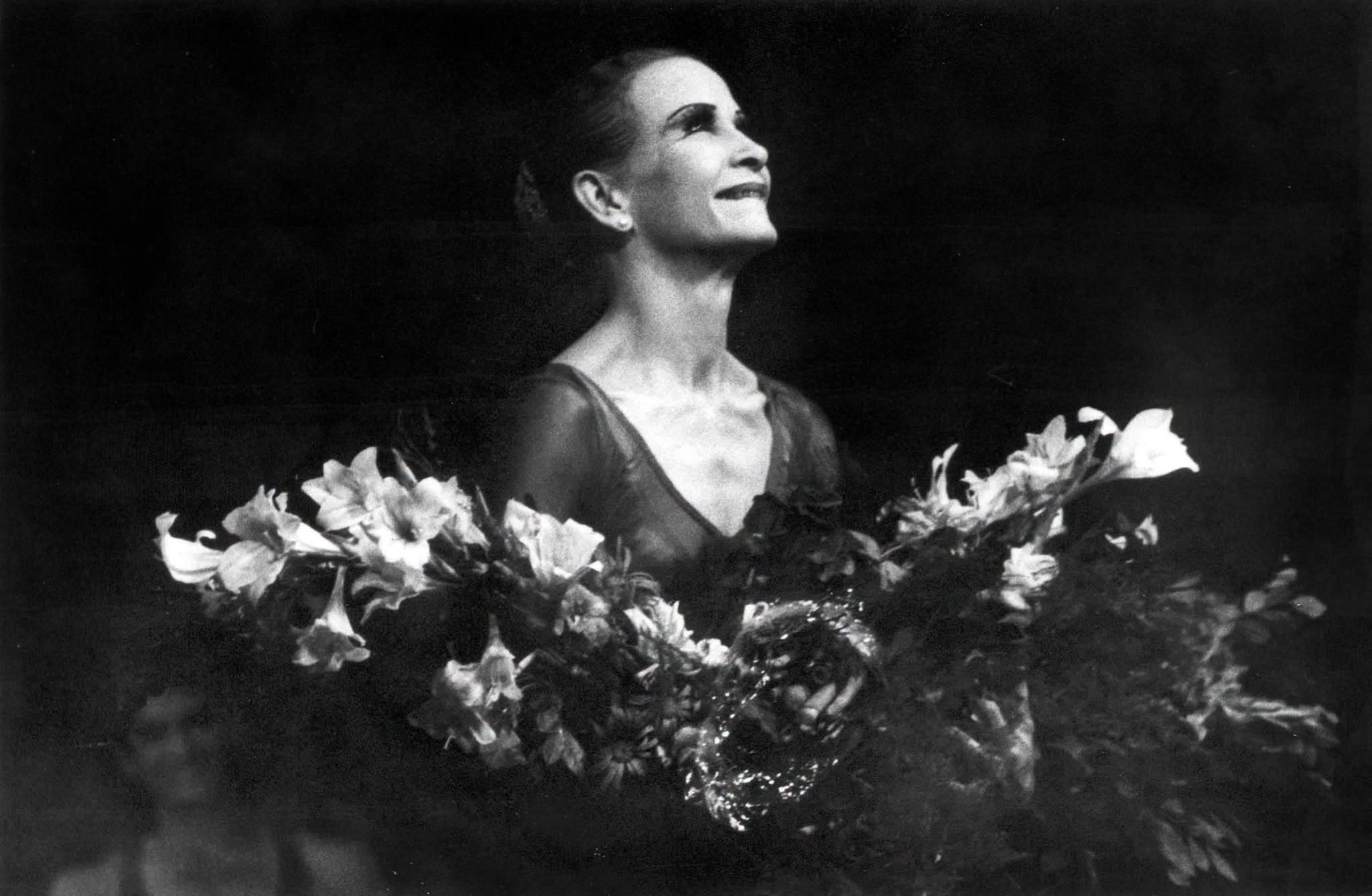
When Trinidad renamed its calypso grand prix “Calypso Monarch” in 1978, it wasn’t by chance. It was because a woman had just won the title for the first time after decades of male domination. The woman’s name was McCartha Linda Sandy-Lewis. On stage, she was known as Calypso Rose. She was 38 years old. Forty-eight years later, in 2026, she is 86, with over 800 songs, more than 20 albums, and a presence that continues to cross international stages.
From Bethel to the first songs
McCartha Linda Sandy-Lewis was born on April 27, 1940 in Bethel, a village in northwest Tobago. Her father was a Spiritual Shouter Baptist minister, a long-marginalized Afro-Caribbean religious tradition. He opposed his daughter’s musical career. She nevertheless began composing and singing her own calypsos as a teenager, around the age of 15. At the time, calypso was a male domain. There were very few women in the carnival tents. Calypso Rose broke through this barrier.

A woman in the tents
She turned professional in the mid-1960s. She originally performed under the stage name Crusoe Kid. She later adopted the name that would accompany her all her life: Calypso Rose. Within a few years, it became one of the most recognizable names in Caribbean calypso. In 1966, her song “Fire in Me Wire” made a lasting impression at the Trinidad and Tobago Carnival. The title already announced what was to become his strength: a popular, direct voice, capable of making people dance and commenting on society.

New York, Bob Marley and the international scene
In 1967, at the age of 27, she performed in the United States for the first time. Her career also crossed paths with Bob Marley & The Wailers. Calypso Rose would later cite him as one of the figures who inspired her. This passage through New York opened up a wider space for an artist from Tobago.
1977-1978: the ceiling cracks
The decisive moment came in 1977. Calypso Rose became the first woman to win the Trinidad Road March, a competition for the song played most during the Carnival parade days. Her winning song was “Tempo”, often known as “Gimme More Tempo”. The following year, she won the Road March again, and also won the main competition, then called Calypso King. The song was later renamed Calypso Monarch. This sequence establishes her in history: first woman Road March, first woman to win the grand national title, and symbol of a calypso that could no longer ignore women.
A political voice as much as a musical one
One of the artist’s singularities lies in her political function. Many of her songs deal with the condition of women, work, violence and power relationships. In 1983, “No Madam” denounced the exploitation of domestic workers. The song became a popular anthem and remains associated with debates on wage protection for domestic workers in Trinidad and Tobago. Later, “The Other Woman”, “Solomon” and “Leave Me Alone” extended this message. In Trinidadian culture, Calypso Rose became a public voice, capable of transforming a carnival song into a social argument.
New York, illness and return
In 1983, she moved to New York, where she maintained a strong base. She continues to tour, write and sing. She also went through serious health problems before returning to the stage. In 2011, the documentary “Calypso Rose, Lioness in the Jungle”, directed by Pascale Obolo, places her story in a wider memory: that of a woman who had to conquer her place in a world made for men.
The global comeback with Far From Home
The big turning point in her contemporary career came in 2015. Manu Chao, Franco-Spanish singer and former member of Mano Negra, discovered her during carnival in Port of Spain. An artistic bond was forged. With Belgian-Canadian producer Ivan Duran, he accompanies the album “Far From Home”, released in 2016. In 2017, this album won the Victoire de la Musique award in the world music album category. She was 76 at the time. Instead of being a final tribute, this album became an international relaunch.
Coachella, SACEM and the new generations
What follows is even more surprising. In December 2018, she received the Grand Prix Musiques du Monde from SACEM in France. In April 2019, at 78, she becomes the oldest person scheduled for a full set at Coachella, California, and the first calypsonian to hold that spot. Her song “Leave Me Alone”, re-recorded with Machel Montano and Manu Chao, circulates as a cry against the harassment of women in party spaces. Calypso Rose speaks to a generation that discovered her not in the tents, but on the world’s stages.
More than a prize list
One dimension deserves to be mentioned. She has written over 800 songs. She has recorded over 20 albums. She has received several major honors, including the Humming Bird Medal Gold and, in 2017, the Order of the Republic of Trinidad and Tobago, the nation’s highest honor. But what defines Calypso Rose is longevity. More than sixty years after her first songs, she remains linked to the stage, to transmission and to writing.


The voice of Tobago, the memory of the Caribbean
For Tobago, Calypso Rose is a voice that has carried the island far beyond its borders. For the entire Caribbean, she is even more: proof that a black woman born in a Tobago village in 1940 can redefine an entire musical genre. At a time when the United States is celebrating Caribbean American Heritage Month in June, she is a reminder of what this month can also tell us: Caribbean trajectories that move scenes and imaginations. How many other voices from the region are still waiting to be heard with the same attention?
Calypso Rose is the stage name of McCartha Linda Sandy-Lewis, a singer and songwriter born in Bethel, Tobago, in 1940. A major figure in calypso, she is known for paving the way for women in a genre long dominated by men. With over 800 songs and more than 20 albums, she is considered one of the most important voices in Trinidad and Tobago and the Caribbean.
Calypso Rose made history by becoming the first woman to win the Trinidad Road March, then the great national contest then known as Calypso King. After her victory, the title was renamed Calypso Monarch, a sign that her presence had changed the symbolic rules of the genre. Her songs also deal with strong social issues, such as domestic work, violence against women and harassment.
Born in Tobago, Calypso Rose has taken the voice of her island to international stages, from Trinidad and Tobago to New York, from France to Coachella. Her career shows how an artist from a small Caribbean territory can transform an entire musical genre. She embodies a living memory of the Caribbean: festive, political, resilient and able to speak to the world without losing her local roots.