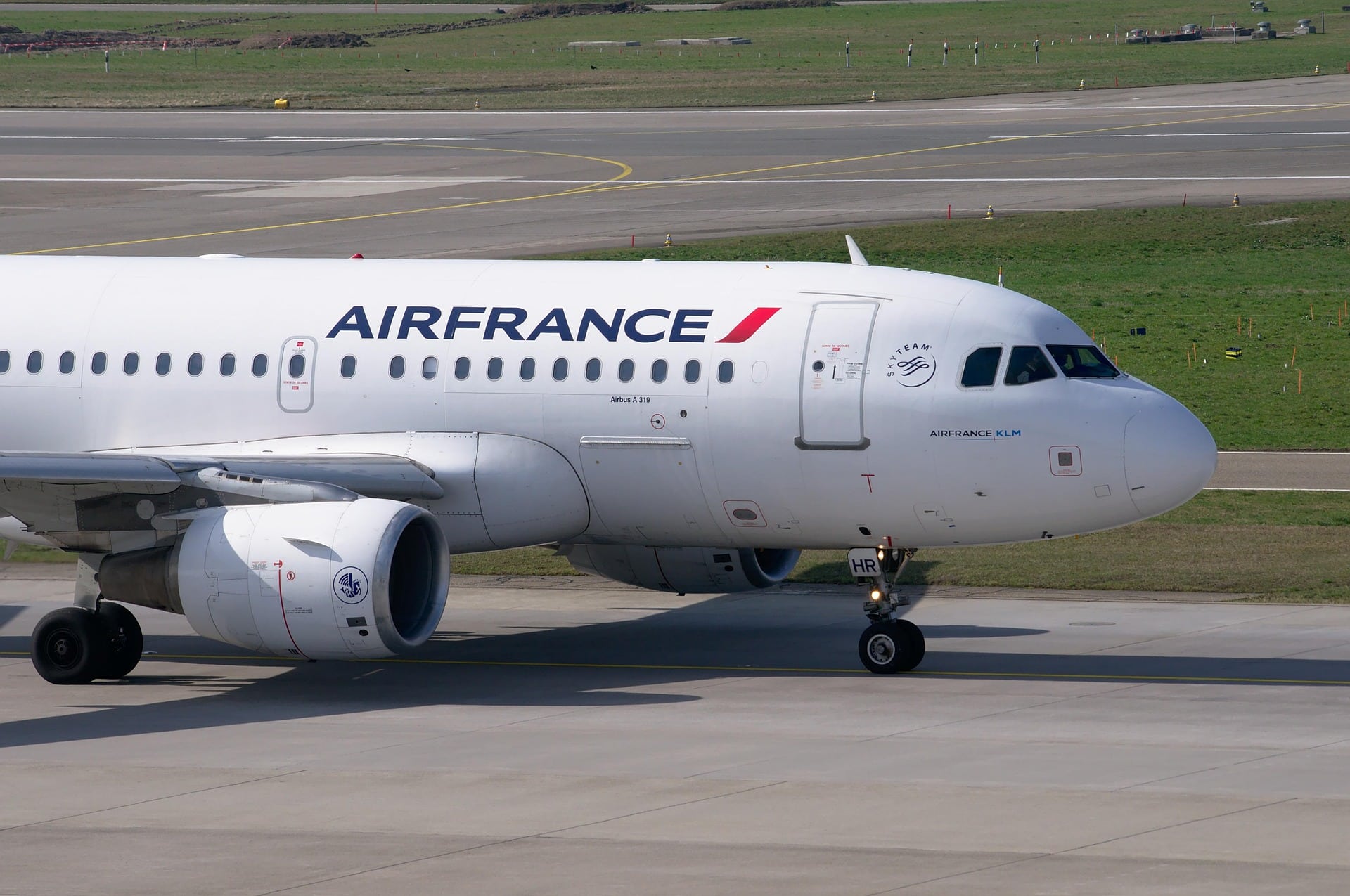
From December 11, 2026, to March 5, 2027, the route Martinique – Panama City, Air France will offer this route twice a week, with a stopover in Pointe-à-Pitre. More than just a new destination, this route could transform the way people from Martinique travel to Central America, South America, and several Caribbean territories.
Martinique – Panama City : Redrawing the Map of Travel
From Martinique, certain cities on the American continent appear close on a map, yet are difficult to reach. To get to Quito, Lima, San José, or Tegucigalpa, travelers often have to deal with long routes and inconvenient connections. The new route is expected to reduce this sense of isolation. Passengers will depart from Fort-de-France, make a stop in Pointe-à-Pitre, and then continue on to Panama City. This is therefore not a direct flight, but a new regional route connecting the French West Indies to one of the main hubs on the American continent.
This trend goes beyond the issue of tourism alone. It also affects families, students, professionals, artists, and entrepreneurs who have ties to Spanish- and English-speaking regions in the Americas.

Two flights a week to launch new routes
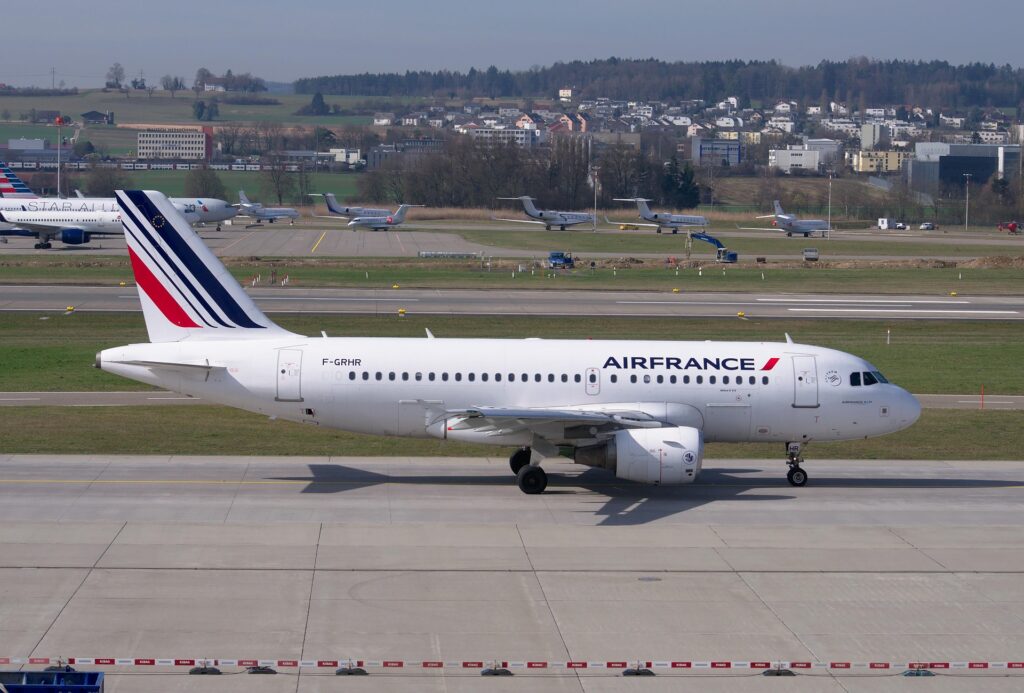
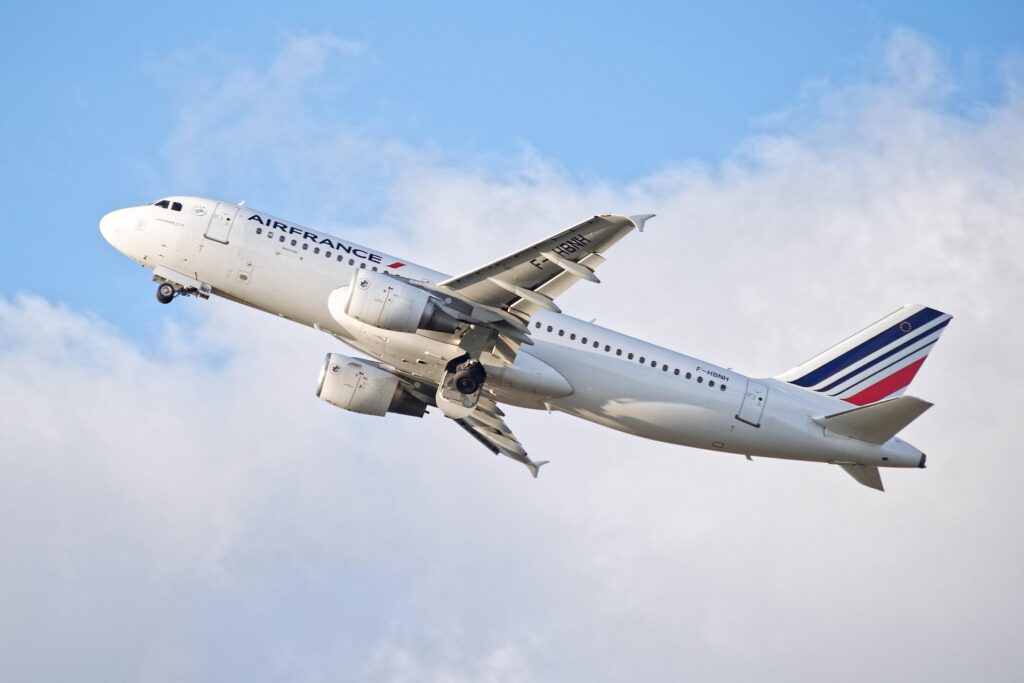
The route will be operated by an Airbus A320, with 170 seats divided between Business and Economy class. High-speed Wi-Fi is also available on board. Bookings are now open, with a promotional round-trip fare starting at 499 euros (including tax), excluding service fees. This is an introductory price and may vary depending on dates, availability, and booking conditions. The program remains subject to obtaining the necessary government approvals. This first season of Martinique – Panama City should therefore be considered a launch phase.
Panama City: A Destination and a Stopover
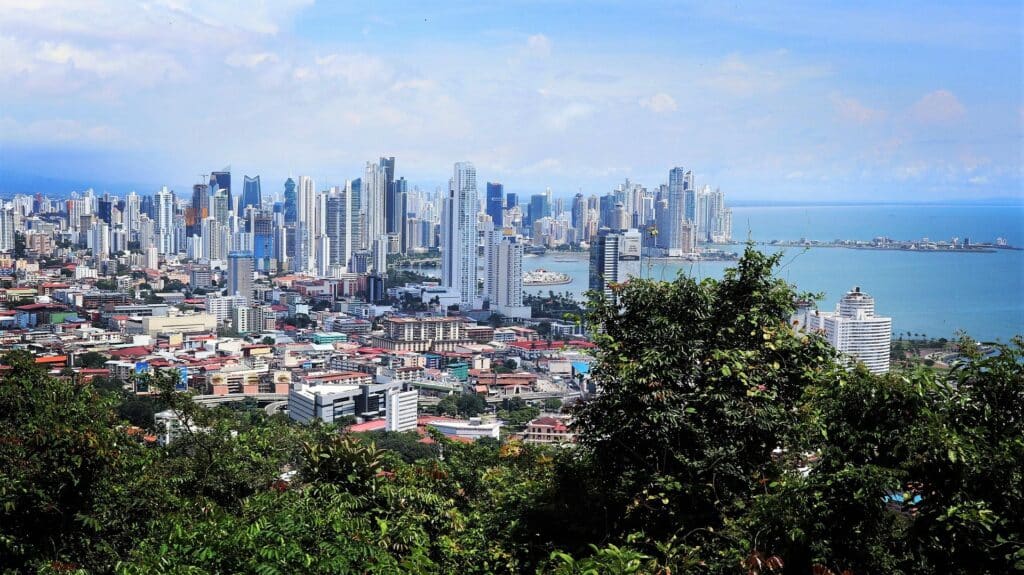
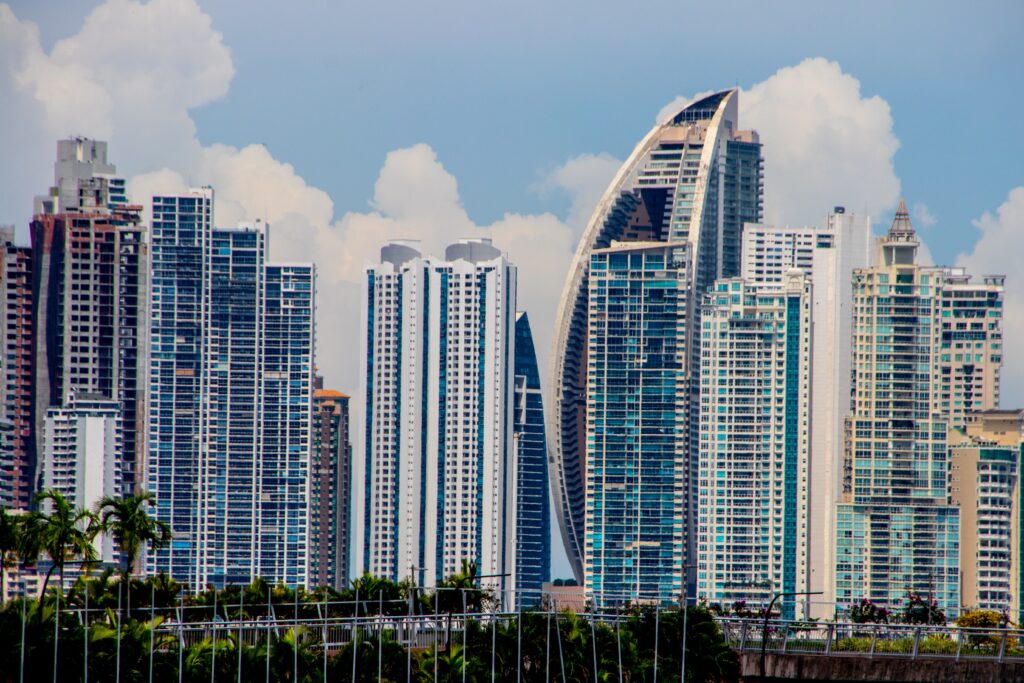
The appeal of this flight lies in Panama City’s dual role. The capital is worth visiting in its own right, with its canal, historic district, and Panamá Viejo, an archaeological site that highlights the isthmus’s historic role in interoceanic trade. The complex comprising Panamá Viejo and the historic district is listed on the UNESCO World Heritage List. Panama City also serves as a gateway to continue your journey to other destinations. The announced destinations include Asunción, Guatemala City, Guayaquil, Quito, Lima, Managua, Montevideo, San José, and Tegucigalpa. Havana, Georgetown, Port of Spain, Punta Cana, and Santo Domingo are also among the destinations accessible via connecting flights.
This new geographical landscape could bring Martinique closer to countries with which it already has trade ties, but where such ties are sometimes hindered by a lack of convenient connections. Martinique – Panama City thus becomes a gateway to the Americas and offers a new alternative for organizing certain regional trips.

Martinique – Panama City Revives Caribbean Memories
The connection between the French West Indies and Panama did not begin with aviation. It spans the history of the canal and the large-scale Caribbean labor migrations of the early 20th century. The Panama Canal Authority reports that approximately 7,500 men were recruited in 1907 from the French islands of Martinique and Guadeloupe. They traveled to the isthmus to work on the construction project led by the United States. Behind this figure lie individual life stories, separated families, departures that were sometimes permanent, and a Caribbean presence that has contributed to Panama’s modern history.
This thesis lends a special depth to this new connection. More than a century after those crossings, modes of transportation have changed, but the movement of people continues to link the Caribbean territories to the mainland. Air travel is thus part of a history that predates flight schedules and connecting flights. It serves as a reminder that Caribbean societies have long been shaped by departures, returns, work, and encounters between the islands and the mainland.

A Trial Season for Martinique
For Nathalie Sébastien, Chair of SAMAC’s Executive Board, this service is intended to strengthen tourism, economic, and cultural ties with the Americas. The success of the initiative will be measured by its practical implementation: affordable prices, convenient schedules, seamless connections, and the ability to meet the needs of travelers from Martinique. The first season of Martinique – Panama City will show whether this expansion will be limited to the winter or whether it can become a long-term development. Behind these two weekly flights lies a broader question: Can Martinique regain a more central role in Caribbean and U.S. air travel?
The Route Martinique – Panama City will be offered from December 11, 2026, to March 5, 2027. Air France plans to operate two flights per week departing from Fort-de-France, with a stop in Pointe-à-Pitre. The schedule is subject to the necessary government approvals.
No. Passengers will depart from Martinique Aimé Césaire Airport and make a stop in Pointe-à-Pitre before continuing on to Panama City. It is therefore more accurate to refer to this as a new air route rather than a direct flight.
The announced connecting flights will allow passengers to continue on to Lima, Quito, San José, Guatemala City, Port of Spain, Havana, Santo Domingo, and several other cities in Central America, South America, and the Caribbean.