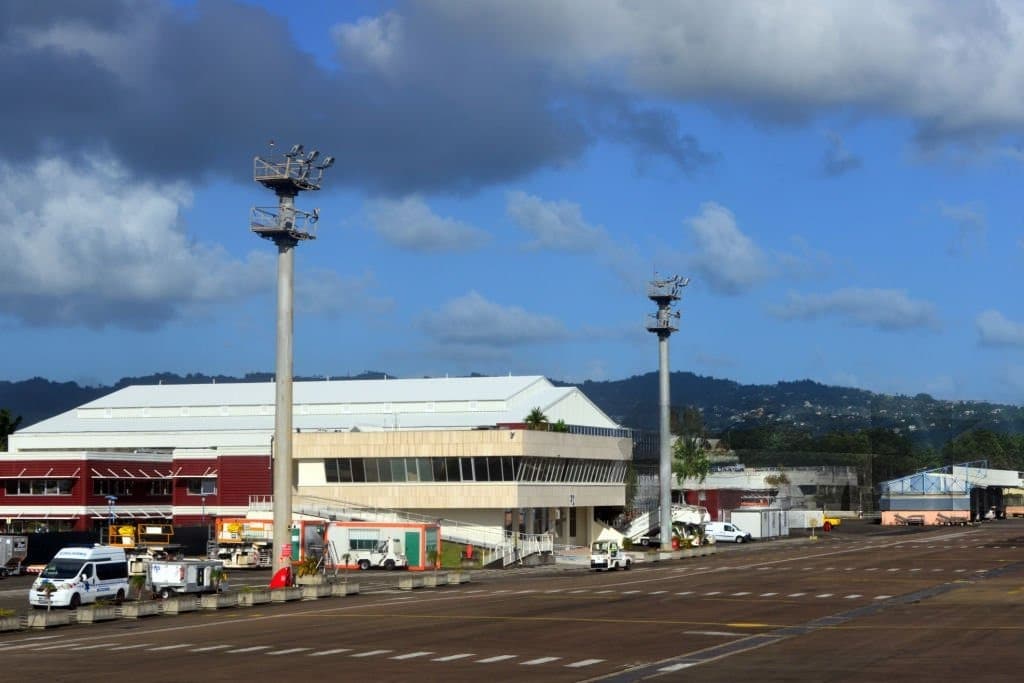
Between people leaving for vacation, families returning home, and visitors arriving, the Martinique Aimé Césaire Airport is going through one of the busiest periods of the year. Through September 6, 2026, enhanced measures are in place to handle the increase in traffic without compromising the quality of service. Behind the lines, security checks, and luggage, another challenge is emerging: preserving the Martinique hospitality that is evident from the very first moments.
Martinique Aimé Césaire Airport: Maintaining a High Standard of Service During the High Season
The peak season began on June 26. According to SAMAC, several hundred thousand passengers are expected to pass through the airport this summer, with traffic projected to exceed last year’s levels. As a result, airlines, ground handling staff, border police, customs officials, and airport crews have stepped up their coordination.
This initiative addresses a clear operational need. It also impacts the region’s image. For some travelers, the airport terminal is their first tangible encounter with Martinique. For others, it marks a return home, a family reunion, or a departure after several weeks on the island. In these emotionally charged moments, providing a warm welcome goes beyond simply moving a line along.

Martinique’s hospitality is also reflected in its educational focus
Since July 9, about ten seasonal workers—easily recognizable by their orange polo shirts—have been assisting passengers upon departure and arrival. Their job seems simple: point out a counter, explain a route, or direct passengers to the right service. Yet, in a busy terminal, this human presence can prevent a great deal of confusion.
At the Martinique Aimé Césaire Airport, so maintaining a welcoming atmosphere means not leaving travelers to navigate procedures on their own. A family with young children, an elderly person, or a passenger in need of assistance does not experience the hustle and bustle in the same way as a frequent flyer. The quality of the welcome is therefore measured by the clarity of the information provided and the ability to reassure passengers.
Arrive four hours early for a more stress-free trip
For international flights, passengers are asked to arrive at least four hours before departure. This time frame is intended to allow passengers to complete check-in, security screening, and border control procedures without undue haste.
Before arriving at the Martinique Aimé Césaire Airport, each passenger should also verify that their documents are valid and review their airline’s baggage policies. Liquids, electronic devices, and prohibited items must be packed in accordance with the guidelines. Travelers who require special assistance are encouraged to contact their airline before departure.
These precautions help ensure that everything runs smoothly for everyone. A missing document, non-compliant luggage, or a late arrival can slow down several steps in the process and add stress to an already hectic time.
The welcome begins before you enter the terminal
SAMAC also urges visitors to respect the designated parking areas. Waiting on access roads or near parking lot entrances and exits can cause significant traffic delays, even extending onto the RN5.
Around the Aimé Césaire Airport in Martinique, so the experience depends on everyone’s behavior. Using the designated parking areas, packing your luggage in advance, and arriving early helps the staff better assist travelers. Hospitality becomes a shared responsibility among the institution, the staff, and the public.

Modernize Without Dehumanizing
SAMAC highlights the investments made in recent years to improve the passenger experience. However, facilities alone are not enough to create a positive experience. Clear signage, well-managed procedures, and appropriate infrastructure are most effective when complemented by attentive staff.
The summer travel rush is thus a real-world test for the Martinique Aimé Césaire Airport. It demonstrates its ability to handle heavy traffic while maintaining the Martinican way of welcoming guests: explaining, guiding, and assisting. In a place where everyone seems to be in a hurry, hospitality is sometimes evident in a simple gesture: not letting anyone figure out their way on their own.
For international flights, SAMAC recommends arriving at the Martinique Aimé Césaire Airport at least four hours before departure. This allows enough time to complete check-in, security screening, and border control procedures.
Enhanced security measures are in place through September 6, 2026. Staff from the airport, airlines, border police, and customs are on duty. About ten seasonal workers wearing orange polo shirts are also helping guide travelers through the terminal.
Travelers should check their documents, pack their luggage according to their airline’s guidelines, and notify the airline in advance if they need assistance. People accompanying travelers should use the designated parking areas to avoid blocking access roads and traffic heading toward the RN5.