

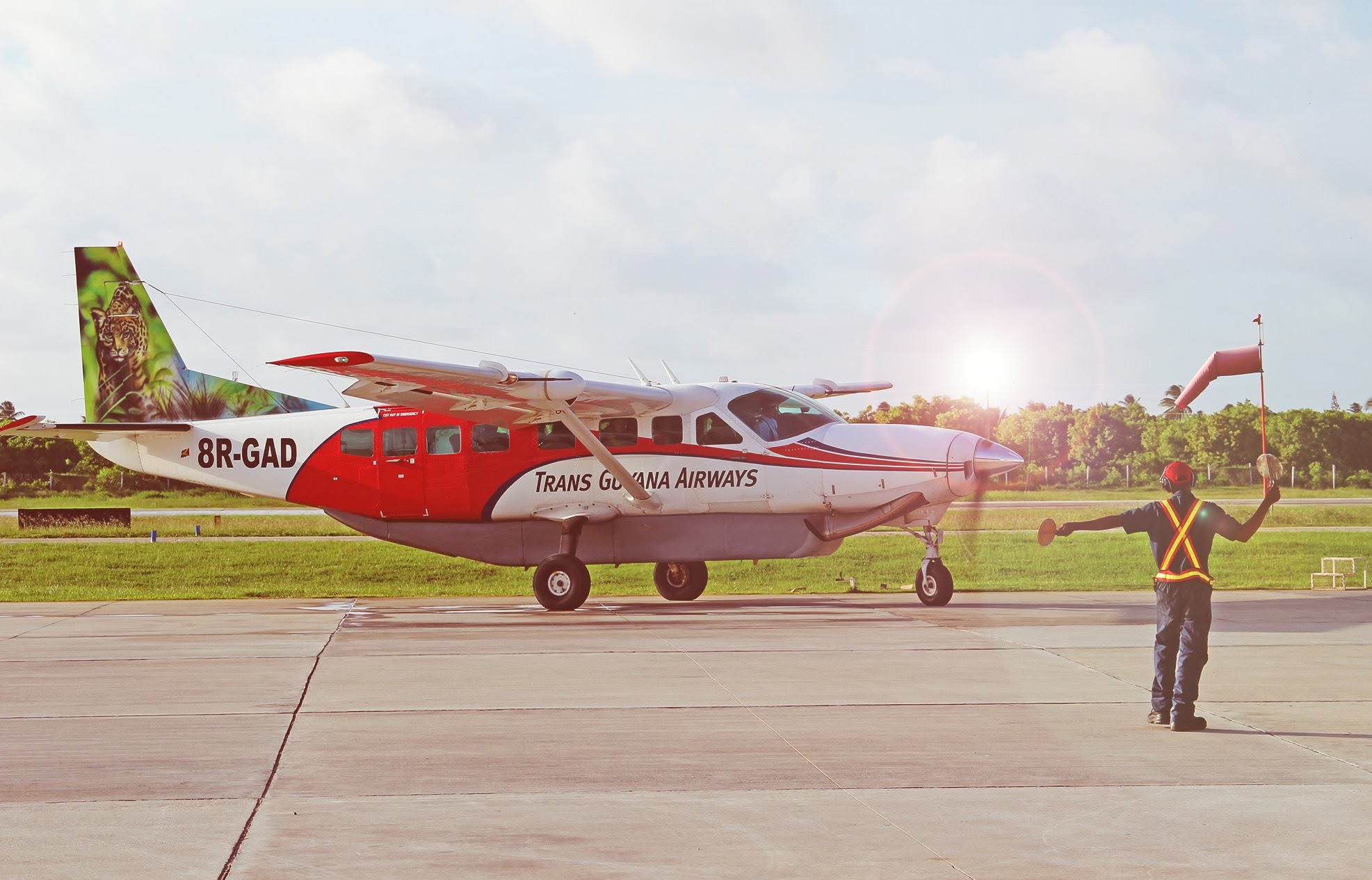

There is currently no direct flight between Guyana and French Guiana. However, following the air services agreement signed on September 30, 2026, which replaces the 1976 agreement, Trans Guyana Airways is planning at least two flights per week between Georgetown and Cayenne, though no dates have been announced. In Georgetown, Guyana, the journey to Cayenne begins with a three- to four-hour drive to Moleson Creek. Next comes a ferry that departs only once a day, a crossing into Suriname, and then a second border crossing. That’s still what it takes in 2026 to reach French Guiana from English-speaking Guyana. The direct flight between Guyana and French Guiana being planned by Trans Guyana Airways would cut this journey from nearly 24 hours to about 1 hour and 15 minutes, according to the airline. Direct Flight Between Guyana and French Guiana: What the September 30, 2026 Agreement Unlocks On September 30, 2026,
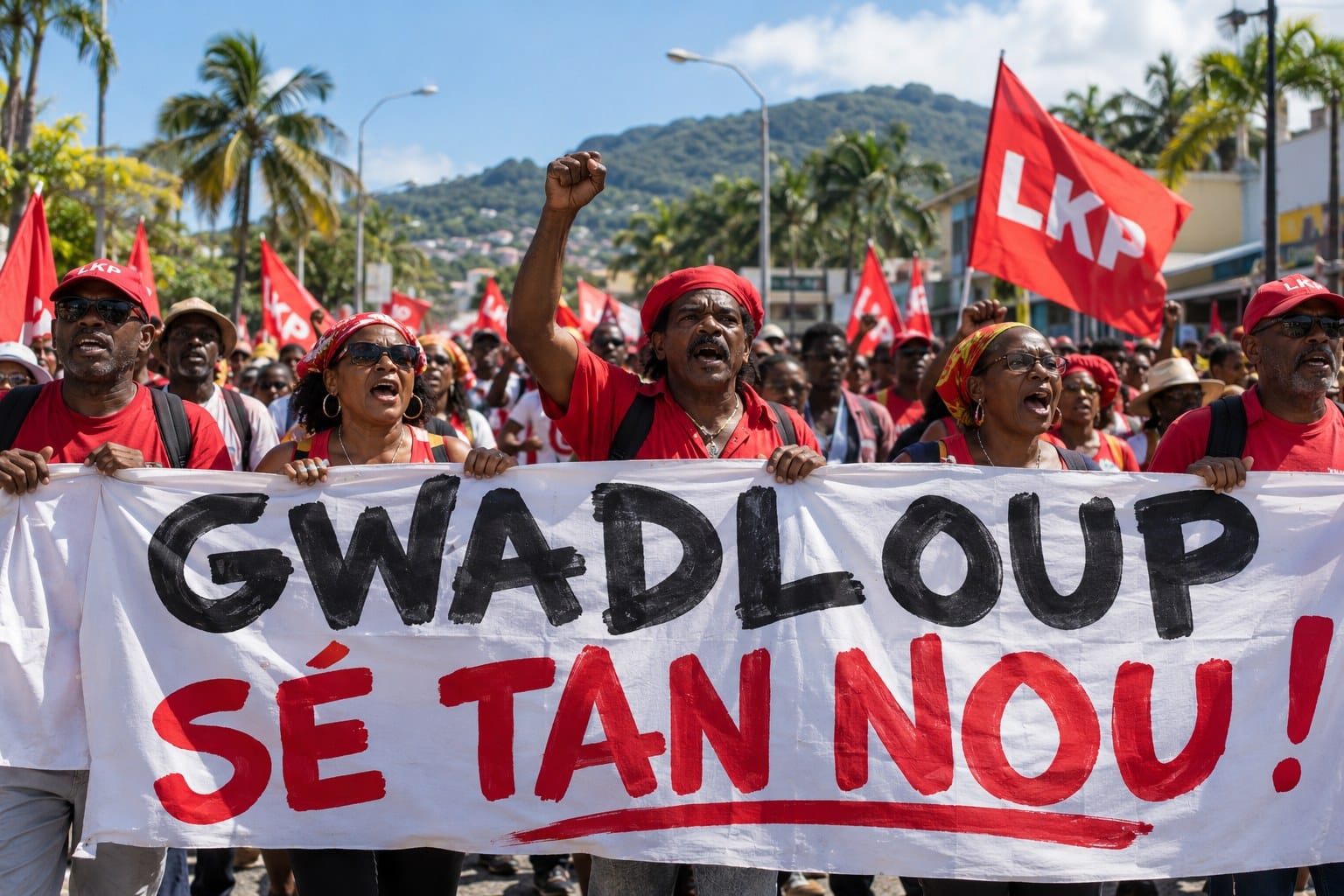
Union activist Jacky Richard says he wrote the chorus spontaneously, in the midst of the 2009 strike. He didn’t yet know that those few words would come to symbolize an entire movement. “Gwadloup sé tan nou” became the anthem of the LKP, the collective that brought Guadeloupe to a standstill for several weeks. This article explains what “Gwadloup sé tan nou” means, how the song emerged from the strike, and why a single pronoun was enough to get an entire island singing. “Gwadloup sé tan nou,” a title that consists of just one pronoun In Guadeloupean Creole, “Gwadloup sé tan nou” means “Guadeloupe belongs to us.” Everything hinges on “nou,” the first-person plural pronoun, this “us” that brings people together. The chorus asserts that the island belongs to its inhabitants, not to a privileged minority. The phrase is short, rhythmic, and easy to chant in a procession. Illustration : le
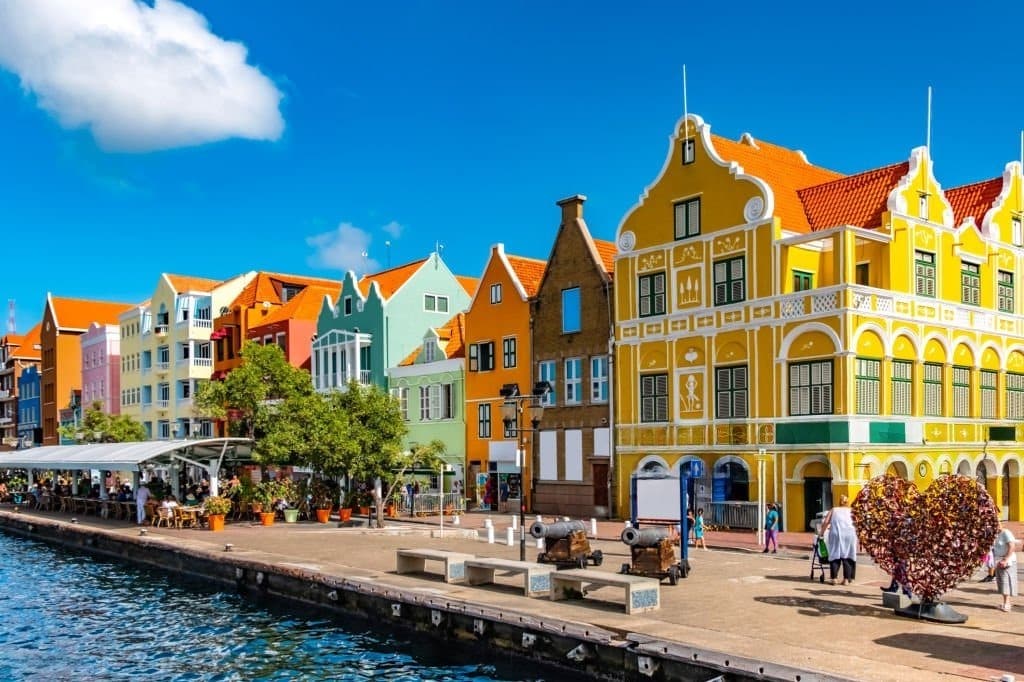
The Krioyo Film Festival 2026 will take place from October 26 to November 2, 2026, at Caribbean Cinemas in the Sambil Shopping Center in Willemstad, Curaçao. This third edition will feature 23 films from Curaçao, Aruba, Bonaire, and the Netherlands. The festival is based on a single idea: watching films in Papiamentu on the big screen. Krioyo Film Festival 2026, a Concert Before the Screenings On Sunday, October 25, 2026, at 5:30 p.m., the Dutch Caribbean Orchestra will give a free concert in Curaçao. This free concert precedes the screenings of the Krioyo Film Festival 2026, which will be open to the public starting Monday, October 26, 2026. The concert program features film music. Giovanni Atalita, president of the Krioyo Film Foundation, summed up the issue in October 2025 by saying, “It’s not just entertainment, it’s an identity.” During Siman di Kultura, from September 28 to October 3, 2026, the
