


“Asere, ¿qué bolá?”, this Cuban street greeting, was already in common use in Havana’s working-class neighborhoods long before a U.S. president adopted it as well. On Saturday, March 19, 2016, on the eve of the first presidential trip to the island in nearly nine decades, Barack Obama appeared in a Cuban TV sketch alongside Pánfilo, a comedic character well known to viewers on the island, and delivered a “qué bolá” that no one expected to hear from a U.S. head of state. The next day, upon setting foot in Havana, he did it again on Twitter: “¿Que bolá Cuba? Just touched down here.” In just a few hours, two words of Havana slang had bridged the gap between the street and the world of diplomacy. What does “Asere, ¿qué bolá?” mean? Taken literally, “asere” doesn’t really translate, and “qué bolá”—which comes from “bola,” meaning “ball”—doesn’t convey anything more literal than
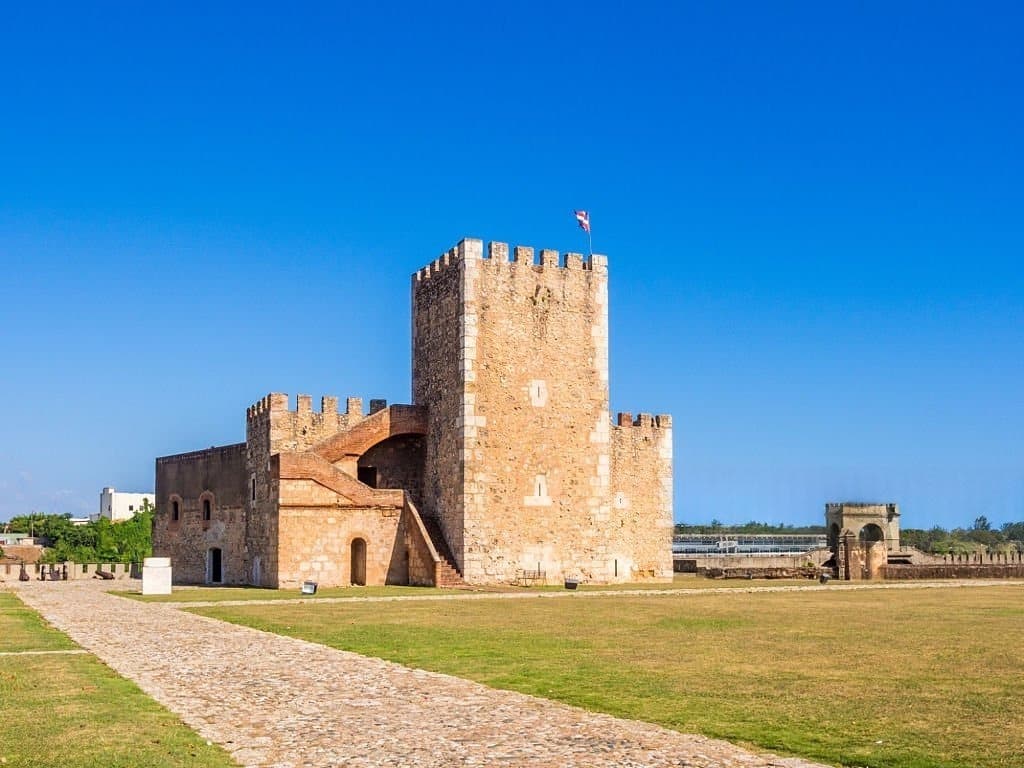
In Santo Domingo, on the banks of the Ozama River, the Fortaleza Ozama has weathered more than five centuries of Dominican history without ever falling into the hands of an attacker. It held the father of Dominican independence captive, served as a political prison under the Trujillo dictatorship, and withstood tank fire during the 1965 civil war. Now a UNESCO World Heritage Site, the oldest European-built fortress still standing in the Americas continues to preserve, almost intact, the memory of a nation. An arrival in chains, August 27, 1844 On August 22, 1844, Juan Pablo Duarte was arrested in Puerto Plata. Five days later, on August 27, he entered the Fortaleza Ozama in Santo Domingo. The government led by Pedro Santana had just declared him a traitor to the nation. Duarte, who had planned and led the young Dominican Republic to independence, was imprisoned in the dungeons of the Torre
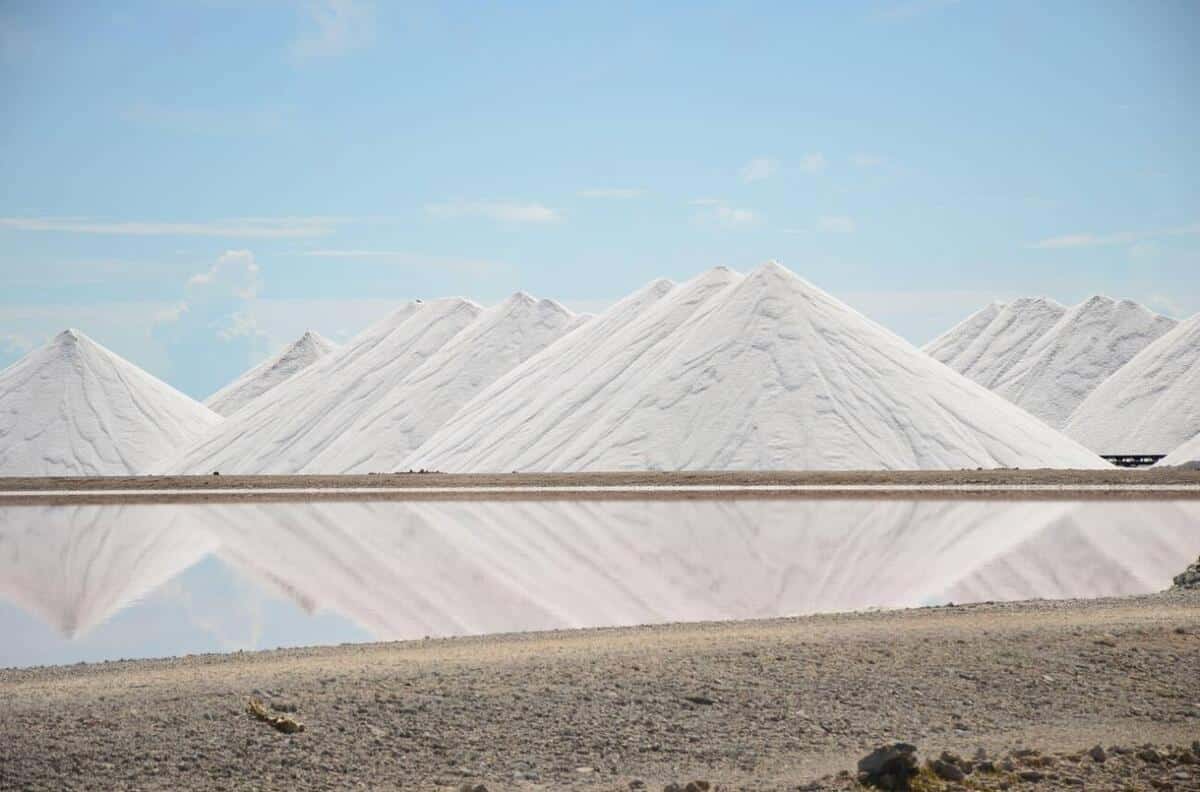
At the southern tip of Bonaire, a Dutch-speaking island in the Caribbean, the salt marshes stretch out in pink and white basins across nearly 3,700 hectares—thirteen percent of the island’s total area. This postcard view, photographed every year by thousands of visitors from the coastal road, hides a history dating back more than five centuries, the story of salt that shaped Bonaire’s economy and, for two hundred years, the lives of hundreds of enslaved people. Along EEG Boulevard, which runs along the southern coast of Bonaire, mountains of white salt come into view kilometers before you reach them. Each contains about 10,000 metric tons of salt that is 99.6% pure, piled nearly 15 meters high, with up to 200,000 metric tons stored at any given time. Their whiteness, so intense that you need to keep sunglasses handy, stands in stark contrast to the pink of the neighboring pools. The salt
