


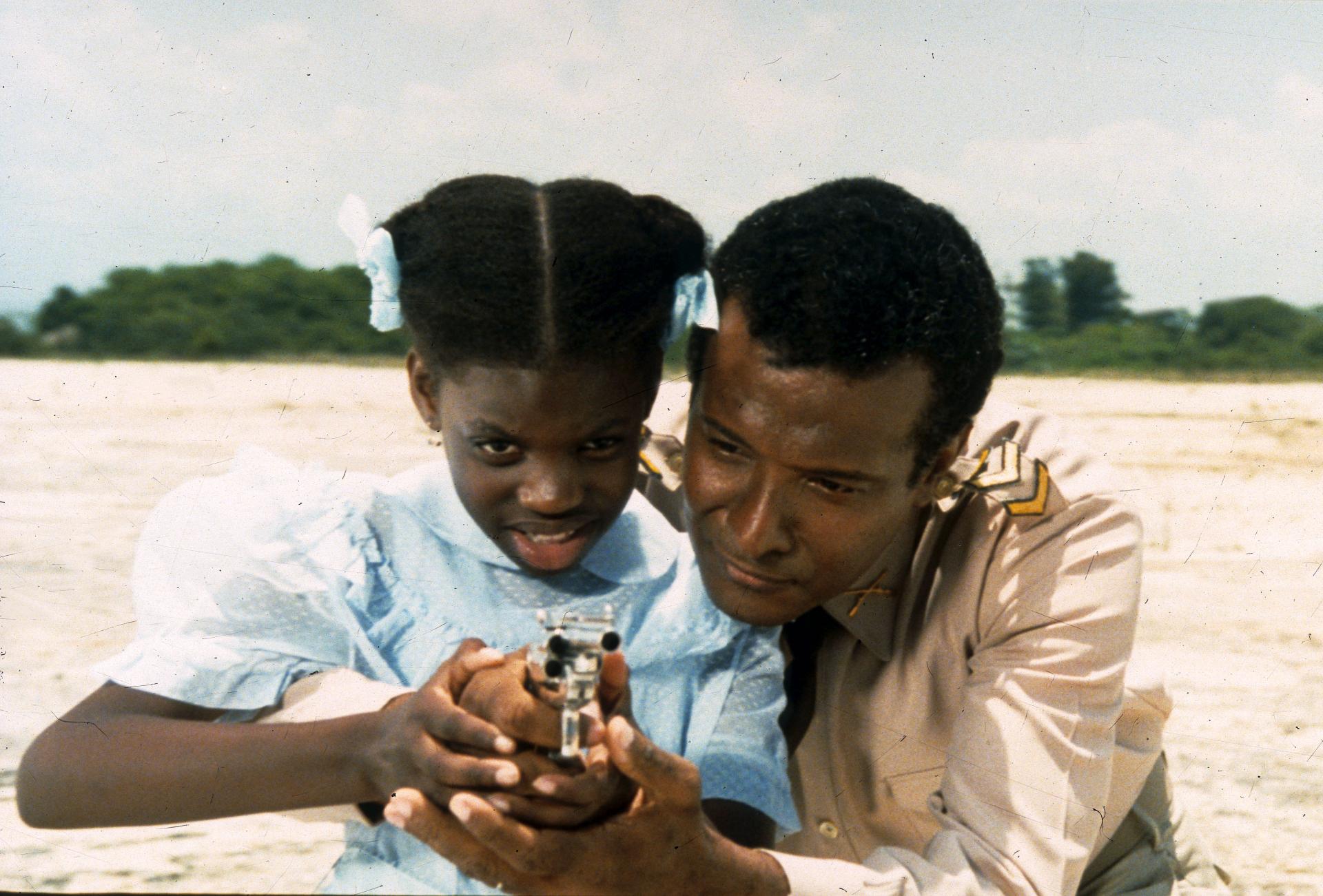

We’ve reached the halfway point of the “Stories of Caribbean Cinema” series. The first four episodes have covered nearly three decades of cinema, from Cuba in the 1960s to productions from Martinique and Curaçao in the 1980s. This fifth installment moves into the 1990s with two films set in very different worlds. Euzhan Palcy’s “Siméon” delves into a Caribbean imagination where music, ghosts, and magical realism converge. Raoul Peck’s “The Man on the Quay” looks back at François Duvalier’s dictatorship in Haiti through the eyes of a child. You are now reading the fifth episode in a series of ten. Four episodes have already been published on Richès Karayib, and five more will follow through 2025. 1992: MARTINIQUE/GUADELOUPE – SIMÉON, BY EUZHAN PALCY Following his early work in Hollywood, Euzhan Palcy returned to the Caribbean with a film rooted in Caribbean magical-religious folklore, told in the style of a fairy tale and
Betico Croes, a schoolteacher who became a political leader, led Aruba toward “Status Aparte,” which took effect on January 1, 1986. This status separates the island from the Netherlands Antilles and makes it a separate country within the Kingdom of the Netherlands. Betico Croes was the architect of this status, but an accident the day before left him in a coma from which he never awoke. Every January 25, Aruba pauses to honor Betico Croes. An official ceremony is held in the square named after him, Plaza Libertador G.F. Betico Croes. There, the national anthem is sung, wreaths are laid, and poems are recited. The governor attends, along with the family and the prime minister. This holiday, Dia di Betico, honors the man whom Arubans call their liberator. In 2026, it has special significance, as Aruba celebrates the 40th anniversary of its Status Aparte and the 50th anniversary of its
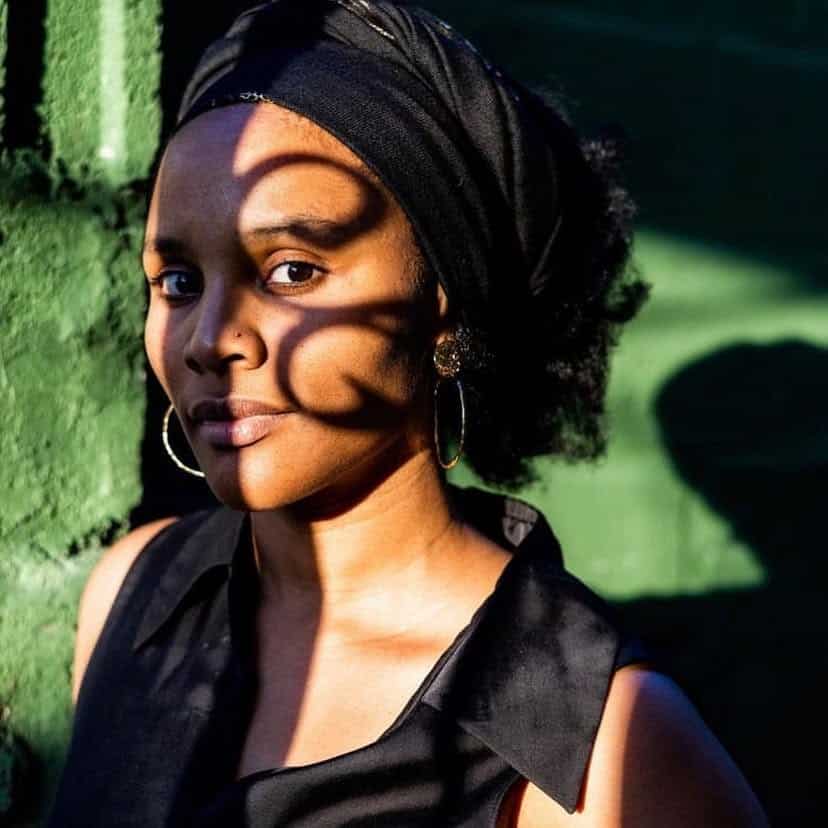
Haitian filmmaker Gessica Généus has just received the Best Film Award at the Villa Medici Festival in Rome for “Marie Madeleine.” This feature film, shot in Creole and set in Jacmel, opens in France on October 21. The award, which includes a 5,000-euro prize and a residency, is the latest achievement in a career that has taken her to Cannes and Cabourg. “The film isn’t even a distortion of reality—it is reality.” Gessica Généus made this statement about the brothel in Jacmel where her film is set, in an interview published by the Cannes Film Festival in May. She also says she wants to explore “our relationship as a people with morality, in Haiti.” Four months later, a jury in Rome recognized this perspective with an award. The sixth edition of the Villa Medici Festival took place from September 16 to 20, 2026. The jury consisted of actress and director
