In Portobelo, Panama, the drums tell a story of resistance

Stone sentry box and cannon facing Portobelo Bay, Panama

In Portobelo, on Panama’s Caribbean coast, the former Spanish customs house now houses a museum dedicated to Afro-descendant heritage. The building serves as a reminder of a trade that enriched the Spanish Empire and was also built on slavery. This history provides insight into the Congo culture, which is still practiced in the region. Built in 1630 for major colonial trade fairs, the customs house reopened in 2023 after restoration. Its museum showcases the history of Afro-descendant communities and their traditions. UNESCO notes that 90% of the workforce employed for the restoration work came from Portobelo and the province of Colón.

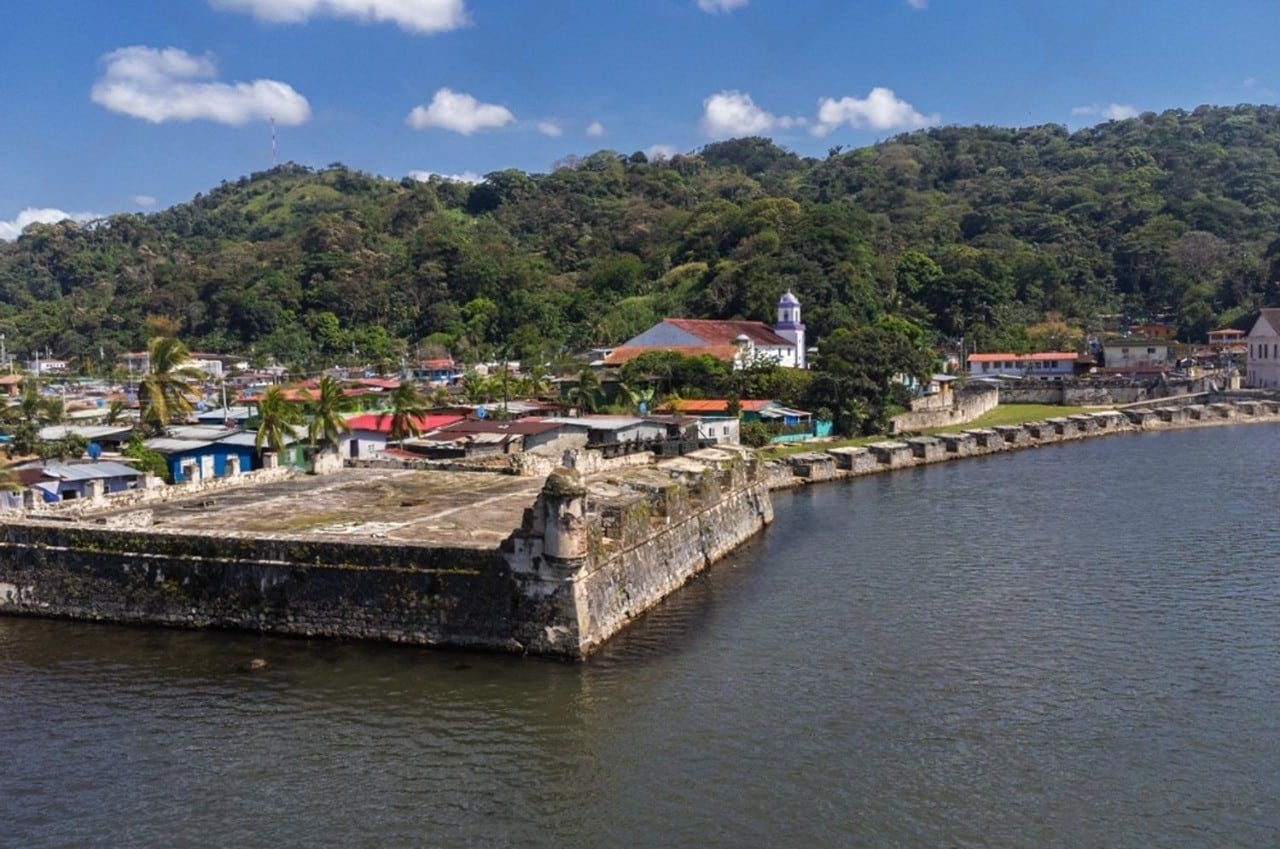
Aerial view of Portobelo, its fort and houses along the bay, Panama
Portobelo from above: a Spanish fort on the bay and a village nestled against the hills.

Portobelo, a strategic port of the Spanish Empire

On March 20, 1597, the Spanish founded San Felipe de Portobelo to replace Nombre de Dios as a transit port. Gold and silver mined in the American colonies crossed the isthmus from the Pacific before being shipped on to Europe. The city became one of the major centers of Spanish trade in the Caribbean. Its trade fairs attracted merchants. The land and river routes connecting the two oceans took on strategic importance.

The Camino Real crosses the isthmus by land. Another route follows the Chagres River and the Las Cruces trail. These routes facilitate trade between the two coasts. The Crown had forts built around the bay and in San Lorenzo, near the Chagres River, to protect this trade route. These fortifications have been listed as a UNESCO World Heritage Site since 1980.

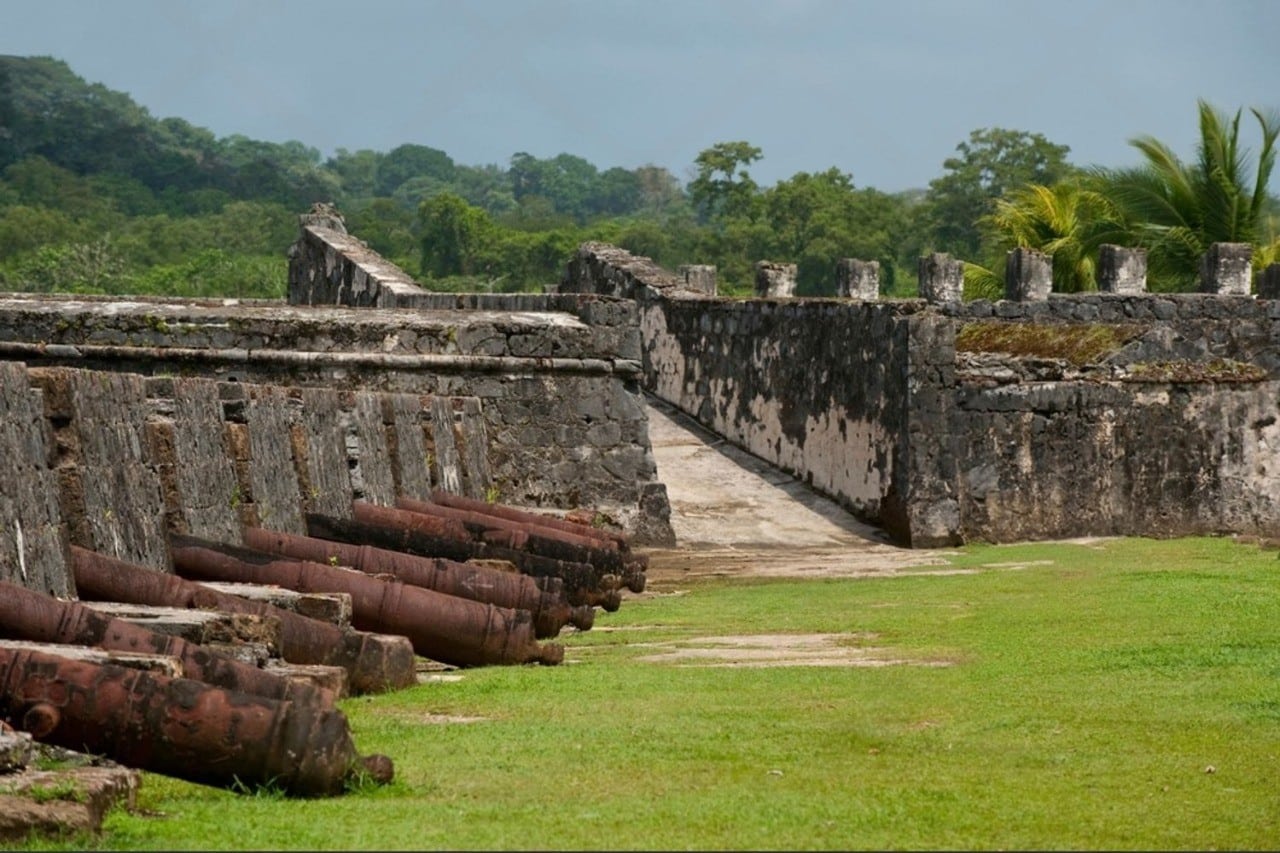
Rusty cannons lined up on a stone rampart of a Portobelo fort, Panama
Rusty cannons lined up on the ramparts of a Portobelo fort.
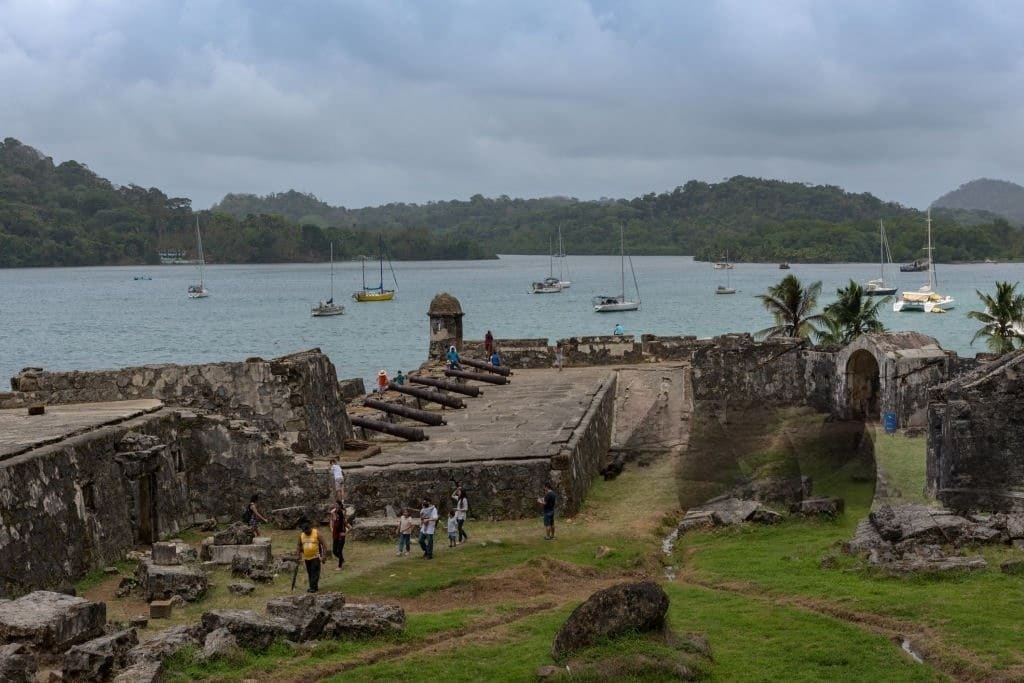
Visitors and sailboats near the cannons of the Portobelo fort, Panama
The fort’s cannons overlook Portobelo Bay, now an anchorage for sailboats.

Slavery and Maroon Communities Even Before the Port Was Founded

Portobelo also played a role in the slave trade. Africans were forcibly brought there. Their history, and that of their descendants, is part of the city’s past. Resistance even predates the founding of Portobelo. According to historian Robert Schwaller, enslaved Africans escaped and established autonomous communities on the isthmus between 1520 and 1580. These maroons defended their refuges and sometimes attacked Spanish interests.

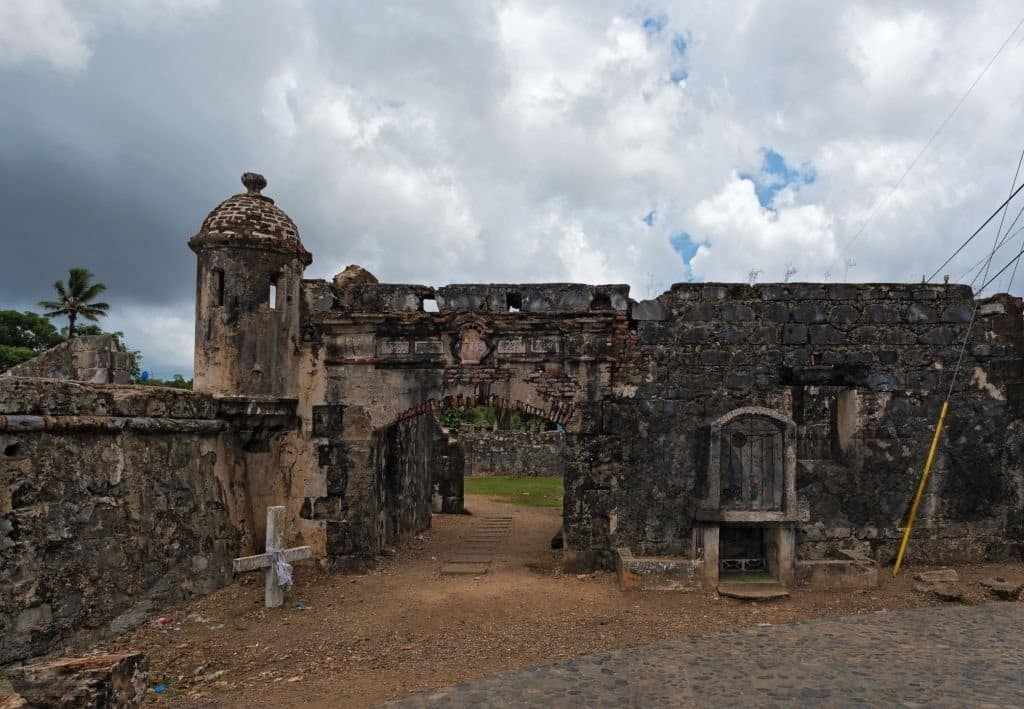
Stone gate of a Spanish fortification in Portobelo under a stormy sky, Panama
A colonial fortification gate in Portobelo, a witness to the history of slavery and resistance.

Faced with this resistance, the Spanish eventually negotiated with certain communities. Villages of free Black people were founded, even though their inhabitants remained under colonial authority. Historian Marta Hidalgo Pérez has studied the “Black people of Portobelo” and Santiago del Príncipe, a settlement linked to marronage. Her research sheds light on this long-overlooked history. Today’s congo dances do not precisely reenact these events. They do, however, preserve a memory of slavery, escape, and freedom.

From the Diablos to the Congos: A Story Told Through Acting and Dance

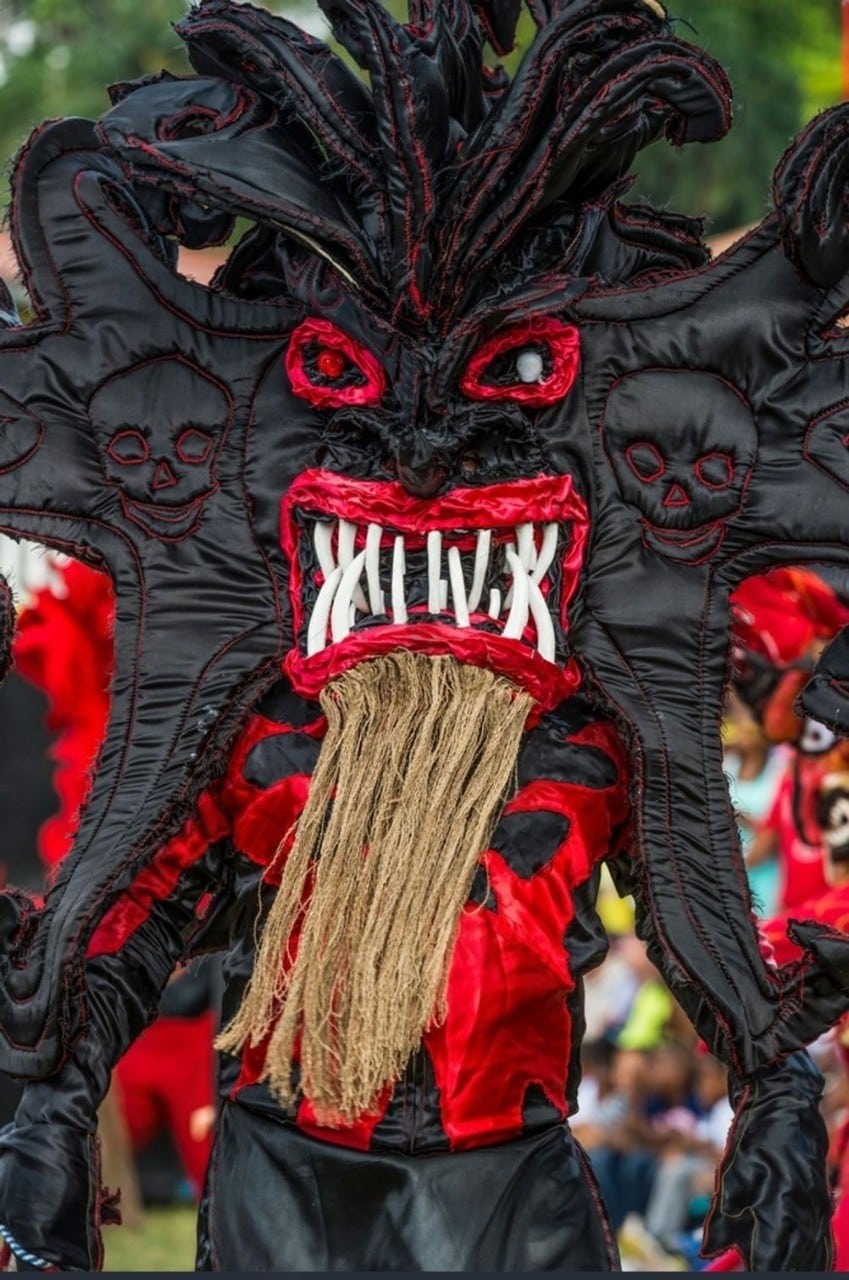
During the festivities, the diablos—masked figures—chase the congos. They represent the oppressors, associated with the figure of the slave owner. The congos evade them, outwit them, and protect their group, often with humor. The queen symbolically presides over a court. The gathering evokes the palenques, refuges for people who had fled slavery. The Pajarito, or “little bird,” seeks refuge and spreads news of freedom. The Panama Tourism Board describes these roles.

Drums, songs, dance, and improvisation bring this folk theater to life. Former rulers are sometimes ridiculed in these performances. Communities have developed this tradition over generations. The celebration season traditionally runs from January 20 to Ash Wednesday. At the end, the congos and their queen symbolically “baptize” the diablos, according to UNESCO.

Black and red diablo costume at a Congo culture festival in Panama
The masked diablos, characters of the Congo festivals, embody the oppressors.

Women and the Transmission of Congolese Culture

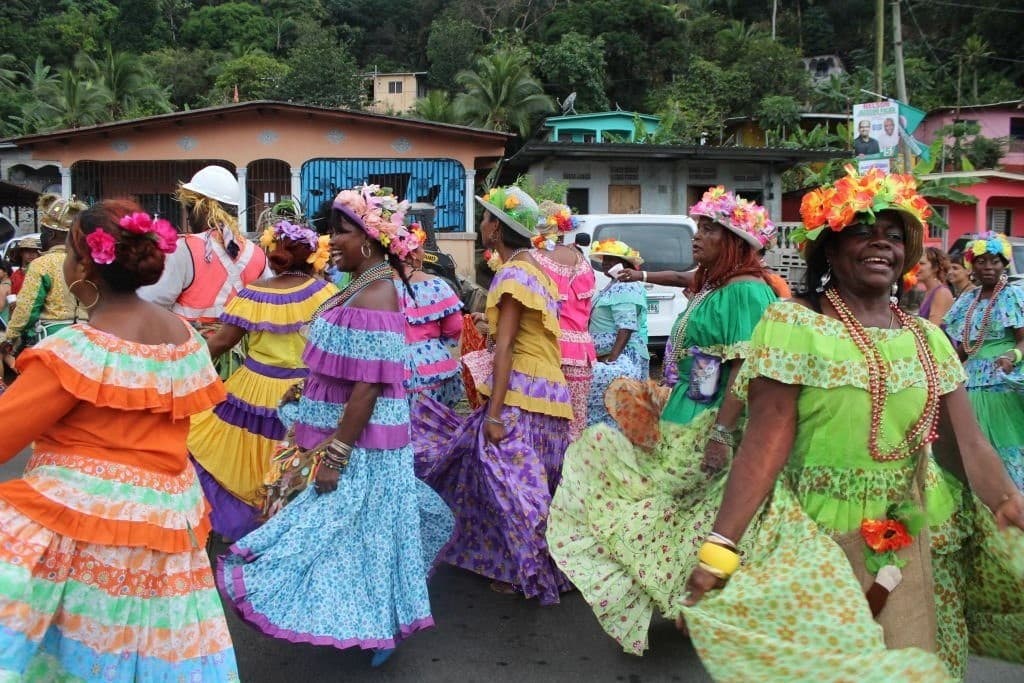
On May 2, 2026, at the Pollera Congo Festival, Portobelo paid tribute to the Congo Queen Catalina by unveiling a portrait of Sandra Eleta. A parade set to the beat of drums made its way across the bay and through the streets, according to the Ministry of Culture. The polleras congos—colorful dresses—as well as the songs and dances, are also passed down through families. In 2024, the festival organizers highlighted the role of Black and Maroon women in preserving these traditions.

Dancers in pollera congo dresses parading at the Pollera Congo Festival in Portobelo, Panama
In Portobelo, colorful polleras congo parade to the rhythm of the drums.

During that year’s festivities, children, teenagers, and adults took part in the parades. The youngest participants are not just spectators. Since 2018, the ritual and festive expressions of the Congo culture have been inscribed on UNESCO’s Intangible Cultural Heritage List. This recognition applies to several communities in Panama. Classes and workshops in singing, music, and dance help ensure their transmission.

This entry also appears in our dossier on the intangible cultural heritage of the Caribbean. In May 2025, the Diablos y Congos Festival hosted 19 diablos groups and 10 congos groups from several Panamanian provinces.

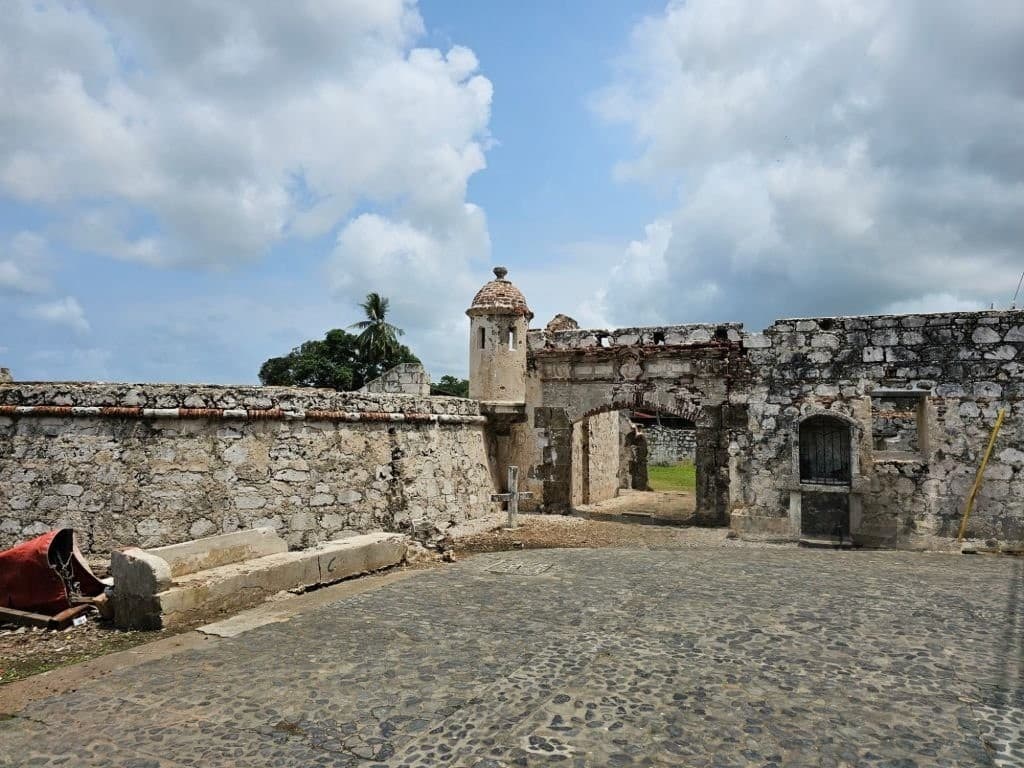
Paved courtyard and gate of a fortification in Portobelo, Panama
In Portobelo, preserving the fortifications is a challenge distinct from preserving the traditions.

In 2026, the fortifications were still on the List of World Heritage in Danger. In Portobelo, preserving monuments and preserving traditions are two distinct challenges. Will the young people who dance today be able to explain tomorrow why the diablos chase the congos?

FAQs About Portobelo and Congolese Culture

Portobelo was a major port for Spanish colonial trade on Panama’s Caribbean coast. Its fortifications, along with those of San Lorenzo, have been listed as a UNESCO World Heritage Site since 1980. The city is also an important site for Afro-descendant history and culture.

Through song, drums, masks, and characters, the Congo dances bring to life the memory of slavery and resistance. The diablos, in particular, symbolize oppression, while the congos embody a community that asserts its freedom and protects its queen.

Yes. Since 2018, the ritual and festive expressions of Panama’s Congo culture have been included on the Representative List of the Intangible Cultural Heritage of Humanity. This inscription refers to a tradition practiced in several communities, including those in the province of Colón, and is not limited to this city alone.

Leave a Reply

Your email address will not be published. Required fields are marked *

More articles from RK

conTACT RK

we'd love to have your feedback on your experience so far

Join The List

Join our Richès Karayib community!  Sign up for our newsletter.

Want To Maximize Your Business Presence On Riches Karayib?

Complete the form to start the application