Cartagena: The Fiestas de Independencia Are Designated as National Cultural Heritage

Official handover of the resolution designating the Fiestas de Independencia as national intangible cultural heritage, in Cartagena

In Cartagena, Colombia, the Fiestas de Independencia celebrated on November 11 are now part of the country’s intangible cultural heritage. On November 11, 2026, marking the 215th anniversary of the city’s independence, the Colombian Ministry of Culture issued the resolution formalizing this designation. This marks a decisive milestone for a festival that, for more than two centuries, has kept alive the memory of the struggles for freedom and the heritage of the working-class neighborhoods.

Fiestas de Independencia: A Recognition Built Over Time

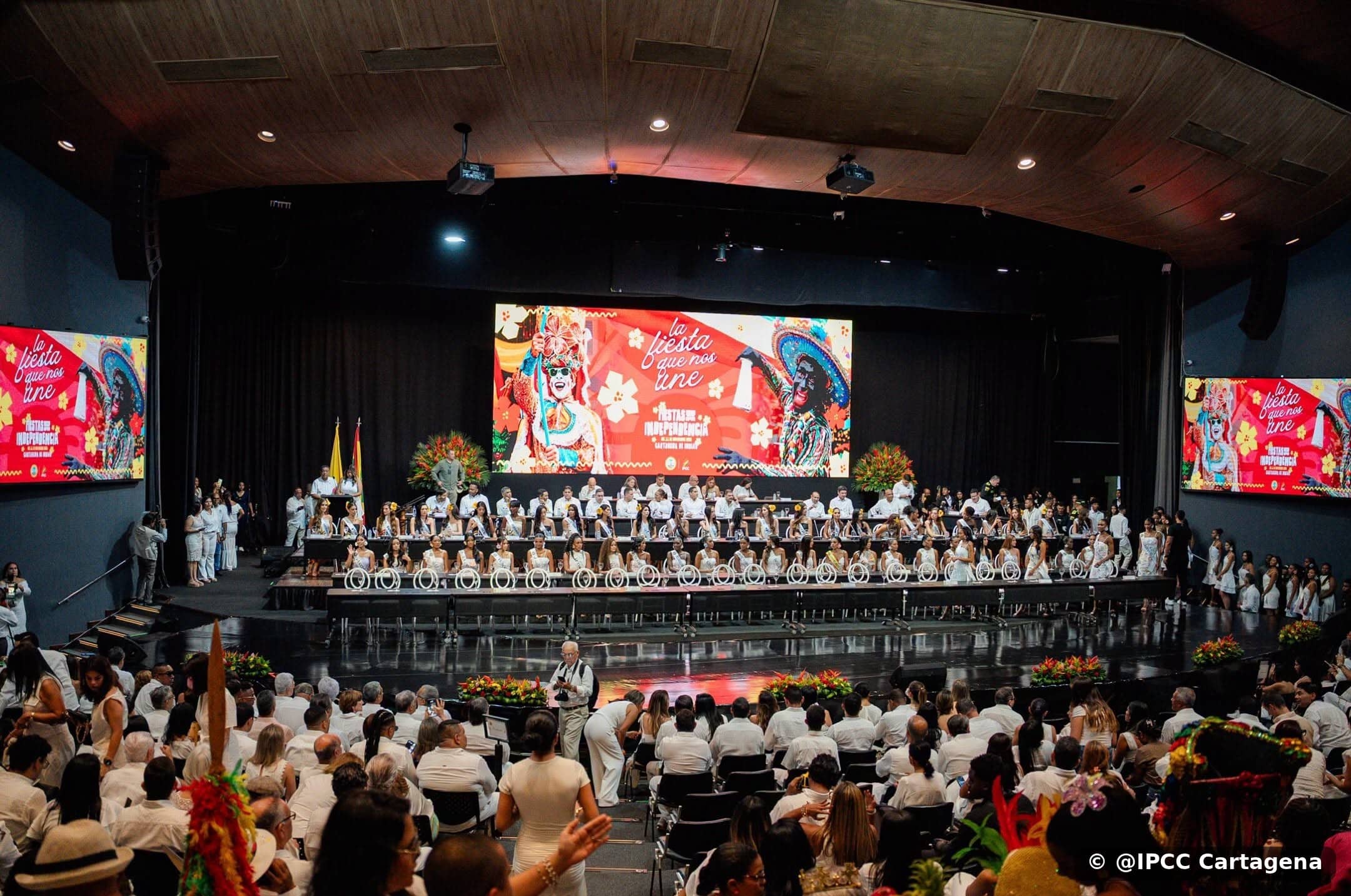
On November 11, 2026, at the Cartagena Convention Center, Deputy Minister Aglaé Caraballo Mercado presented Resolution No. 0668 of 2026 to city representatives. This resolution inscribes the Fiestas de Independencia on Colombia’s Representative List of Intangible Cultural Heritage. This ceremony marks the culmination of efforts begun in 2009 by the Instituto de Patrimonio y Cultura de Cartagena (IPCC) and the Committee for the Revitalization of the Festivals. Artists, organizations, and residents participated in documenting the traditions and preparing measures to protect them.

Hall of the Cartagena Convention Center during the Fiestas de Independencia ceremony, with Reinado Popular candidates and guests
View of the Convention Center hall during the ceremony © @IPCC Cartagena

A decisive step had already been taken on July 17, 2026: the National Council for Cultural Heritage had issued a favorable opinion on the listing and approved the Special Preservation Plan. The November submission marks the public formalization of this process, not its starting point.

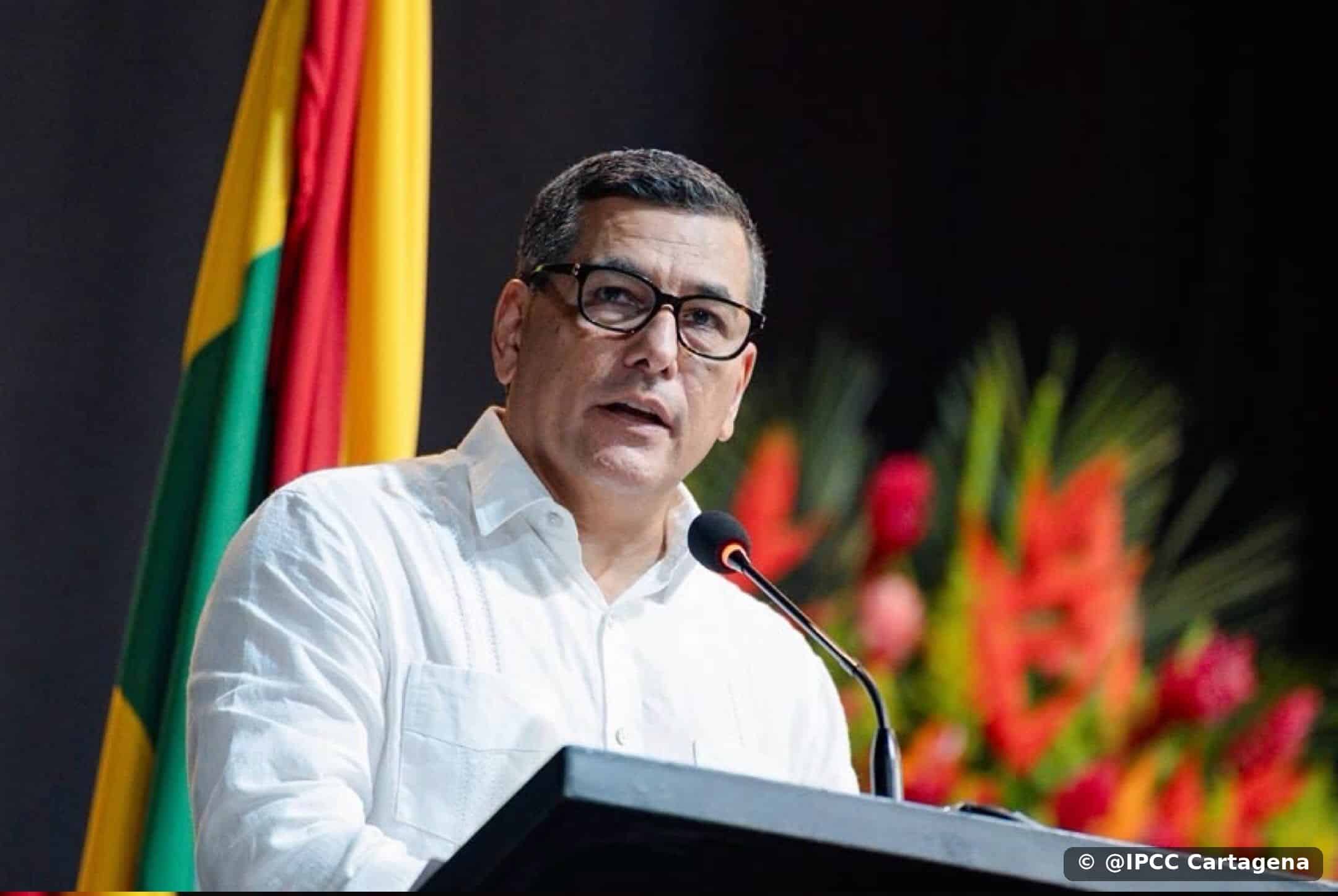
Speaker at the podium during the ceremony at the Cartagena Convention Center
Speech during the November 11 ceremony at the Cartagena Convention Center © @IPCC Cartagena

On November 11, 1811, independence was also championed by the working-class neighborhoods

The story begins on November 11, 1811, when Cartagena proclaimed its complete independence from the Spanish Crown. This break came amid a broader movement challenging the colonial order in the Americas. The Getsemaní neighborhood played a major role in this. Pedro Romero, a craftsman who became one of the leaders of the movement, and the Lanceros de Getsemaní helped build pressure for an unambiguous break with Spain. Cartagena’s independence, therefore, was not merely a decision made by the elites; it was also the result of the actions of the city’s residents, artisans, and people of African descent.

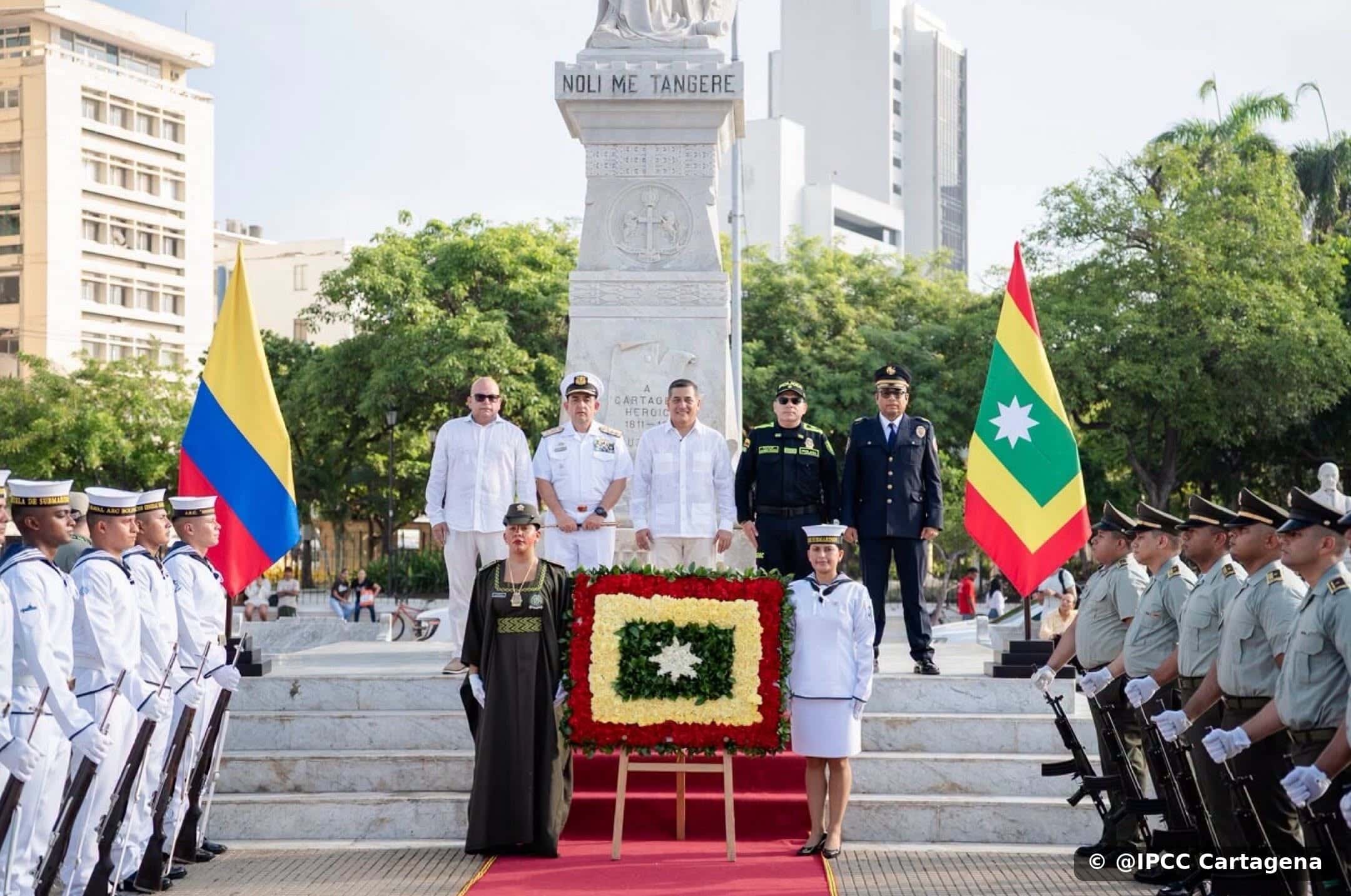
Tribute in front of the Noli me tangere monument in Cartagena, with a wreath in the city’s flag colors and honor guards
Official tribute in front of the Noli me tangere monument, in Cartagena © @IPCC Cartagena

Commemorations began the very next year. Over time, civic ceremonies and popular celebrations blended together, eventually giving rise to a festive tradition deeply rooted in the life of the city.

Drums, parades, and a vibrant Afro-Caribbean heritage

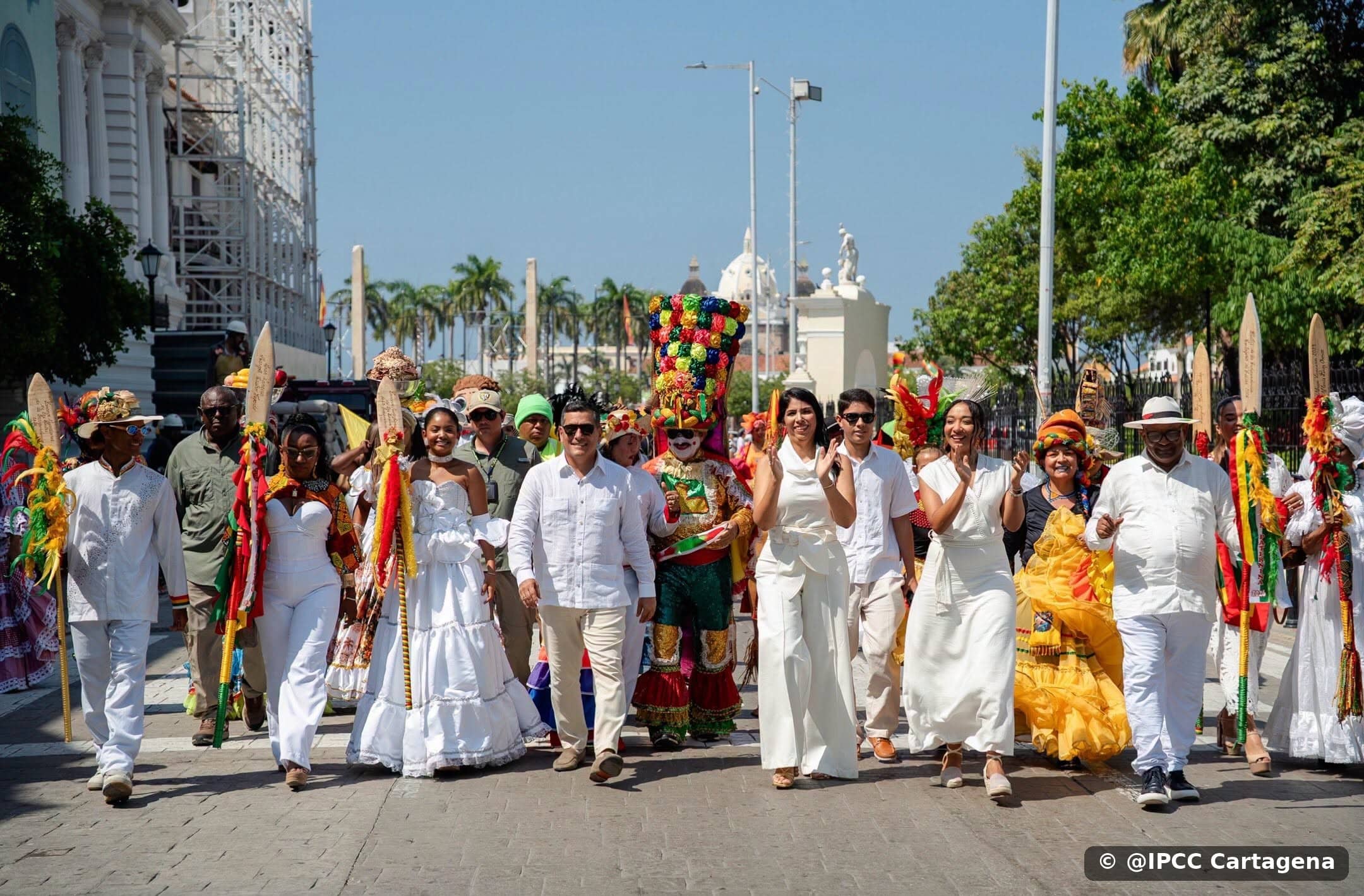
During the Fiestas de Independencia, the streets come alive to the rhythm of comparsas, parades, dances, and music. Cumbia, mapalé, and other expressions of the Colombian Caribbean evoke the cultural encounters that have shaped Cartagena. The cabildos, linked to the history of African and Afro-descendant communities, are part of this legacy. The Grandes Lanceros pay tribute to the heroes of independence, while the Reinado Popular gives neighborhoods and their representatives a prominent place.

Parade of comparsas and costumed figures in the streets of Cartagena’s historic center during the Fiestas de Independencia
Festive parade in Cartagena’s historic center © @IPCC Cartagena

These festivities are not a static spectacle for visitors. Seamstresses make the costumes, musicians pass down their repertoires, artisans prepare the floats, and community groups organize the gatherings. The value of this cultural heritage lies precisely in these traditions and skills, which are passed down from one generation to the next.

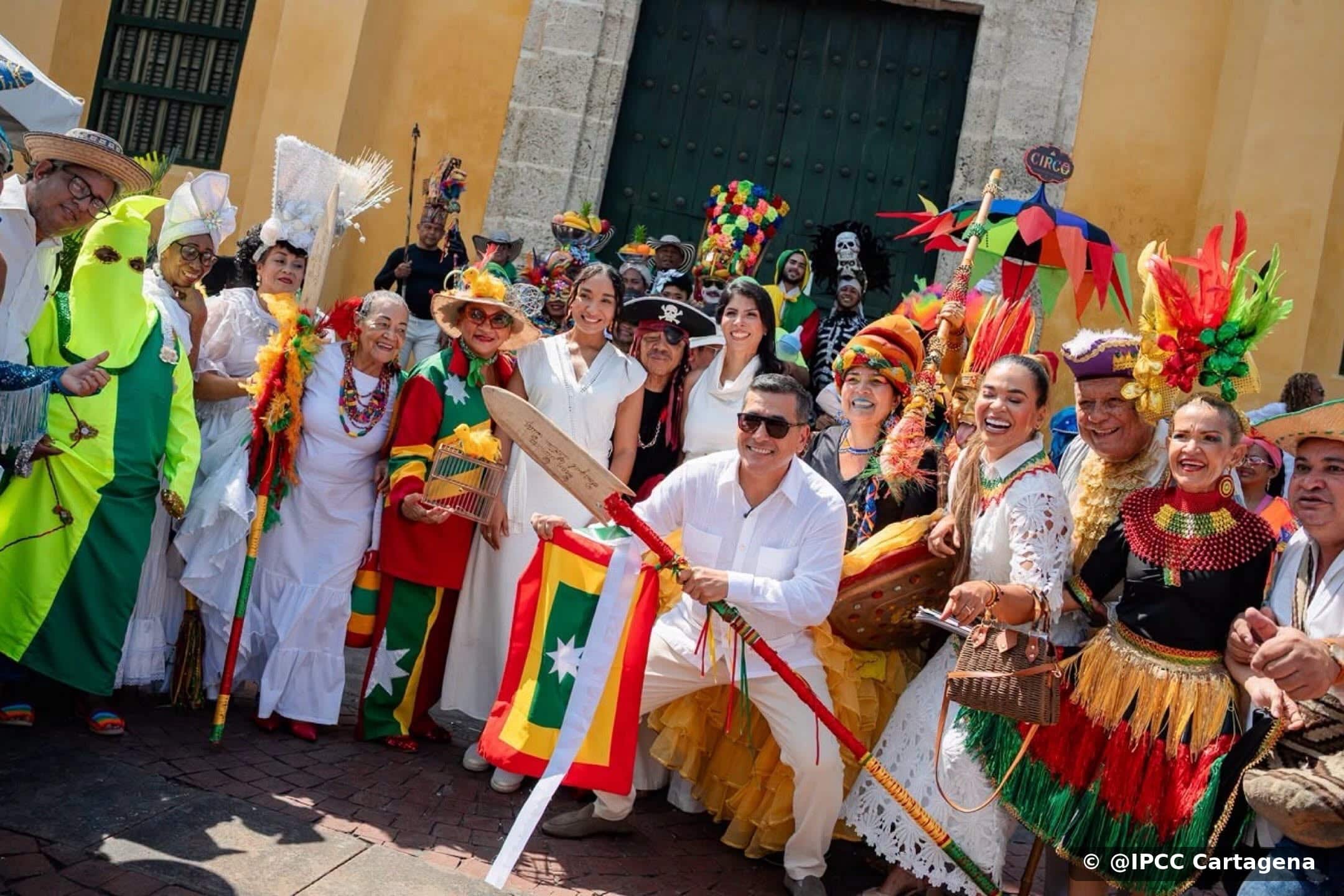
Group of participants in traditional costumes holding lances in front of a yellow colonial building in Cartagena
Participants in traditional costumes during the celebrations in Cartagena © @IPCC Cartagena

National recognition, but above all, commitments to fulfill

This recognition is accompanied by a Special Preservation Plan, developed in collaboration with the communities that bring these festivals to life. It addresses several concerns: the decline of certain traditional skills, funding challenges, and the need to better pass on local history. Projects include a “Festival School,” CarrozaLab—a workshop for creating festival floats—and educational programs focused on history and the festivals. The program also provides support for documentation and cultural initiatives.

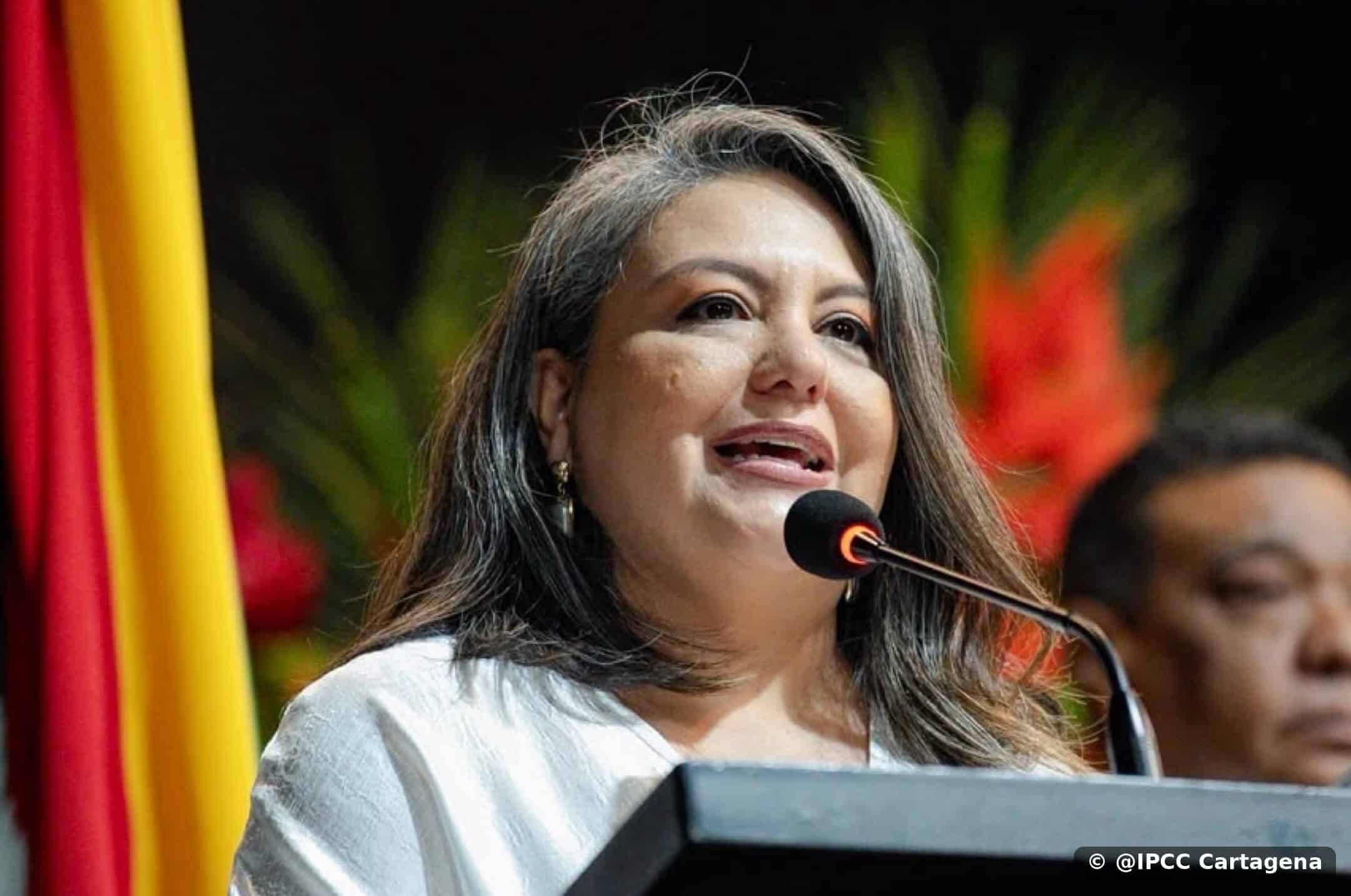
Woman speaking at the microphone during the heritage ceremony in Cartagena, in front of a yellow and red flag
Speech during the ceremony recognizing the national heritage © @IPCC Cartagena

The planned investment exceeds 9.53 billion Colombian pesos over the first five years. This amount represents a projection under the plan, not a sum that has already been spent. The real challenge will be to ensure that this recognition translates into sustainable resources for the bearers of these traditions. Protecting living heritage means enabling those who create it to continue practicing and passing it on.

"La Fantástica": Carlos Vives Brings Cartagena to Life on Screen

On that same November 11, Carlos Vives unveiled the first official music video for “La Fantástica,” thirteen years after the song’s release in 2013. Produced as a tribute to Cartagena on the 215th anniversary of its independence, it extends the celebration through music. The lyrics pay tribute to figures such as Benkos Biohó, a leader in the resistance against slavery, and Manuel Zapata Olivella, a writer attuned to Colombia’s African heritage. The song thus creates a dialogue between the city of today and the figures who have shaped its history.

The coincidence between the music video and the adoption of the resolution takes on its full meaning: on one hand, institutional protection; on the other, a popular tribute that keeps this memory alive beyond Cartagena. November 11 serves as a reminder that independence remains a story the city continues to tell, sing, and share.

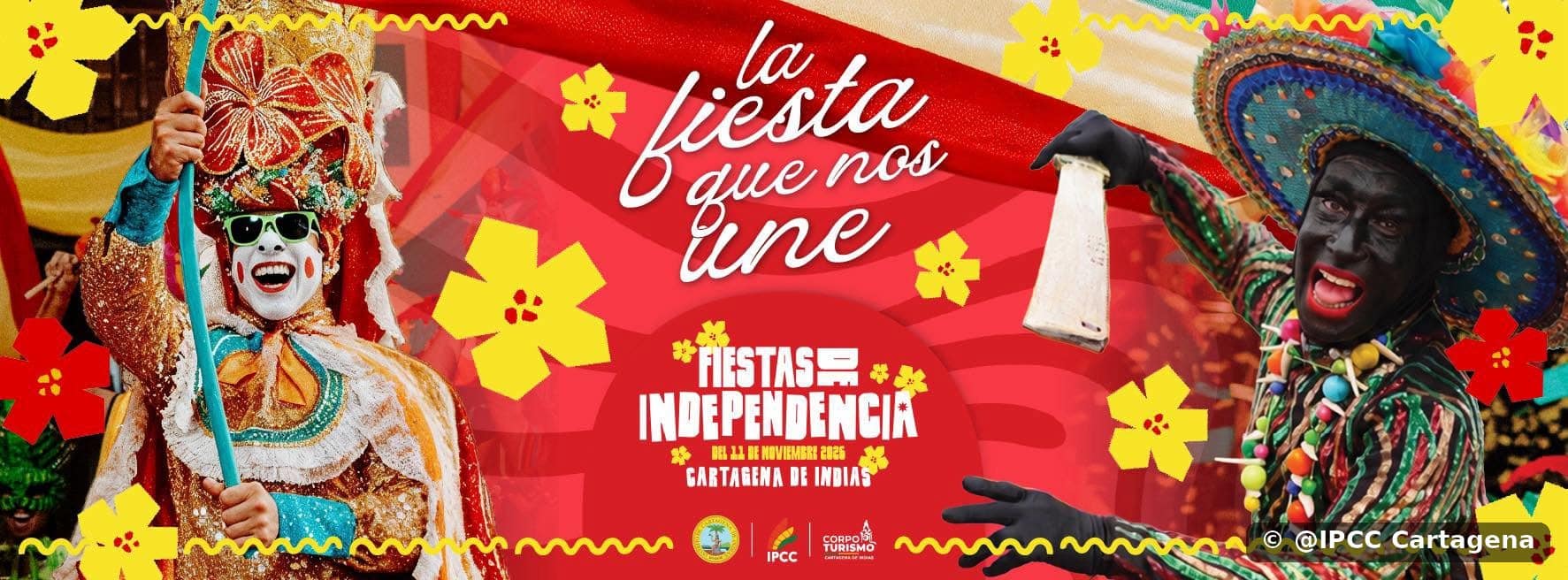
Official poster of the Fiestas de Independencia 2026 in Cartagena de Indias, with the slogan “La fiesta que nos une”
Fiestas de Independencia 2026 poster: “La fiesta que nos une” © @IPCC Cartagena

Frequently asked questions

The Fiestas de Independencia are the popular and cultural celebrations held in Cartagena, Colombia, around November 11. They commemorate the declaration of independence on November 11, 1811, and feature parades, music, dancing, Afro-Caribbean traditions, and community participation.

They have been recognized for their historical significance, their role in Cartagena’s identity, and the transmission of living cultural practices. Following a favorable recommendation issued in July 2026, Resolution 0668 of 2026 formally designated them as part of the national intangible cultural heritage; it was publicly announced on November 11, 2026.

On November 11, 2026, Carlos Vives released the first official music video for his song “La Fantástica, ” which was released in 2013, to celebrate the 215th anniversary of Cartagena’s independence. The song pays tribute to Benkos Biohó and Manuel Zapata Olivella, two figures closely associated with Colombia’s historical and cultural heritage.

Leave a Reply

Your email address will not be published. Required fields are marked *

More articles from RK

conTACT RK

we'd love to have your feedback on your experience so far

Join The List

Join our Richès Karayib community!  Sign up for our newsletter.

Want To Maximize Your Business Presence On Riches Karayib?

Complete the form to start the application