
Anguilla

Anguilla

Anguilla

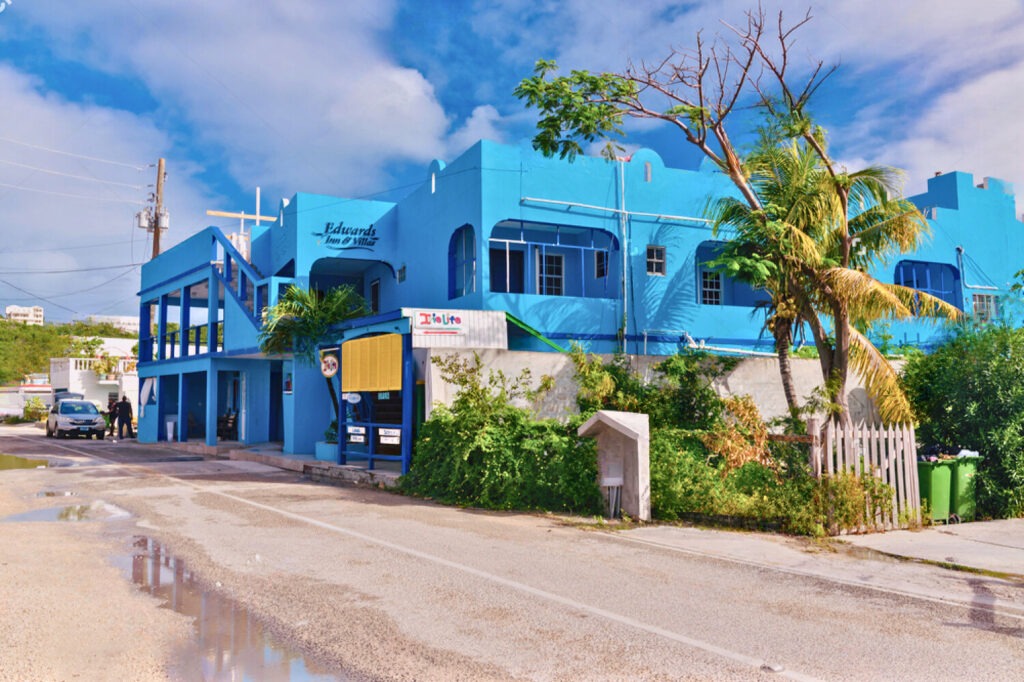
Caribbean paradise of serenity and charm

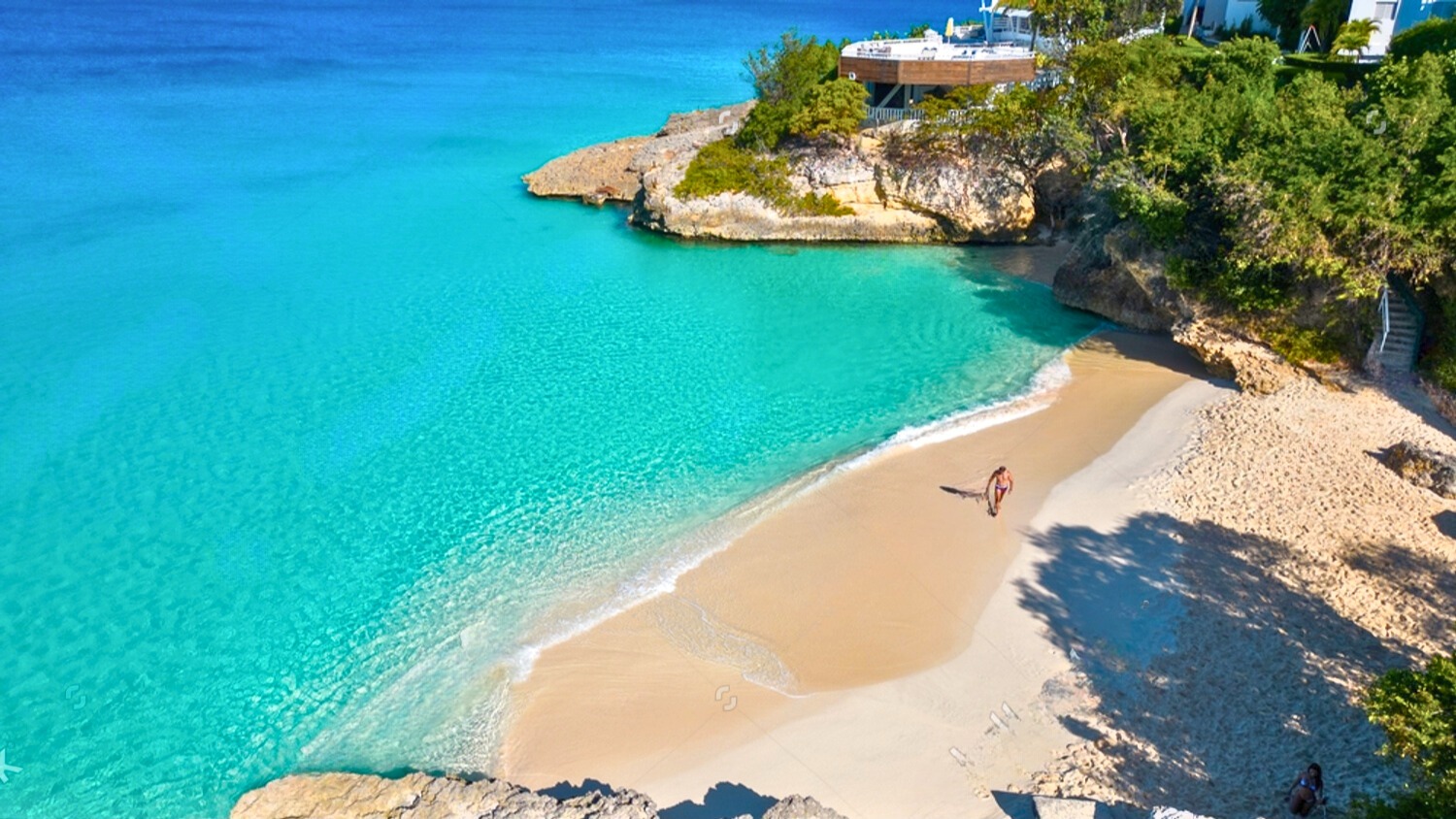
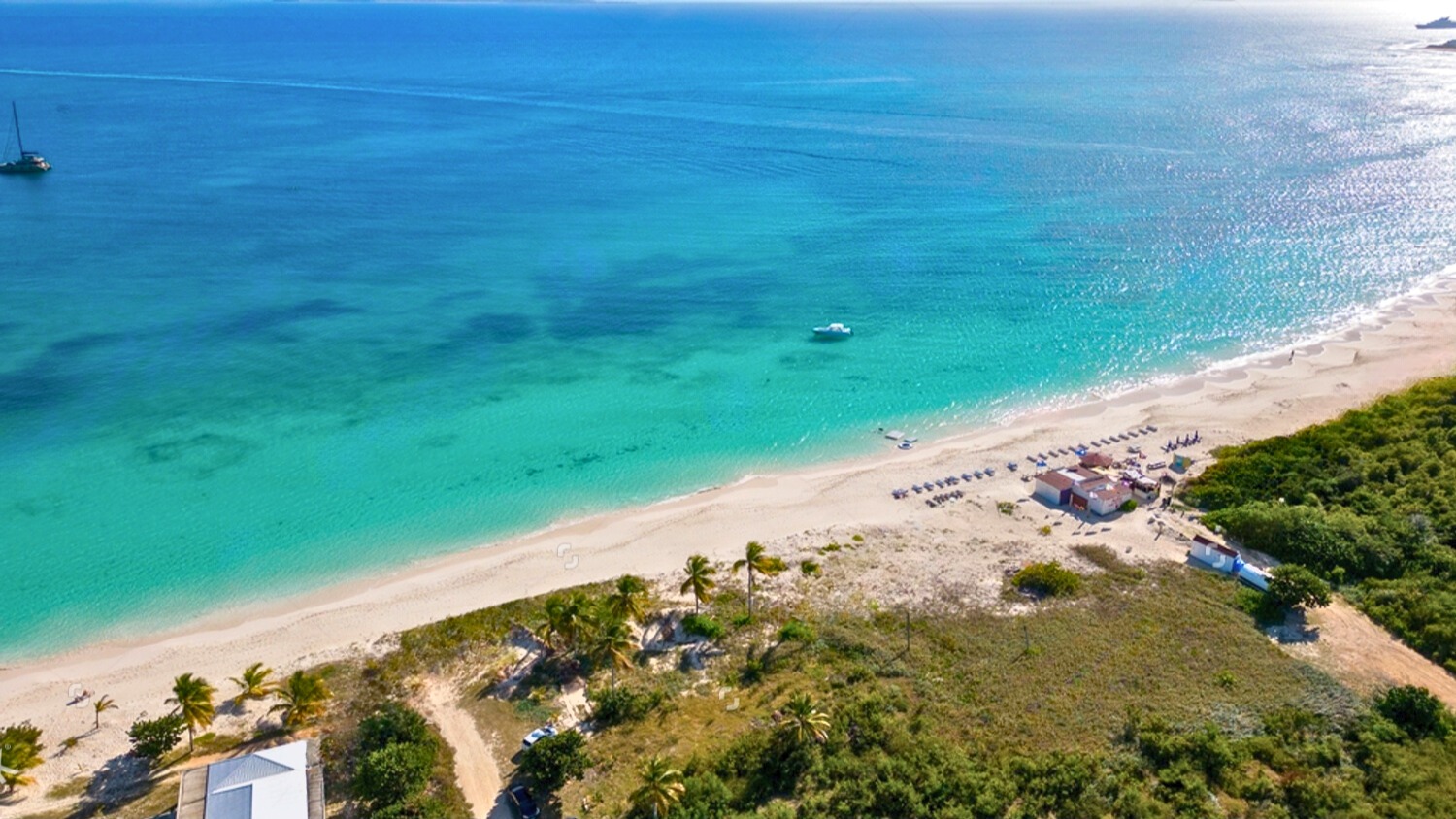
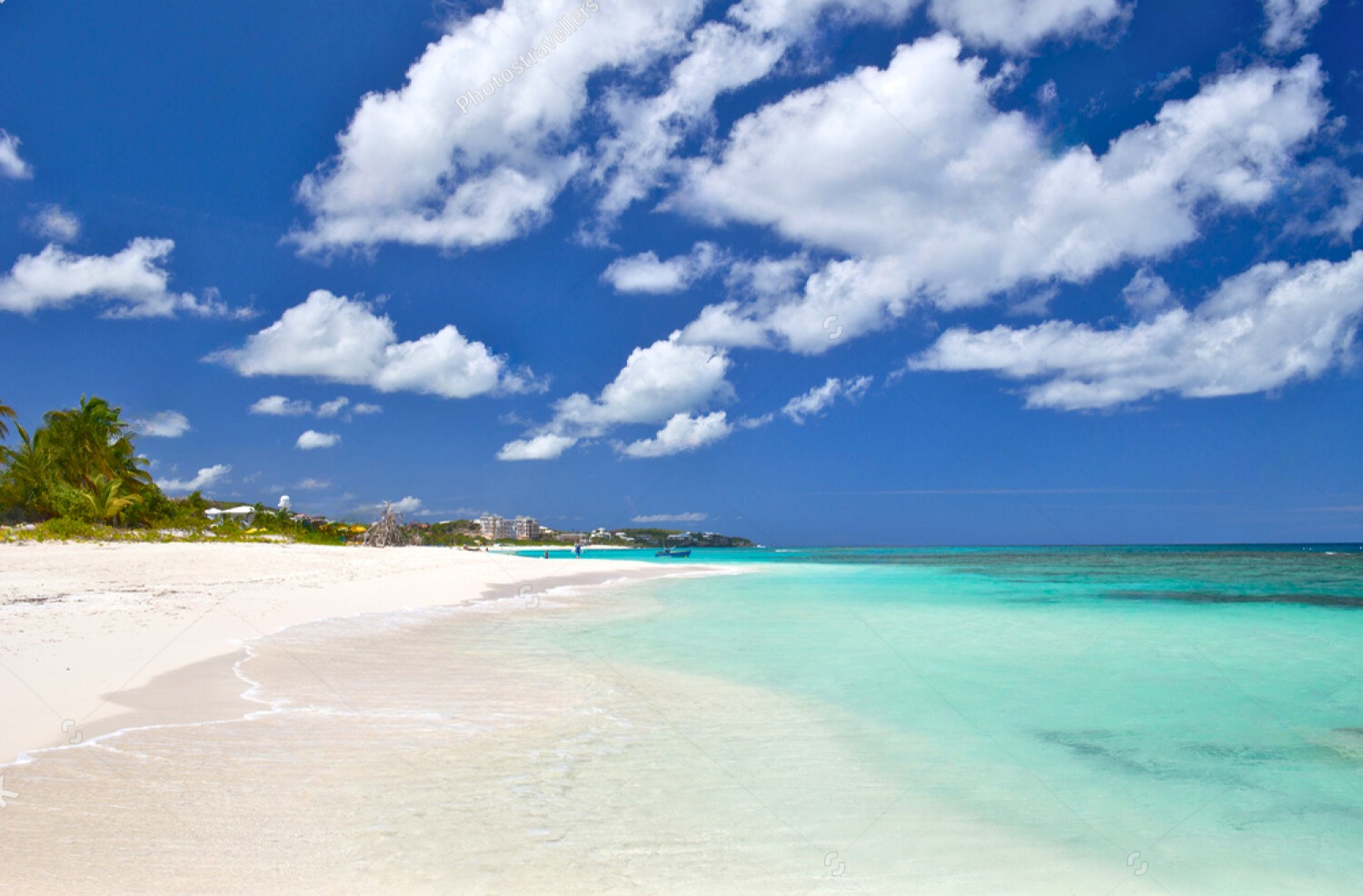
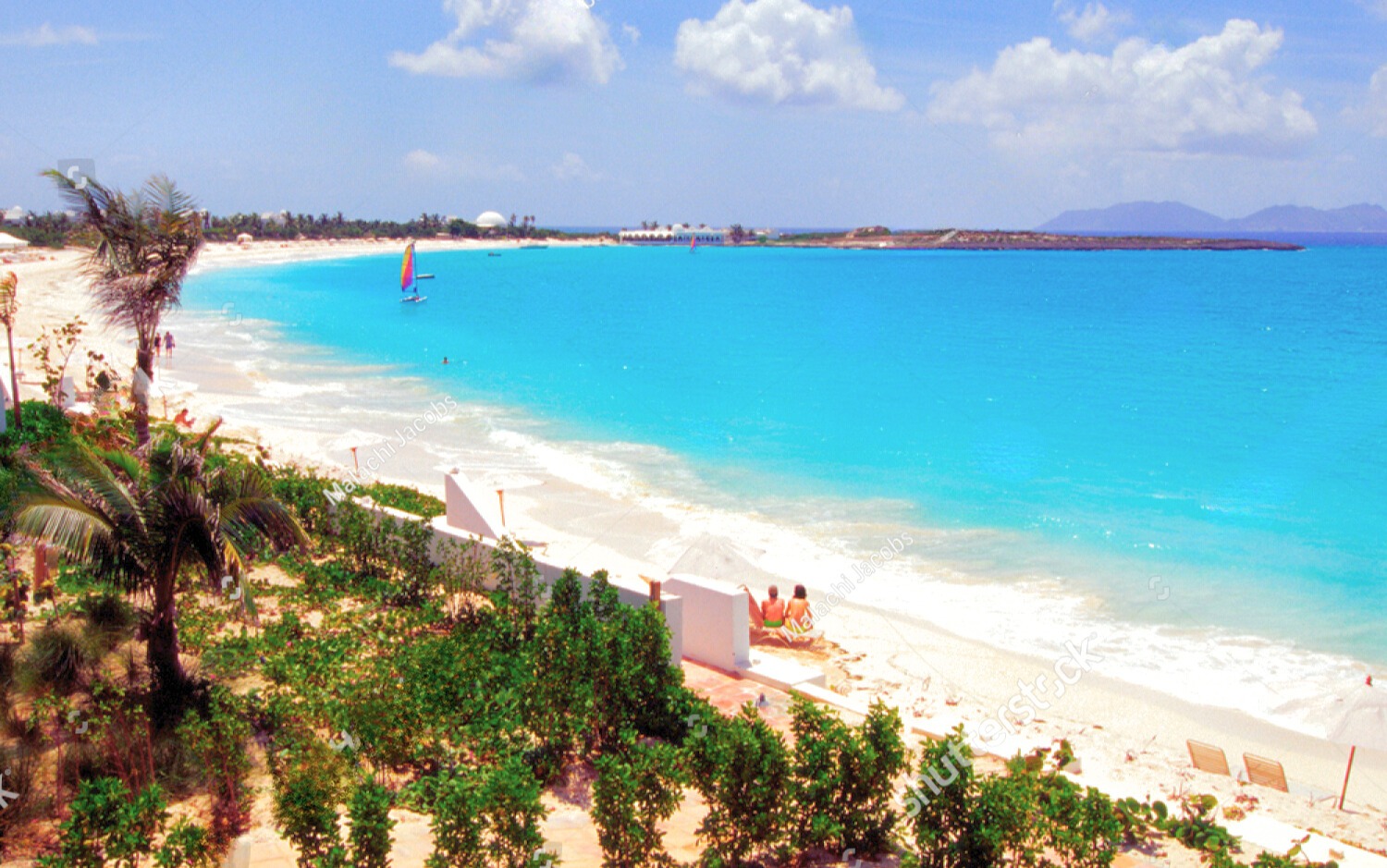
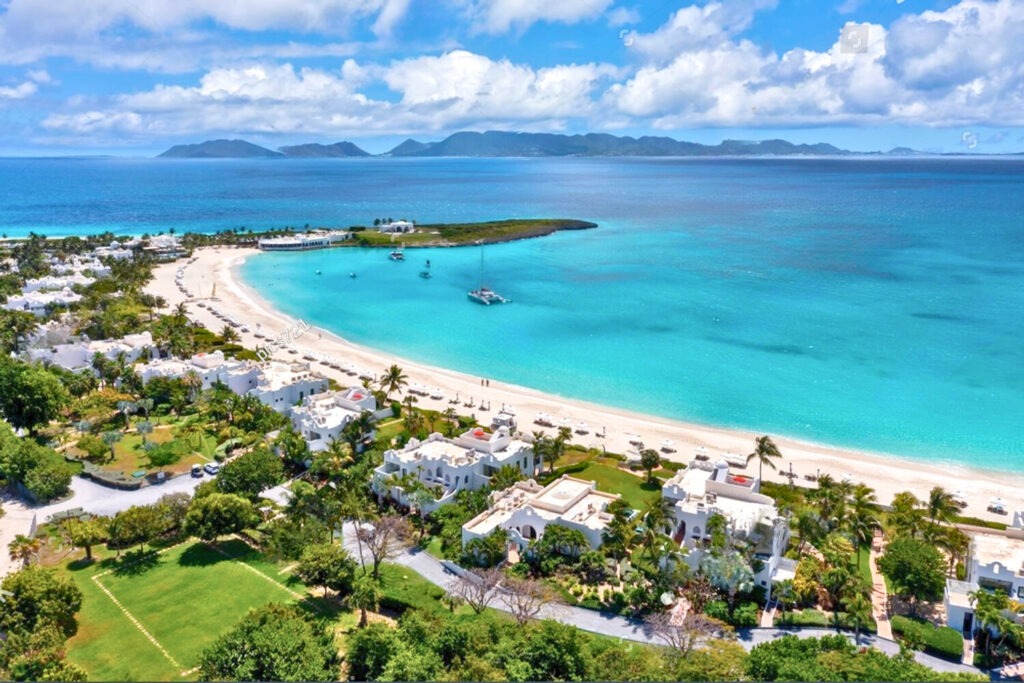
Situated east of Puerto Rico and directly to the north of Saint Martin, Anguilla is a tranquil British Overseas Territory renowned for its stunning beaches and laid-back atmosphere. The island’s capital, The Valley, serves as the administrative center, while the coastlines boast some of the most beautiful beaches in the Caribbean, including Shoal Bay and Meads Bay, making the island a sought-after destination for relaxation and luxury.


Geographic and Geological Overview

A Geographic Snapshot

Anguilla
  • Size: Approximately 91 square kilometers (35 square miles).
  • Capital: The Valley, situated in the central part of the island.
  • Highest Point: Crocus Hill, reaching 65 meters (213 feet).
  • Population: About 15,000 (2022).
  • Vegetation: Predominantly coastal vegetation, including mangroves and cacti, alongside pristine sandy beaches.
  • Water Bodies: Surrounded by the Caribbean Sea with numerous coral reefs and shallow waters.
Anguilla
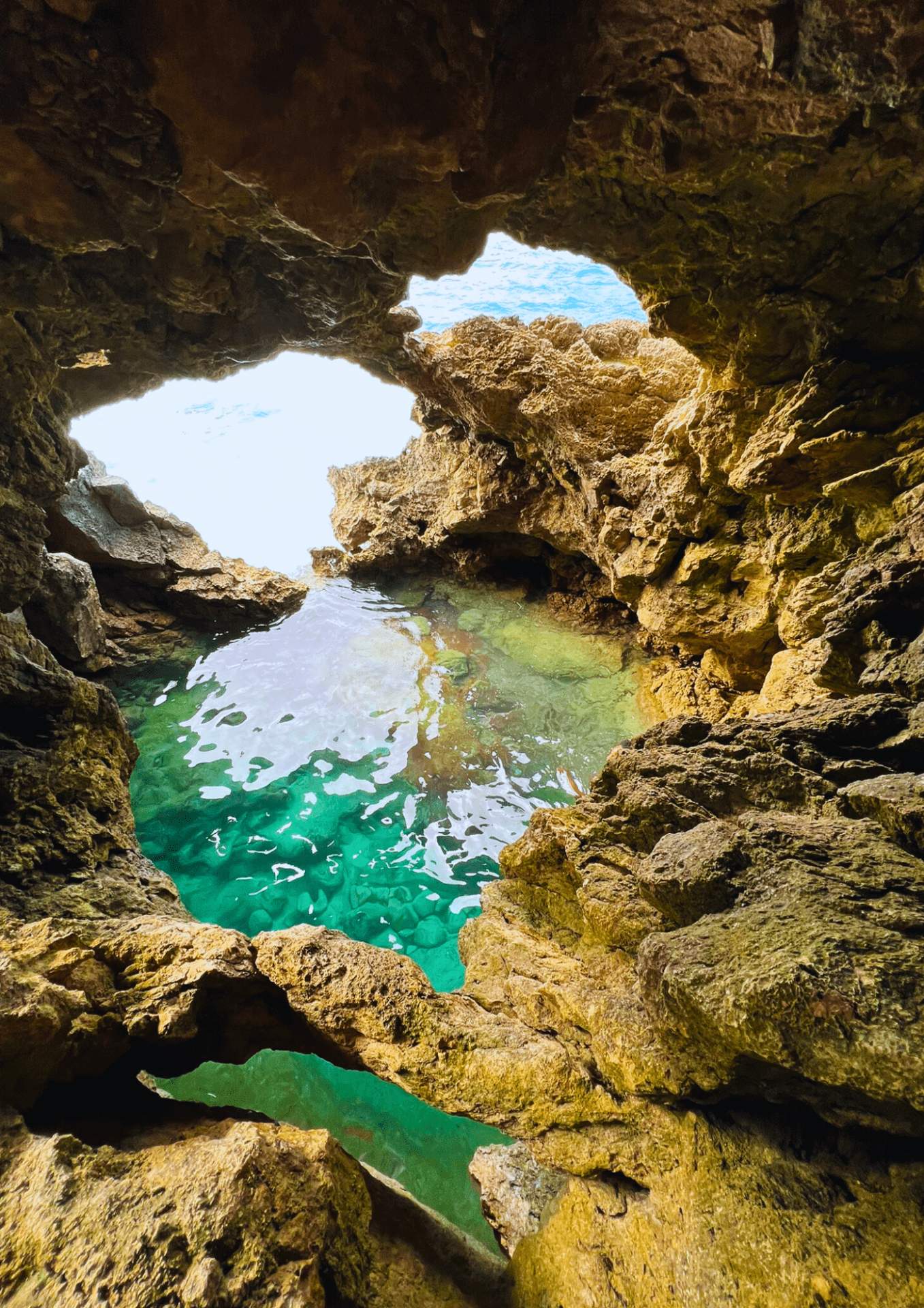
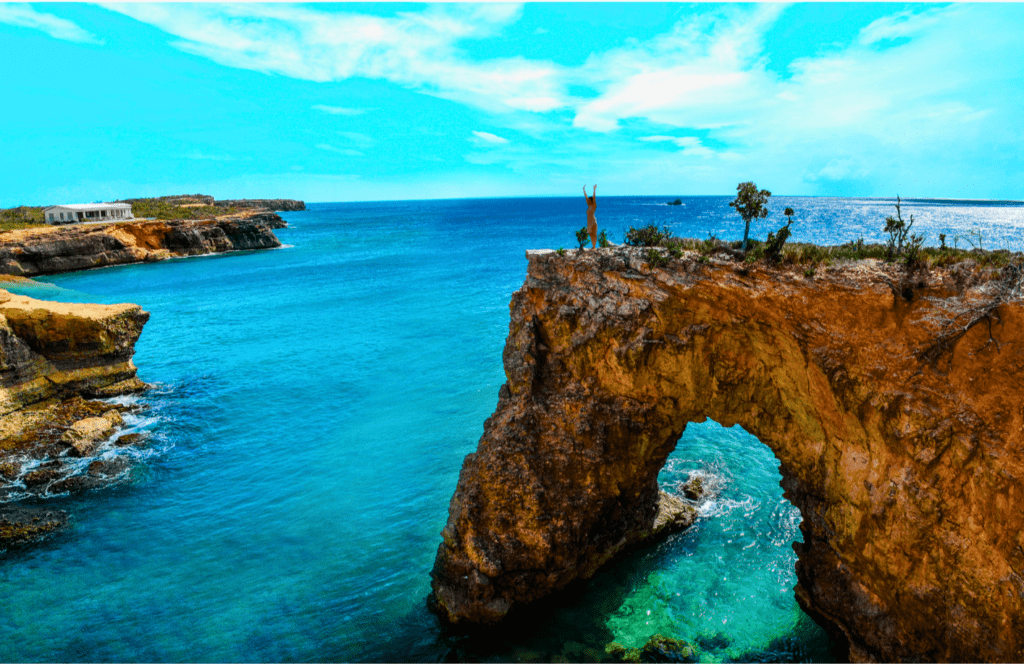
  • Geology: the island is primarily limestone, shaped by both marine and terrestrial processes, with a flat terrain and low elevation.
  • Natural Wonders: The island is famous for its clear turquoise waters, vibrant coral reefs, and marine life, making it a paradise for snorkeling and sailing.

Cultural Landscape

Cultural overview

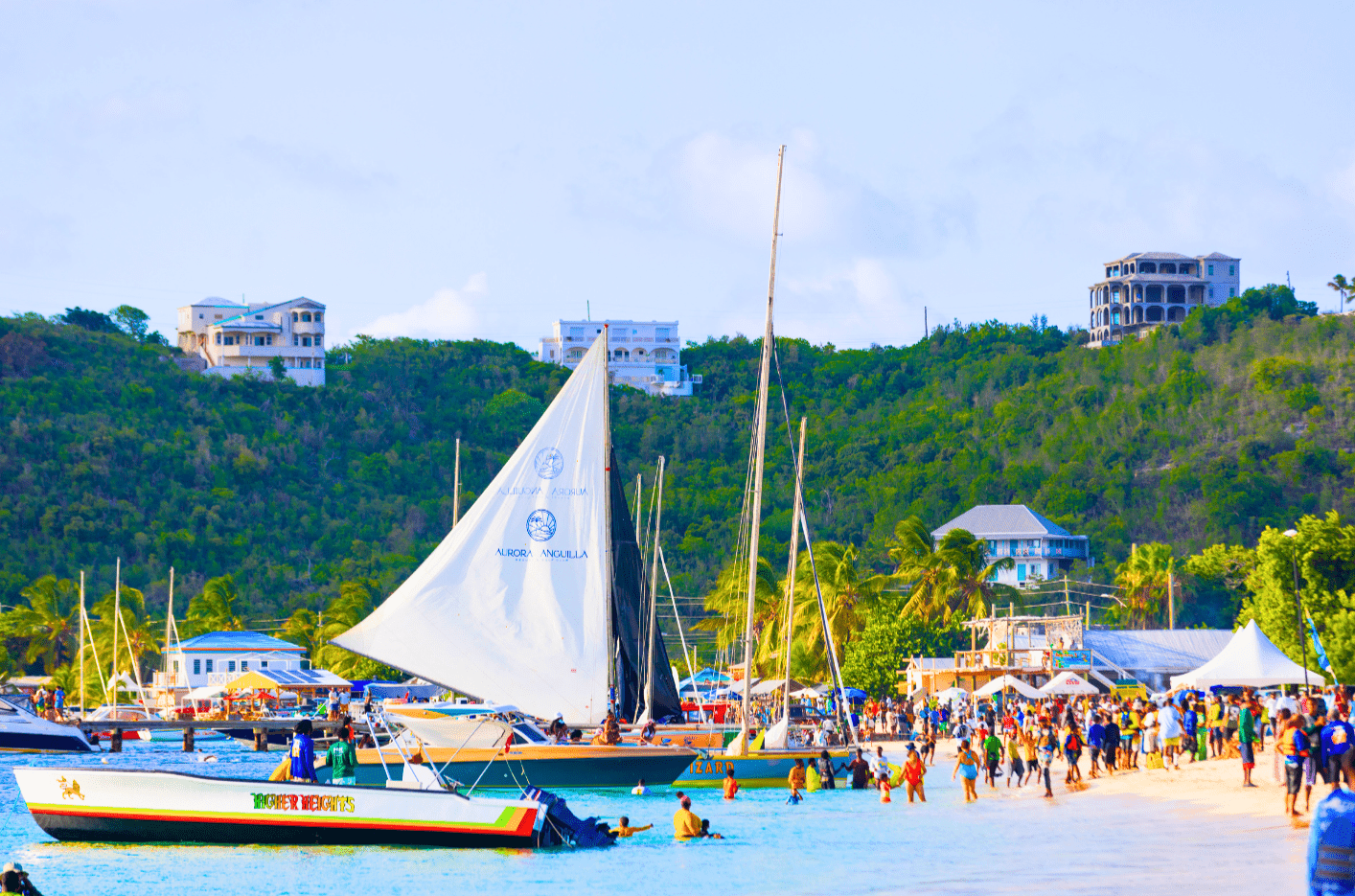
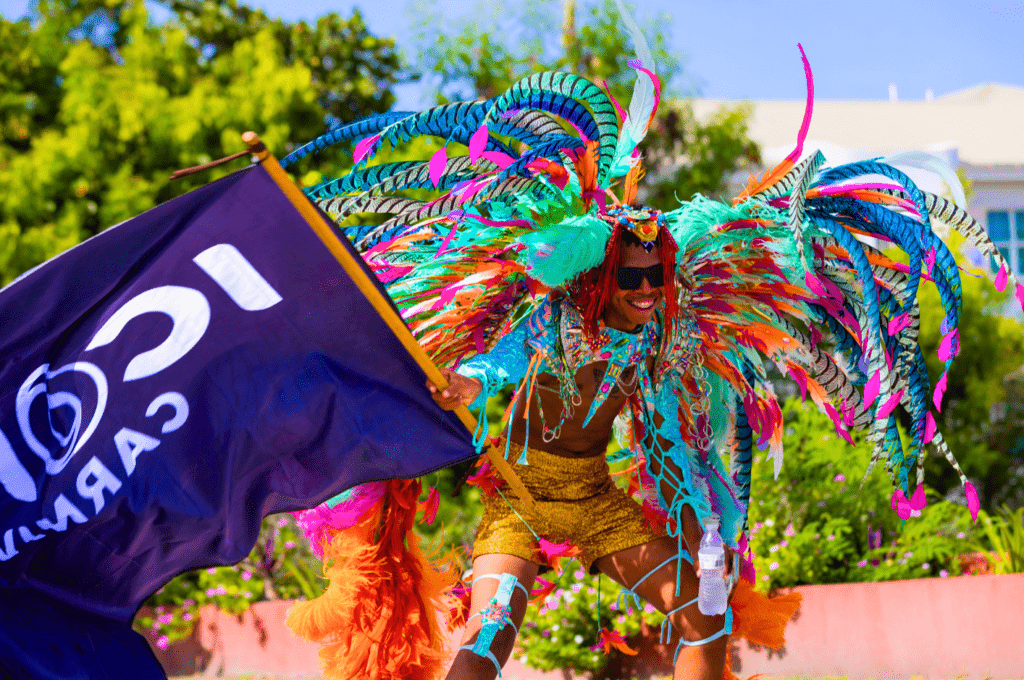
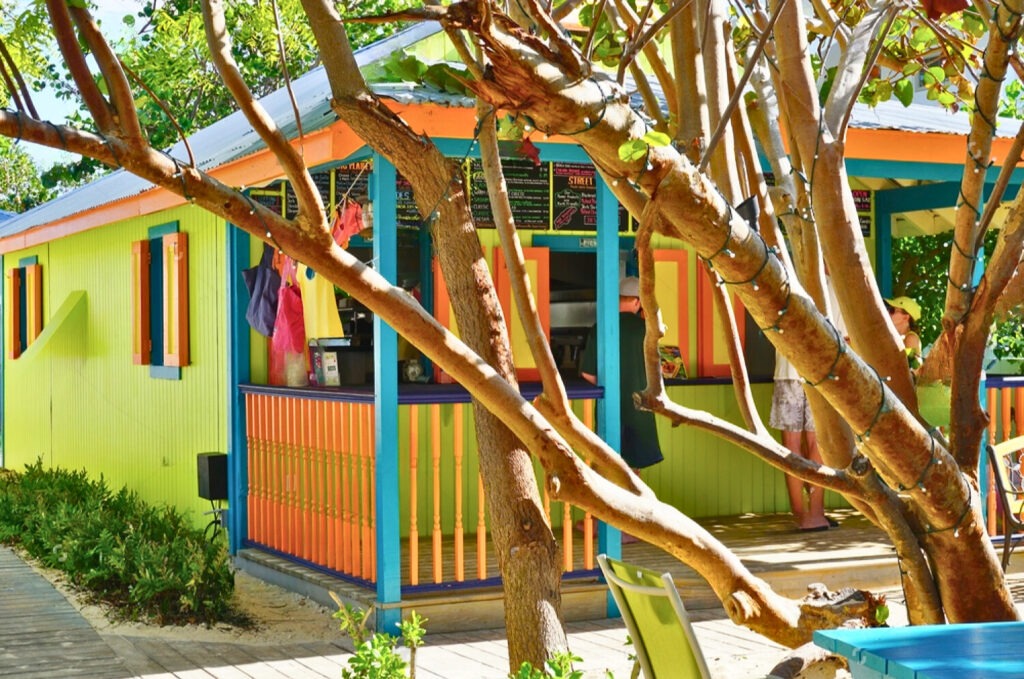
Anguilla‘s culture is a blend of indigenous, African, British, and Caribbean influences, which is reflected in its music, art, and culinary traditions. The island hosts various festivals that celebrate its rich heritage, such as the Anguilla Summer Festival, showcasing local music and dance.

The local language is English, with a distinctive Creole dialect commonly spoken. Anguilla’s motto, “The Land of the Sun,” encapsulates its warm climate and welcoming spirit.

Anguilla

Local Cuisine

Anguilla’s culinary highlights

The cuisine of the island is characterized by fresh seafood and local ingredients, influenced by Caribbean and British culinary traditions. Signature dishes include:

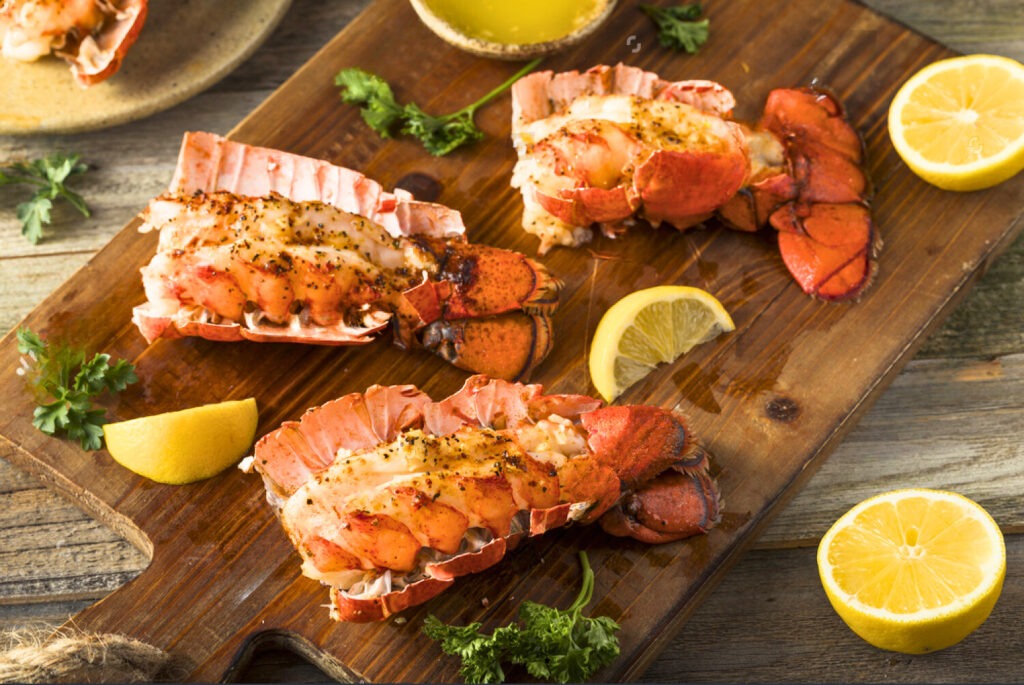
  • Grilled Lobster: A local favorite, often served with garlic butter and lime.
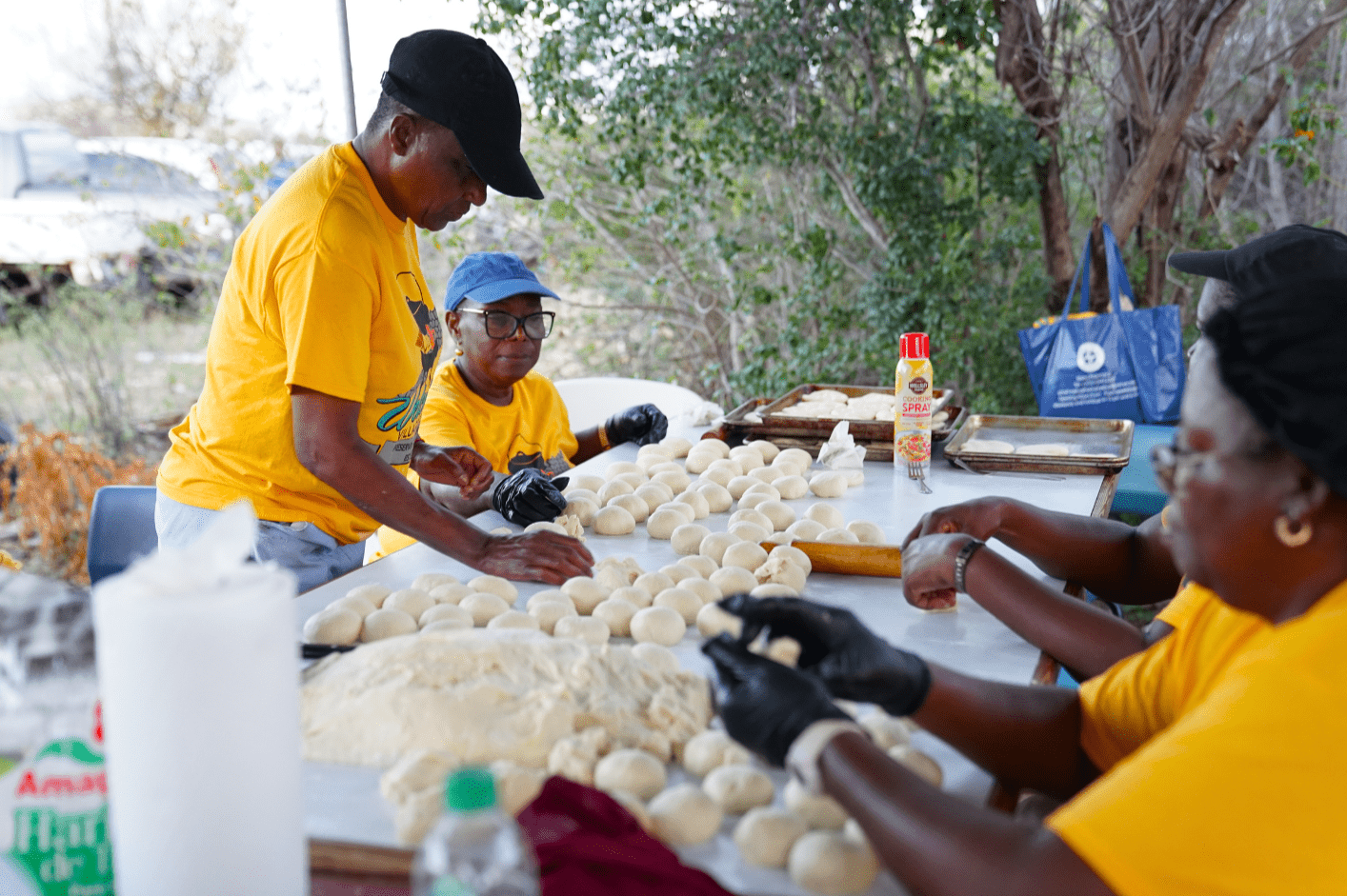
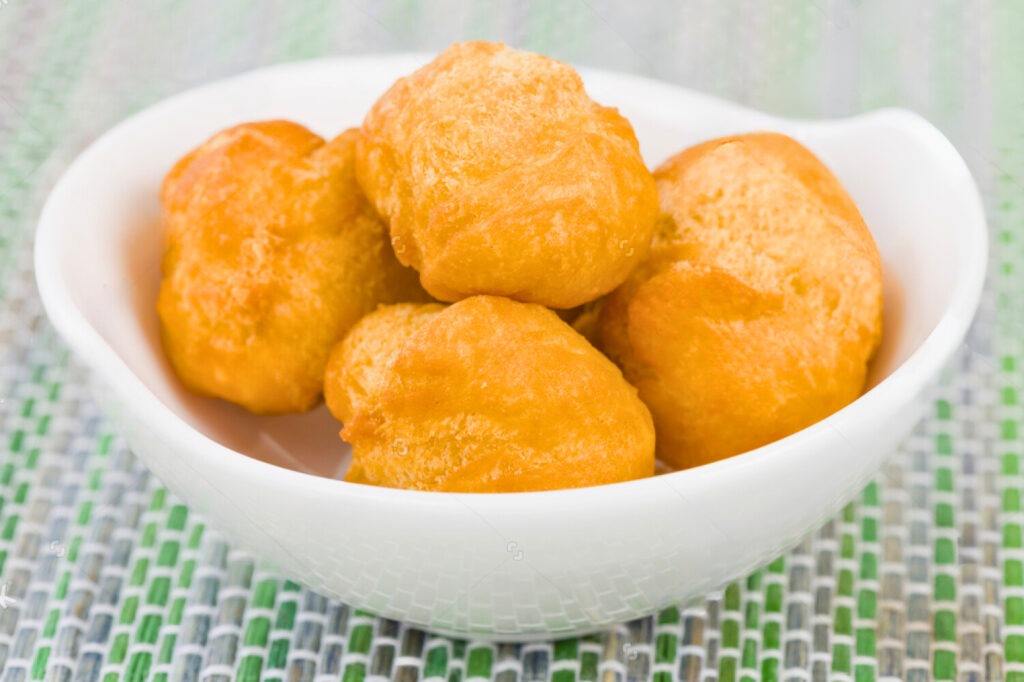
  • Johnny Cakes: Fried dough served as a side to many meals.
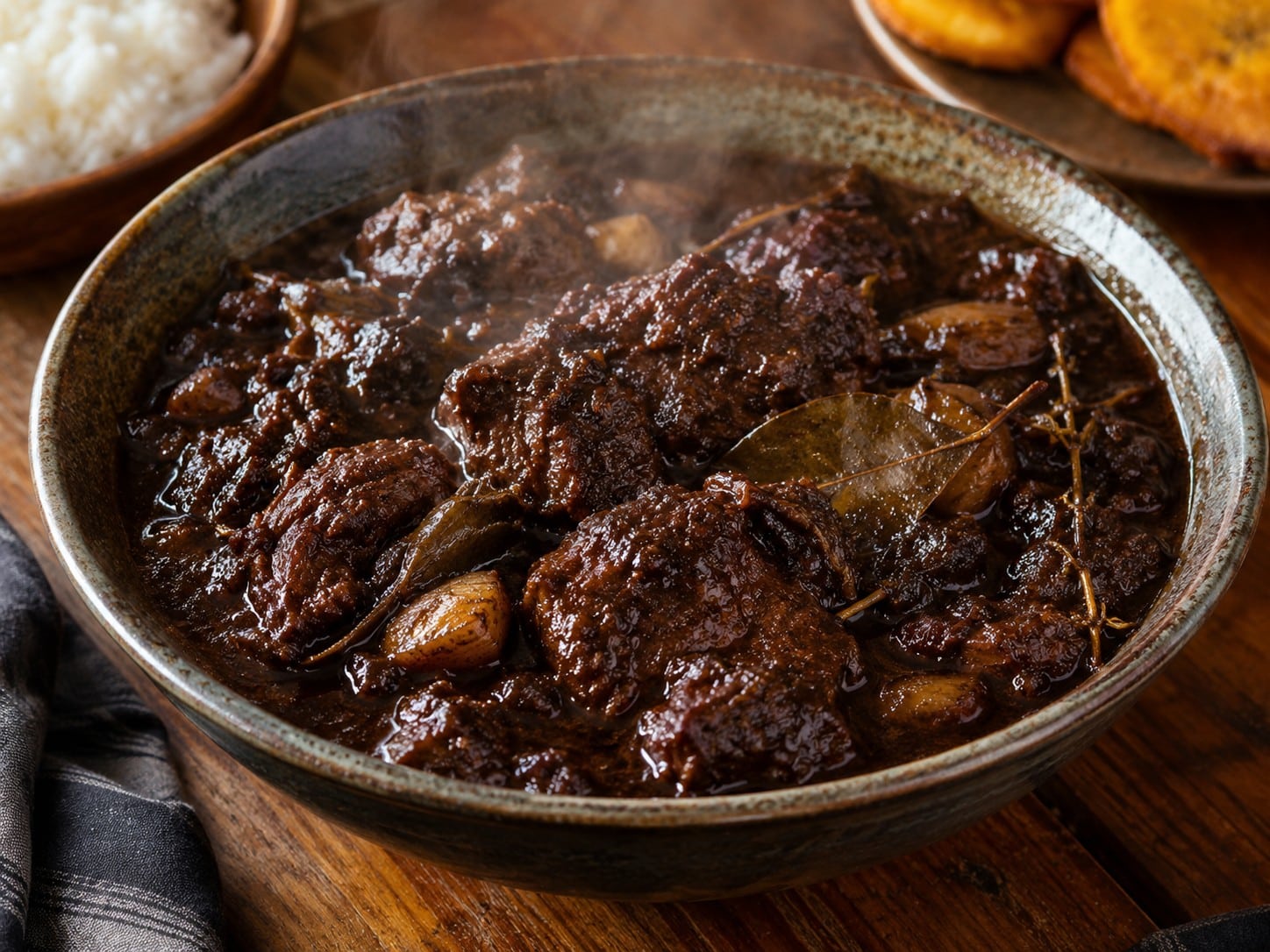
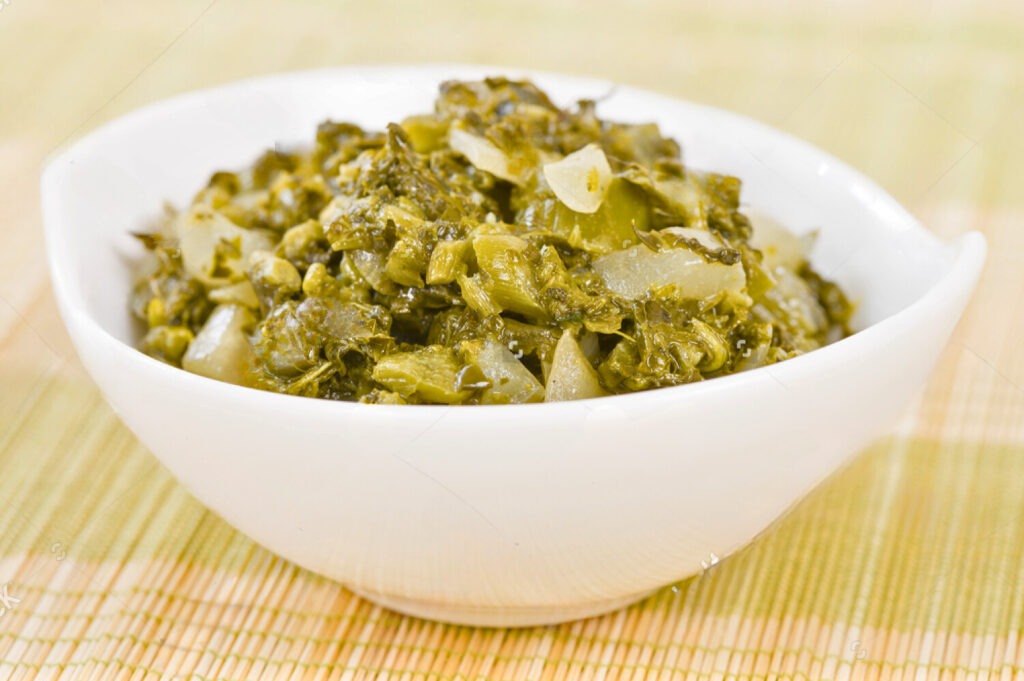
  • Callaloo: A traditional dish made from leafy greens, often prepared in soups or stews.

The island is also known for its food festivals, where visitors can savor local flavors and unique culinary creations.

Anguilla
Callaloo Soup
Anguilla
Johnny Cakes
Anguilla
grilled lobster

Economy and Infrastructure

Economic overview

Anguilla‘s economy is heavily reliant on tourism and hospitality, which accounts for a significant portion of its GDP. The island attracts visitors with its luxurious resorts, stunning beaches, and high-end dining options.

Tourism and infrastructure

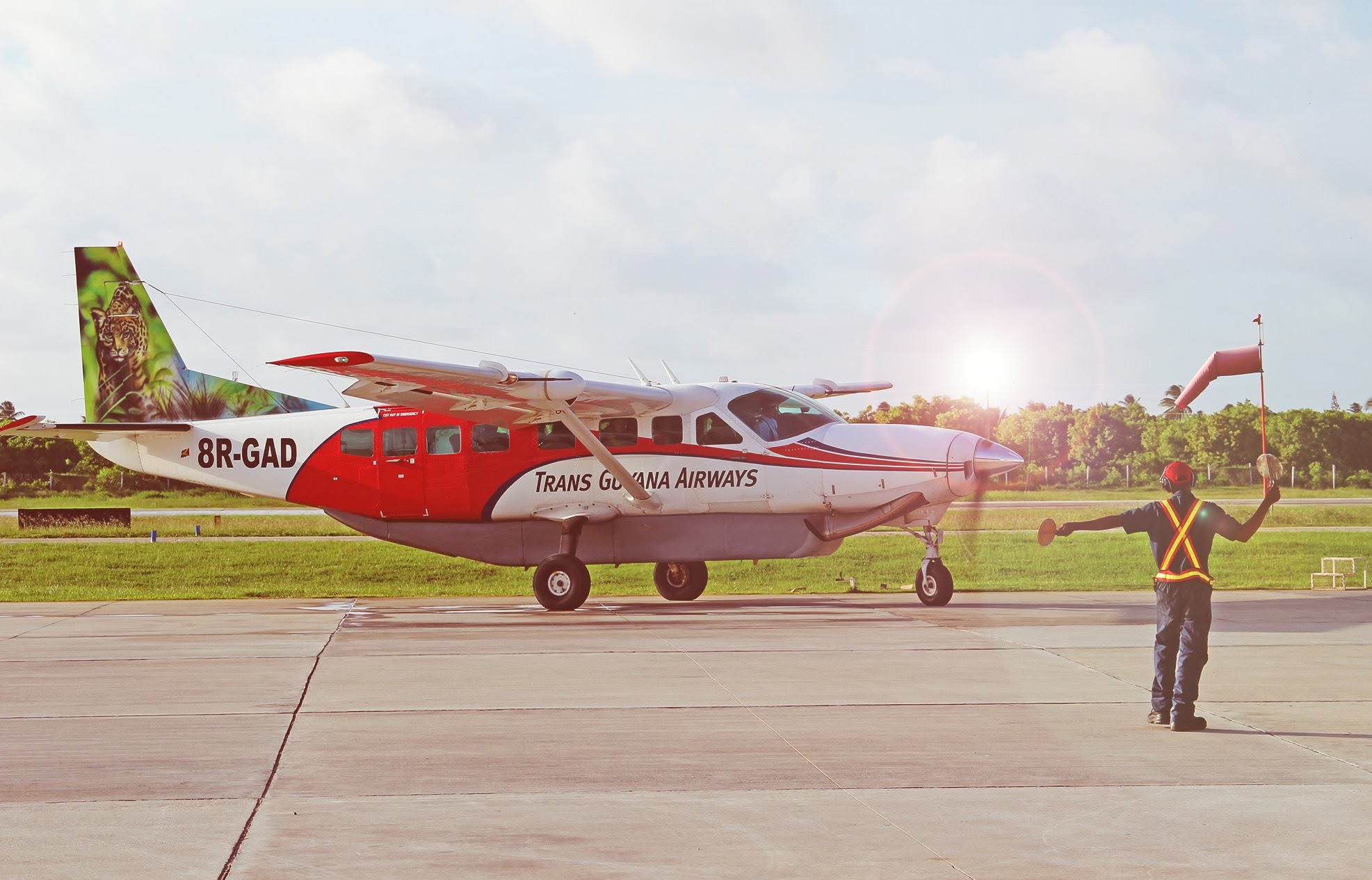
The tourism sector benefits from well-maintained infrastructure, including the Clayton J. Lloyd International Airport, which facilitates access to the island. The government invests in tourism-related facilities to enhance the visitor experience.

Services and public sector

The services sector, including retail and healthcare, is vital for the local population, contributing to the overall quality of life on the island.

Environmental sustainability

The island places a strong emphasis on environmental sustainability, focusing on protecting its natural resources and marine ecosystems. Initiatives include promoting eco-friendly tourism practices and preserving the island’s unique biodiversity.

Anguilla
Anguilla
Anguilla

Historical Insights

From Settlement to Sovereignty

Various influences mark the island’s history:

  • Early Settlements: Initially inhabited by the Arawak and Carib peoples before European colonization.
  • Colonial Era: the island became a British colony in the 17th century, with its economy largely based on agriculture and salt production.
  • Path to Autonomy: The island experienced a desire for self-governance, leading to a brief period of independence in the 1960s before rejoining the British Overseas Territories.
Anguilla

What makes Anguilla so unique

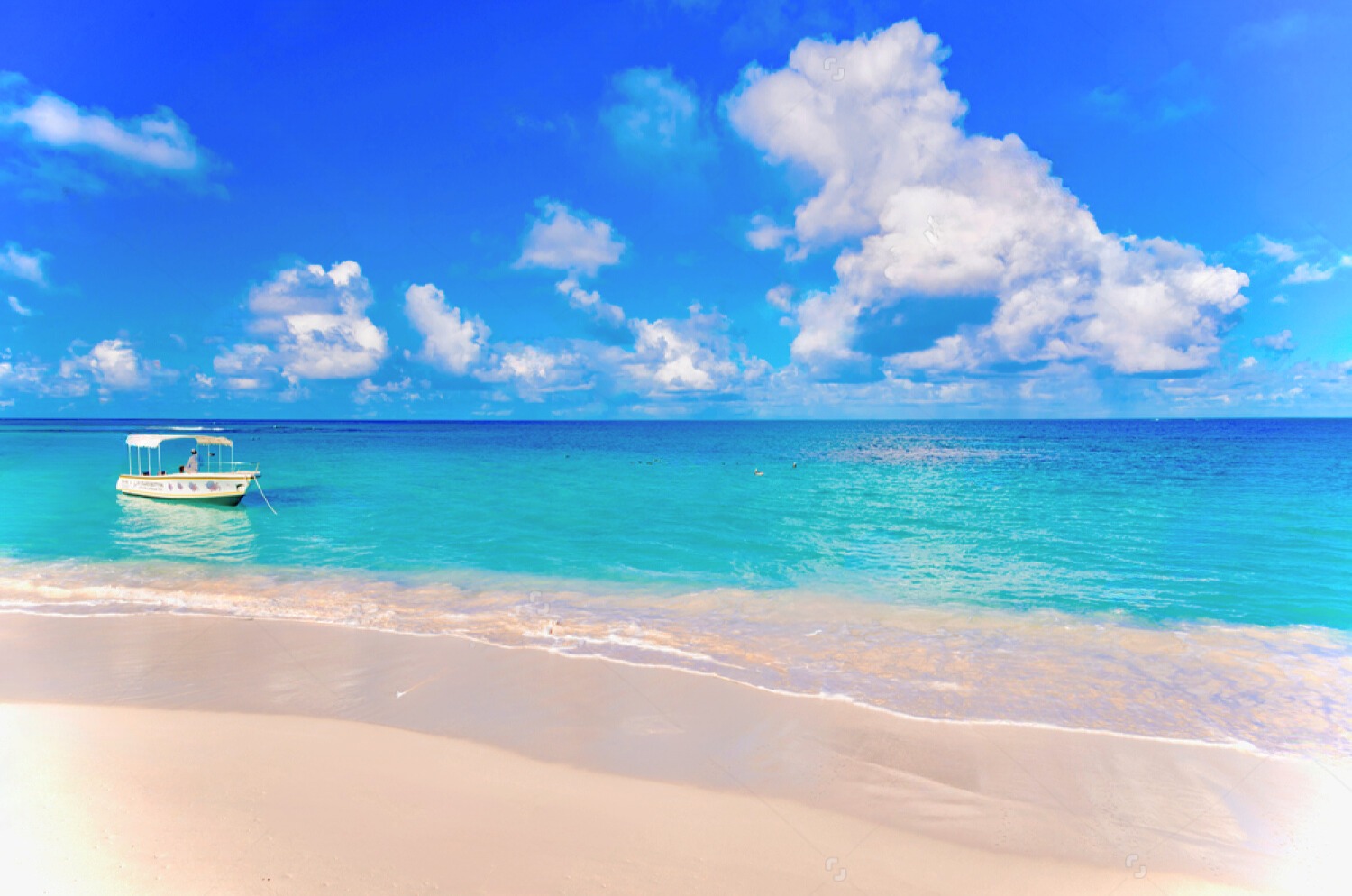
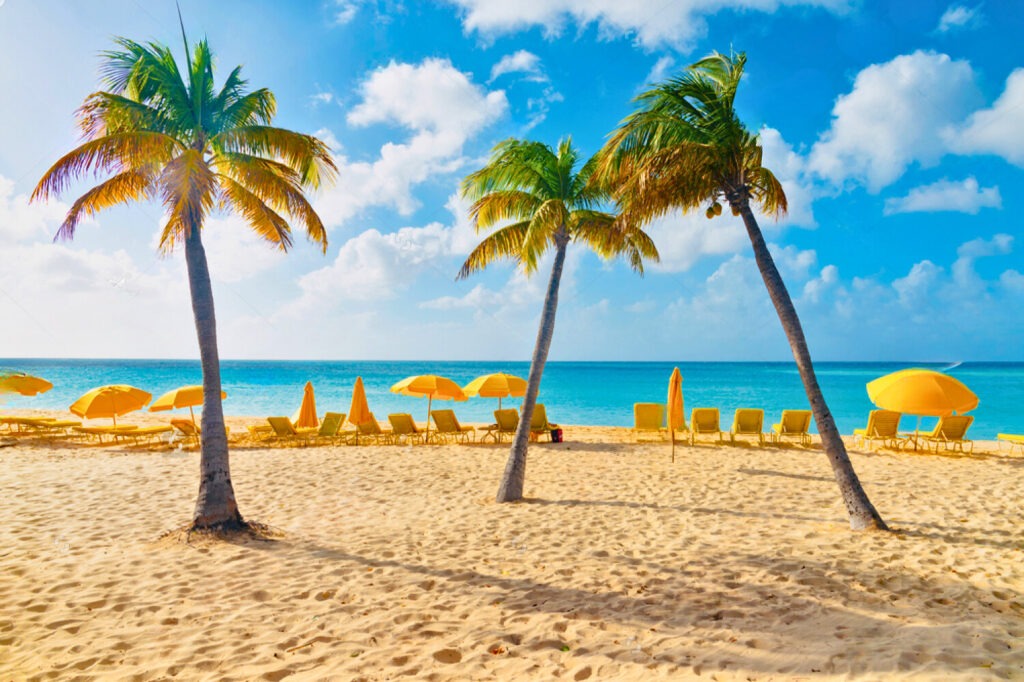
  • Pristine Beaches: Renowned for its soft white sands and crystal-clear waters, the island’s beaches are among the best in the Caribbean.
  • Rich Marine Life: The surrounding waters are home to diverse marine species, making it a haven for snorkeling and diving enthusiasts.
  • Cultural Heritage: The island’s festivals and music reflect a rich cultural tapestry, offering insights into its unique history and traditions.
  • Gastronomic Delights: Anguilla’s culinary offerings, particularly its seafood, are a significant attraction for food lovers.

Places to visit in Anguilla

Events

Rhythms of Anguilla

The island hosts several annual events that celebrate its culture, music, and culinary traditions:

Directory

Anguilla art galleries, studios, and centers

  • The Anguilla National Trust: Promotes the preservation of the island’s natural and cultural heritage.
  • Art Galleries and Studios: Numerous local artists showcase their work in various galleries around the island.

Museums and Heritage

  • Anguilla’s Heritage Collection Museum: Dedicated to preserving and promoting the history of Anguilla.
  • The Old Salt Factory and Pump House: A historical site illustrating the island’s salt production industry.

Anguilla’s combination of stunning natural beauty, rich culture, and commitment to sustainability makes it an exceptional destination in the Caribbean, inviting visitors to relish its tranquil atmosphere, savor its culinary delights, and engage with its unique heritage.

Leave a Reply

Your email address will not be published. Required fields are marked *

More articles from RK

Caribbean Cinema
FILM & VIDEO
Tolotra

Stories of Caribbean Cinema, Maroon Culture, Transmission, and the Imagination. Texts by Guillaume Robillard. Ciclic, 2026

The history of Caribbean cinema continues its journey through the 1980s. After three episodes devoted to the early developments of several cinematic movements in the region, this fourth installment brings together two films from Martinique and one from Curaçao. From the “marronnage” in *Le Sang du flamboyant* to the international trajectory of *Rue Cases-Nègres*, and on to the unique worldof *Almacita di Desolato*, these three works explore different relationships to memory, oral tradition, Africa, and Caribbean imaginaries. This article is the fourth installment in a series of ten. The first three are already available on Richès Karayib, and six more will continue this story through the 2020s. 1981: MARTINIQUE — *The Blood of the Flamingo*, by François Migeat This film is unique in Caribbean cinema. Indeed, its director is a “Metropolitan” (that is, a white man from mainland France who had no deep-rooted ties to the French West Indies) who

Read More »
Doubles, plat de rue de Trinité-et-Tobago composé de deux baras frits et de pois chiches au curry
CULINARY ART
Tolotra

Doubles: The Story of Emamool Deen Behind Trinidad’s Street Food Dish

In Princes Town, in southern Trinidad and Tobago, the “doubles” were born in 1936 from a simple gesture: a customer asking for a second piece of bread. At the time, Emamool Deen and his wife Rasulan were selling curry chickpeas on a single piece of fried bread, unaware that they were inventing the country’s most iconic street food. Nearly a century later, doubles still tell the story of Indo-Trinidadian heritage through this chickpea sandwich, which has become a national symbol. A Morning in Princes Town, 1936 At 4:00 a.m., in a courtyard in Princes Town, in the southern part of Trinidad and Tobago, Rasulan Deen lights the fire that will heat the coconut oil. Her husband, Emamool Deen, is boiling the chickpeas that the couple was able to buy by selling a goat, the only possession they had. The year is 1936, and according to oral tradition preserved by several

Read More »
María Elena Llorente recevant un hommage floral, Ballet Nacional de Cuba
DANCE
Tolotra

María Elena Llorente: 50 Years of Ballet in the Service of Cuba

In May 1977, a Cuban dancer took the stage in New York with the Alvin Ailey Dance Theater. In the audience that evening, actor Harry Belafonte watched the performance and would later describe the evening as a significant historical event. This dancer’s name was María Elena Llorente, prima ballerina and ballet mistress of the Ballet Nacional de Cuba. Her career spans fifty years of dance, spent almost entirely with a single company—the one founded by Alicia Alonso in Havana—on an island where, over the decades, classical ballet has become as much a source of national pride as it is an art form. María Elena Llorente, of the Sociedad Pro-Arte at the National Academy It all began at the Sociedad Pro-Arte Musical, a school in Havana where young Cuban women learned the basics of classical ballet even before the official founding of the national ballet company. María Elena Llorente then continued

Read More »

conTACT RK

we'd love to have your feedback on your experience so far

Join The List

Join our Richès Karayib community!  Sign up for our newsletter.

Want To Maximize Your Business Presence On Riches Karayib?

Complete the form to start the application