Anguilla

Anguilla

Anguilla

Caribbean paradise of serenity and charm

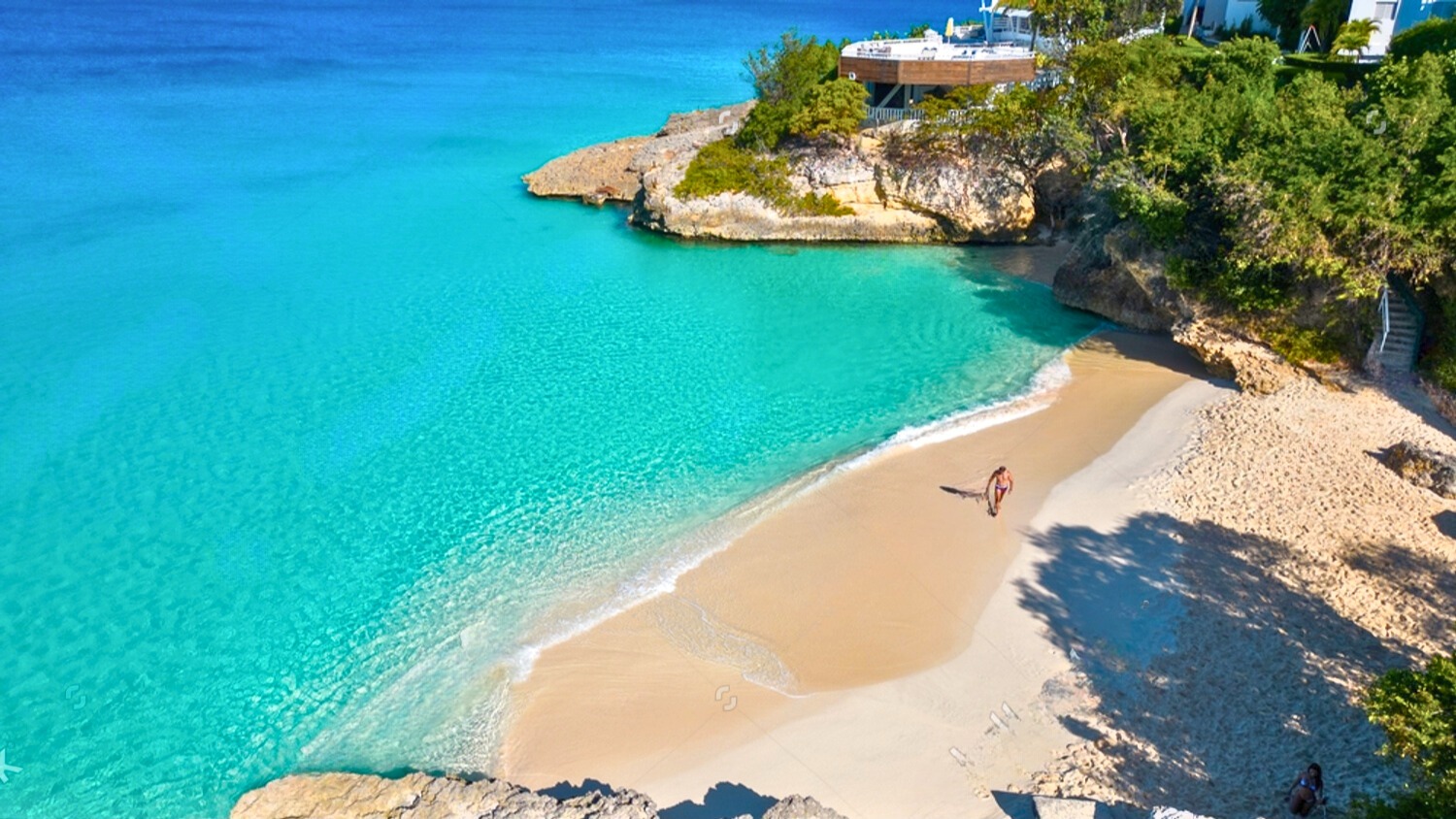
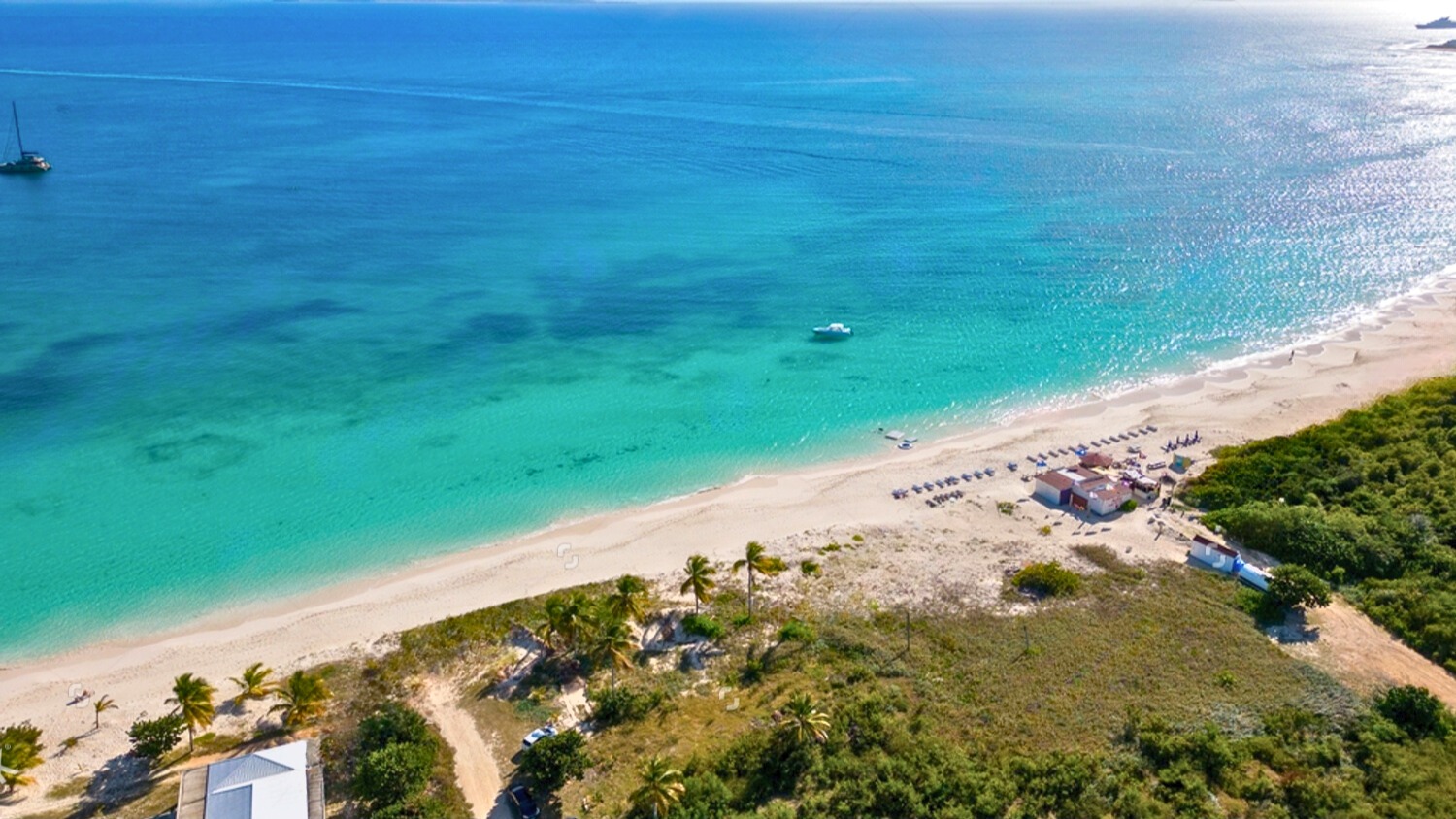
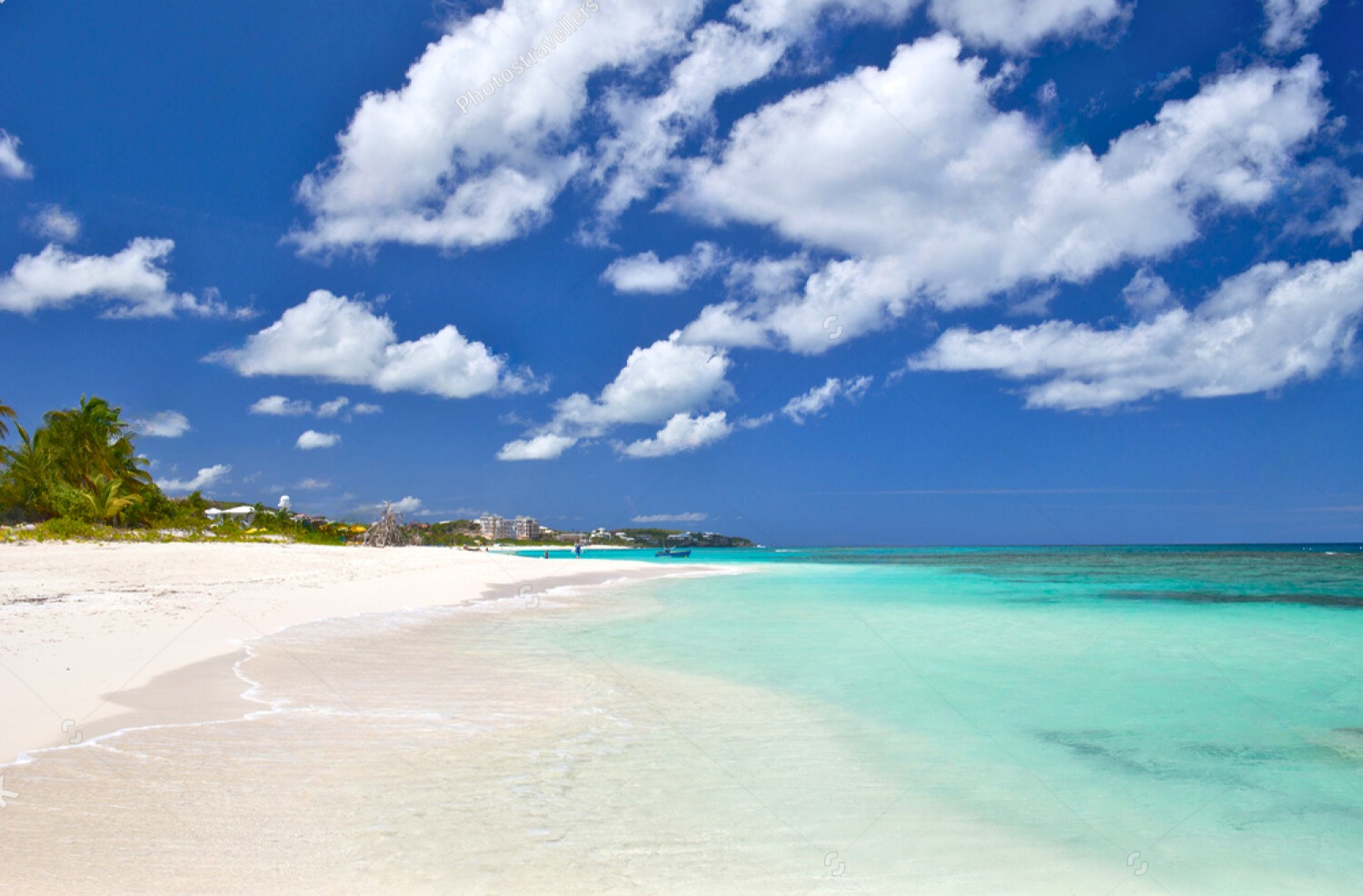
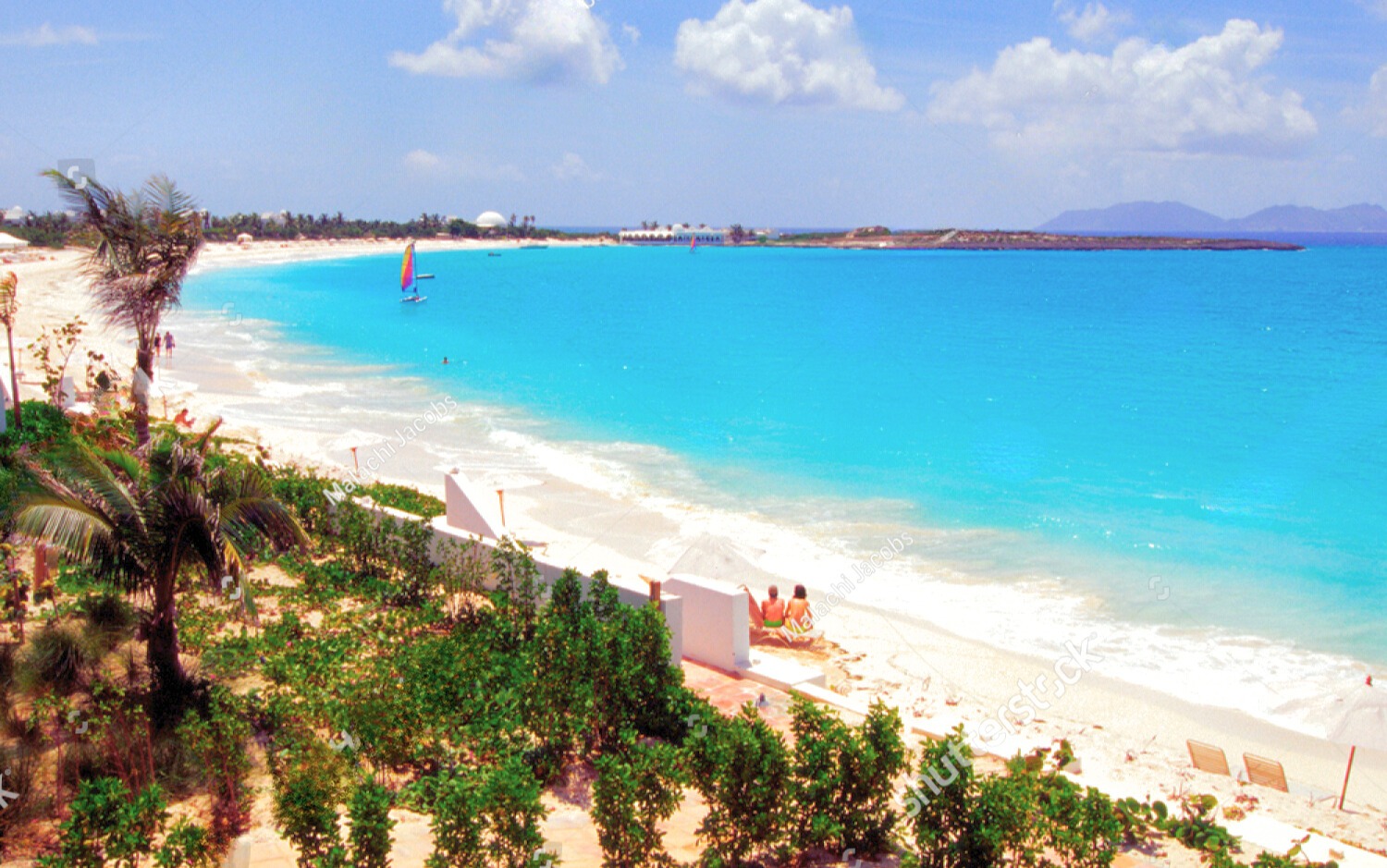
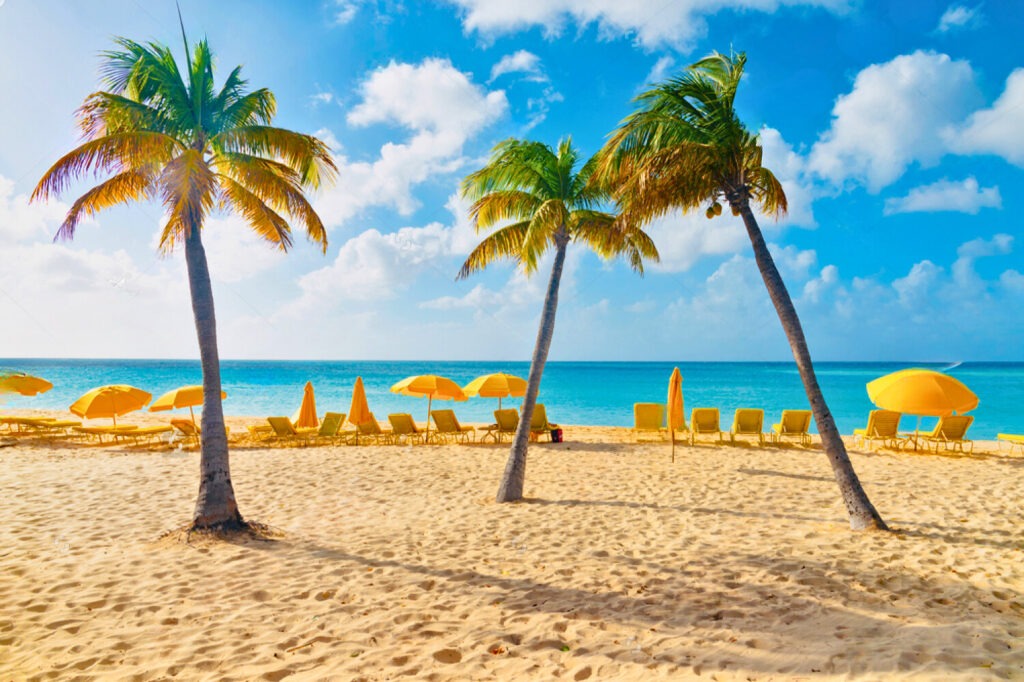
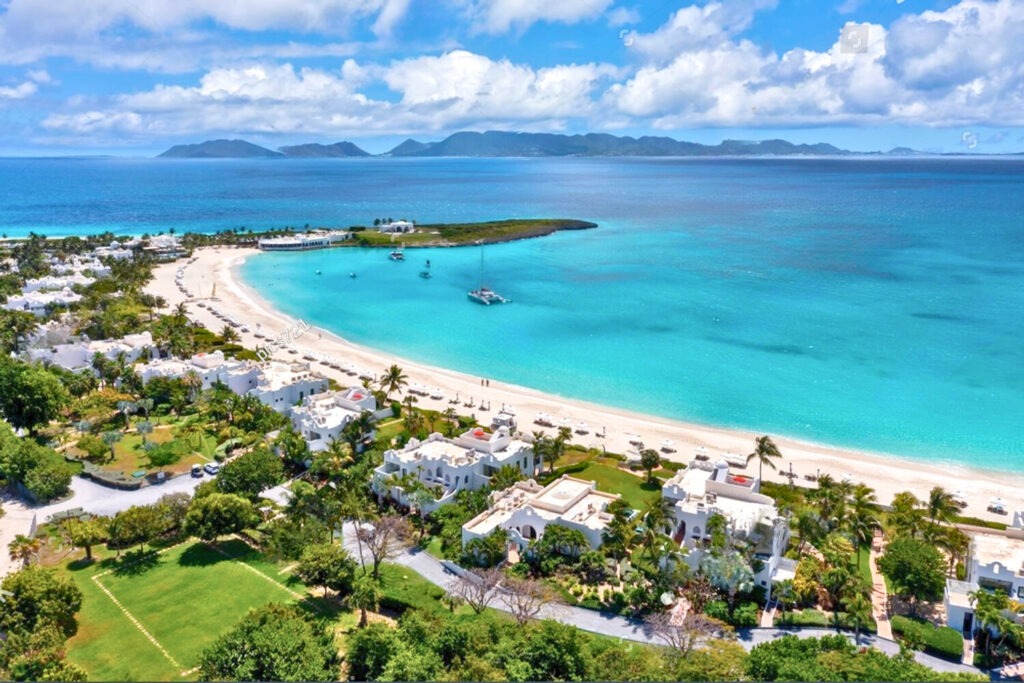
Situated east of Puerto Rico and directly to the north of Saint Martin, Anguilla is a tranquil British Overseas Territory renowned for its stunning beaches and laid-back atmosphere. The island’s capital, The Valley, serves as the administrative center, while the coastlines boast some of the most beautiful beaches in the Caribbean, including Shoal Bay and Meads Bay, making the island a sought-after destination for relaxation and luxury.


Geographic and Geological Overview

A Geographic Snapshot

Anguilla
  • Size: Approximately 91 square kilometers (35 square miles).
  • Capital: The Valley, situated in the central part of the island.
  • Highest Point: Crocus Hill, reaching 65 meters (213 feet).
  • Population: About 15,000 (2022).
  • Vegetation: Predominantly coastal vegetation, including mangroves and cacti, alongside pristine sandy beaches.
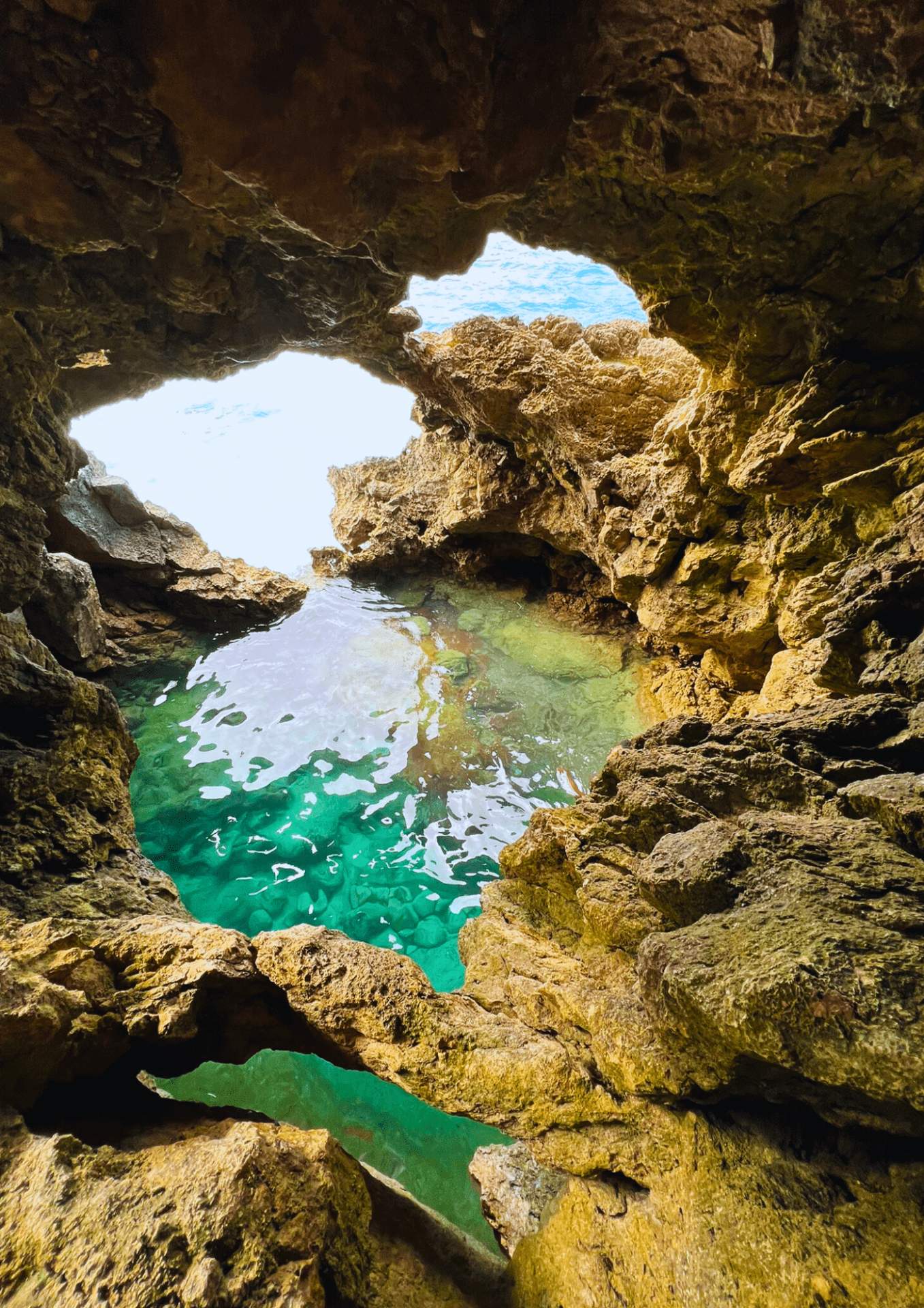
  • Water Bodies: Surrounded by the Caribbean Sea with numerous coral reefs and shallow waters.
Anguilla
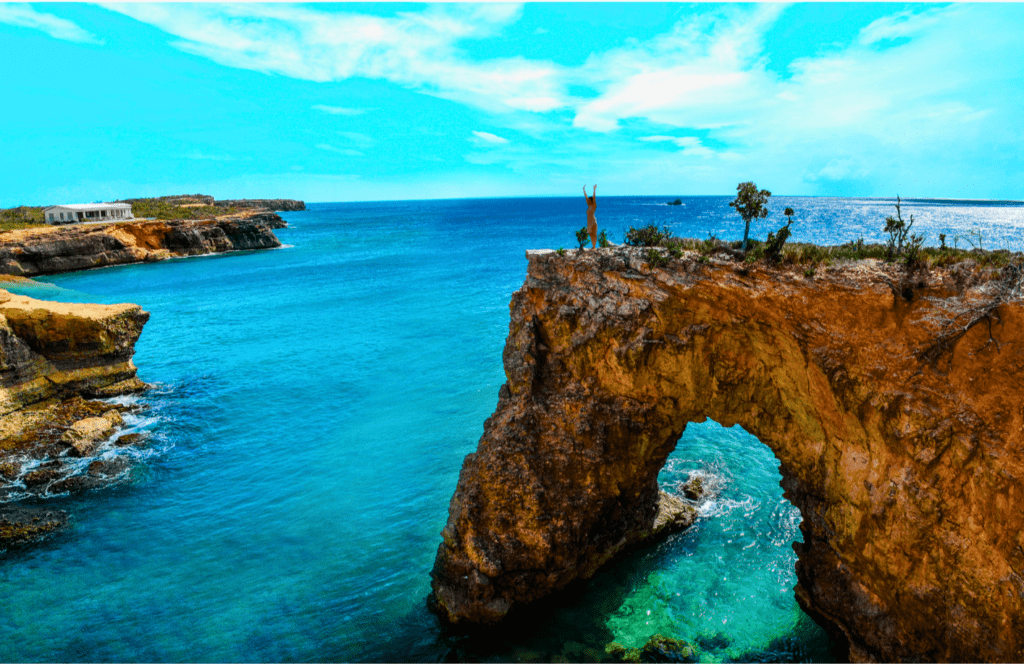
  • Geology: the island is primarily limestone, shaped by both marine and terrestrial processes, with a flat terrain and low elevation.
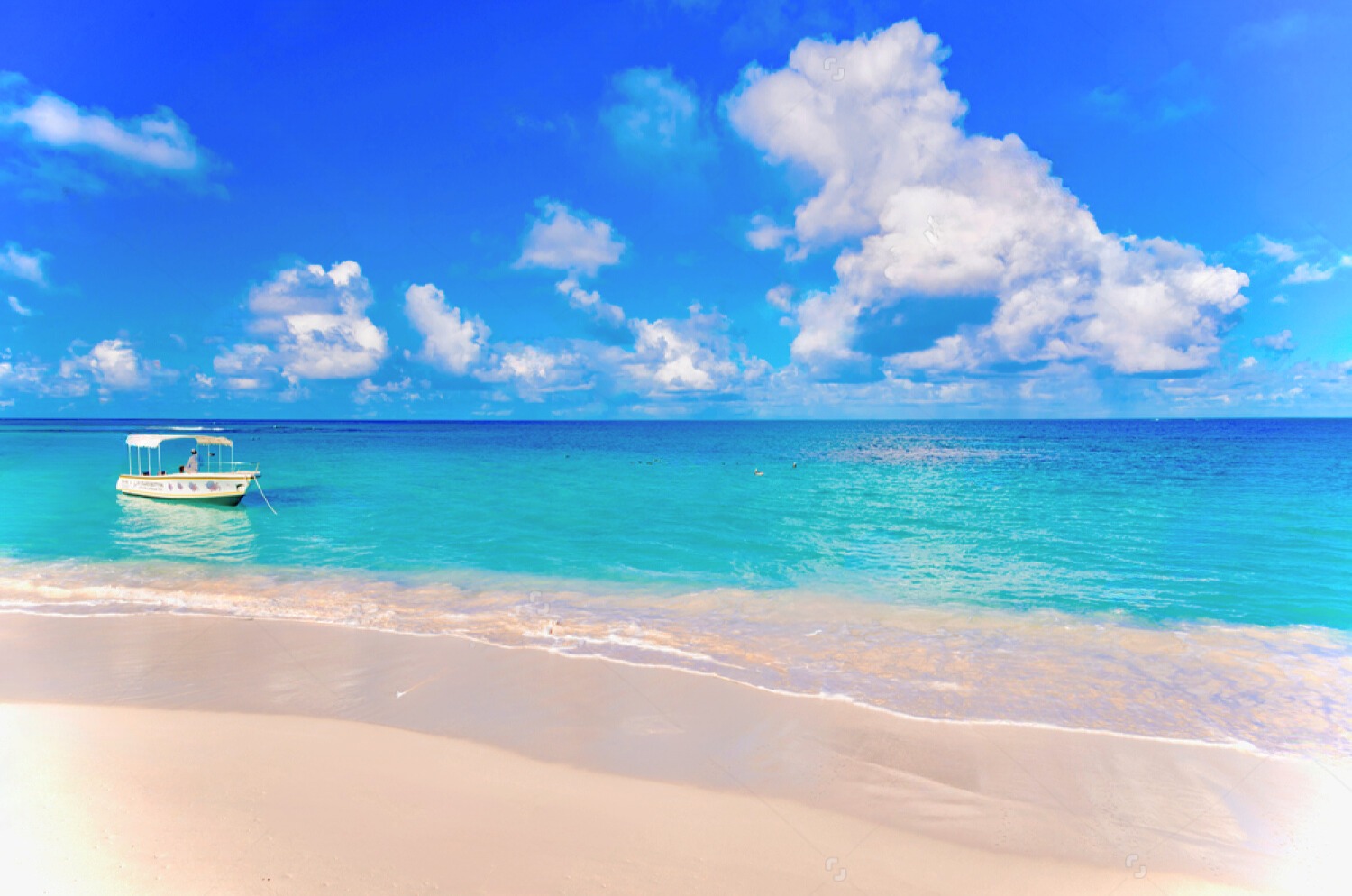
  • Natural Wonders: The island is famous for its clear turquoise waters, vibrant coral reefs, and marine life, making it a paradise for snorkeling and sailing.

Cultural Landscape

Cultural overview

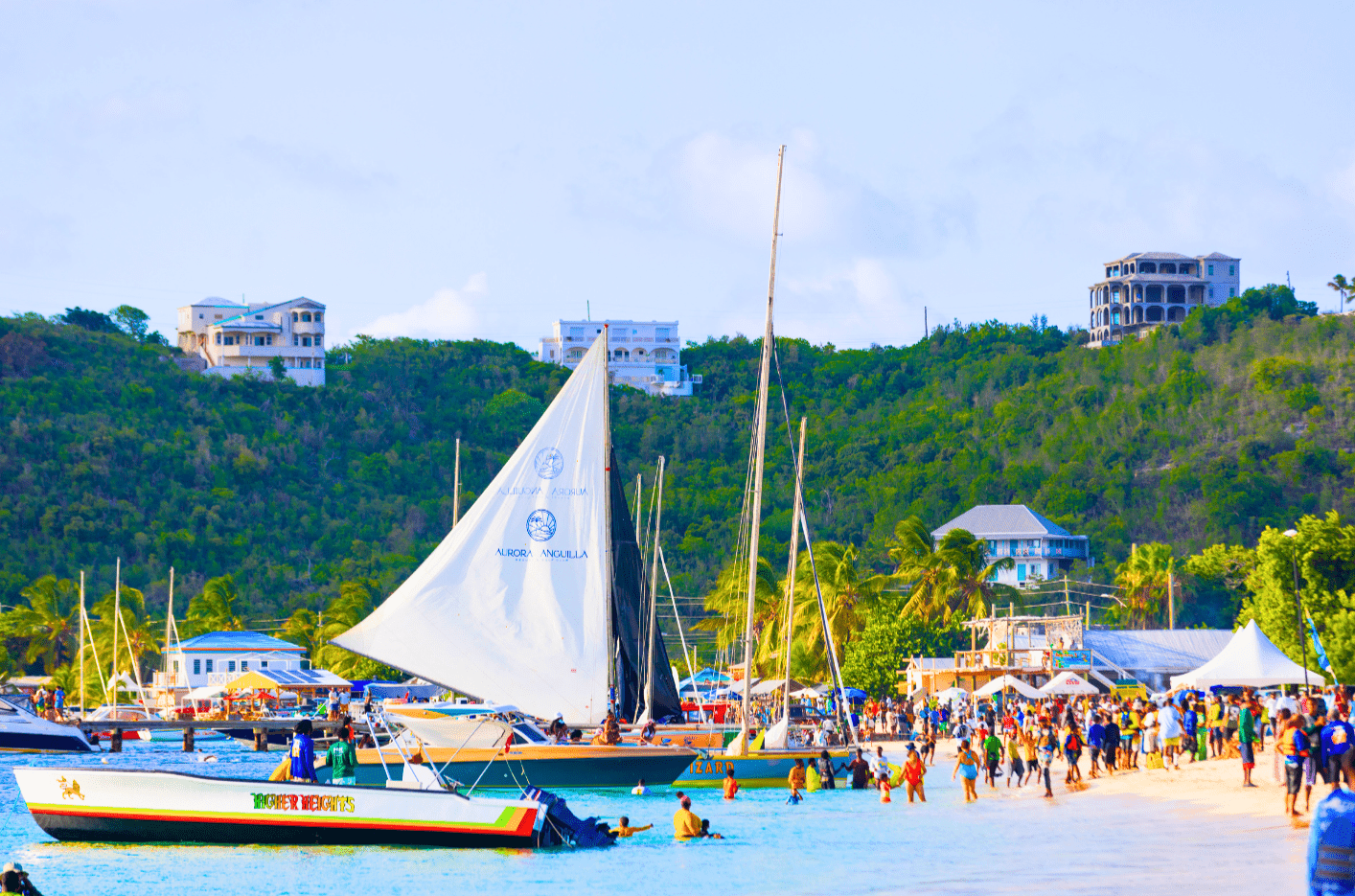
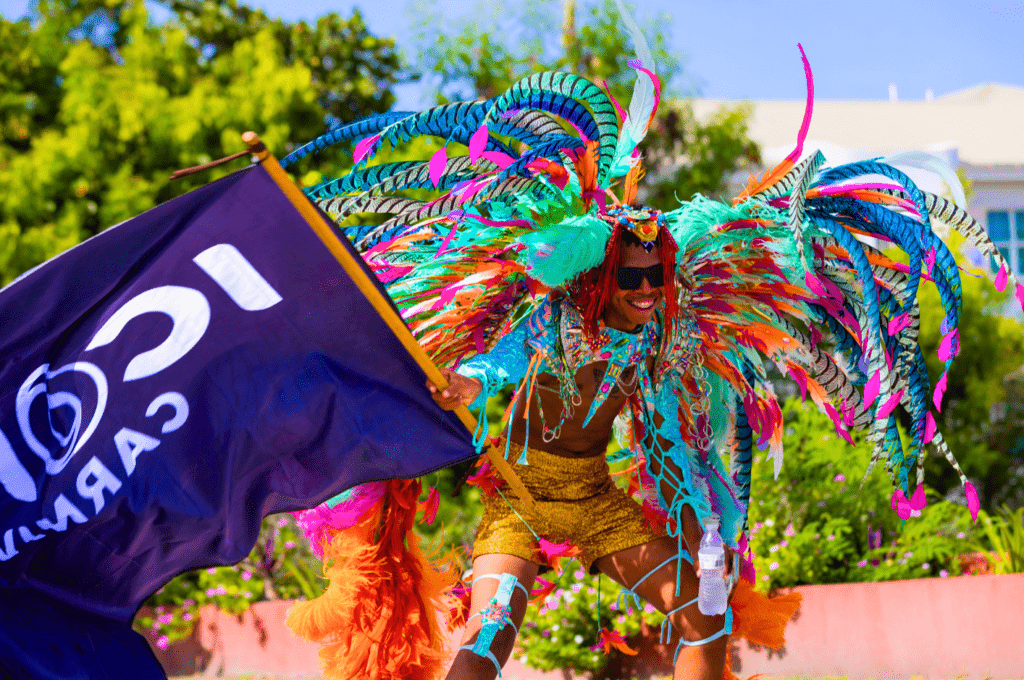
Anguilla‘s culture is a blend of indigenous, African, British, and Caribbean influences, which is reflected in its music, art, and culinary traditions. The island hosts various festivals that celebrate its rich heritage, such as the Anguilla Summer Festival, showcasing local music and dance.

The local language is English, with a distinctive Creole dialect commonly spoken. Anguilla’s motto, “The Land of the Sun,” encapsulates its warm climate and welcoming spirit.

Anguilla

Local Cuisine

Anguilla’s culinary highlights

The cuisine of the island is characterized by fresh seafood and local ingredients, influenced by Caribbean and British culinary traditions. Signature dishes include:

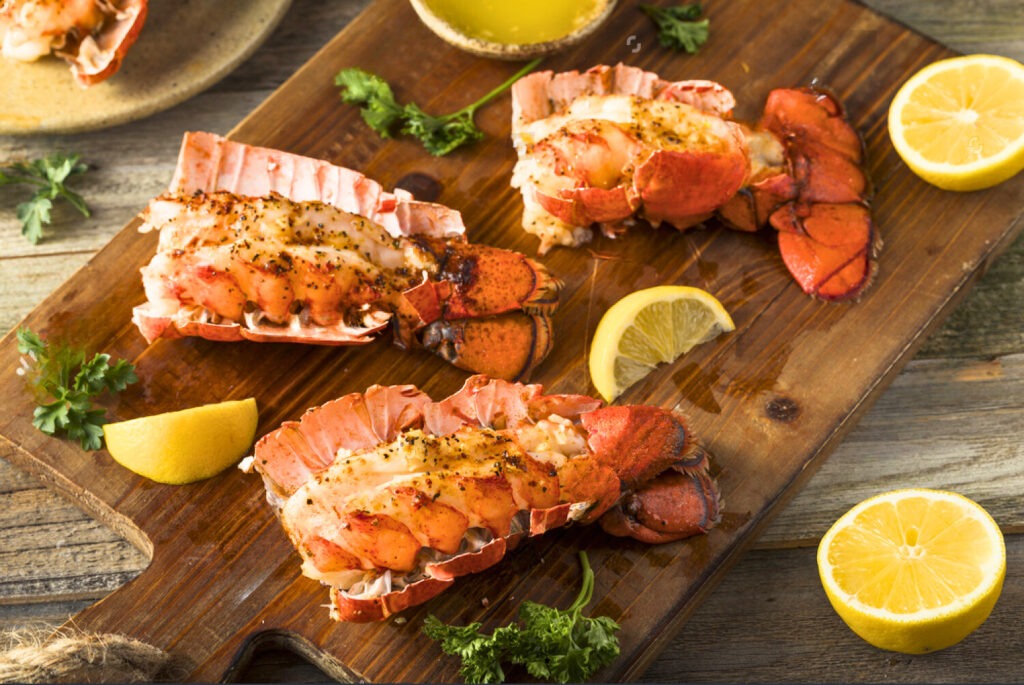
  • Grilled Lobster: A local favorite, often served with garlic butter and lime.
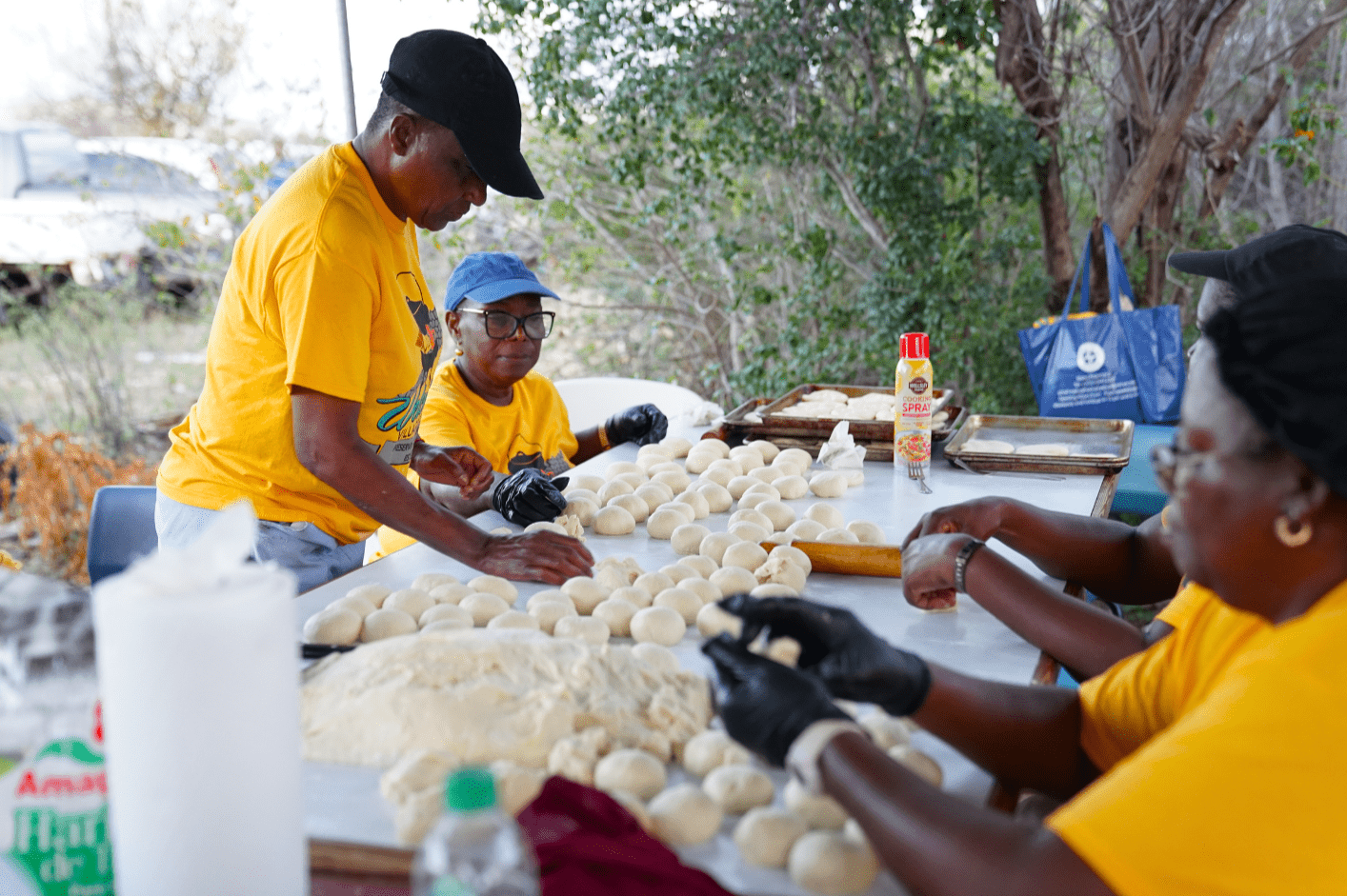
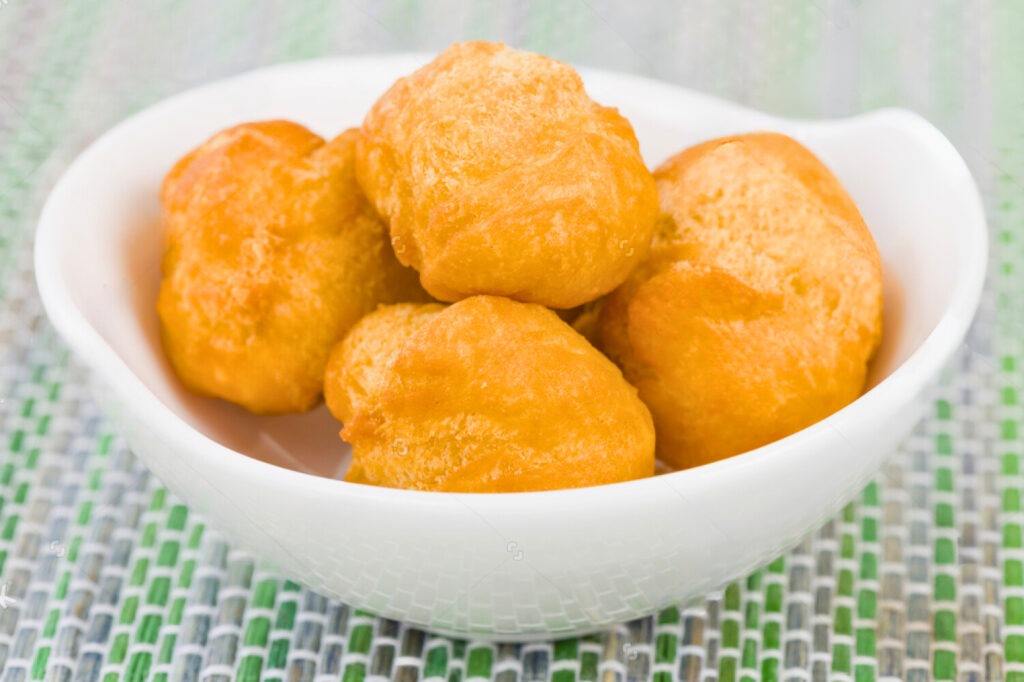
  • Johnny Cakes: Fried dough served as a side to many meals.
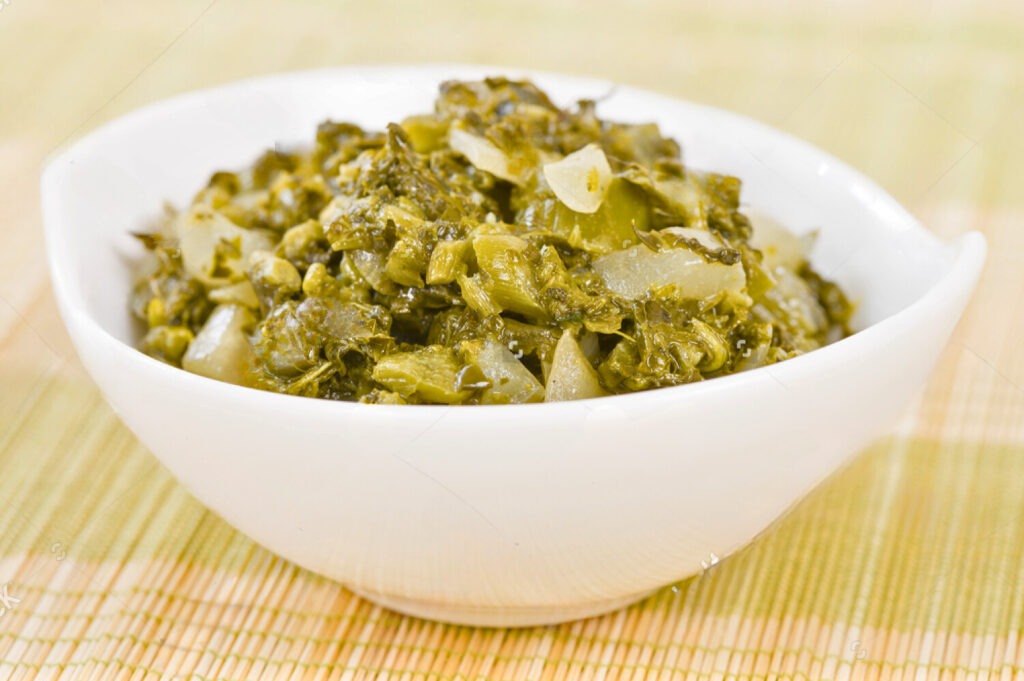
  • Callaloo: A traditional dish made from leafy greens, often prepared in soups or stews.

The island is also known for its food festivals, where visitors can savor local flavors and unique culinary creations.

Anguilla
Callaloo Soup
Anguilla
Johnny Cakes
Anguilla
grilled lobster

Economy and Infrastructure

Economic overview

Anguilla‘s economy is heavily reliant on tourism and hospitality, which accounts for a significant portion of its GDP. The island attracts visitors with its luxurious resorts, stunning beaches, and high-end dining options.

Tourism and infrastructure

The tourism sector benefits from well-maintained infrastructure, including the Clayton J. Lloyd International Airport, which facilitates access to the island. The government invests in tourism-related facilities to enhance the visitor experience.

Services and public sector

The services sector, including retail and healthcare, is vital for the local population, contributing to the overall quality of life on the island.

Environmental sustainability

The island places a strong emphasis on environmental sustainability, focusing on protecting its natural resources and marine ecosystems. Initiatives include promoting eco-friendly tourism practices and preserving the island’s unique biodiversity.

Anguilla
Anguilla
Anguilla

Historical Insights

From Settlement to Sovereignty

Various influences mark the island’s history:

  • Early Settlements: Initially inhabited by the Arawak and Carib peoples before European colonization.
  • Colonial Era: the island became a British colony in the 17th century, with its economy largely based on agriculture and salt production.
  • Path to Autonomy: The island experienced a desire for self-governance, leading to a brief period of independence in the 1960s before rejoining the British Overseas Territories.
Anguilla

What makes Anguilla so unique

  • Pristine Beaches: Renowned for its soft white sands and crystal-clear waters, the island’s beaches are among the best in the Caribbean.
  • Rich Marine Life: The surrounding waters are home to diverse marine species, making it a haven for snorkeling and diving enthusiasts.
  • Cultural Heritage: The island’s festivals and music reflect a rich cultural tapestry, offering insights into its unique history and traditions.
  • Gastronomic Delights: Anguilla’s culinary offerings, particularly its seafood, are a significant attraction for food lovers.

Places to visit in Anguilla

Events

Rhythms of Anguilla

The island hosts several annual events that celebrate its culture, music, and culinary traditions:

Directory

Anguilla art galleries, studios, and centers

  • The Anguilla National Trust: Promotes the preservation of the island’s natural and cultural heritage.
  • Art Galleries and Studios: Numerous local artists showcase their work in various galleries around the island.

Museums and Heritage

  • Anguilla’s Heritage Collection Museum: Dedicated to preserving and promoting the history of Anguilla.
  • The Old Salt Factory and Pump House: A historical site illustrating the island’s salt production industry.

Anguilla’s combination of stunning natural beauty, rich culture, and commitment to sustainability makes it an exceptional destination in the Caribbean, inviting visitors to relish its tranquil atmosphere, savor its culinary delights, and engage with its unique heritage.

Leave a Reply

Your email address will not be published. Required fields are marked *

More articles from RK

Ariane 64
AIR
Tolotra

French Guiana – Ariane 64: why does this launch from French Guiana concern the whole Caribbean?

The successful launch ofAriane 64 from the Guiana Space Center in Kourou is not just a European technical achievement. Ariane 64 marks a strategic milestone for the entire Caribbean. By placing 32 satellites of the Amazon Leo project into orbit, the European launcher confirms that the Caribbean region – via French Guiana – is at the heart of a global transformation linked to Internet access, connectivity and digital infrastructures. Behind the precision of the figures and the technological success, a new reality is taking shape: that of a Caribbean directly connected to the major spatial and digital dynamics of the XXIᵉ century. A successful launch from the heart of the Caribbean At 1:45 pm, Ariane 64 blasted off from its launch pad in Kourou, French Guiana, carrying 32 satellites destined to join the Amazon Leo constellation. The mission, carried out without incident, lasted 1 hour 54 minutes, with a crucial

Read More »
Mia Mottley
NEWS
Tolotra

Barbados – 30 seats out of 30: Mia Mottley signs a total victory and ushers Barbados into a new political era

Barbados has just entered a major new political sequence. For the third consecutive general election, the Barbados Labour Party (BLP) has won all 30 seats in the House of Assembly. A total victory that confirms Mia Mottley ‘s political hold over the island and ushers in a new phase in the country’s governance. For RichèsKarayib, understanding these political evolutions is also a way to better grasp the profound transformations currently reshaping the balance of power in the Caribbean. Wednesday’s election not only marks political continuity, it also reinforces Barbados’ position as one of the most stable and structured territories in the Caribbean region. Electoral domination without equal in the region The result was indisputable: 30 seats won out of 30. For the third consecutive general election, the BLP won an unopposed parliament. A rare occurrence, even in Caribbean political systems accustomed to solid majorities. This victory confirms Mia Mottley’s domination

Read More »
Piké djouk
HISTORY & HERITAGE
Tolotra

Piké djouk from French Guiana: a dance that tells the social history of the territory

The Piké djouk of Guyana is one of those essential cultural expressions that enable us to understand the social history and identity of Guyana. At once a dance, a rhythm and a festive practice, it embodies a living memory handed down from generation to generation. Even today, it occupies a singular place in cultural events, traditional balls and initiatives to promote Guiana’s intangible heritage. A dance born in Guyanese Creole society The Piké djouk appeared in post-abolition Creole societies, at a time when Afro-descendant populations were rebuilding their own cultural forms. Like many Caribbean and Amazonian dances, it is the result of a blend of African, European and local influences. Popular balls became essential social venues, where people danced, met up and passed on social codes. It’s part of this collective dynamic. It’s not just about entertainment: dance is also a social language, a meeting place and sometimes even a

Read More »

conTACT RK

we'd love to have your feedback on your experience so far

Join The List

Join our Richès Karayib community!  Sign up for our newsletter.

Want To Maximize Your Business Presence On Riches Karayib?

Complete the form to start the application