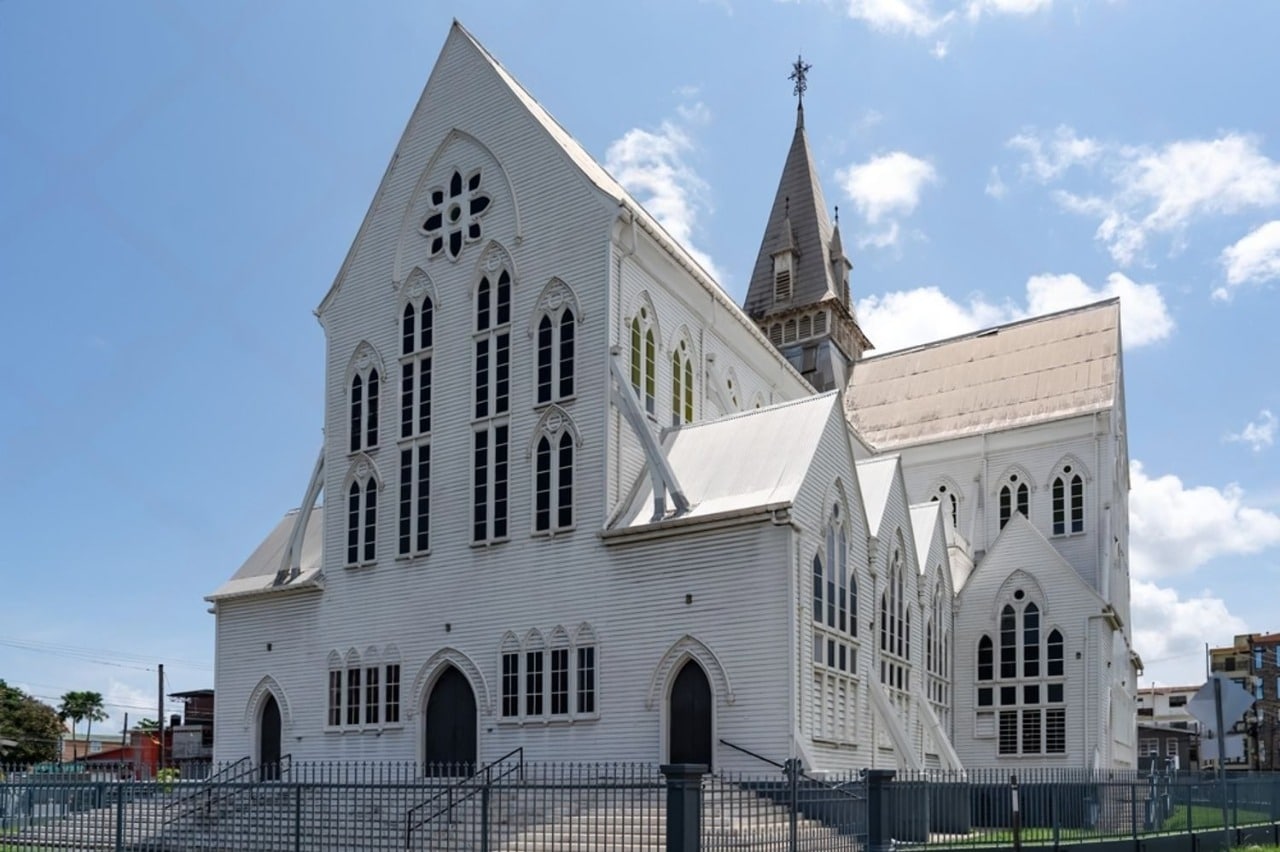
From August 17 to 19, 2026, Georgetown hosted the 57th General Assembly of the Caribbean Broadcasting Union. Gathering under the theme “Caribbean Media and AI,” media executives, journalists, content creators, academics, and experts examined how their practices are being shaped by this transformation. Behind the concept of artificial intelligence, one question emerged: how to strengthen Caribbean media so that they can remain credible, independent, and sustainable in a changing digital environment.
When AI Enters Caribbean Newsrooms
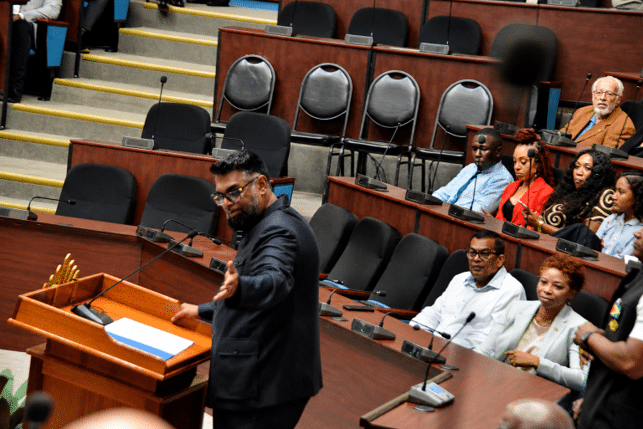
In Georgetown, Guyana’s President, Mohamed Irfaan Ali, summarized a key challenge. Artificial intelligence can help newsrooms transcribe and translate content, analyze data, and improve efficiency. But it must not replace editorial judgment, context, or human experience. His warning was clear: “Never allow the technology to become the journalist.” This message aligns with a priority of the Caribbean Broadcasting Union: to promote responsible uses of AI while strengthening verification mechanisms and transparency regarding generated content.
This commitment is reflected in the CBU Media Awards. The rules now require entrants to disclose any use of large language models or other artificial intelligence tools. AI-generated content may not exceed 20% of a submission’s total content. This framework places editorial responsibility at the heart of innovation.
Sustainability is becoming the real issue
AI, however, is only part of the picture. The Caribbean Broadcasting Union has announced the Caribbean Media Viability Initiative, a program dedicated to the sustainability, resilience, competitiveness, and editorial independence of the region’s media. The initiative aims to bring together broadcasters, print and digital media publishers, independent producers, educators, regulators, policymakers, advertisers, technology platforms, and development partners from the Dutch-speaking, English-speaking, French-speaking, and Spanish-speaking Caribbean.
The first online meetings are scheduled for the fourth quarter of 2026. They will focus on sustainable business models, digital transformation, public trust, audience engagement, editorial innovation, skills, and partnerships. The Caribbean Broadcasting Union has also selected “Caribbean Media Viability” as the theme for its 58th General Assembly in 2027.
Gain a Better Understanding of the Industry to Take More Effective Action
The CBU Media Industry Overview, coordinated by former president Dr. Claire Grant, is scheduled for its first release in the first quarter of 2027. This upcoming report will examine the sector’s structure, scope, media ownership, workforce, and working conditions. It will also address freedom of information, the safety of journalists, training, the digital transition, the influence of major technology platforms, and media resilience.
According to the Caribbean Broadcasting Union, this foundation should support advocacy, media business planning, and professional development. A regional strategy first requires a sufficiently accurate picture of the realities faced by the media.

Expanding Regional Cooperation
This reflection on the sector’s future is accompanied by an expansion of regional representation. In 2026, four new organizations joined the Caribbean Broadcasting Union, including Richès Karayib, a digital media outlet from Martinique. This expansion comes as the CBU seeks to broaden its presence among commercial, institutional, and digital media outlets, while strengthening ties among regional linguistic communities.
The 37th edition of the CBU Media Awards also marked Richès Karayib’s first participation. The Martinican media outlet won two awards and two Special Mentions. The competition attracted more than 680 entries—an increase of more than 25 percent year-over-year—with 92 awards and special mentions presented across 13 countries and territories.
Caribbean Broadcasting Union: After Georgetown, the work continues
The Georgetown Assembly, therefore, did not merely raise the issue of artificial intelligence. It linked technology, business models, industry knowledge, public trust, and regional cooperation. The work is set to continue through the 58th AGM, with the goal of developing a Caribbean Media Viability Roadmap. For the Caribbean Broadcasting Union, the challenge will be to transform these findings and discussions into concrete solutions tailored to the realities of the region. For Caribbean media outlets, the question remains open: How can they maintain control over their tools, their independence, and, above all, the stories they choose to tell?
The Caribbean Broadcasting Union places particular emphasis on the responsible use of artificial intelligence, the economic viability of the media, a better understanding of the sector, and the strengthening of regional cooperation. These priorities were highlighted at its 57th General Assembly, held in Georgetown in August 2026.
The CBU encourages the use of AI as a tool to support journalism, while emphasizing fact-checking, transparency, and the preservation of human editorial judgment. For the CBU Media Awards, entrants must now disclose the use of AI tools, and AI-generated content may not exceed 20% of an entry.
Richès Karayib is one of four new organizations admitted to the Caribbean Broadcasting Union in 2026. In its first appearance at the CBU Media Awards, the Martinique-based media outlet also won two awards and received two special mentions in a competition that drew more than 680 entries.