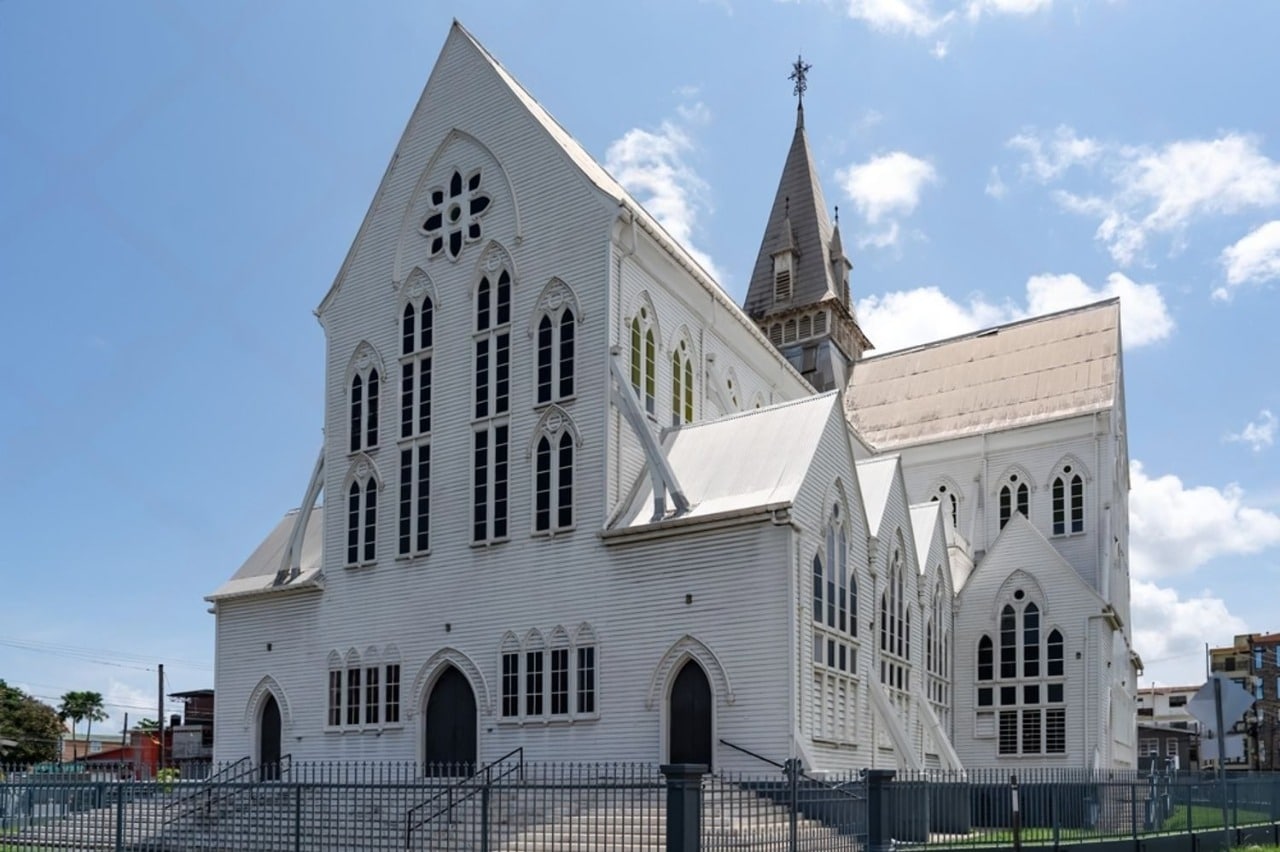
In Santiago de los Caballeros, in the Dominican Republic, some Victorian houses still feature their ornate balconies, zinc roofs, and bright colors. Yet behind these facades, time is taking its toll. Abandonment, deterioration, and squatting are undermining part of this heritage. According to urban planner Reynaldo Peguero, approximately 400 Victorian and Republican-era buildings remain in the city. Each one tells more than just an architectural story: it tells the story of a neighborhood, a family, and sometimes a chapter in the nation’s history.
This reality gives a concrete face to the ongoing debate in the Dominican Republic. On July 24, 2026, the Senate approved, on second reading, a bill on the protection and acquisition of cultural heritage. The bill must still be reviewed by the Chamber of Deputies before it can be sent to the executive branch. It is therefore not yet an enacted law. Behind this bill lies a practical challenge: restoring an old building requires resources, while allowing time to take its toll can erode its value. The solution, therefore, cannot rely solely on property owners or the government alone.

Dominican Republic: Where Property Meets Memory
The bill recognizes public or private properties of historical, artistic, architectural, archaeological, documentary, scientific, or ethnological value as cultural heritage. It also covers intangible heritage, underwater heritage, and certain collections. The owner would retain ownership of the property but would be required to comply with specific obligations: to maintain it, to allow inspections, and to seek authorization before making certain alterations.


The most debated measure is expropriation. Under certain circumstances, the government may acquire private property when a lack of maintenance threatens its preservation, when its preservation so requires, or when a public interest is established. The procedure must comply with the legal framework and provide for compensation.
The issue, therefore, goes beyond a simple conflict between the government and property owners. When a historic house collapses, it is not just a private building that disappears. It is traditional craftsmanship, family memories, and a way of living in the city that are lost. The property belongs to one person. But the memory it holds can belong to an entire community.
A living heritage, not just a backdrop
In the Dominican Republic, Reynaldo Peguero is calling for better identification of vulnerable buildings and for coordination among public and private stakeholders. Saúl Abreu, executive director of the Association for the Development of Santiago, also believes that the government should consider acquiring properties of significant heritage value. The goal would not be to preserve these houses in their current state, but to give them a new purpose: as a museum, cultural space, training center, or institutional building.
This approach aligns with a key principle for the Dominican Republic: preservation does not simply mean maintaining a facade for visitors. Heritage remains alive when it continues to be visited, shared, and passed down. Without active use, restoration can become an empty shell. Without residents, artisans, historians, and community organizations, legal protection alone is not enough.
The bill also provides for a right of first refusal for the government when an owner wishes to sell a cultural heritage property. It would establish guidelines for work on national monuments, the export of certain objects, and archaeological excavations. Penalties ranging from 10 to 50 times the public-sector minimum wage are also being considered.


Who will decide what is worth saving?
However, the text raises several questions. How can one determine that a property owner is no longer fulfilling their duty to preserve the property? What support will be offered to them before expropriation? How can fair compensation be determined? And above all, will the government subsequently have the necessary budgets, specialists, and time to restore the acquired properties? These questions are essential. A preservation law must not become an arbitrary tool. It must be based on transparent inventories, independent expert assessments, accessible appeals, and a long-term strategy. It must also recognize that some property owners want to preserve their properties but simply lack the means to do so.
In the Dominican Republic, therefore, the debate is not simply a matter of choosing between private ownership and public intervention. It calls for the development of shared responsibility. The government can provide oversight and funding. Property owners can maintain and pass on these buildings. Local communities can document them. Citizens can restore these places to their rightful place in daily life. Ultimately, the question is simple: when a building embodies a part of our shared history, can we wait until it disappears to realize how important it was?


The project aims to prevent the loss of buildings, objects, or collections of heritage value. Controlled expropriation could be considered when abandonment or lack of maintenance threatens their preservation.
No. The bill was approved on second reading by the Dominican Senate, but it must still go through the legislative process before it can be enacted.
Protection could apply to historic buildings, works of art, archives, collections, archaeological sites, and other tangible or intangible assets recognized for their cultural value.