Jamaica – The ISA, a key player in seabed management

ISA

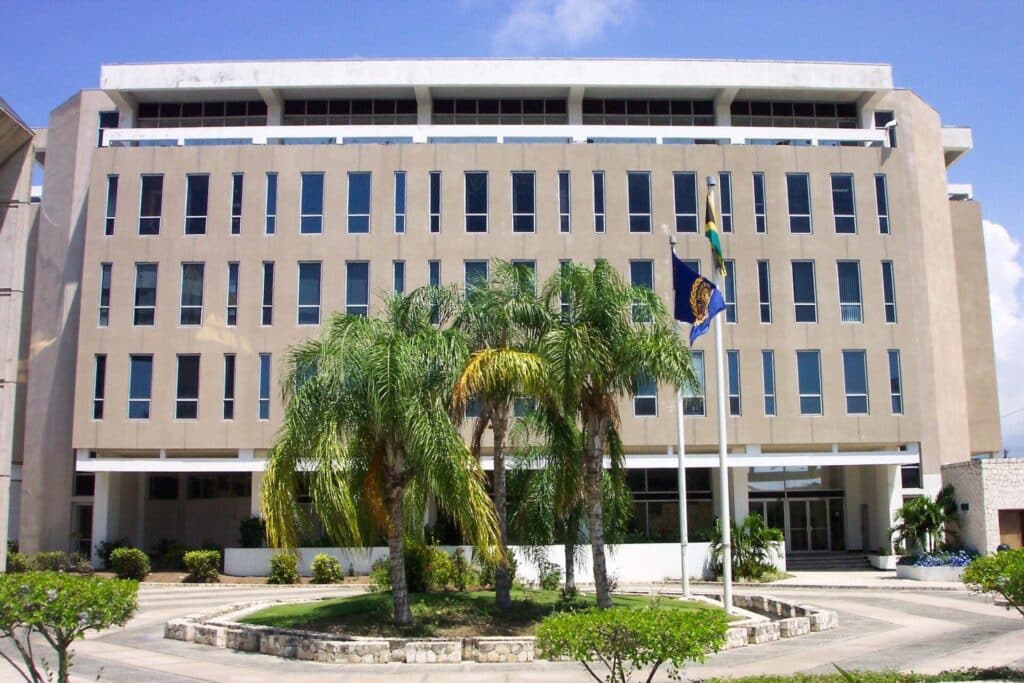
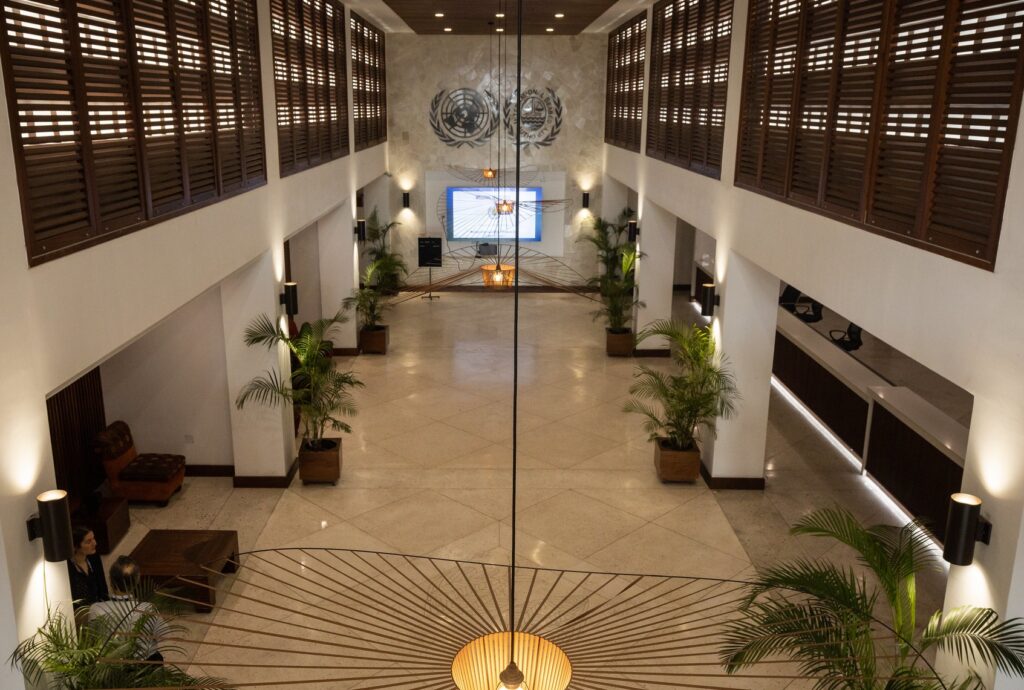
Jamaica occupies a unique position on the international maritime scene as the host state of the International Seabed Authority (ISA). Created as part of the United Nations Convention on the Law of the Sea (UNCLOS) this specialized organization regulates the exploration and exploitation of mineral resources on the high seas. on the high seas.

This role, although not directly exploitative for Jamaica, reinforces its diplomatic influence and its place in the major discussions on sustainable ocean governance. As Mr. Olivier Guyonvarch, Ambassador of France to Jamaica and Permanent Representative to the ISA, this institution represents a key element in the balance between economic development and protection of marine ecosystems.

The International Seabed Authority : A global mission

Created in 1996 under the United Nations Convention on the Law of the Sea (UNCLOS), the ISA is a specialized international organization that regulates mineral resources located beyond national jurisdictions, in what is known as the “high seas”. Today, the International Seabed Authority oversees 31 exploration contracts awarded to 25 countries. Jamaica sponsors one of these contracts, with a British company exploring a specific area. of polymetallic nodules in the Pacific.

One of the main missions of the International Seabed Authority is to finalize a mining code: a regulatory framework that will define the rules and conditions for the future exploitation of these resources. This code must ensure that any exploitation is carried out with the utmost respect for marine ecosystems, while allowing for an equitable sharing of benefits, particularly with developing countries.

ISA
©ISA
ISA
©ISA
ISA
©ISA

Jamaica: A strategic role as host state

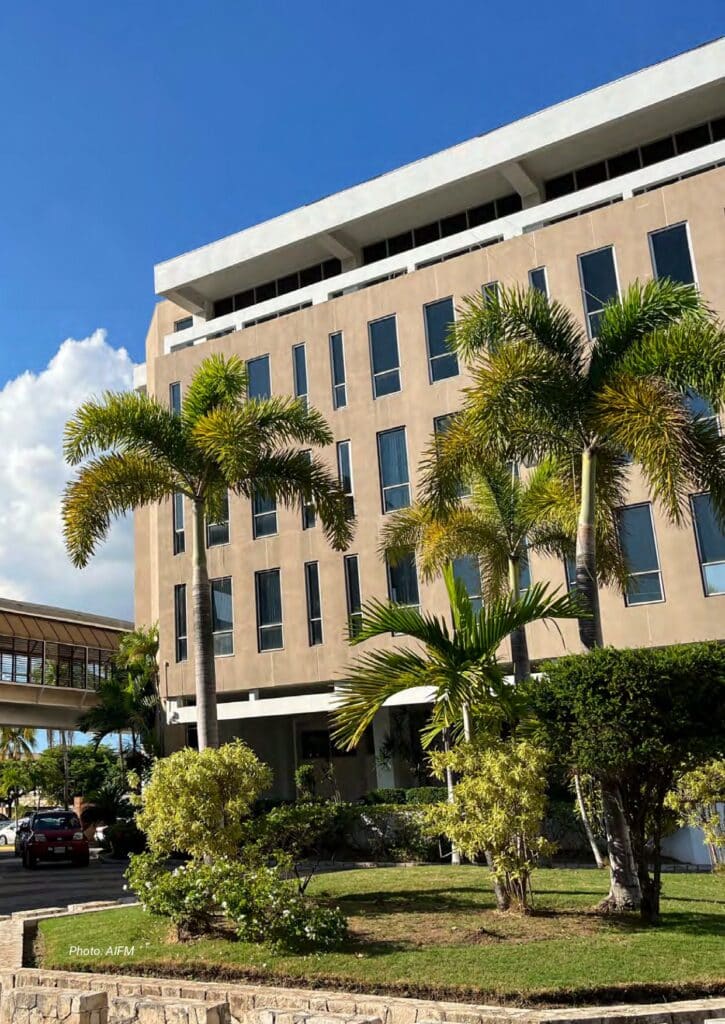
As host state, Jamaica plays an essential role in hosting this international organization, which nevertheless operates independently of its location. The choice of Kingston as IAMF headquarters in 1996 represented a diplomatic victory for Jamaica, reinforcing its image as a key player in international maritime governance.

However, the Caribbean region has no polymetallic nodules, which are mainly located in the Pacific. Despite this, the presence of the International Seabed Authority in Jamaica brings a certain prestige and underlines the country’s commitment to environmental preservation and sustainable development, crucial issues for the entire Caribbean region.

ISA
©ISA
AIFM
© NOAA
AIFM

Environmental challenges and technological ambitions

One of the biggest challenges currently facing the ISA is the adoption of the Mining Code. This complex process involves negotiations between the 36 members of the ISA Council, representing diverse national interests.

The aim is to put in place a framework that ensures fair and sustainable exploitation of resources, while protecting marine ecosystems.

Olivier Guyonvarch also stressed the crucial importance of environmental safeguards in this context. As global demand for polymetallic nodules and other critical minerals increases to meet the needs of renewable energy technologies, the International Seabed Authority will have to ensure that the rules and measures adopted are strictly adhered to. Its role thus becomes fundamental in guaranteeing the delicate balance between economic development and the preservation of marine ecosystems.

AIFM
AIFM
AIFM

The ISA represents a collective effort to meet global environmental challenges and regulate the sustainable use of marine resources.

Although the International Seabed Authority’s operations extend beyond the borders of the Caribbean, its presence in Jamaica symbolizes the interconnectedness of nations when it comes to maritime issues. As the International Seabed Authority moves closer to adopting its mining code, the world will be watching closely as it strives to reconcile resource exploitation with ocean preservation. For Jamaica and the Caribbean, the International Seabed Authority represents both a symbol of international cooperation and a call for sustainable ocean governance.

Leave a Reply

Your email address will not be published. Required fields are marked *

More articles from RK

Mia Mottley
NEWS
Tolotra

Barbados – 30 seats out of 30: Mia Mottley signs a total victory and ushers Barbados into a new political era

Barbados has just entered a major new political sequence. For the third consecutive general election, the Barbados Labour Party (BLP) has won all 30 seats in the House of Assembly. A total victory that confirms Mia Mottley ‘s political hold over the island and ushers in a new phase in the country’s governance. For RichèsKarayib, understanding these political evolutions is also a way to better grasp the profound transformations currently reshaping the balance of power in the Caribbean. Wednesday’s election not only marks political continuity, it also reinforces Barbados’ position as one of the most stable and structured territories in the Caribbean region. Electoral domination without equal in the region The result was indisputable: 30 seats won out of 30. For the third consecutive general election, the BLP won an unopposed parliament. A rare occurrence, even in Caribbean political systems accustomed to solid majorities. This victory confirms Mia Mottley’s domination

Read More »
Piké djouk
HISTORY & HERITAGE
Tolotra

Piké djouk from French Guiana: a dance that tells the social history of the territory

The Piké djouk of Guyana is one of those essential cultural expressions that enable us to understand the social history and identity of Guyana. At once a dance, a rhythm and a festive practice, it embodies a living memory handed down from generation to generation. Even today, it occupies a singular place in cultural events, traditional balls and initiatives to promote Guiana’s intangible heritage. A dance born in Guyanese Creole society The Piké djouk appeared in post-abolition Creole societies, at a time when Afro-descendant populations were rebuilding their own cultural forms. Like many Caribbean and Amazonian dances, it is the result of a blend of African, European and local influences. Popular balls became essential social venues, where people danced, met up and passed on social codes. It’s part of this collective dynamic. It’s not just about entertainment: dance is also a social language, a meeting place and sometimes even a

Read More »
Maryse Condé
HISTORY & HERITAGE
Tolotra

Guadeloupe – February 11, 2026: Maryse Condé, a Caribbean literary conscience that continues to enlighten the world

Maryse Condé remains one of the most powerful voices in Caribbean and French-language literature. In this February 11On the anniversary of her birth in Pointe-à-Pitre in 1934, her work resonates with particular intensity. More than a novelist, she has shaped critical thinking on colonial history, black identity and the multiple heritages of the Caribbean. For readers both in the region and in the diaspora, she is the embodiment of a literature that rejects useless ornamentation in favor of a lucid analysis of reality. Her writing has helped reposition the Caribbean in major contemporary intellectual debates. A literary birth set in Caribbean history The trajectory of Maryse Condé began in Pointe-à-Pitre, in a Guadeloupe still marked by the social hierarchies inherited from colonization. From her earliest works, she set out to deconstruct simplified narratives of West Indian identity. Her work is not limited to memory: it questions the silences, fractures and

Read More »

conTACT RK

we'd love to have your feedback on your experience so far

Join The List

Join our Richès Karayib community!  Sign up for our newsletter.

Want To Maximize Your Business Presence On Riches Karayib?

Complete the form to start the application