
Isla de Providencia: Colombian island between history, nature and resilience

Isla de Providencia

A little-known island in the heart of the Caribbean

Isla de Providencia remains one of the most unique territories in the Caribbean. Located nearly 700 kilometers from the Colombian coast and just 200 kilometers from Nicaragua, it stands out for its geographical isolation and deep-rooted cultural identity. Far from the mass tourism that shapes the image of many Caribbean islands, it embodies a model of authenticity and preservation.

Its history has long been marked by piracy and smuggling. In the XVIIᵉ century, the island served as a strategic base for English privateers, notably Henry Morgan, who planned several attacks against the Spanish colonies. These tales have forged a collective memory that is still vivid, and give Isla de Providencia a special aura in the Caribbean imagination.

An exceptional natural heritage

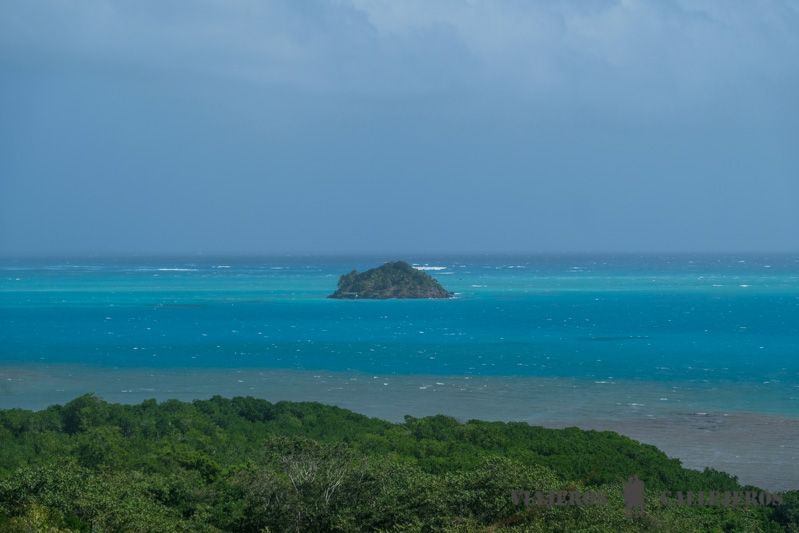
The island is surrounded by the third largest coral reef in the world, classified as a Biosphere Reserve by UNESCO in 2000. This ecological wealth makes Isla de Providencia a sanctuary for marine fauna and a key territory in the fight to protect Caribbean biodiversity. The landscapes alternate between verdant mountains, golden sandy beaches and mangroves, forming a rare balance between nature and culture.

The presence of coral reefs, lagoons and endemic species is a reminder of the island’s importance in regulating marine ecosystems. For researchers and environmentalists, the island is a living laboratory of ecological resilience in the Caribbean. The conservation efforts made by the local population reinforce the island’s reputation as a place where nature is not just a backdrop, but a vital resource.

Isla de Providencia
©voyagefamily
Isla de Providencia
©viajeroscallejeros

A plural cultural identity

The history of Isla de Providencia bears witness to the multiple influences that have shaped it. A former stronghold of the English colonists, marked by the presence of Africans and now part of Colombia, the island retains a lively English Creole language alongside Spanish. Traditional music, blending African rhythms, British tunes and Caribbean sounds, illustrates this unique cultural hybridity.

The island’s gastronomy is based on seafood and coconut milk. The black crab, an endemic species on the island, has become a culinary and identity symbol. Its fishing is governed by strict community rules to preserve the resource, demonstrating how local culture integrates sustainable practices. This collective management is an example of successful community governance, where tradition and modernity come together to serve the common good.

Isla de Providencia
©viajeroscallejeros
Isla de Providencia
©viajeroscallejeros

Resilience in the face of hardship

In November 2020, Isla de Providencia was hit by Hurricane Iota, the most powerful hurricane ever recorded in the area. Nearly 98% of the island’s infrastructure was destroyed, including schools, hospitals, homes and energy networks. In the face of this disaster, the island has embarked on a gradual reconstruction, with the support of the diaspora, NGOs and the Colombian government.

This resilience illustrates the ability of island communities to overcome disasters while affirming their determination to protect their natural and cultural heritage. Inhabitants have opted for environmentally-friendly reconstruction, using more resistant materials and infrastructures designed to limit the impact of future cyclones. Today, despite the difficulties, the island is a model of rebirth in the Caribbean.

Isla de Providencia
©viajeroscallejeros
Isla de Providencia
©viajeroscallejeros

Confidential, sustainable tourism

Unlike its neighbor San Andrés, Isla de Providencia has opted for limited tourism development. A handful of family-run hotels and guesthouses welcome visitors, in a spirit of respect for social and environmental balance. The locals, who are very involved in the organization of hospitality, make tourism a complementary activity rather than a dominant industry.

This strategic orientation protects the island from the excesses of mass tourism and ensures a better distribution of income within the community. It also positions the island as a benchmark for responsible tourism in the Caribbean, attracting a public in search of authenticity and meaning. This measured approach helps to maintain a close bond between the island’s inhabitants and their territory, avoiding the excesses seen elsewhere.

Isla de Providencia
©Charly Boillot
Isla de Providencia
©viajeroscallejeros

Historical and strategic roots

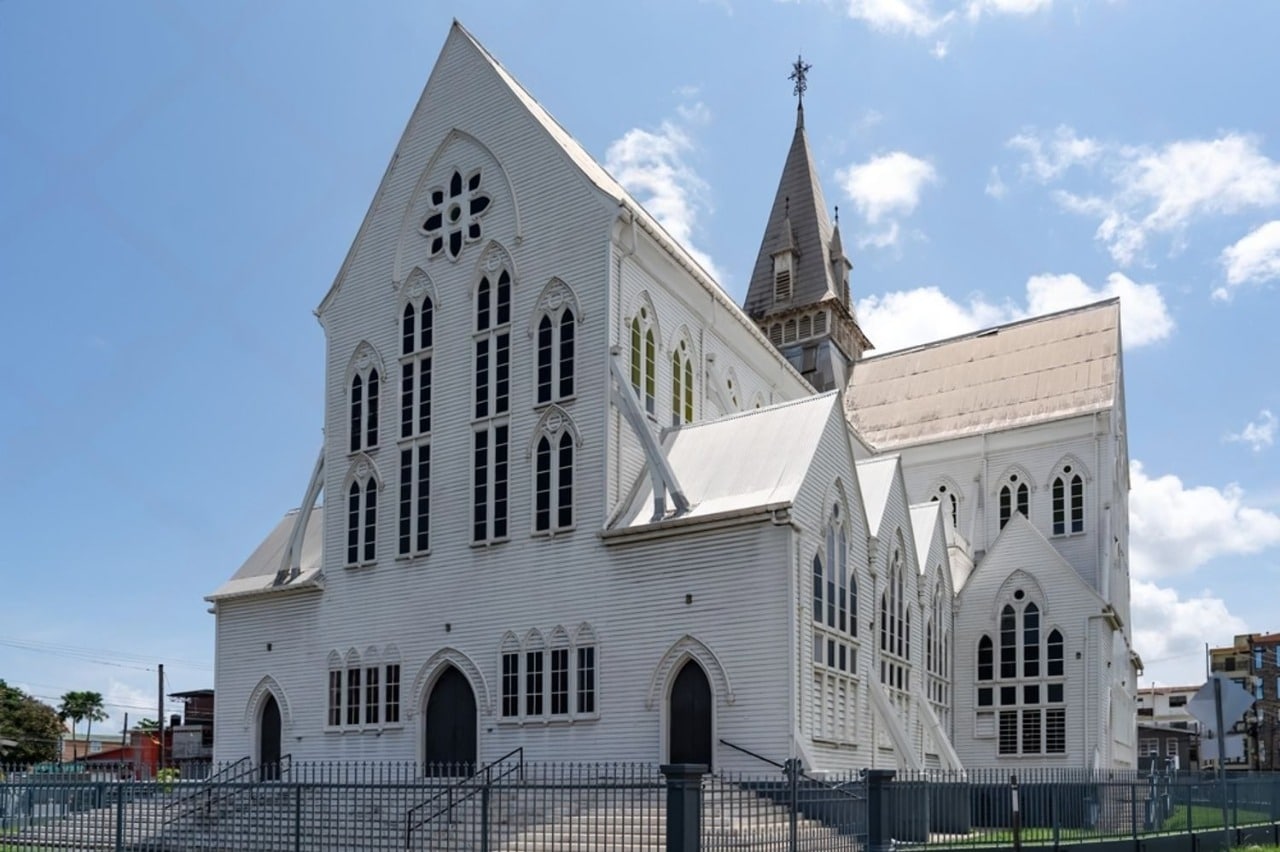
Isla de Providencia ‘s importance extends beyond its island setting. During colonization, it was a strategic point for European powers in the Caribbean Sea. Spanish attempts to recapture the island from English colonists bear witness to its geopolitical value. Today, this memory is reflected in the ruins, oral histories and traditions that remind us that the Caribbean was a place of confrontation, but also of cross-fertilization.
This historical heritage, far from being static, is mobilized by the inhabitants as a lever of identity and tourism. Isla de Providencia is more than just a landscape; it’s also a place where history is embodied in everyday life, through language, music and social practices.

Isla de Providencia
©viajeroscallejeros

A Caribbean off the beaten track

Isla de Providencia illustrates another facet of the Caribbean: a discreet island, driven by its history, marked by climatic challenges, but determined to preserve what makes it unique. With its past as a land of privateers, its rich natural heritage and its resilience in the face of disasters, it symbolizes a Caribbean that looks to the future without denying its roots.

Highlighting the island shows that there are territories in the region that successfully combine cultural identity, historical memory and sustainable strategies. It embodies a more intimate Caribbean, where the balance between man and nature is not a slogan but a lived reality.

Leave a Reply

Your email address will not be published. Required fields are marked *

More articles from RK

Zona Colonial
TOURISM
Tolotra

Dominican Republic – Zona Colonial: 1502, the first paved street in the Americas

Zona Colonial, in Santo Domingo, capital of the Dominican Republic, boasts a street billed as the first paved street in the Americas. It’s called “Calle Las Damas”. In the early 16th century, the ladies of the court of María de Toledo, wife of Diego Colón, used it to walk between the buildings of Spanish power, under the Caribbean sun. The street is still there. It borders the Ozama, the river that flows into the Caribbean Sea. And it provides access to the most densely populated “first-time” district in all of colonial America: the Zona Colonial. A UNESCO-listed founding city Zona Colonial, also known as Ciudad Colonial in the Dominican Republic, was designated aUNESCO World Heritage Site in 1990. Santo Domingo is considered to be the first permanent European city in the Americas. First established on the east bank of the Ozama in 1496, then founded as a colonial city in

Read More »
Patrick Chamoiseau
LITERATURE
Tolotra

Patrick Chamoiseau: the Goncourt voice of Creolité

On November 9 1992, in Paris, the Prix Goncourt jury announced its winner: Patrick Chamoiseau, for “Texaco“. The news crossed the Atlantic. In Fort-de-France, Chamoiseau’s childhood home, it resounded like a major recognition. For the first time since René Maran, who won the 1921 Prix Goncourt for Batouala, a West Indian writer received France’s most prestigious literary award. And it’s not just any book: Texaco tells the story of a Martinican lineage through the voice of a woman, in a language that blends French and Creole as if the two had never been separated. A fort-de-française childhood turned into literary material Patrick Chamoiseau was born in Fort-de-France on December 3, 1953. He grew up in the city center, particularly around rue François-Arago, which he would later evoke in Antan d’enfance and Chemin-d’école, two of his most tender books. He went on to study law and social economics in France, before

Read More »
Caribbean
TOURISM
Tolotra

The Caribbean, silent antidote to contemporary exhaustion

A global report published in early 2026 by Amadeus reveals what travelers will be looking for in 2026. The Caribbean has always carried it. There’s a precise moment, in a Caribbean village in the early hours of the morning, when the noise of the world seems to stop. The first lights fall on the facades, a voice answers from one courtyard to another, the smell of coffee mingles with that of the nearby sea. Hardly anyone checks their phone. Life is there, in front of us, denser than any notification. This scene, commonplace for anyone who lives in the Caribbean, is precisely what millions of travellers around the world are now looking for. When the world is looking to get off the hook These are the findings of Travel Dreams 2026: From data to delight, a study published in early 2026 by Amadeus, one of the world’s leading technology players

Read More »

conTACT RK

we'd love to have your feedback on your experience so far

Join The List

Join our Richès Karayib community!  Sign up for our newsletter.

Want To Maximize Your Business Presence On Riches Karayib?

Complete the form to start the application