


Jamaica’s Reggae Music: Global Influence and Impact

Reggae Music

Origins of Reggae Music

Reggae Music finds its roots in various musical genres, notably ska and rocksteady. In the 1960s, Jamaica experienced a musical evolution where ska, a fast-paced and danceable genre, dominated the scene. However, over time, artists began to experiment with slower rhythms and more socially engaged lyrics, giving birth to rocksteady. It was during this period that social, political, and spiritual themes began to emerge.

The term “reggae” itself was first used in the song “Do the Reggay” by Toots and the Maytals in 1968. This new musical style is characterized by syncopated rhythms, deep bass, and lyrics that reflect the realities of life in Jamaica.

Reggae Music, a true symbol of Jamaican culture, is much more than just a musical genre. It embodies the identity, struggles, and aspirations of the Jamaican people. Since its inception in the 1960s, Reggae Music has transcended geographical and cultural boundaries, touching millions worldwide. This article explores the history of Reggae Music, its evolution, the iconic Bob Marley, the impact of contemporary artists, and recent reggae festivals.

Bob Marley: The Icon of Reggae Music

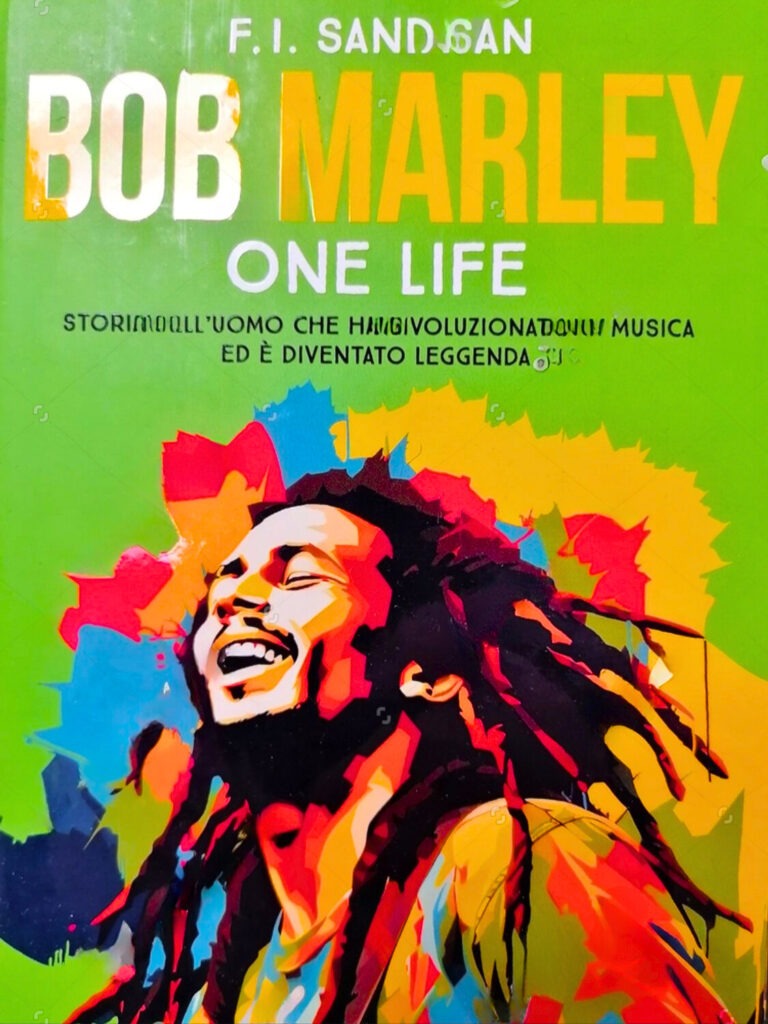
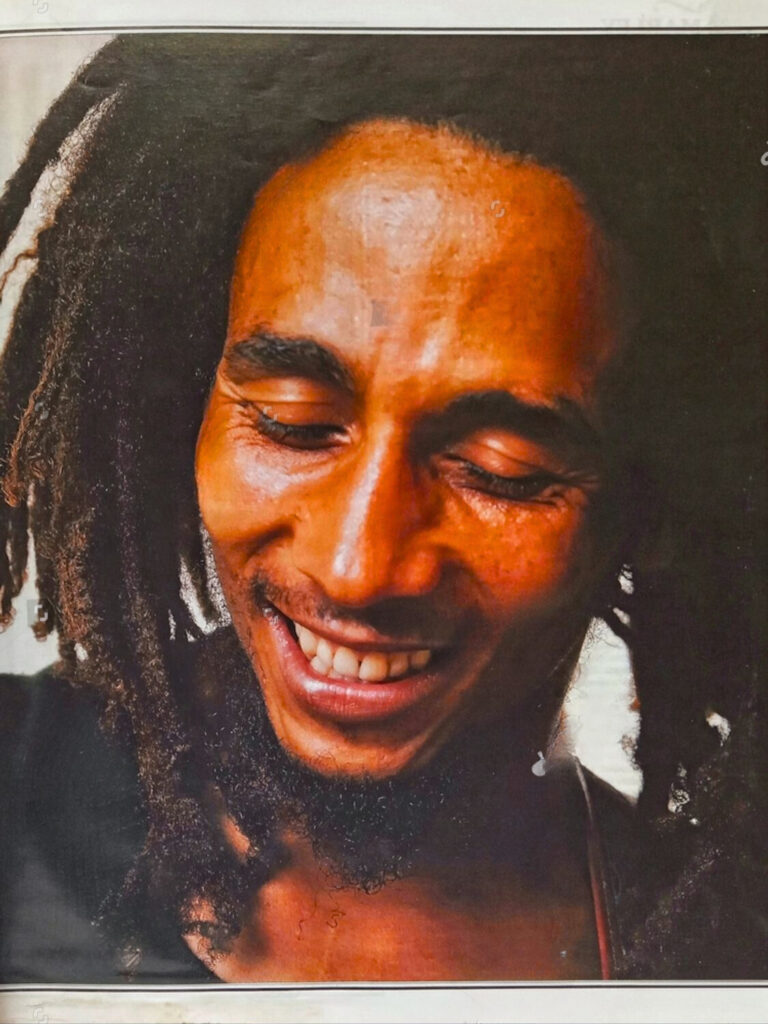
No other artist embodies Reggae Music like Bob Marley. Born in 1945 in Nine Mile, Jamaica, Marley grew up in an environment marked by poverty and inequality. His music quickly became a platform for expressing social and political concerns. With his band, The Wailers, Marley released several iconic albums such as “Catch a Fire” and “Rastaman Vibration.”

Reggae Music
Bob Marley
Reggae Music
Bob Marley

Marley’s lyrics speak of unity, peace, and resistance against oppression. Songs like “No Woman, No Cry,” “One Love,” and “Redemption Song” have become anthems for numerous social movements worldwide. By integrating Rastafarian spirituality into his music, Marley also helped popularize this philosophy on an international level. His universal message resonated with listeners from all walks of life, making him a spokesperson for the oppressed.

His performance at the Smile Jamaica reggae festival in 1976, while he was the target of an assassination attempt, showcased his resilience and commitment to music and his people. Marley passed away in 1981, but his legacy lives on. He was the first Jamaican musician to achieve worldwide fame, paving the way for many artists who followed.

The Evolution of Reggae Music

After Bob Marley, Reggae Music continued to evolve and diversify. Artists like Peter Tosh and Bunny Wailer, also members of The Wailers, carried on the reggae tradition while exploring new themes and styles. Peter Tosh, with songs like “Legalize It” and “Equal Rights,” highlighted strong political messages, advocating for cannabis legalization and human rights.

Modern Reggae Music Singers

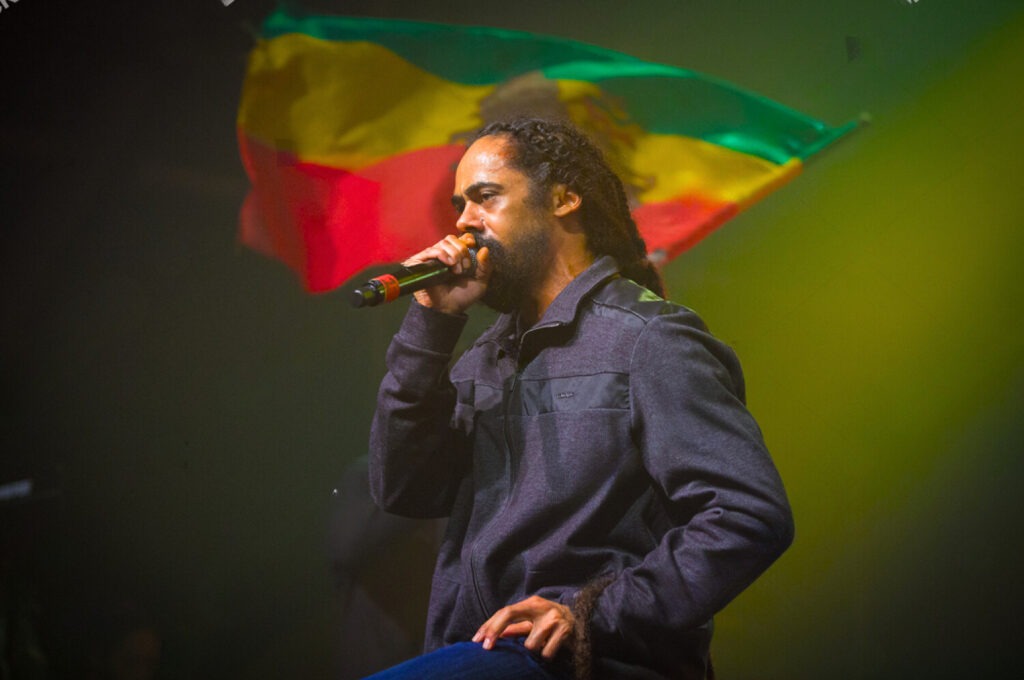
Today, the Reggae Music scene is dynamic and innovative. Contemporary artists like Damian Marley, Bob Marley’s son, continue to explore Reggae Music themes while integrating elements of hip-hop and electronic music. His album “Welcome to Jamrock” achieved immense success, addressing social and political issues while staying true to its reggae roots.

Reggae Music
Damian Marley

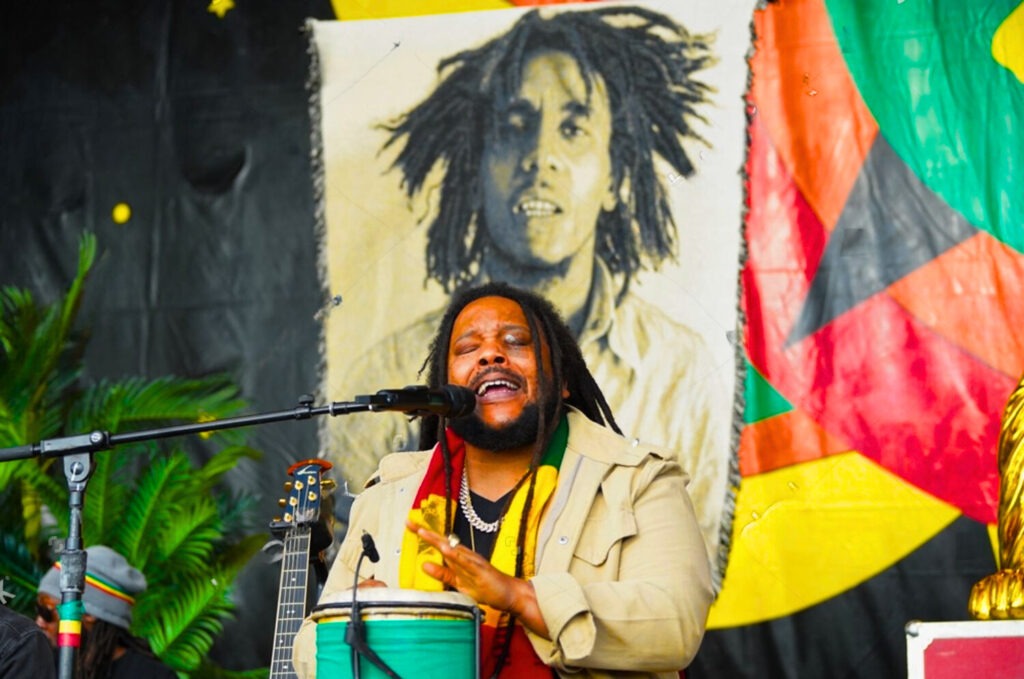
Another prominent member of the Marley dynasty is Stephen Marley. As Bob Marley’s son, he has made a name for himself with his music, combining traditional reggae and modern influences. Stephen has won several Grammy Awards for his solo albums, such as “Mind Control” and “Revelation Pt. 1 – The Root of Life.” His productions and collaborations with other reggae and reggae fusion artists continue to promote the genre globally.

Reggae Music
Stephen Marley

Other artists, like Protoje and Koffee, have also made their mark by integrating modern influences while preserving the essence of Reggae Music. Protoje, with his unique style, blends traditional reggae with hip-hop elements, while Koffee, a young prodigy, has captivated audiences with her sweet voice and powerful lyrics, even winning a Grammy Award for her EP “Rapture.”

Collaborations between Reggae Music artists and musicians from other genres have also become commonplace. Collaborations between reggae artists and international stars like Rihanna and Major Lazer have helped increase reggae’s visibility on the global stage.

Global Impact of Reggae Music

Reggae Music has had a significant impact beyond Jamaica’s borders. It has influenced numerous musical genres, including rock, hip-hop, and pop. Artists like The Police, Eric Clapton, and No Doubt have incorporated reggae elements into their music, contributing to the genre’s spread.

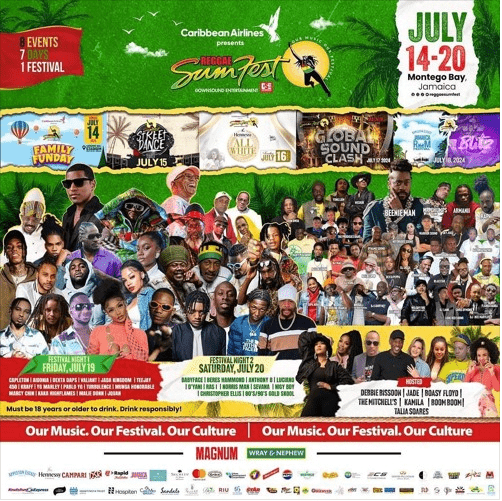
In 2024, several reggae festivals were held worldwide, celebrating this music and its heritage. Among them, the famous Reggae Sumfest, which took place from 14 July to 20 July 2024, in Montego Bay, Jamaica, attracted thousands of reggae fans, featuring performances from artists like Damian Marley, Protoje, and Koffee. This festival is considered one of the largest Reggae Music events globally.

Reggae Music
Reggae Sumfest
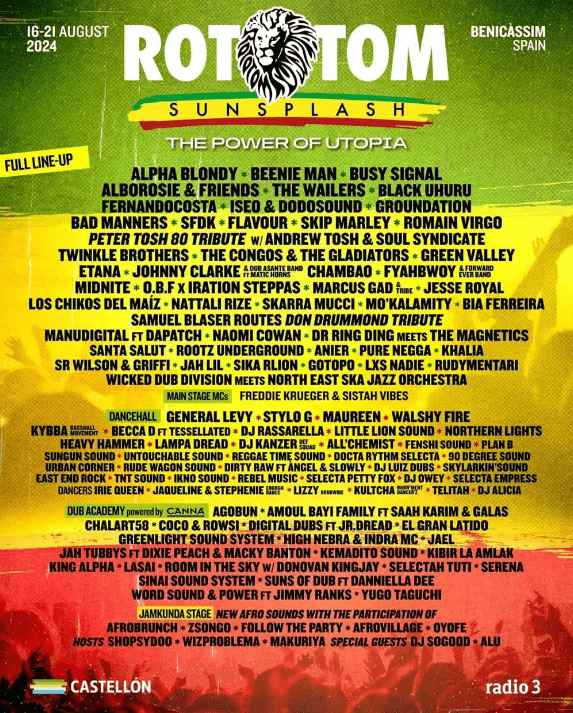
  • Rototom Sunsplash (Spain): This iconic festival took place from 16 August to 21 August 2024, in Benicàssim, attracting thousands of reggae fans from across Europe. Artists like Jimmy Cliff and Ziggy Marley delivered memorable performances.
  •  
  • One Love Festival (United Kingdom): took place from 02 August to 03 August 2024, this festival highlighted reggae and dancehall artists, gathering fans to celebrate love and unity through music.
Reggae Music
Reggae Music
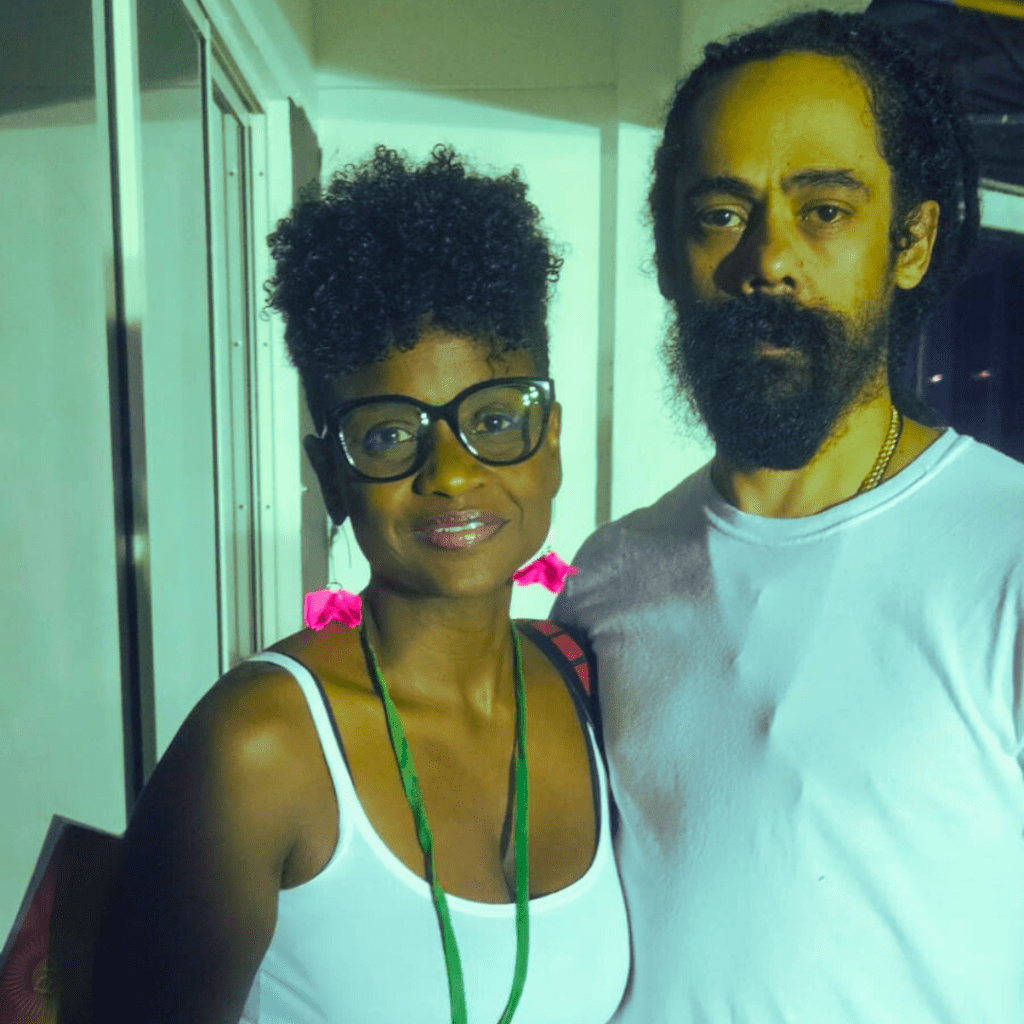
  • We met Stephen and Damian Marley at the WCMF 2024. It was a memorable experience and a testament to the ongoing impact of reggae music on global culture.
Reggae Music
Damien marley
Damien marley
Stephen marley

Reggae Music is more than just a musical genre; it is an expression of the culture, history, and struggles of the Jamaican people. With iconic figures like Bob Marley and a new generation of innovative artists like Stephen Marley, Reggae Music continues to evolve while staying true to its roots. Its global influence demonstrates its ability to touch hearts and transcend cultural barriers. As Reggae Music continues to develop, it remains a powerful voice for peace, love, and social justice worldwide.

2 Responses

Leave a Reply

Your email address will not be published. Required fields are marked *

More articles from RK

Zona Colonial
TOURISM
Tolotra

Dominican Republic – Zona Colonial: 1502, the first paved street in the Americas

Zona Colonial, in Santo Domingo, capital of the Dominican Republic, boasts a street billed as the first paved street in the Americas. It’s called “Calle Las Damas”. In the early 16th century, the ladies of the court of María de Toledo, wife of Diego Colón, used it to walk between the buildings of Spanish power, under the Caribbean sun. The street is still there. It borders the Ozama, the river that flows into the Caribbean Sea. And it provides access to the most densely populated “first-time” district in all of colonial America: the Zona Colonial. A UNESCO-listed founding city Zona Colonial, also known as Ciudad Colonial in the Dominican Republic, was designated aUNESCO World Heritage Site in 1990. Santo Domingo is considered to be the first permanent European city in the Americas. First established on the east bank of the Ozama in 1496, then founded as a colonial city in

Read More »
Patrick Chamoiseau
LITERATURE
Tolotra

Patrick Chamoiseau: the Goncourt voice of Creolité

On November 9 1992, in Paris, the Prix Goncourt jury announced its winner: Patrick Chamoiseau, for “Texaco“. The news crossed the Atlantic. In Fort-de-France, Chamoiseau’s childhood home, it resounded like a major recognition. For the first time since René Maran, who won the 1921 Prix Goncourt for Batouala, a West Indian writer received France’s most prestigious literary award. And it’s not just any book: Texaco tells the story of a Martinican lineage through the voice of a woman, in a language that blends French and Creole as if the two had never been separated. A fort-de-française childhood turned into literary material Patrick Chamoiseau was born in Fort-de-France on December 3, 1953. He grew up in the city center, particularly around rue François-Arago, which he would later evoke in Antan d’enfance and Chemin-d’école, two of his most tender books. He went on to study law and social economics in France, before

Read More »
Caribbean
TOURISM
Tolotra

The Caribbean, silent antidote to contemporary exhaustion

A global report published in early 2026 by Amadeus reveals what travelers will be looking for in 2026. The Caribbean has always carried it. There’s a precise moment, in a Caribbean village in the early hours of the morning, when the noise of the world seems to stop. The first lights fall on the facades, a voice answers from one courtyard to another, the smell of coffee mingles with that of the nearby sea. Hardly anyone checks their phone. Life is there, in front of us, denser than any notification. This scene, commonplace for anyone who lives in the Caribbean, is precisely what millions of travellers around the world are now looking for. When the world is looking to get off the hook These are the findings of Travel Dreams 2026: From data to delight, a study published in early 2026 by Amadeus, one of the world’s leading technology players

Read More »

conTACT RK

we'd love to have your feedback on your experience so far

Join The List

Join our Richès Karayib community!  Sign up for our newsletter.

Want To Maximize Your Business Presence On Riches Karayib?

Complete the form to start the application