Martinique – Regional Cooperation Fund Seminar: The Caribbean, an area of opportunities despite challenges

Regional Cooperation Fund Seminar

The Regional Cooperation Fund Seminar was held on Wednesday April 16, 2025 in Fort-de-France, in the Salle Félix Éboué at the prefecture. On the theme of “Porteurs de projets et diplomatie” (“Project carriers and diplomacy”), this event hosted by Marie-Marthe Bredas brought together a panel of diplomats, institutional representatives, researchers and players in the field to discuss a major issue : how to intensify cooperation between Martinique and the countries of the Caribbean, in a context that is sometimes complex, but rich in opportunities?

A strategic meeting place for project developers

A theme focused on active diplomacy and cooperation


This morning of exchanges highlighted the essential role of diplomacy in supporting local initiatives on the international stage. The key word of this Regional Cooperation Fund Seminar was clear: the Caribbean. All eyes were on this region, which is both geographically and culturally close to us, but still too little explored by Martinique’s project leaders.

A solid organization supported by local and national institutions


Jointly organized by the Prefecture, the Collectivité Territoriale de Martinique (CTM), the “Secrétariat Général pour les Affaires Régionales” (SGAR) and FCR partners, the Regional Cooperation Fund Seminar began at 8:45am with a warm welcome, followed by opening remarks from the Prefect or his representative, and a representative of the CTM. The aim? To give concrete impetus to regional cooperation in the Caribbean.

A wide range of speakers to shed light on Caribbean issues

Voices from diplomacy and the field


Keynote speakers included Bernard Regnauld-Fabre, Diplomatic Advisor to the Prefect, Christiane Bourgeois, COCAC at the French Embassy in Saint Lucia, Allison Joseph, Saint Lucia’s Consul General for the West Indies and French Guiana, and Mark Frampton, Dominica’s Honorary Consul for Martinique. Each shared his or her concrete experience of cooperation with the Caribbean, emphasizing the subtleties of protocol, the networks to be mobilized, but also the opportunities to be seized.

Regional Cooperation Fund Seminar
Christiane Bourgeois
Regional Cooperation Fund Seminar
Mme Allison Joseph
Regional Cooperation Fund Seminar
Mark Frampton

Complementarity between academic expertise, public action and consular representation


Justin Daniel, political scientist and professor of political science, offered a geopolitical perspective, outlining the influence games underway in the area, the persistent tensions, but also the logics of regional solidarity. His lucid yet committed analysis reminded us that the Caribbean is a strategic area for Martinique, in terms of diplomacy, economic development and cultural identity.

Regional Cooperation Fund Seminar
Justin Daniel

Cooperation with the Caribbean : complex but promising realities

Clearly identified obstacles


Yes, cooperation with the Caribbean is not always straightforward. Speakers from Regional Cooperation Fund Seminar have highlighted administrative hurdles, unfamiliarity with schemes, the diversity of political systems, language barriers and difficulties in mobilizing funds. But all agree: these challenges can be overcome with better coordination of local players and a strong political will.

But a shared desire to strengthen ties


Despite these challenges, one strong conviction emerged: it’s worth working with the Caribbean. All speakers, without exception, reaffirmed their attachment to this regional space. For them, the Caribbean is not just a strategic neighborhood, it’s a community of destinies, and above all a privileged field of action for Martinique’s diplomacy. Regional Cooperation Fund Seminar contributed to the emergence of this collective awareness.

Why does Martinique need to become more firmly rooted in its regional environment?

Leveraging membership of regional organizations


Patricia Telle, elected member of the CTM and Chair of the Regional Cooperation Commission, emphasized the importance of regional integration through Martinique’s membership of organizations such as the OECS (Organization of Eastern Caribbean States) and the ACS (Association of Caribbean States). These structures are platforms that enable Martinique’s project leaders to express themselves, innovate and collaborate. Regional Cooperation Fund Seminar reinforced the idea that these memberships should be valorized and better exploited.

Sandra Drouault also presented the CTM’s actions to promote better understanding and exchanges with other Caribbean territories.

Regional Cooperation Fund Seminar
Patricia Telle
Regional Cooperation Fund Seminar
Sandra Drouault

A driving force for project developers


In this sense, the Regional Cooperation Fund Seminar supported in particular by the AFD (Agence Française de Développement) and the prefecture, appears to be a central tool. It enables us to finance concrete cooperation projects with neighboring countries. The Caribbean needs the commitment of those who want to turn ideas into action.

The Caribbean is not a distant horizon. It’s right here. And the time to act is now. The Regional Cooperation Fund Seminar by bringing together high-level experts and those with experience, reminded us that despite the constraints, working with the Caribbean remains not only possible, but profoundly strategic. It’s now up to Martinique’s players to build on this momentum and give life to a territorial diplomacy that’s bold, modern and rooted in its natural basin. FCR is one of the mechanisms set up to encourage exchanges between Caribbean territories.

Regional Cooperation Fund Seminar

Leave a Reply

Your email address will not be published. Required fields are marked *

More articles from RK

Caribbean Cinema
FILM & VIDEO
Tolotra

S8/10 – Stories from Caribbean Cinema: Youth, Women, and New Pathways. Texts by Guillaume Robillard. Ciclic, 2026.

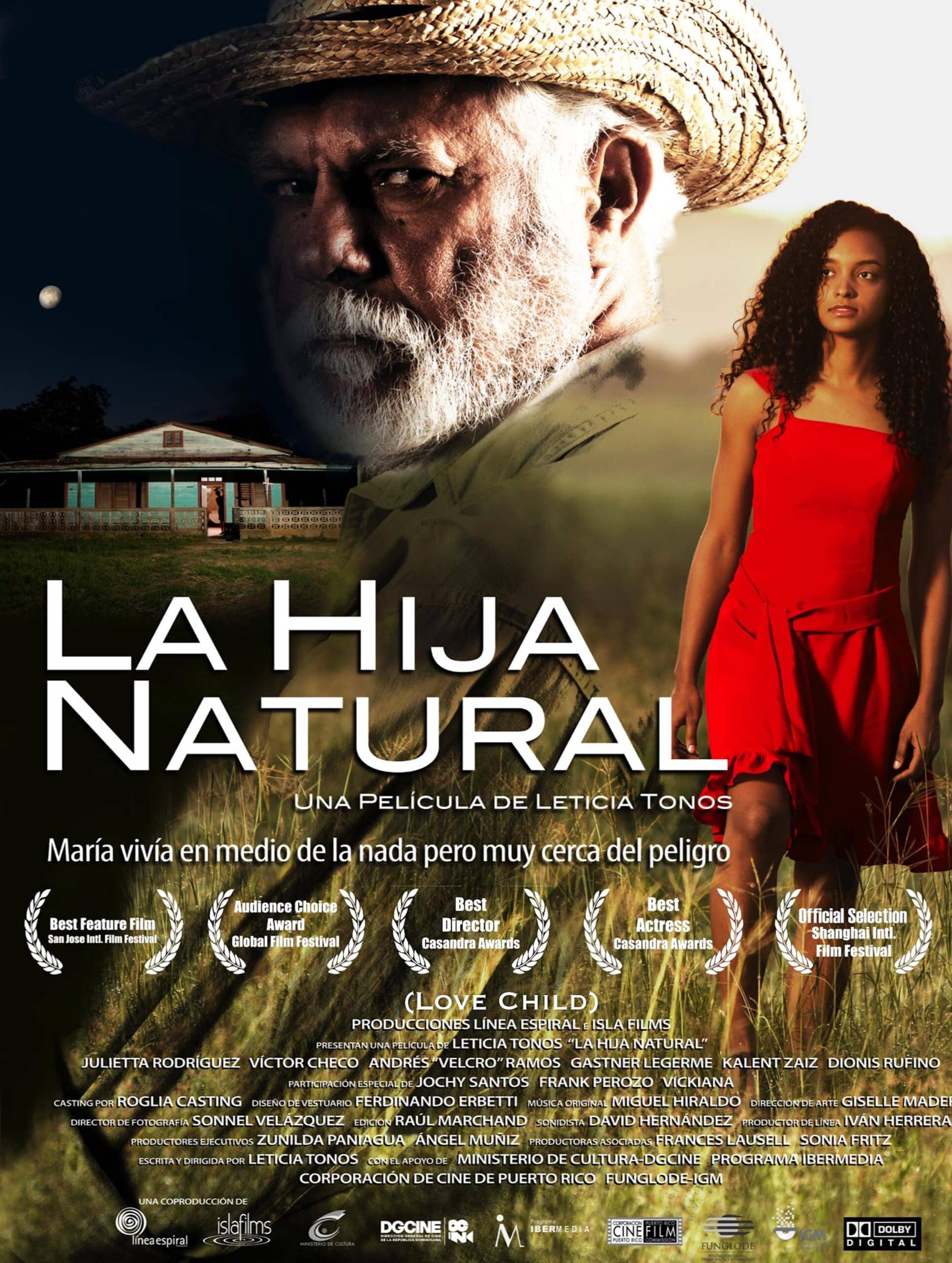
The history of Caribbean cinema now moves into the 2000s and 2010s. After seven installments and several decades of filmmaking, this eighth installment brings together three films from Guadeloupe and the Dominican Republic, each exploring individual journeys that serve as gateways to broader social realities. *Nèg Maron* explores the lives of urban youth in Guadeloupe. *La Hija Natural* follows a young woman who sets out to find her father in the Dominican Republic. *Le Bonheur d’Elza* also tells the story of a family quest that takes its main character all the way to Guadeloupe. You are now on the eighth episode out of ten. The first seven are already available on Richès Karayib. After this one, there will be two more episodes to explore the most contemporary Caribbean cinema. 2005: GUADELOUPE – *NÈG MARON*, BY JEAN-CLAUDE BARNY Nèg Maron is the film of a generation. Starring two Guadeloupean dancehall stars,
Read More »
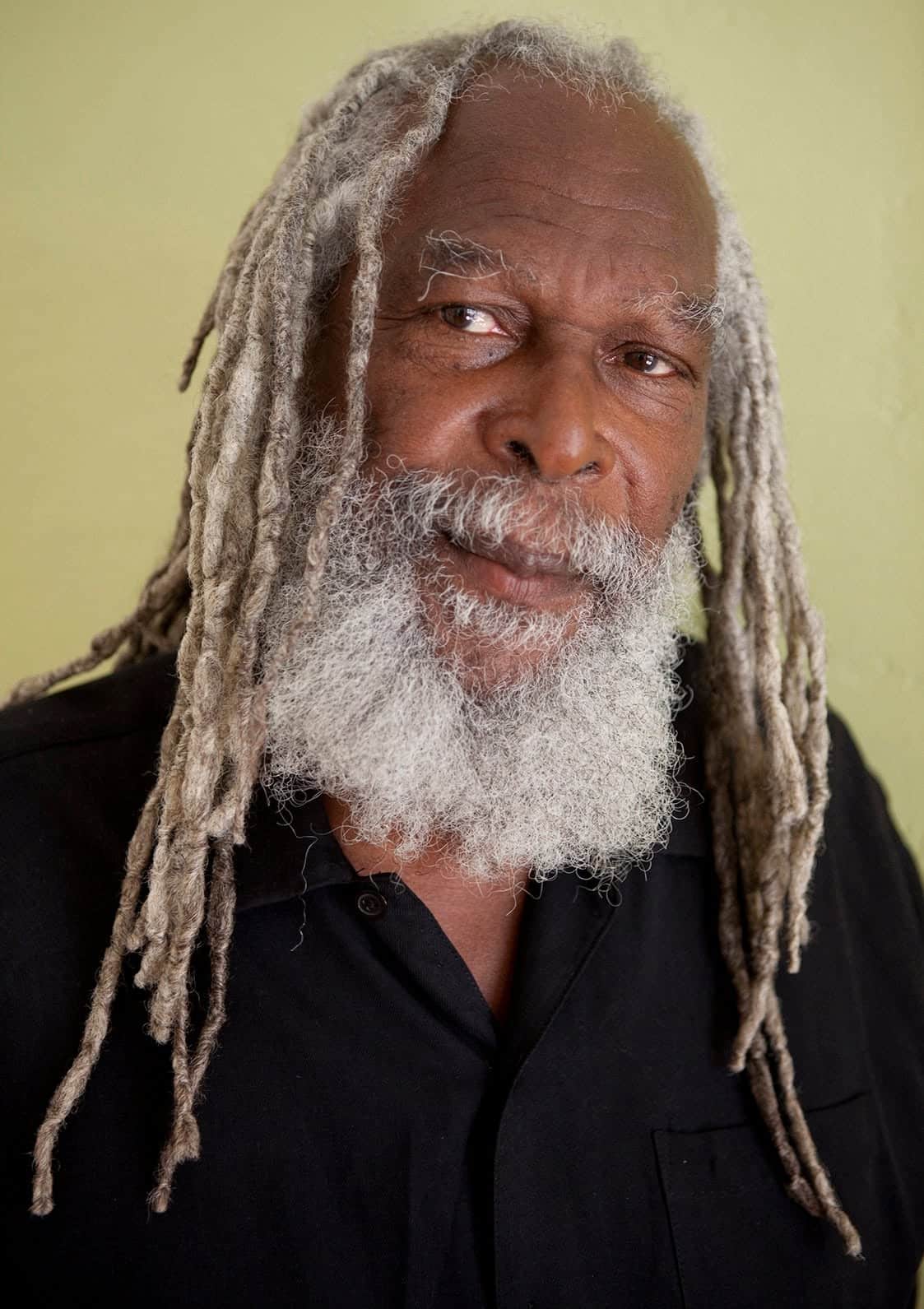
Portrait of Bob Andy, Jamaican singer and songwriter, in front of a green wall
MUSIC
Tolotra

“Bob Andy,” from Maxfield Park, made it into the UK Top 5 in 1970

Bob Andy, born Keith Anderson in Kingston in 1944, is one of Jamaica’s greatest songwriters. He wrote “I’ve Got to Go Back Home” in 1967, reached number five on the British charts in 1970 with Marcia Griffiths, and was awarded the Order of Distinction in 2006. His career, however, began on the streets. Bob Andy, a homeless child from Kingston As a child, Bob Andy had neither a stable home nor a real school. He would later describe himself as a runaway who was practically homeless, sleeping rough in Rockfort, Kingston. Placed in the Maxfield Park children’s home, he taught himself to play the piano and sang in the choir at Kingston Parish Church.  This education, though he never earned a diploma, would remain a source of pride for him. It was in the choir that the young Keith Anderson befriended Tyrone Evans. Together, they formed a vocal group, the
Read More »
code noir
HISTORY & HERITAGE
Tolotra

Code Noir: 341 Years After 1685, Parliament Officially Repeals It

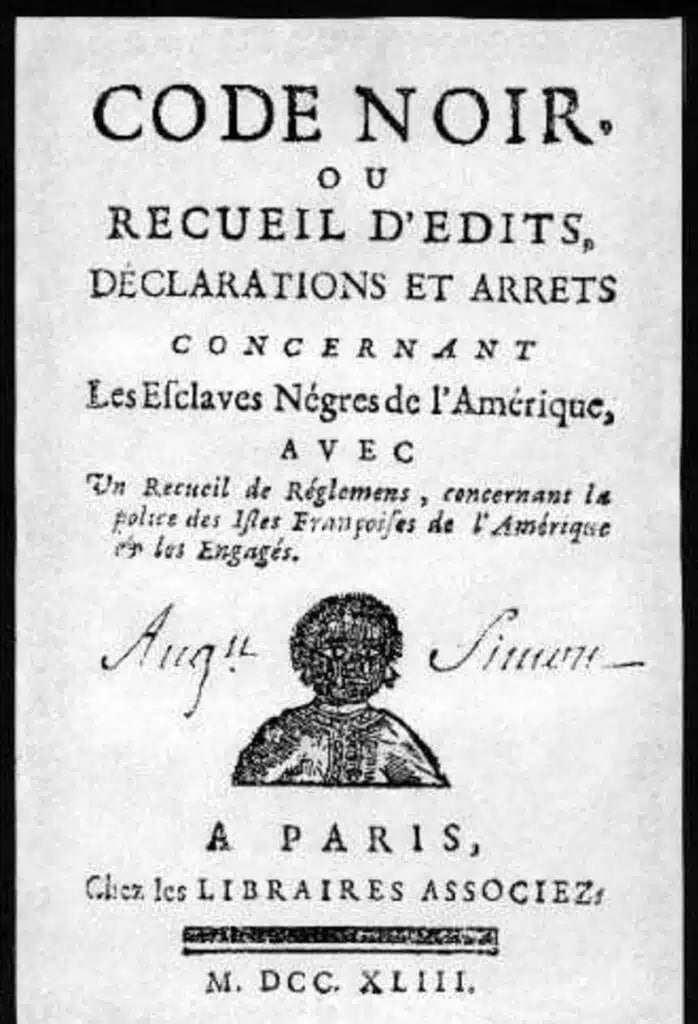
On October 20, 2026, the Senate passed the bill to repeal the Code Noir without amendment, by a vote of 320 in favor and none against. Parliament has thus completed its review of a bill sponsored by Guadeloupe Representative Max Mathiasin, 341 years after the edict of March 1685. All that remains is for the law to be enacted. “Code Noir”: A Vote with No Opposing Votes in the Senate On Tuesday, October 20, 2026, senators voted on the bill as adopted by the National Assembly on May 28. The vote resulted in 320 votes in favor, none against, and 18 abstentions, all from the Kanaky Communist, Republican, Citizen, and Ecologist Group. With no amendments, the bill is definitively adopted. Five amendments put to a public vote, introduced by the Socialist and Communist caucuses, were rejected. The text therefore remains identical to that of the Chamber of Deputies. The Senate
Read More »

conTACT RK

we'd love to have your feedback on your experience so far

Join The List

Join our Richès Karayib community!  Sign up for our newsletter.

Want To Maximize Your Business Presence On Riches Karayib?

Complete the form to start the application