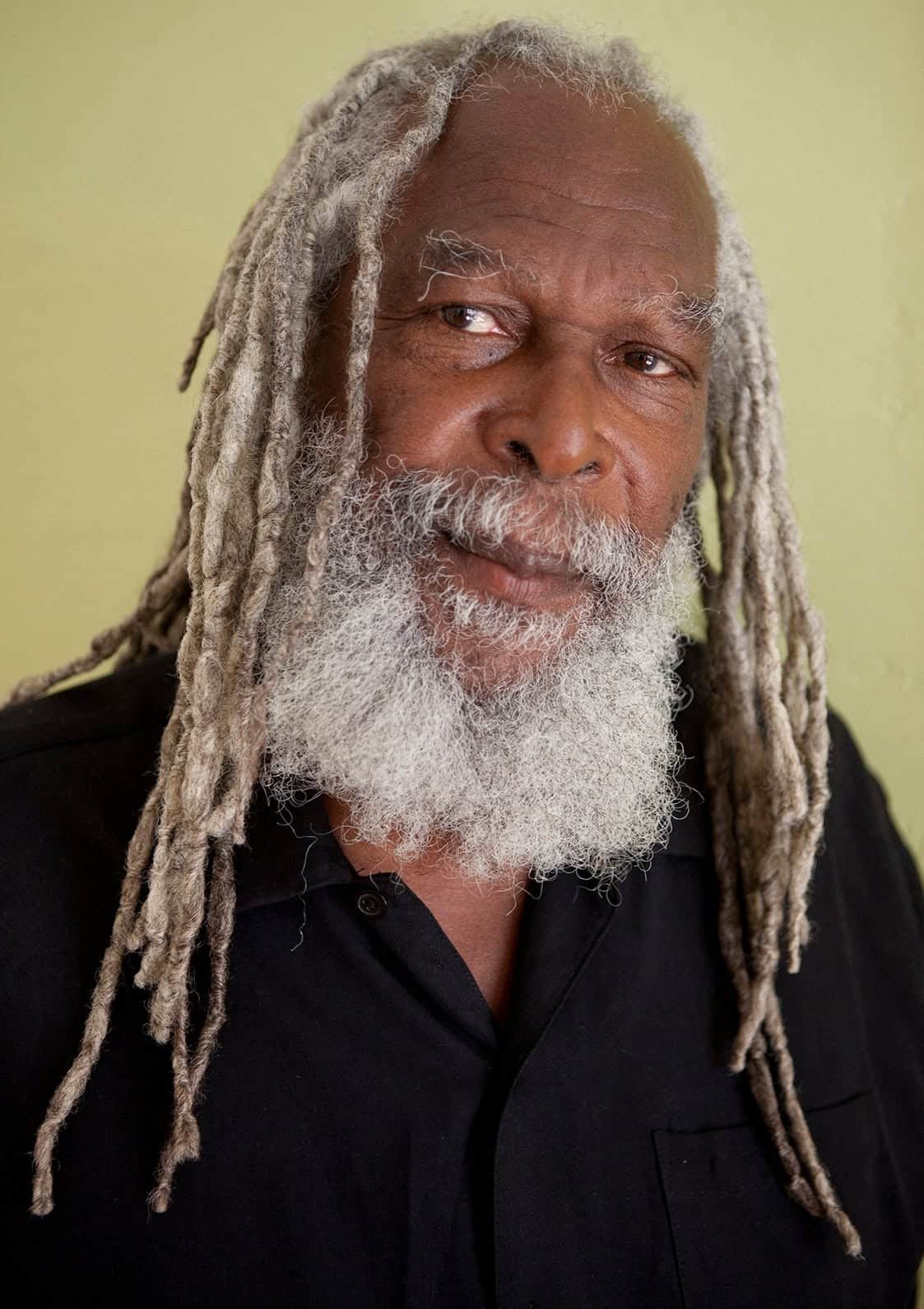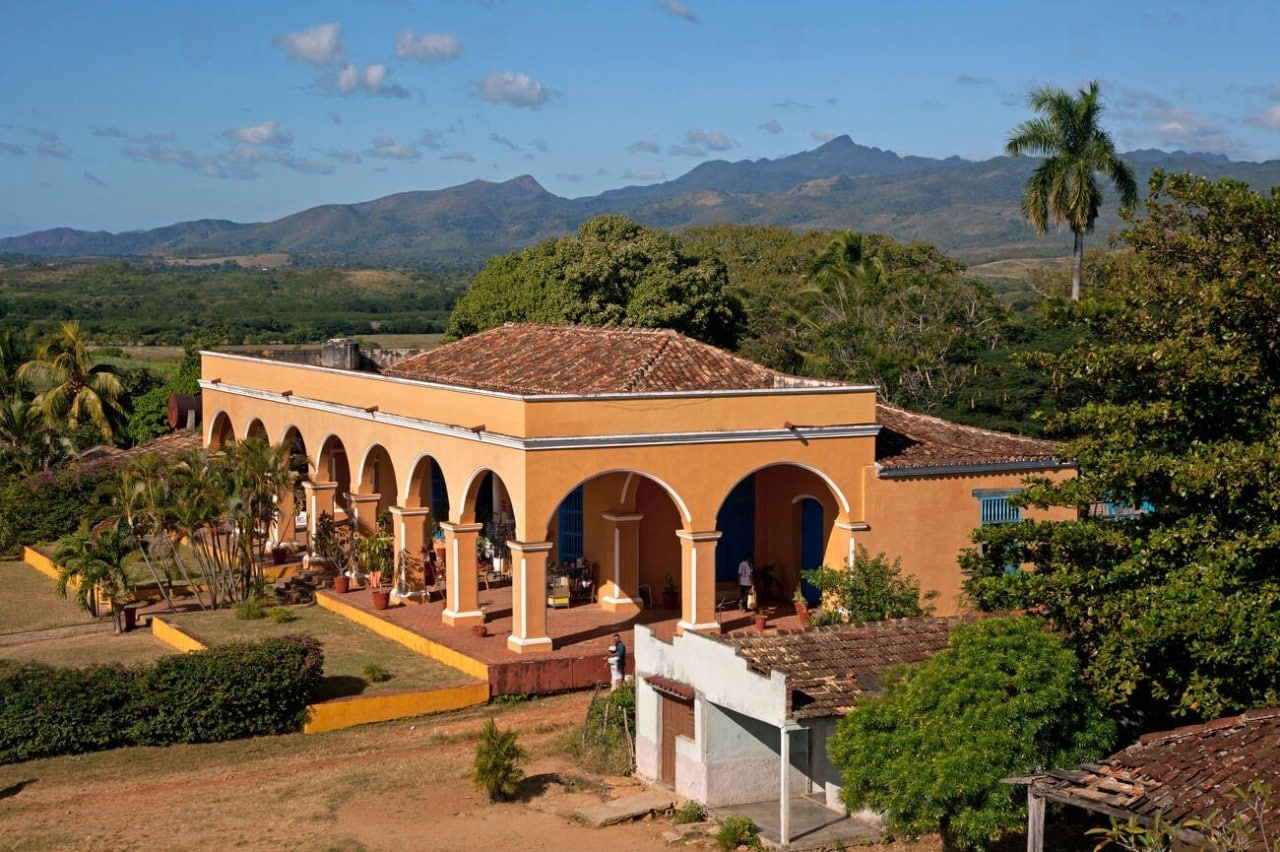
In the 1950s, a Dutch Dominican priest arrived in CuraƧao with a notebook and a tape recorder. Paul Brenneker did not come to convert people; he came to listen. For more than forty years, he traveled the island from house to house, encouraging the elders to speak, recording their songs, stories, and sayings before they were lost with them.
This tireless work would result in an entire collection devoted solely to proverbs, later republished under the title “1001 Proverbio na Papiamentu”. Among the thousand and one sayings he saved from oblivion, just one is enough to capture the entire island way of life: āTrempan ta bende, lat ta malai.ā
The meaning of āTrempan ta bende, lat ta malai,ā reconstructed word for word
The word-for-word translation is based on several Papiamento-English and Papiamento-Dutch dictionaries, since no official French version is available. āTrempanā means āearly,ā ābendeā means āto sell,ā ālatā means ālate,ā and āmalaiā functions as an intensifier found in other Papiamento expressions related to regret, similar to ādearlyā or ābitterly.ā
The meaning that emerges is clear: selling early pays off, while waiting too long comes at a high cost. This reconstruction is as faithful as possible to the available sources, but it should be confirmed directly in the reference work before final publication.
A market adage, not a lesson from school
This type of saying belongs to the very lively genre of ārefrananā, phrases of practical wisdom that the people of CuraƧao have been sharing for generations about work, business, or patience. The tone is informal and pragmatic; itās used to set someone straight whoās taking too long to act, not to philosophize in a living room.
At the floating markets in Willemstad or along the roadside, a vendor whoās too slow to lower his price at the end of the day will still hear this kind of reminder, offered with a smile rather than a reproach.
This is exactly the kind of scene Brenneker was on the lookout for the spoken word rather than scholarly texts, and which he eventually documented alongside the Curaçaoan artist Elis Juliana, compiling nearly 1,400 songs, stories, and sayings that are now preserved by the Stichting NAAM foundation.
A memory that the island continues to keep alive
This cultural heritage isnāt just gathering dust in the archives. The government of CuraƧao continues to republish some of these proverbs, including this one, on its official channels, proving that Brennekerās collection still influences the present.
Papiamentu has been the official language of CuraƧao since 2007, a status confirmed after the dissolution of the Netherlands Antilles in 2010, and according to the 2023 census, 78% of residents report speaking it most often at home, far ahead of Dutch, even though Dutch is the only language used by the government.
A common language, a spelling system that sets it apart
Papiamentu isn’t unique to CuraƧao. It’s also spoken in Aruba and Bonaire, and Brenneker had, in fact, collected proverbs from all three islands combined. But CuraƧao maintains a distinct identity, with its own spelling adopted in 1976 āpapiamentuā with a āuā whereas Aruba spells it āpapiamentoā with an āo.ā
A subtle linguistic difference that speaks volumes: each island has retained control over how it writes a common language, without ever imposing a single standard on the other two. The oldest known text in Papiamento dates back to 1775, a letter from a Sephardic Jewish resident of the island, and the first catechism printed in the language, published in 1837, is now listed on UNESCOās Memory of the World Register.
What a Priest and an Artist Saved
Paul Brenneker died in 1996, and Elis Juliana in 2013. Yet what they recorded together, door to door, tape after tape continues to circulate, from a reissued book to a government Facebook page.
āTrempan ta bende, lat ta malaiā is therefore not just market advice; it is all that remains of an entire island when two men decide, one day, that the words of their ancestors are worth preserving. It remains to be seen how many of the thousand and one proverbs they have collected are still waiting for their turn to be passed on to a new generation.
Frequently Asked Questions About āTrempan ta bende, lat ta malaiā
Literally, ātrempanā means āearly,ā ābendeā means āto sell,ā and ālatā means ālate,ā while āmalaiā acts as an intensifier. The meaning is clear: selling early pays off, while waiting too long is costly. This translation was reconstructed using Papiamento-English and Papiamento-Dutch dictionaries, in the absence of an official French version.
The Dutch Dominican priest Paul Brenneker, who traveled throughout CuraƧao for more than forty years with a notebook and a tape recorder, alongside the CuraƧaoan artist Elis Juliana. Together, they collected nearly 1,400 songs, stories, and sayings, which are now preserved by the Stichting NAAM foundation. The proverbs have been republished in the collection *1001 Proverbio na Papiamentu*.
It is the same language, spoken in CuraƧao, Aruba, and Bonaire. CuraƧao spells it āpapiamentu,ā with a āu,ā according to a spelling system adopted in 1976, while Aruba spells it āpapiamento,ā with an āo.ā Papiamentu has been the official language of CuraƧao since 2007.