



TRiNiDAD & ToBAGO

TRINIDAD & TOBAGO

The Birthplace of Steelpan

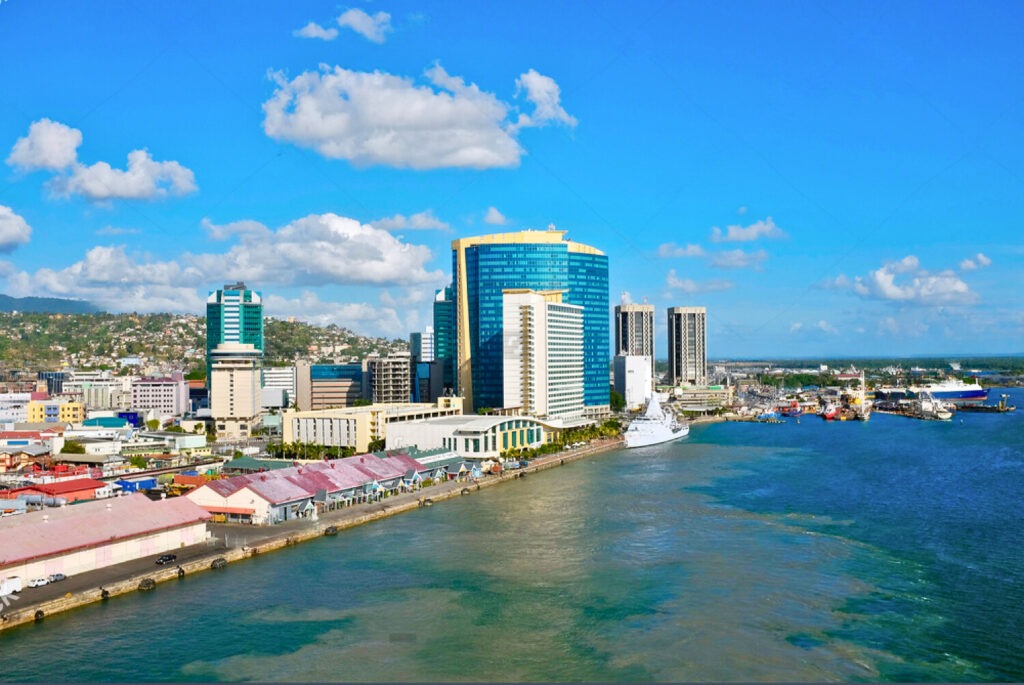
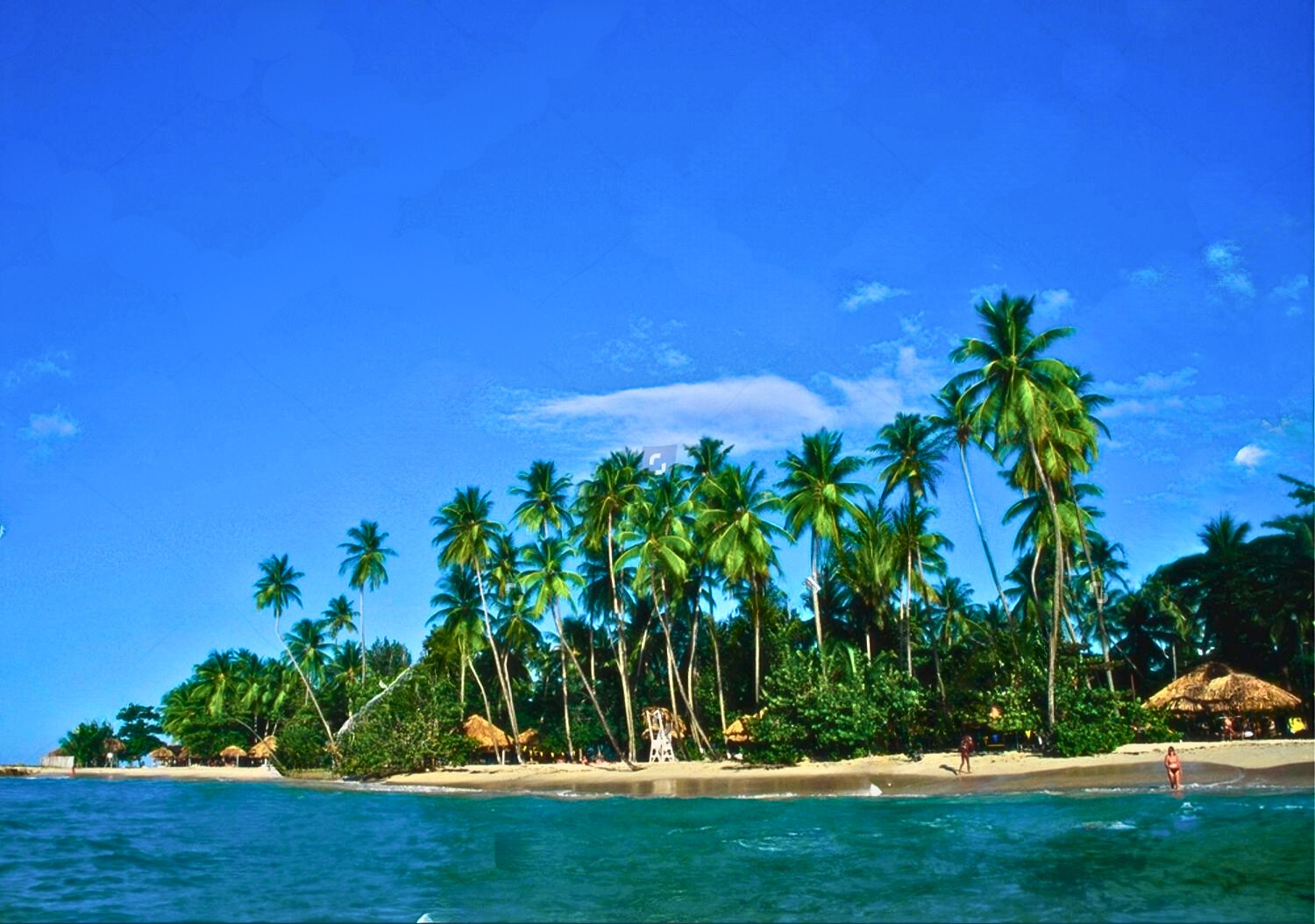
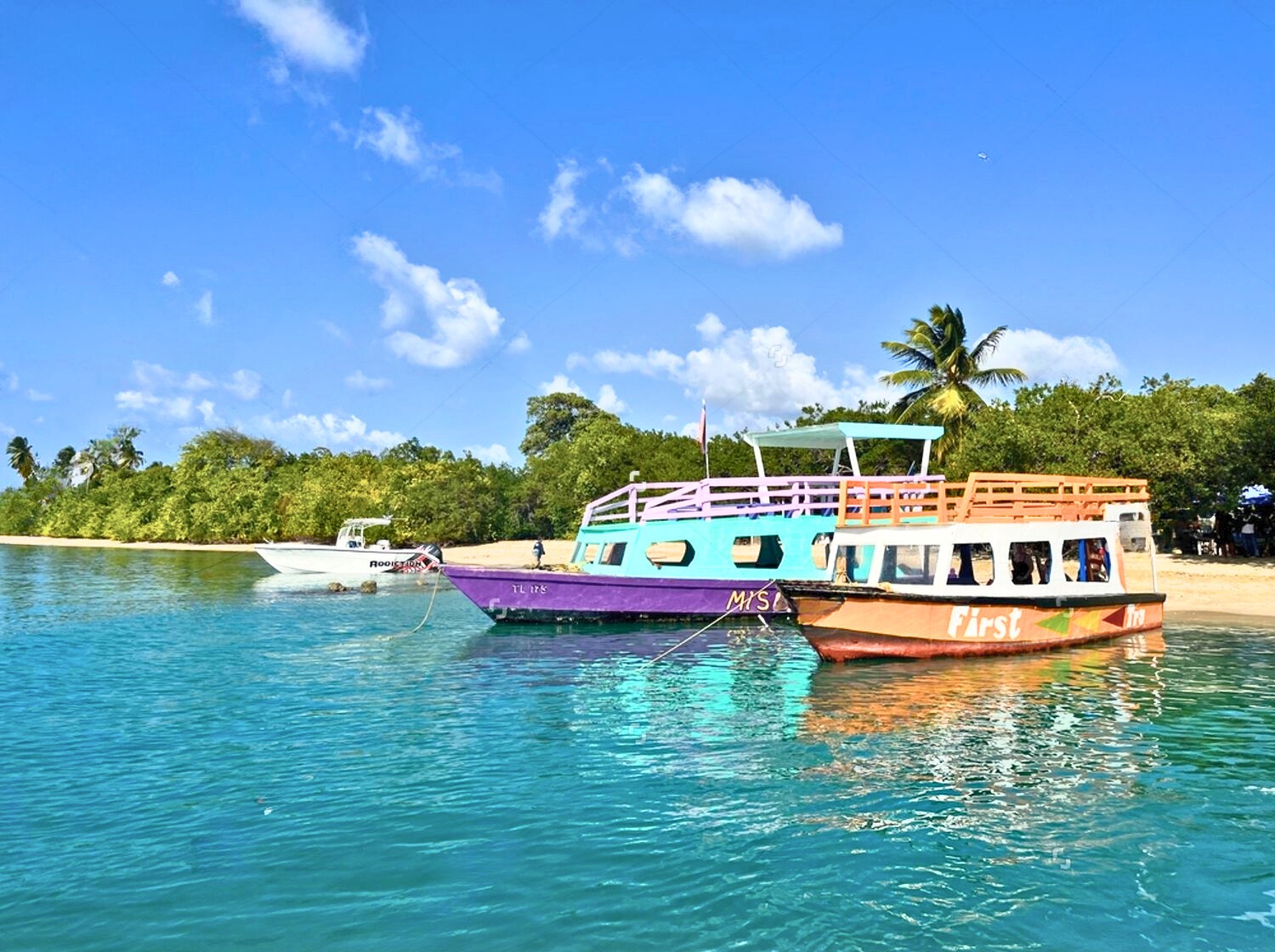
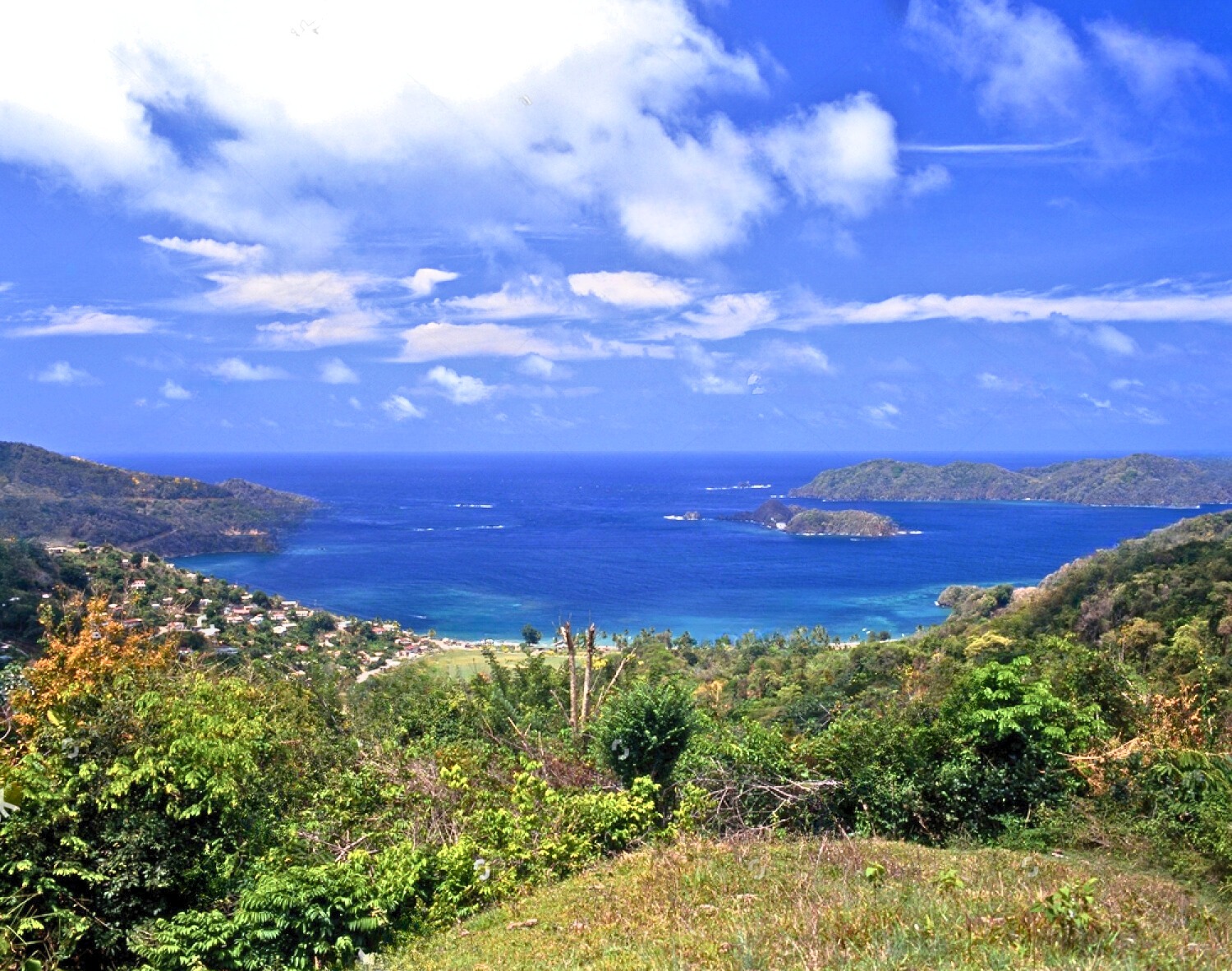
Nestled in the heart of the Caribbean, the twin islands of Trinidad & Tobago are a rich mosaic of cultural diversity, pulsating rhythms, and breathtaking biodiversity. From the lively beats of calypso and soca to the kaleidoscope of ethnic influences that shape its identity, and the lush landscapes teeming with exotic flora and fauna, Trinidad and Tobago is truly a one-of-a-kind destination that captivates the senses.

Geographic and Geological Overview

A Geographic Snapshot

Size: Approximately 1,841 square miles

Capital: Port of Spain.

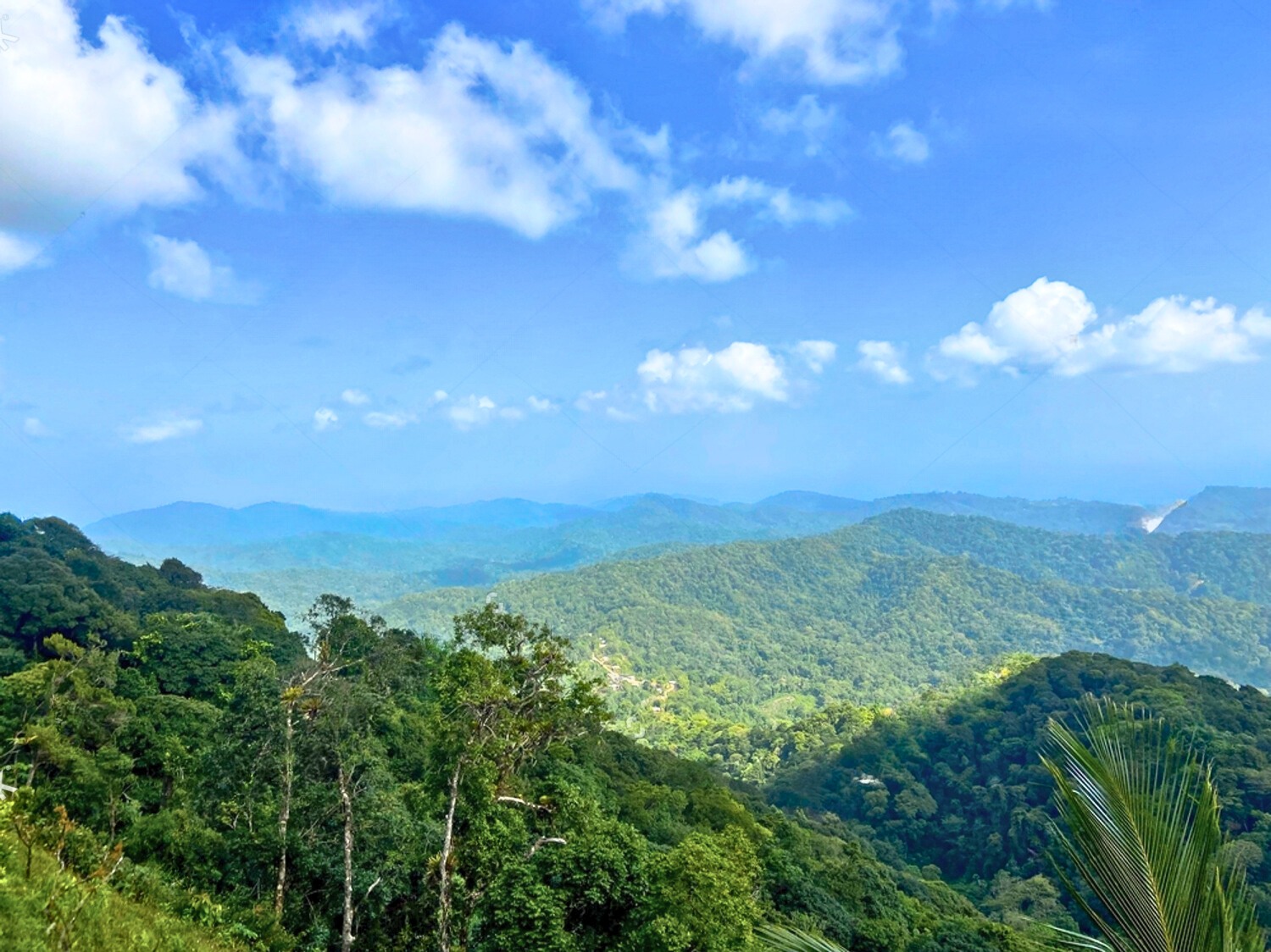
High Point: El Cerro del Aripo, at 940 meters (3,084 feet).

Population: About 1.4 million

Language: English, Trinidadian Creole

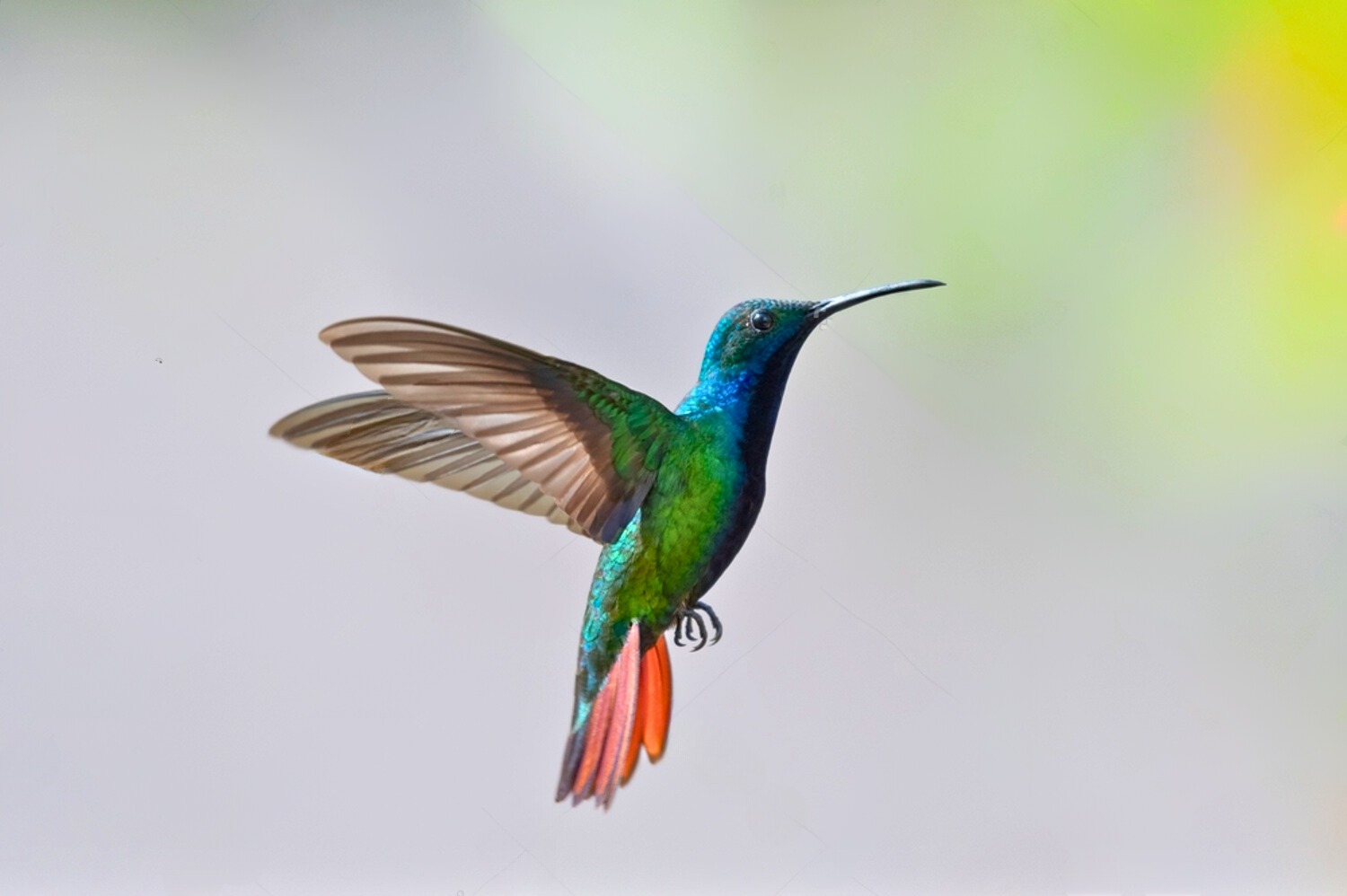
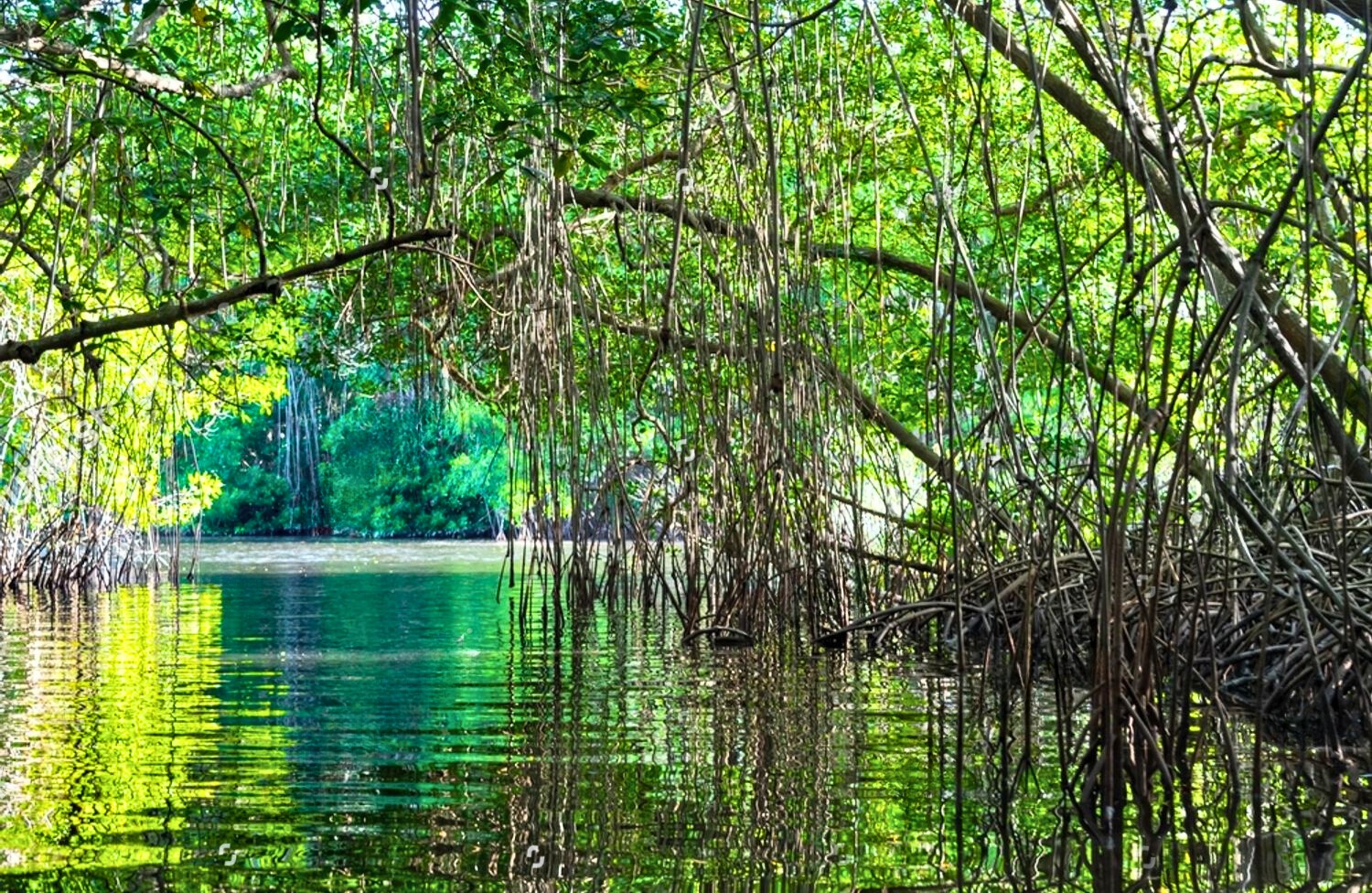
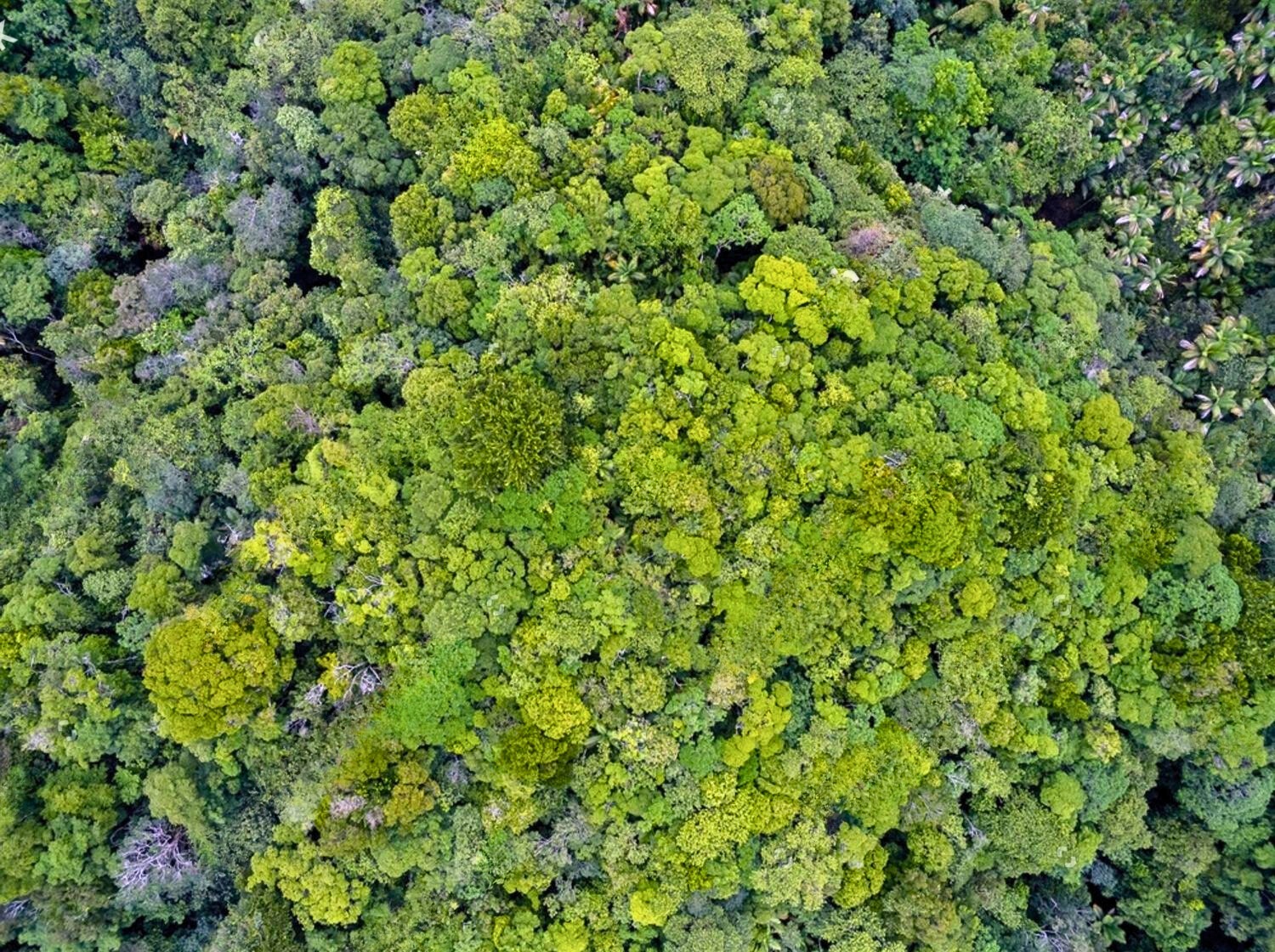
Vegetation: Rich biodiversity, including mangrove forests, tropical rainforests, and numerous species of flowering plants and trees.

Water Bodies: Notable for its rivers and small lakes, with important wetlands like the Caroni Swamp.

Agriculture: Key products include cocoa, coconuts, and citrus, supporting a vibrant local cuisine that blends African, Indian, and Creole influences.

Geological Features

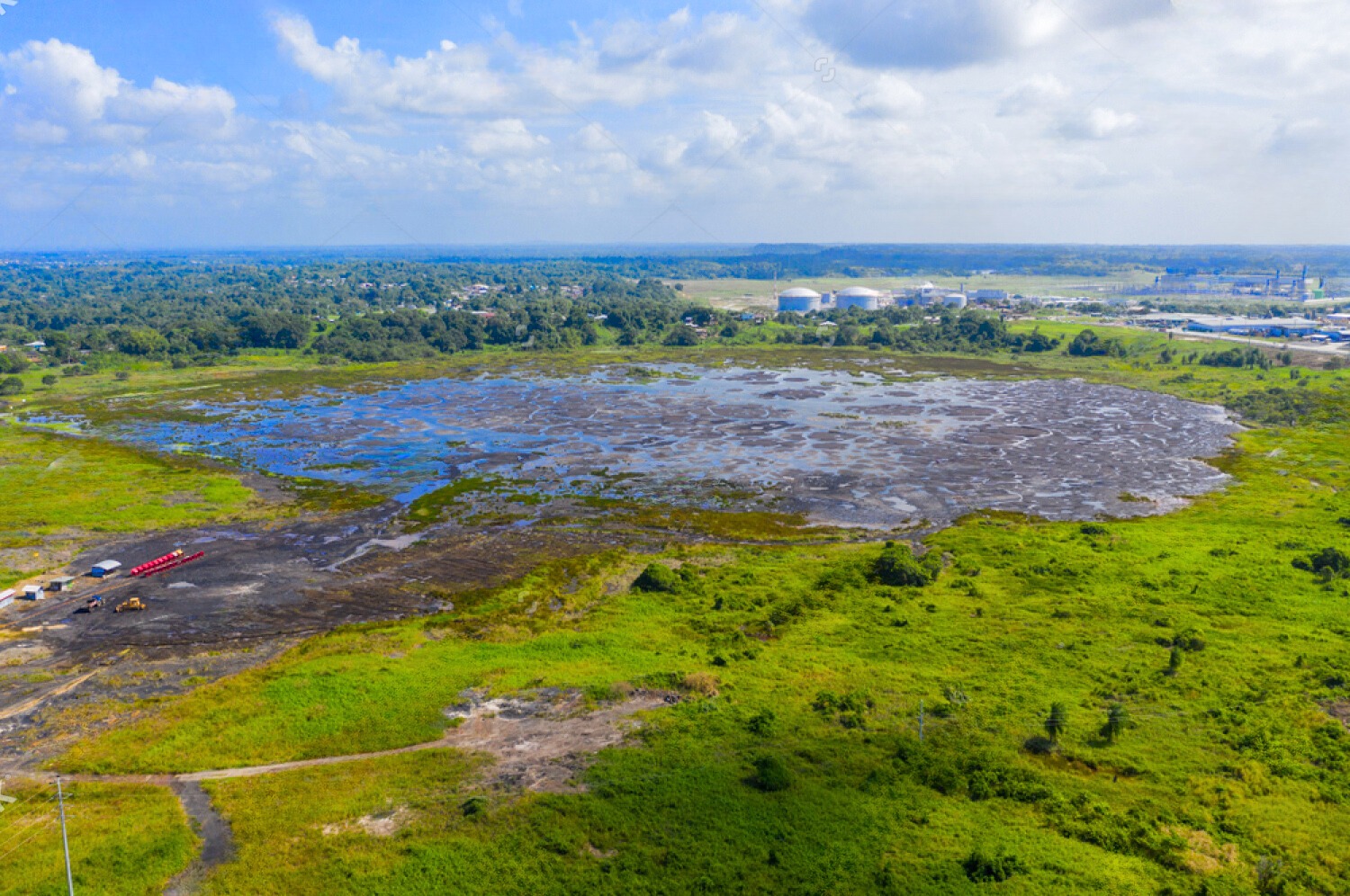
Geology: Known for its Pitch Lake, the largest natural deposit of asphalt in the world, as opposed to active volcanoes.

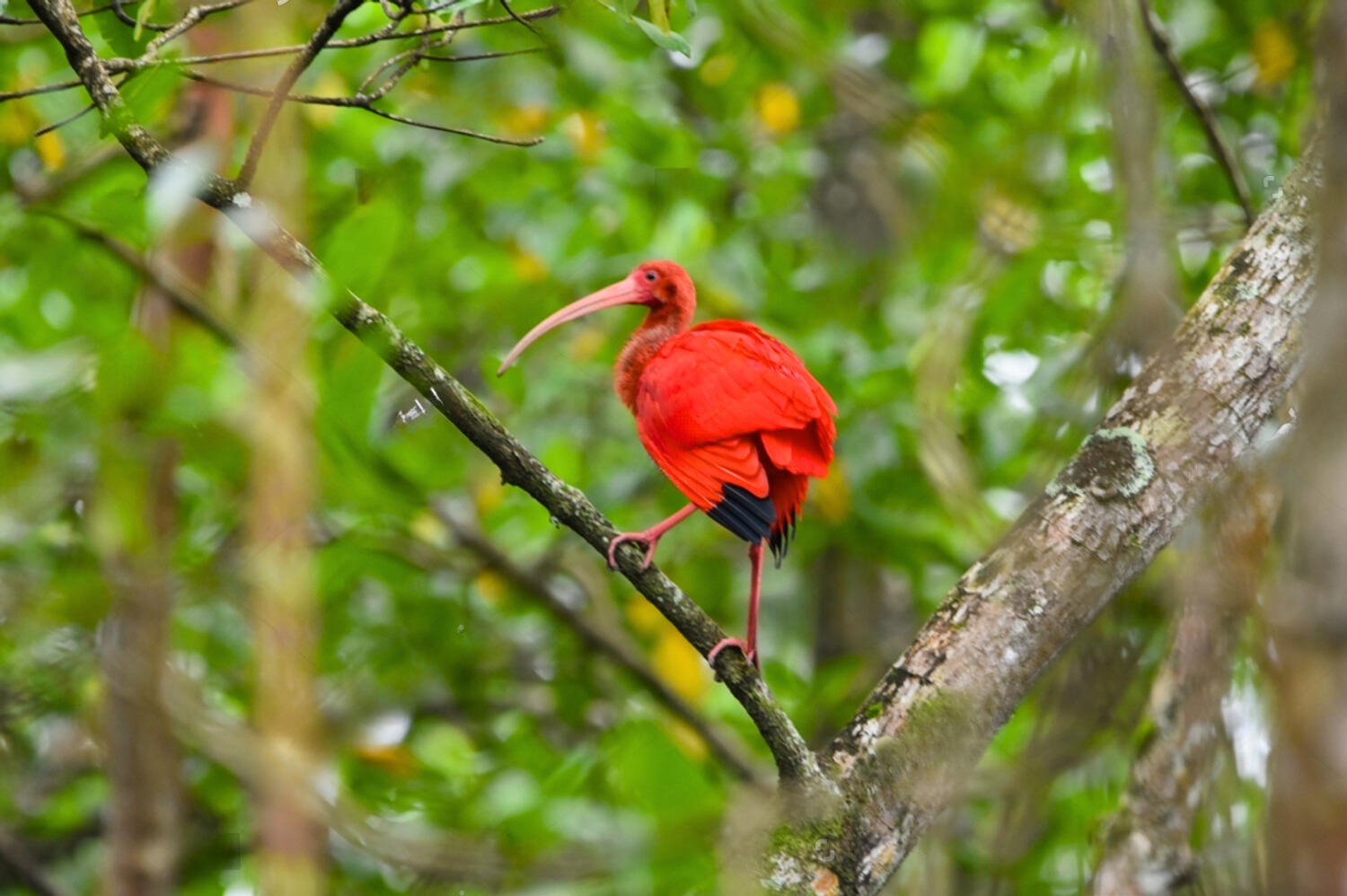
Natural Wonders: Famous for the Asa Wright Nature Centre and the Caroni Bird Sanctuary, both of which highlight the island’s extensive natural beauty.

Cultural Tapestry

Calypso and Soca: The Heartbeat of the Islands

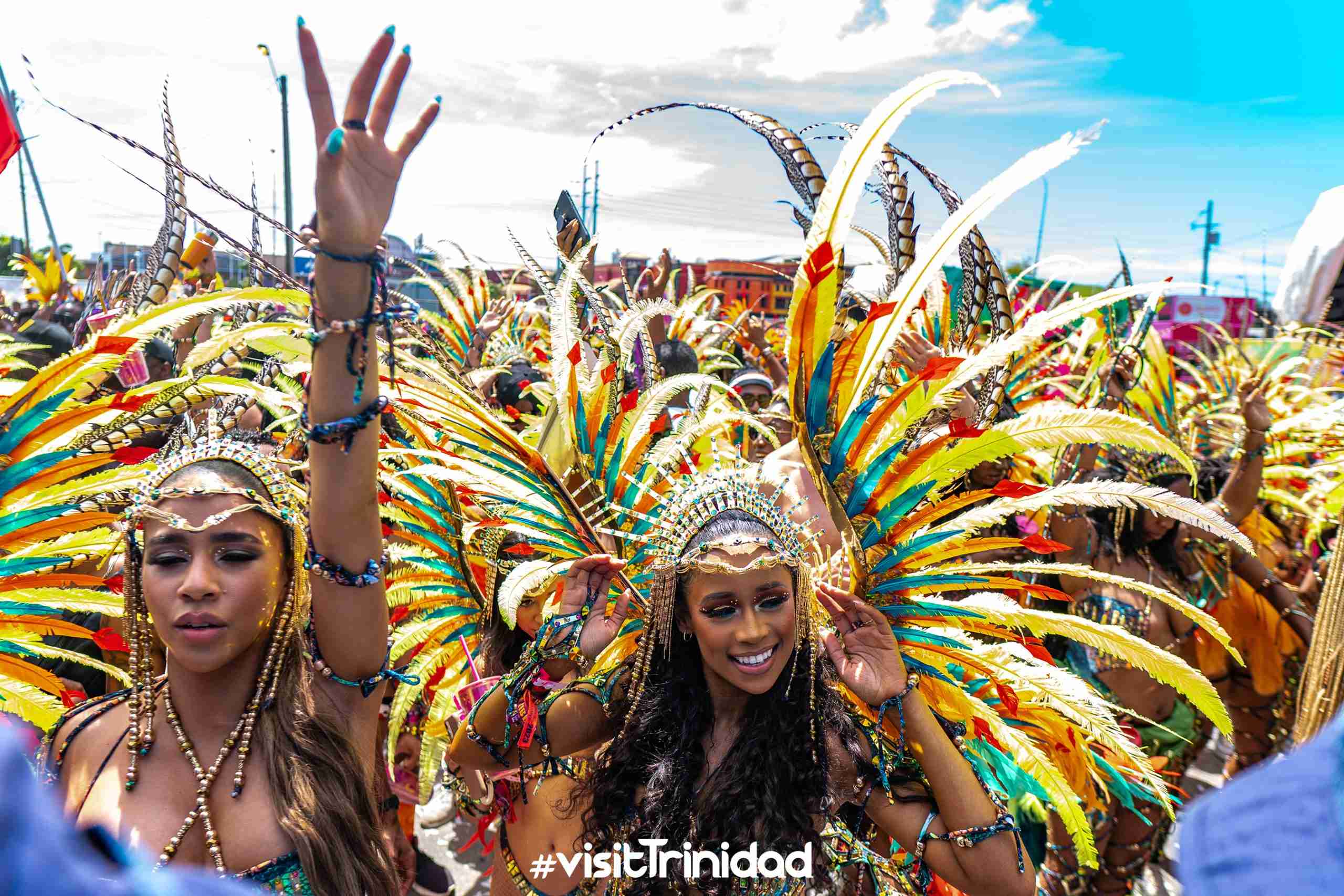
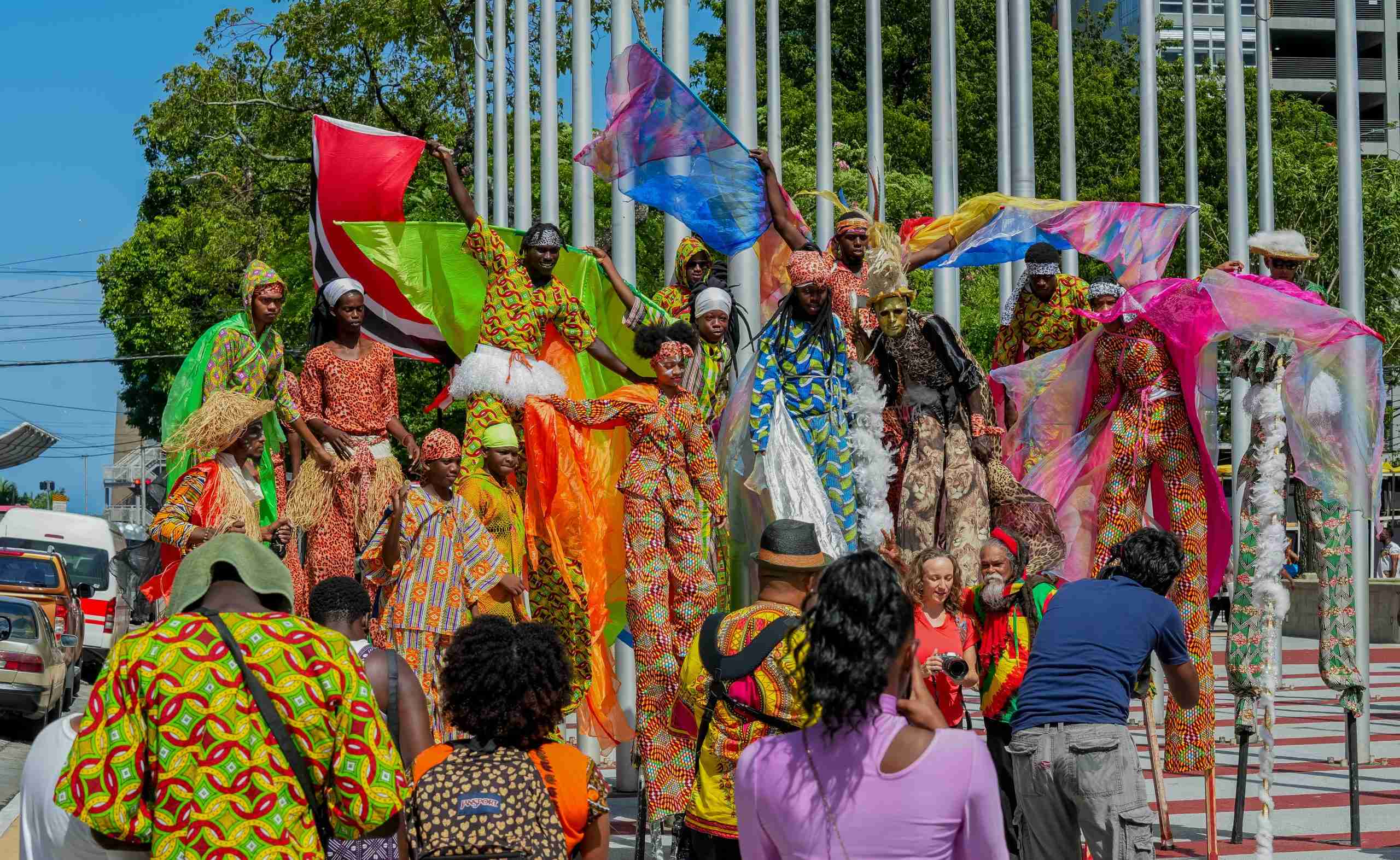
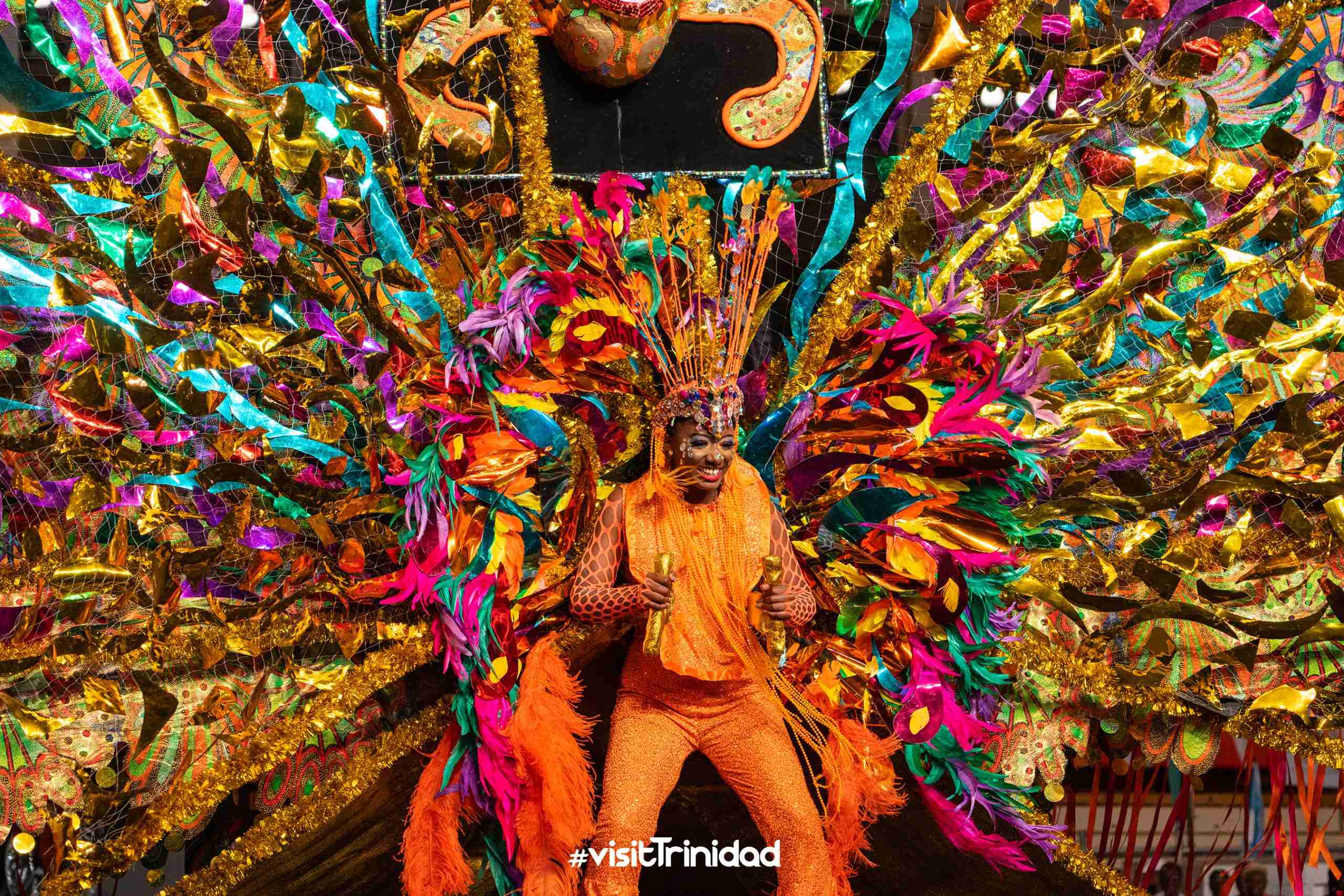
Trinidad and Tobago is renowned as the birthplace of calypso, a musical genre that originated in the sugar cane fields as a form of expression for enslaved Africans. Over the years, calypso evolved into soca, a lively fusion of soulful calypso rhythms and upbeat sounds. The islands come alive during the world-famous Carnival, where vibrant costumes, infectious music, and spirited dancing take center stage. It’s a celebration like no other, where the entire nation moves to the rhythm of joy and revelry.

A Symphony of Celebrations

The heart of Trinidad and Tobago’s cultural vibrancy is best experienced through its festivals.

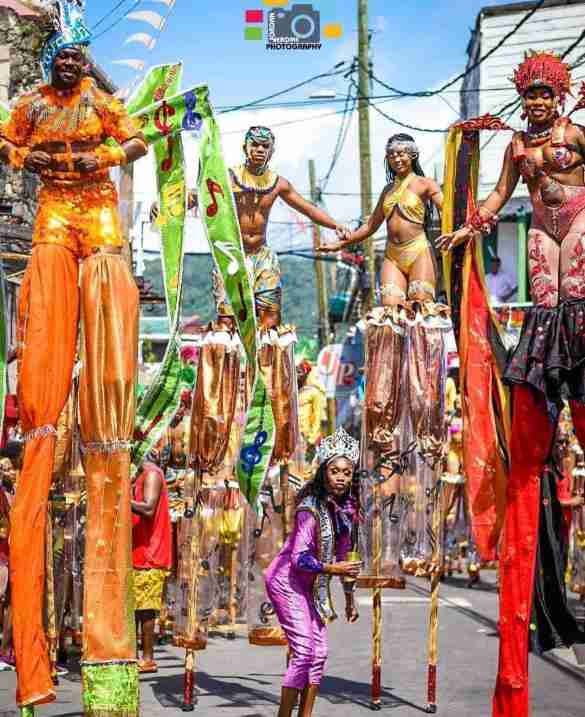
Carnival, the most illustrious of these, is a spectacular display of elaborate costumes, Soca music, and exuberant parades. It encapsulates the spirit of the islands, merging African rhythms with Indian melodies to create a unique cultural phenomenon.

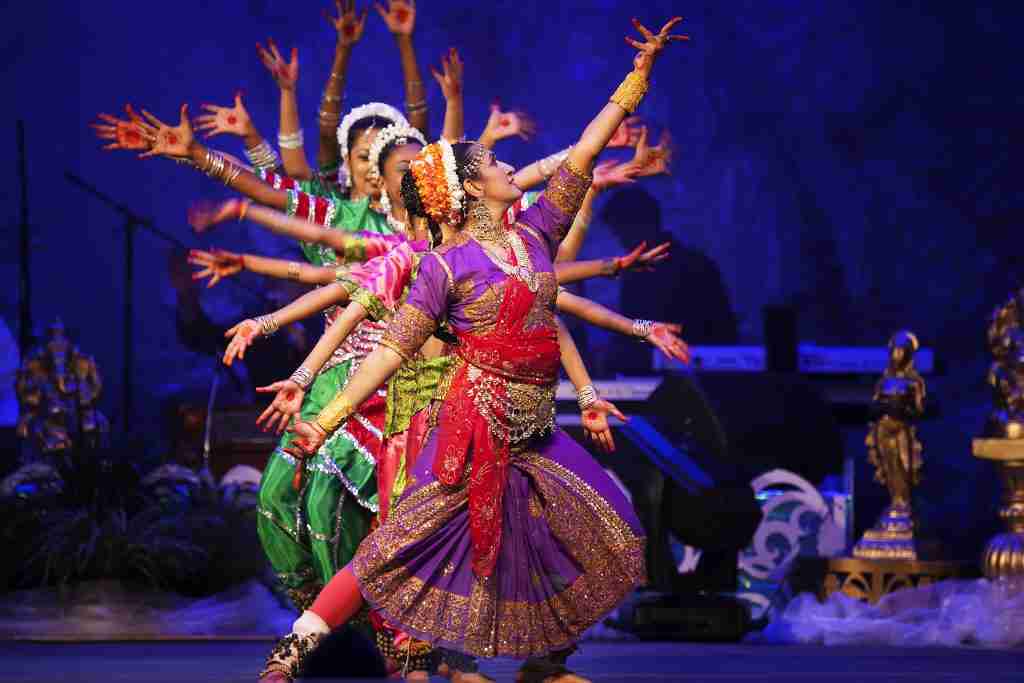
Other significant celebrations include Diwali, showcasing the country’s large Indo-Trinidadian community, and Emancipation Day, which honors the rich African heritage.

Expressions of a Rich Heritage

Visual arts in Trinidad and Tobago tell stories of historical events and cultural evolution. The thriving art scene features both traditional and contemporary styles, reflecting the islands’ historical ties and current realities. Local crafts, including basket weaving and pottery, use indigenous materials and techniques passed down through generations, showcasing the islands’ commitment to preserving their cultural legacy.

Local Cuisine

TT’s Cuisine Highlight

The cuisine in Trinidad and Tobago is as diverse as its people, characterized by bold flavors and spices that reflect the Indian, African, Creole, and Amerindian influences.

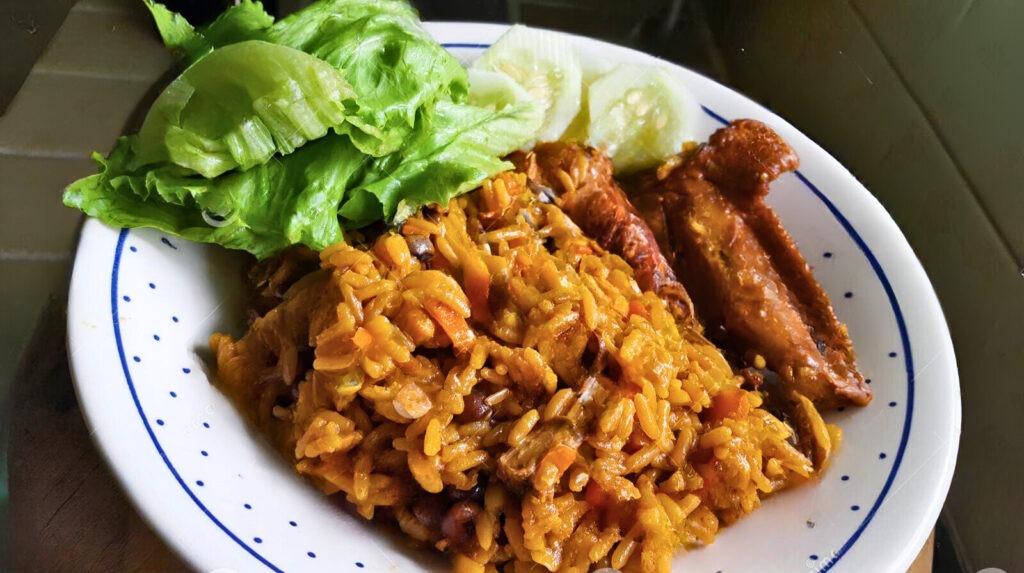
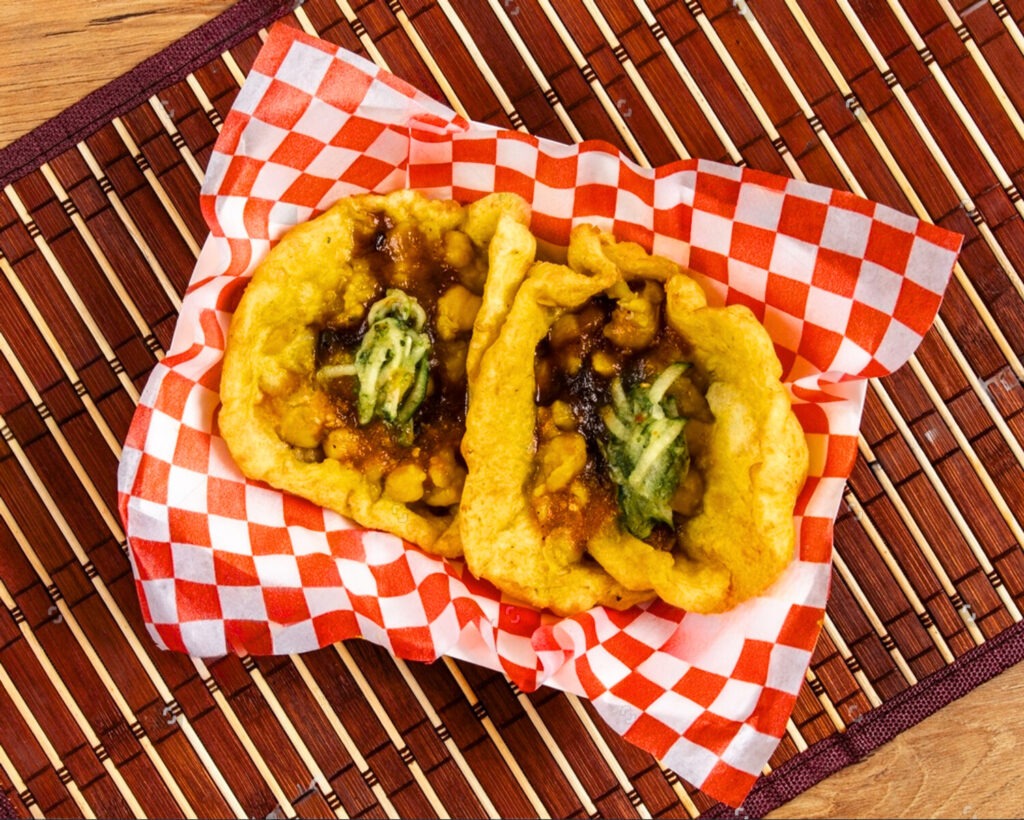
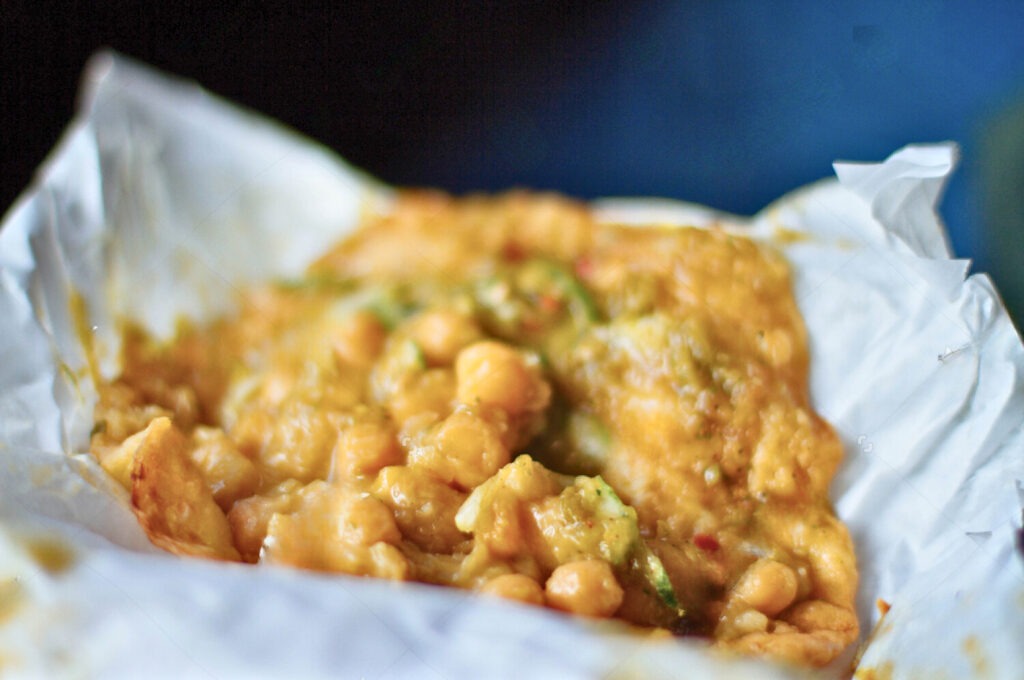
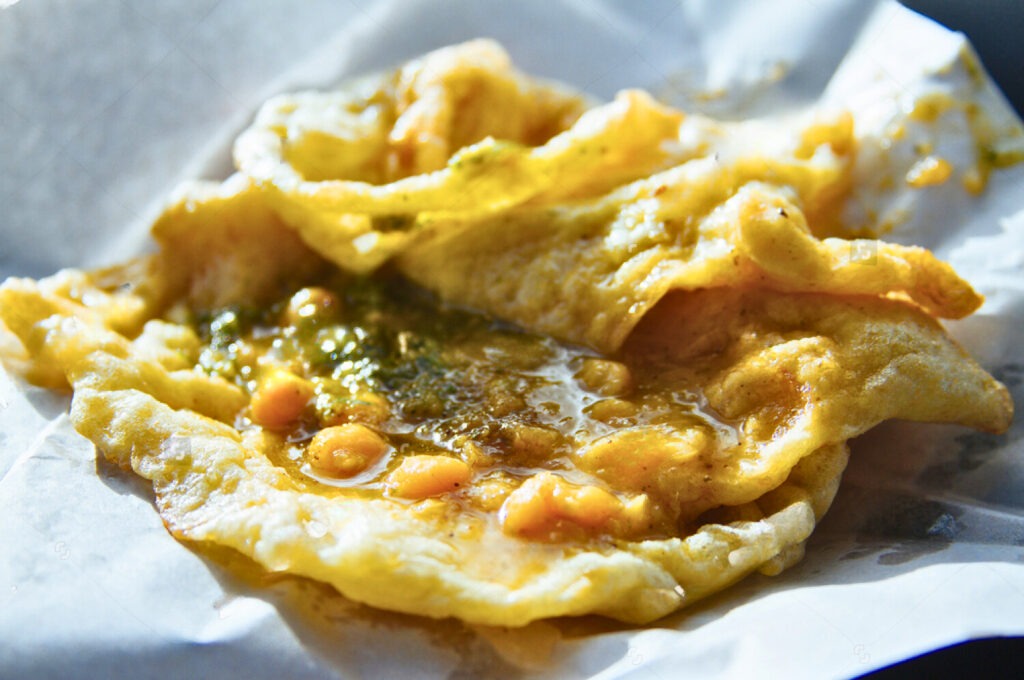
Signature dishes like doubles, a curried chickpea snack, and pelau, a one-pot rice dish with caramelized meat, are staples of the local diet​

Pelau

Pelau

Doubles

Doubles

curried chickpea snack

Curried chickpea snack

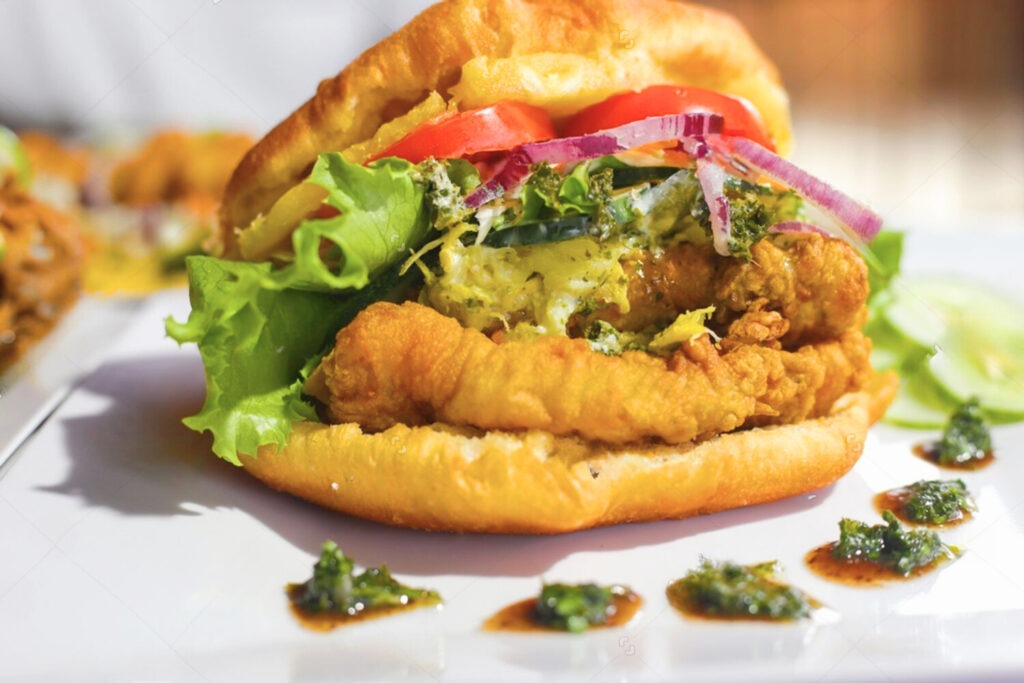
Bake and shark

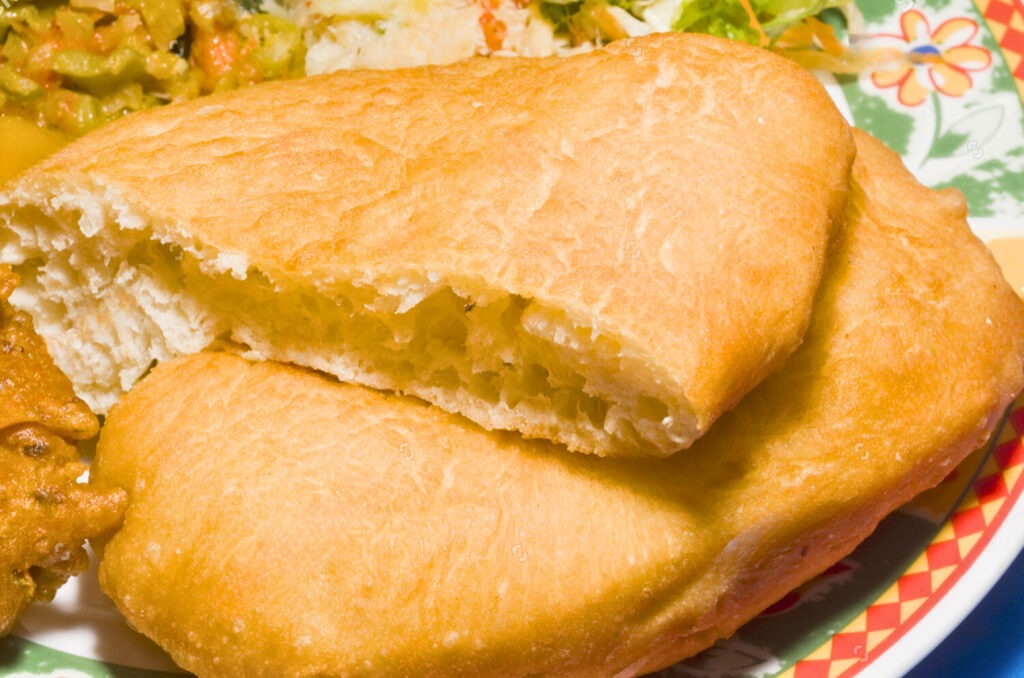
fry bake

Double Hot

Video Authenticity Note:

The upcoming video is presented at real-time speed, showcasing the natural pace of the chef. Observe how quickly and adeptly he prepares doubles.

This display isn’t merely for speed; it’s an integral part of street food culture, highlighting the skill and craftsmanship that each doubles embodies.

Economy and Infrastructure

Pillars of Progress

Trinidad and Tobago’s economy is distinguished by its strong industrial sector, with petroleum and natural gas being the cornerstone of its economic activities. This dual-island nation is one of the leading exporters of oil and gas in the Caribbean, fostering a landscape ripe with opportunities for both local and foreign investments.

The infrastructure in Trinidad and Tobago is among the most developed in the Caribbean, bolstered by a network of well-maintained roads, an expanding public transportation system, and modern telecommunications facilities. The nation’s commitment to improving its infrastructure is evident in its efficient transport systems and ongoing projects aimed at enhancing energy efficiency and public utilities.

Moreover, Trinidad and Tobago is strategically positioned as a financial hub in the Caribbean, with a dynamic financial services sector that includes banking, insurance, and investment opportunities. This economic environment is supported by a framework of policies designed to encourage business growth, making it an attractive destination for entrepreneurs and investors looking to tap into the Caribbean and Latin American markets.

Historical Insights

Tracing the Legacy of Trinidad and Tobago

Trinidad and Tobago boasts a rich and multifaceted history that has shaped its modern identity. Before European colonization, these islands were inhabited by indigenous peoples such as the Arawaks and Caribs. The arrival of Christopher Columbus in 1498 marked the beginning of Spanish rule, which lasted until the British took control in the late 18th century.

The colonial period saw Trinidad and Tobago become a melting pot of cultures due to the importation of enslaved Africans, the arrival of indentured laborers from India, and settlers from other parts of Europe and the Middle East. This diverse genetic and cultural infusion has left a lasting imprint on the nation’s social fabric.

Significant in its historical chronicle is the cocoa boom of the 19th century, which propelled the economy and shaped much of its rural landscapes. Post-emancipation, the islands saw major shifts with the end of slavery and the new wave of indentured servitude from India, influencing everything from agriculture to cultural festivals.

The 20th century was marked by the fight for independence from British rule, which was achieved in 1962. Since independence, Trinidad and Tobago has developed rapidly, driven by oil and gas production, and is now known for its vibrant cultural scene and as a leader in Caribbean economic development.

What Makes Trinidad & Tobago So Unique

  1. Cultural Diversity: Trinidad and Tobago is a melting pot of cultures, including influences from African, Indian, European, and Amerindian communities .

  2. Carnival: Known globally for its vibrant, colorful Carnival, which is one of the most celebrated on the planet, showcasing elaborate costumes and Soca music .

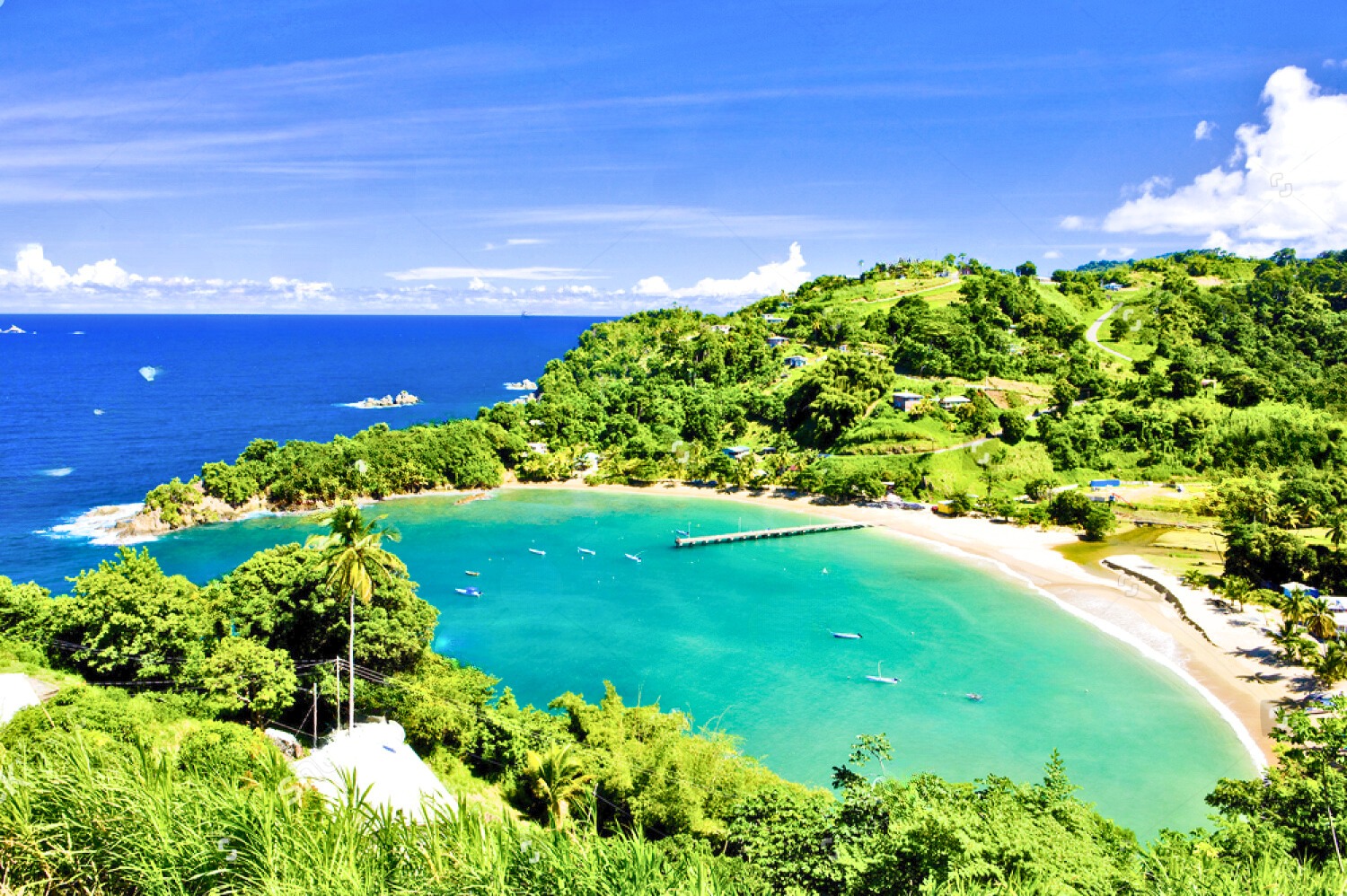
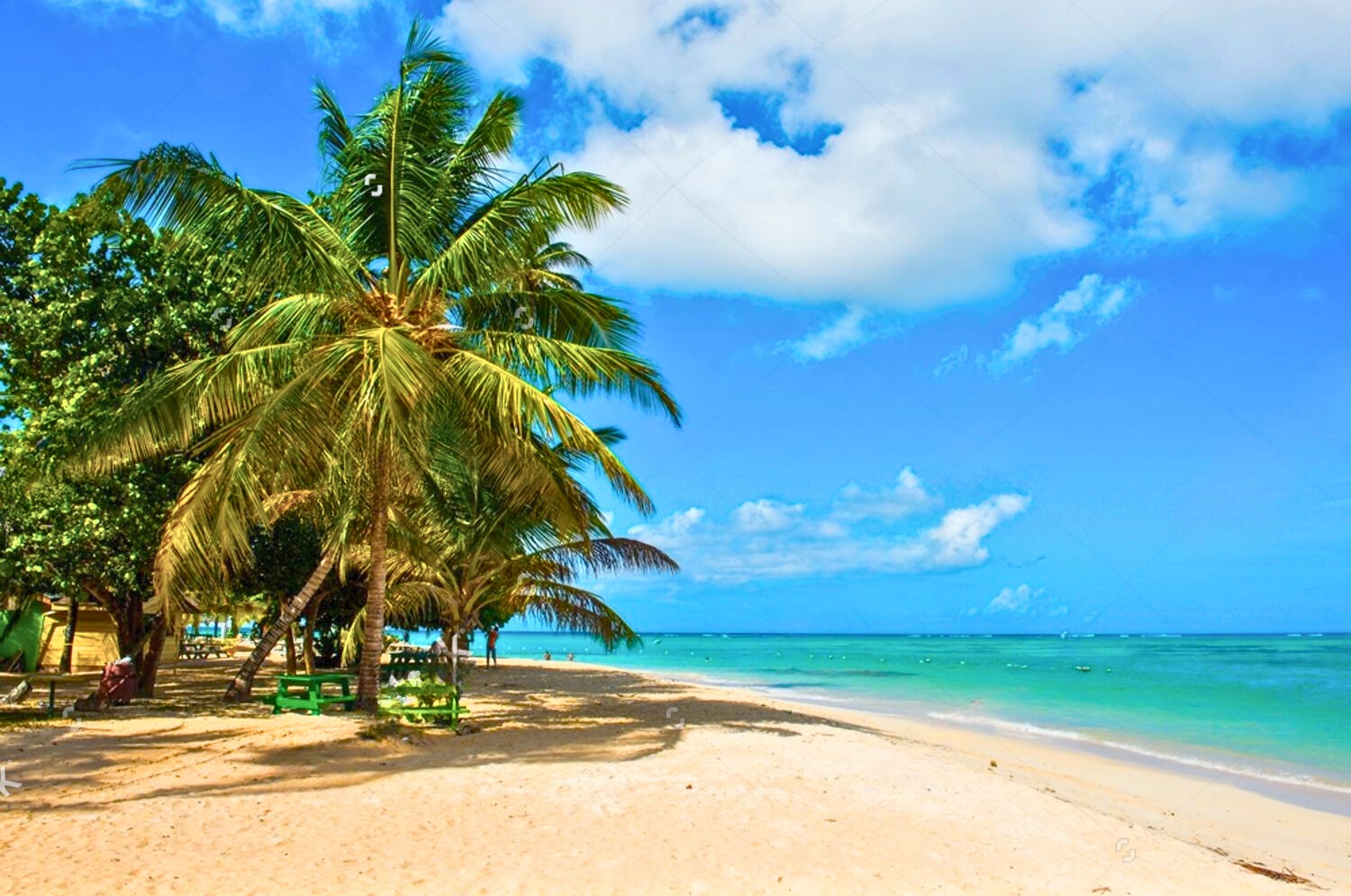
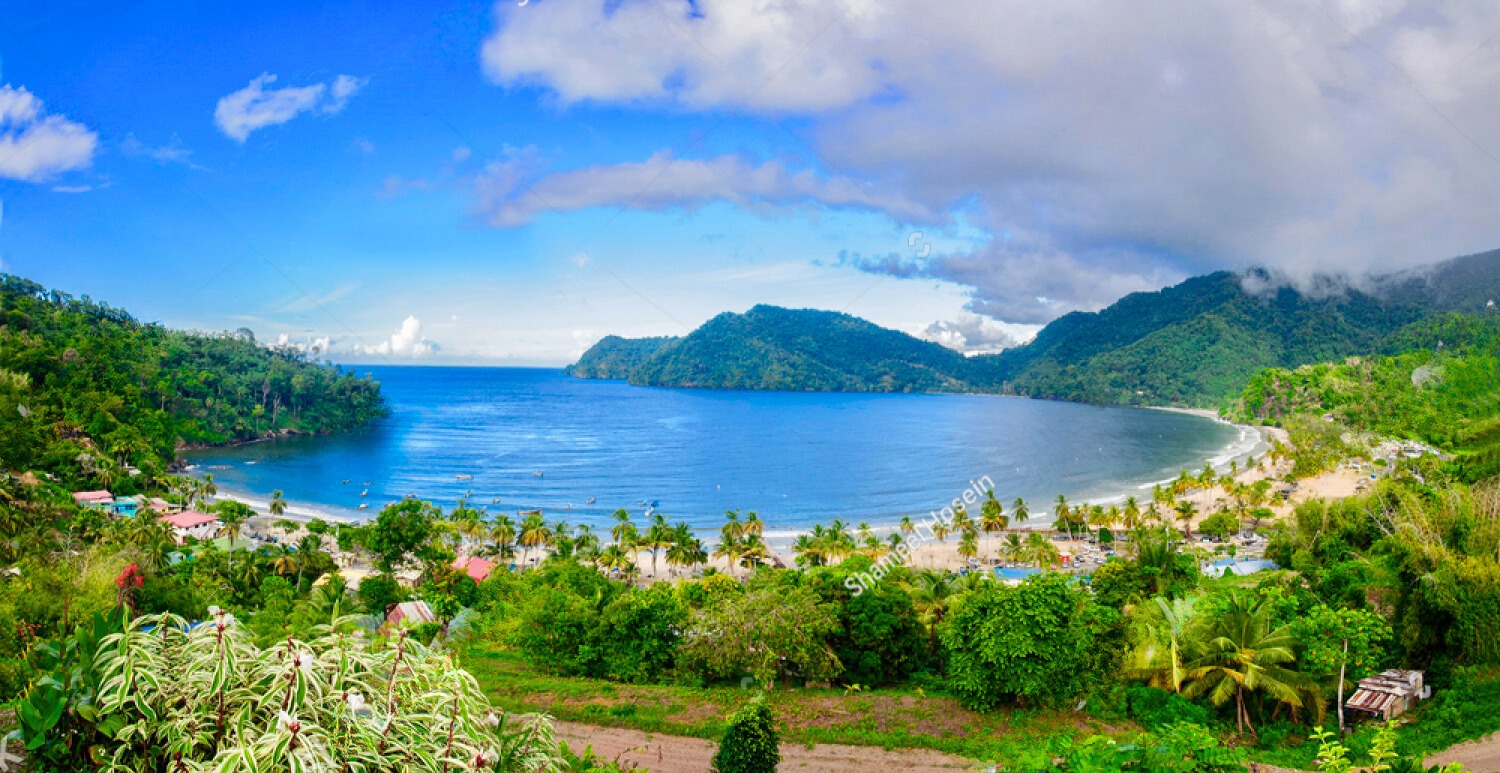
  3. Natural Beauty: Home to some of the most beautiful beaches in the Caribbean and the famous Buccoo Reef, a spectacular coral reef .

  4. Pitch Lake: The largest natural deposit of asphalt in the world, located in La Brea in southwest Trinidad .

  5. Ecological Diversity: Contains several environmentally protected areas and wildlife sanctuaries, including the Asa Wright Nature Centre .

  6. Steelpan: The birthplace of steelpan, the only acoustic musical instrument invented in the 20th century .

  7. Diwali Celebrations: Hosts one of the world’s most spectacular Diwali festivals, reflecting its strong Indian heritage .

  8. Cuisine: Offers a unique culinary landscape that blends African, Indian, and Creole influences, famous for dishes like doubles and roti .

  9. Literary Heritage: Birthplace of two Nobel Prize-winning authors, V.S. Naipaul and Derek Walcott, showcasing its rich literary tradition .

  10. Economic Hub: Serves as a financial and industrial hub in the Caribbean, particularly known for its oil and natural gas industries .

Places To Visit in Trinidad

Places To Visit in Tobago

Events

Rhythms of Trinidad & Tobago

Trinidad and Tobago’s cultural vibrancy and ethnic diversity shine through its numerous festivals and musical traditions, influenced by its African, Indian, Spanish, and British heritage.

  1. Carnival (February/March): Celebrated just before Lent, Trinidad’s Carnival is famous worldwide for its colorful parades, elaborate costumes, and Soca music.
  2. Tobago Jazz Experience (April): A week-long celebration featuring local and international jazz artists.
  3. Buccoo Goat Race Festival (April): Unique to Tobago, this event occurs on Easter Tuesday, blending sport with festive cheer.
  4. Indian Arrival Day (May): Commemorates the arrival of the first Indian indentured laborers with music, dance, and reflection.
  5. Tobago Heritage Festival (July/August): Showcases the island’s rich customs through traditional dance, music, storytelling, and food.
  6. Great Fete Weekend (July/August): A beach party series in Tobago known for its vibrant nightlife and live music.
  7. Emancipation Day (August): A national holiday celebrating African heritage and the abolition of slavery, marked by street parades and cultural performances.
  8. Independence Day (August): Celebrates the country’s independence from British colonial rule in 1962 with fireworks, parades, and patriotic events.
  9. Diwali (October/November): The Hindu festival of lights, observed with the lighting of deyas, cultural programs, and fireworks.
  10. Parang Season (December): Features traditional Christmas music from Venezuela and Trinidad, focusing on community gatherings and live performances.

Upcoming events in Trinidad & Tobago

Music
Author Image

FULL MOON

Music
Author Image

JAZZ AN BA TOL’ 3 – MARTINIQUE

Author Image

MARTINIQUE – LIMIE KREYOL

Music
Author Image

DOMINICA – CARIBBEAN BEATSCAPE

Directory

TT Art Galleries Studios and Centers

Museums and Heritage

Leave a Reply

Your email address will not be published. Required fields are marked *

More articles from RK

Eric Williams
MUSIC
Tolotra

Shenseea and Daddy Yankee bring the Caribbean to FIFA World Cup 2026

Shenseea and Daddy Yankee at FIFA 2026: the announcement goes beyond a simple musical release. With “Echo”, Jamaica and Puerto Rico enter the sound universe of the next World Cup together. Behind this track, a part of the urban Caribbean finds a new place in one of the planet’s most popular events. One FIFA title, two Caribbean voices On April 28, 2026, FIFA announced the release of “Echo”, the third single from the official FIFA World Cup 2026 album. The track brings together Shenseea, a Jamaican artist associated with contemporary dancehall, and Daddy Yankee, a major Puerto Rican reggaeton figure. FIFA points out that the track is one of a series of musical releases designed to accompany the build-up to the tournament. This announcement goes beyond the framework of a collaboration between two well-known artists. It brings two Caribbean territories, Jamaica and Puerto Rico, face to face, united in a

Read More »
Eric Williams
HISTORY & HERITAGE
Tolotra

Trinidad & Tobago – Eric Williams, the historian who led Trinidad and Tobago to independence

In Port of Spain, history was never just a matter of archives. It was also told in public squares, in schools, in family conversations, where a colonial society was looking for the words to think differently about itself. Eric Williams understood the power of storytelling very early on. Before becoming head of government, he made history an instrument of collective lucidity. A historian before the head of government Born in Port of Spain on September 25, 1911, Eric Williams grew up in a Trinidad still part of the British colonial order. His schooling took him to Queen’s Royal College, then to Oxford University, where he obtained his doctorate in 1938. This passage through one of the great institutions of the imperial world gives his work a special significance: he knows the codes of British academia, but uses them to interrogate the history of empire from the perspective of the Caribbean.

Read More »
Sa sa pé foutew
HISTORY & HERITAGE
Tolotra

Martinique – “Sa sa pé foutew”: the Creole formula powered by Netflix carried by Bandi

With Bandi, a 2026 Netflix series set in Martinique, eight episodes have taken a Martinican Creole expression far beyond its native territory. “Sa sa pé foutew” means much more than “What’s it to you? It’s a way of setting a limit, sometimes with humor, sometimes with firmness, but always with an element of identity. Three words, one border Three Creole words, one question, and one attitude. When the Bandi series arrived on Netflix in 2026, it brought with it a phrase that many Martiniquais recognize: “sa sa pé foutew”. For some, it’s pride. For others, it’s a silent victory. For all those who know what these words mean in a conversation, it’s a moment that counts. Literally, the phrase can be translated as “what’s it to you?” or “what’s it got to do with you?”. But the translation always gives us away. In reality, “sa sa pé foutew” functions like

Read More »

conTACT RK

we'd love to have your feedback on your experience so far

Join The List

Join our Richès Karayib community!  Sign up for our newsletter.

Want To Maximize Your Business Presence On Riches Karayib?

Complete the form to start the application