Union Island in the heart of the Grenadines: an authentic destination

Union Island

A singular island

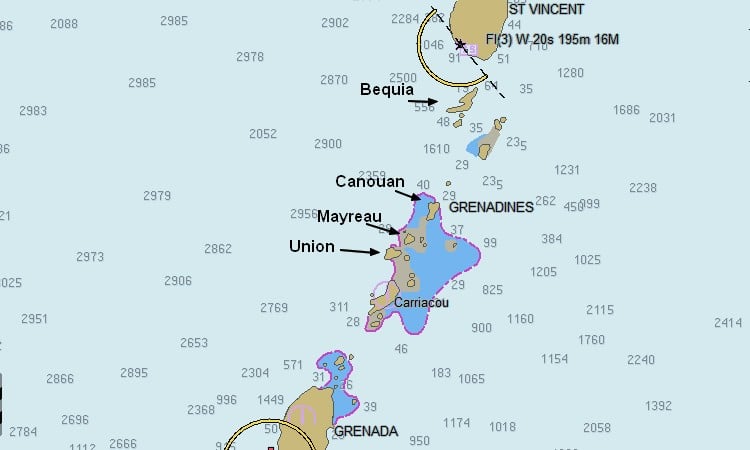
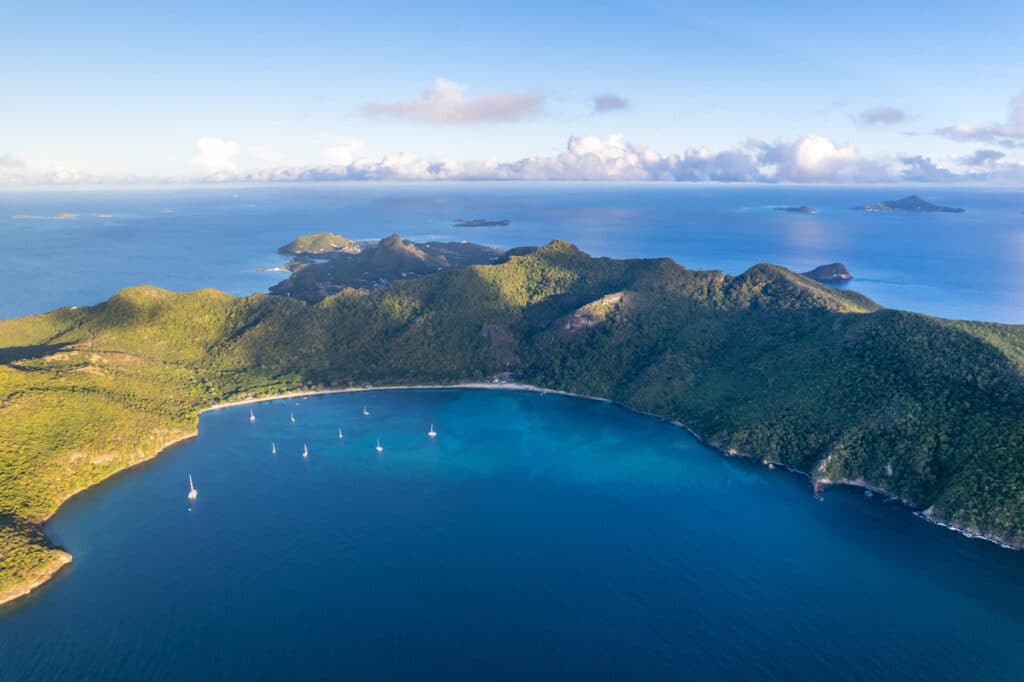
Union Island embodies the image of a Caribbean that is both authentic and confidential. Located in the south of the Grenadines archipelago, this small 8 km² island attracts travelers looking for an intimate getaway. Unlike the big beach destinations, Union Island offers an experience where nature, culture and local traditions intertwine in a fragile but preserved harmony. Its reputation has been forged around its beaches, its exceptional marine environment and its gateway to the Tobago Cays, a unique ecological sanctuary in the region.

A land shaped by the sea

Union Island’s identity is intimately linked to the ocean. Clifton, the main village and harbor, is alive with fishermen, yachtsmen and water sports enthusiasts. Kitesurfing has become a flagship activity, attracting an international community that contributes to the local economy while raising the island’s profile. But beyond the sport, there’s a whole maritime culture at work here, from the lively fish market to the colorful boats lining the coastline. The island’s close proximity to the Tobago Cays, protected by a marine park, accentuates this vital link with the sea, offering visitors privileged access to one of the most beautiful coral reefs in the Caribbean.

Union Island
©cata-blackpearl
Union Island
©unionislandenvironmentalalliance
Union Island
©location-catamaran-antilles

The richness of a preserved heritage

If Union Island is seductive for its landscapes, it is also captivating for its cultural heritage. The island retains a strong identity marked by Creole traditions, gastronomy based on local produce and popular festivities. Each event, however modest, takes on a collective dimension that bears witness to the inhabitants’ attachment to their land. Visitors discover a territory where hospitality remains a cardinal value, in an atmosphere that contrasts with the more effervescent pace of neighboring islands. This authenticity is a major asset for a new generation of travelers keen to experience the realities of local communities.

Union Island
©cata-blackpearl
Union Island
©cata-blackpearl
Union Island
©cata-blackpearl

A fragile ecosystem to be enhanced

Union Island also faces crucial environmental challenges. As in the rest of the archipelago, climate change, rising sea levels and tourist pressure are major challenges. However, local initiatives are emerging to protect this territory. Associations and community players are committed to preserving beaches, coral reefs and mangroves. These actions, which often receive little media coverage, are helping to build an image of the island as a responsible destination, where tourism is part of a sustainable approach. For travellers, this means the opportunity to participate in holidays that have a direct positive impact on the environment and local society.

Union Island
©cata-blackpearl
Union Island
©cata-blackpearl
Union Island
©unionislandenvironmentalalliance

A timeless experience

What sets Union Island apart is the feeling of being in a place where time flows differently. Visitors enjoy a slower pace, direct contact with the locals and a natural setting of rare beauty. Far from the big hotel complexes, accommodation is mainly in small family-run structures and charming villas, allowing for a personalized stay. This unique atmosphere attracts both sailing enthusiasts and couples seeking privacy, as well as nature lovers wishing to discover an unspoilt Caribbean.

Union Island
Tobago Cays ©location-catamaran-antilles
Union Island
©unionislandenvironmentalalliance

5 things to do on Union Island

  1. Climb Fort Hill : for a panoramic view of the Grenadines and to appreciate the island’s strategic importance.
  2. Swimming at Chatham Bay : an unspoilt beach, ideal for relaxation and snorkelling.
  3. Stroll through Clifton Market : A lively place where Creole flavours mingle with local people.
  4. Take an excursion to the Tobago Cays : just a few nautical miles away, a true marine paradise classified as a protected reserve.
  5. Taste the local cuisine : fresh grilled fish, spicy dishes and traditional drinks that reflect the soul of the island.
Union Island
©unionislandenvironmentalalliance
Union Island
©unionislandenvironmentalalliance

Leave a Reply

Your email address will not be published. Required fields are marked *

More articles from RK

Caribbean Cinema
FILM & VIDEO
Tolotra

Stories of Caribbean Cinema, Maroon Culture, Transmission, and the Imagination. Texts by Guillaume Robillard. Ciclic, 2026

The history of Caribbean cinema continues its journey through the 1980s. After three episodes devoted to the early developments of several cinematic movements in the region, this fourth installment brings together two films from Martinique and one from Curaçao. From the “marronnage” in *Le Sang du flamboyant* to the international trajectory of *Rue Cases-Nègres*, and on to the unique worldof *Almacita di Desolato*, these three works explore different relationships to memory, oral tradition, Africa, and Caribbean imaginaries. This article is the fourth installment in a series of ten. The first three are already available on Richès Karayib, and six more will continue this story through the 2020s. 1981: MARTINIQUE — *The Blood of the Flamingo*, by François Migeat This film is unique in Caribbean cinema. Indeed, its director is a “Metropolitan” (that is, a white man from mainland France who had no deep-rooted ties to the French West Indies) who

Read More »
Doubles, plat de rue de Trinité-et-Tobago composé de deux baras frits et de pois chiches au curry
CULINARY ART
Tolotra

Doubles: The Story of Emamool Deen Behind Trinidad’s Street Food Dish

In Princes Town, in southern Trinidad and Tobago, the “doubles” were born in 1936 from a simple gesture: a customer asking for a second piece of bread. At the time, Emamool Deen and his wife Rasulan were selling curry chickpeas on a single piece of fried bread, unaware that they were inventing the country’s most iconic street food. Nearly a century later, doubles still tell the story of Indo-Trinidadian heritage through this chickpea sandwich, which has become a national symbol. A Morning in Princes Town, 1936 At 4:00 a.m., in a courtyard in Princes Town, in the southern part of Trinidad and Tobago, Rasulan Deen lights the fire that will heat the coconut oil. Her husband, Emamool Deen, is boiling the chickpeas that the couple was able to buy by selling a goat, the only possession they had. The year is 1936, and according to oral tradition preserved by several

Read More »
María Elena Llorente recevant un hommage floral, Ballet Nacional de Cuba
DANCE
Tolotra

María Elena Llorente: 50 Years of Ballet in the Service of Cuba

In May 1977, a Cuban dancer took the stage in New York with the Alvin Ailey Dance Theater. In the audience that evening, actor Harry Belafonte watched the performance and would later describe the evening as a significant historical event. This dancer’s name was María Elena Llorente, prima ballerina and ballet mistress of the Ballet Nacional de Cuba. Her career spans fifty years of dance, spent almost entirely with a single company—the one founded by Alicia Alonso in Havana—on an island where, over the decades, classical ballet has become as much a source of national pride as it is an art form. María Elena Llorente, of the Sociedad Pro-Arte at the National Academy It all began at the Sociedad Pro-Arte Musical, a school in Havana where young Cuban women learned the basics of classical ballet even before the official founding of the national ballet company. María Elena Llorente then continued

Read More »

conTACT RK

we'd love to have your feedback on your experience so far

Join The List

Join our Richès Karayib community!  Sign up for our newsletter.

Want To Maximize Your Business Presence On Riches Karayib?

Complete the form to start the application