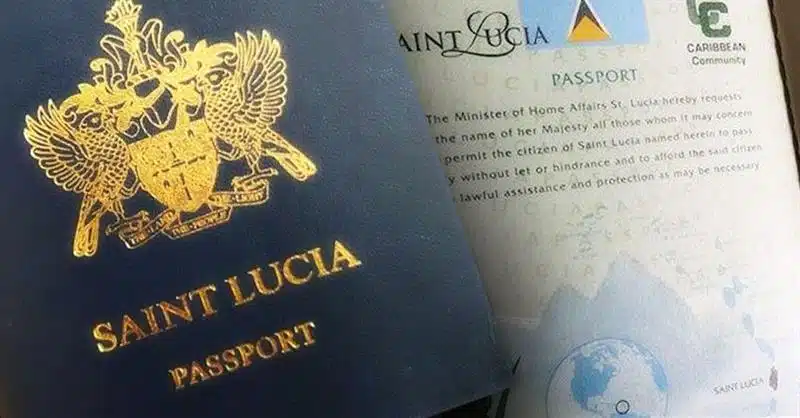
Since August 5, 2025, Saint Lucia has been taking a decisive step towards modernizing its public services, with the official introduction of the 10-year passport reform. This reform, announced by Prime Minister Philip J. Pierre as part of the 2025/2026 budget address, replaces documents previously valid for five years, without any increase in fees for users.
Extended validity, constant costs
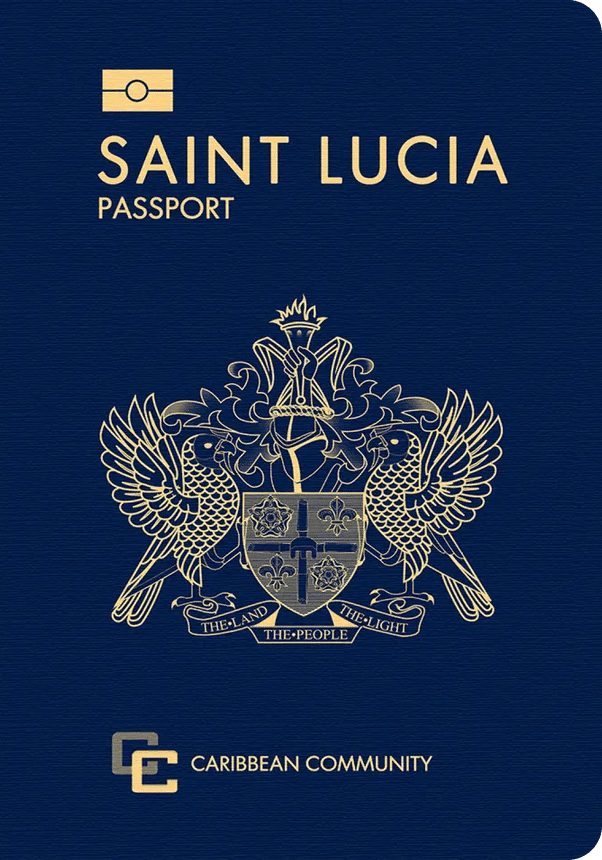
From now on, all passports issued on or after this date will be valid for ten years, as opposed to the previous five. This change applies to all citizens aged 18 and over, whether resident in Saint Lucia or abroad.
One of the most remarkable aspects of this passport reform is that the current fees have been maintained in full. Applicants pay the same amount as for the old format, but benefit from a doubled validity period. The annual cost of validity is thus halved, representing a tangible gain for individuals and families alike.
A measure designed to simplify everyday life
The government’s objective is not limited to changing the duration of the passport: this reform is part of an overall drive to simplify administrative procedures. By only having to renew their passport once a decade, citizens save precious time and avoid repeated trips and formalities.
For many families, this passport reform is a real breath of fresh air. By reducing the number of passport renewals, it also cuts indirect costs: transport to immigration offices, identity photos, days off work, etc. It is also part of a broader policy to support purchasing power. It is also part of a broader policy to boost purchasing power.

A gradual transition, with no immediate obligation
Holders of passports that are still valid are under no obligation to renew them early. They can continue to use their document until its natural expiry date. Upon renewal, they will automatically receive a Saint Lucia passport valid for 10 years, with no special steps or additional costs.
This choice of a gradual transition avoids administrative overload, while ensuring that all citizens will eventually benefit from the advantages of passport reform.

A stronger asset for investors
Beneficiaries of Saint Lucia’s Citizenship by Investment program also benefit from this development. The passport is now issued to them within the usual framework, making their status more legible and sustainable.
This document, which gives visa-free access to over 140 countries (including the Schengen area, the United Kingdom and Singapore), is thus of even greater international value. For international investors, this documentary stability represents a strategic advantage in the management of their long-term projects.
An approach aligned with administrative modernization
Over and above the impact on users, this reform also enables public resources to be better allocated. By reducing the number of renewals to be processed, it eases the workload of the Immigration Department, which will be able to concentrate its efforts on other priorities, such as border security or the development of new digital services.
On a regional level, the passport reform positions the country as one of the Caribbean states most committed to administrative transformation. It could also serve as an example for other nations wishing to combine modernization, budgetary restraint and citizen satisfaction.
A sober, pragmatic and forward-looking policy
Passport reform embodies a resolutely modern vision of public service. It demonstrates that it is possible to make concrete improvements to citizens’ lives without increasing financial burdens.
Through this passport reform, the country is reaffirming its commitment to putting the user at the center of public action, while consolidating its reputation on the international scene as a reliable, stable and innovative destination.