Heritage Days 2024 in Martinique: A Unique Exploration of Maritime Heritage and Historic Itineraries

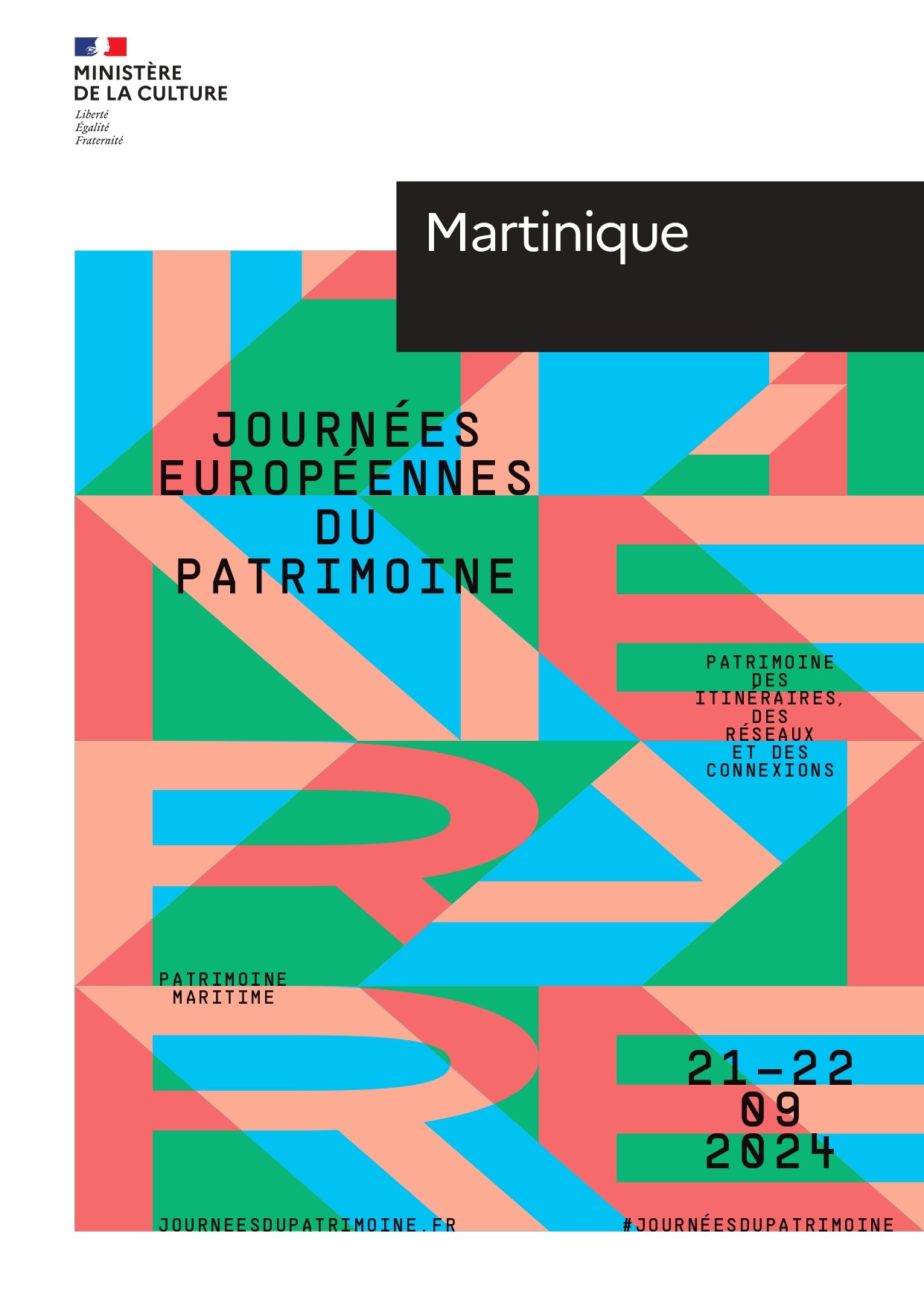
September 21 and 22, 2024 will mark the 41st edition of the European Heritage Days, a not-to-be-missed event for history, culture and discovery enthusiasts.
In Martinique, this celebration takes place in an exceptional setting, highlighting two central themes: maritime heritage and that of routes, networks and connections.

Exceptional opening of historic sites

As every year, Martinique will be opening the doors of over 130 emblematic sites, offering the public a rare opportunity to discover sites that are often inaccessible. These sites, selected for their historical and cultural value, range from civil and religious monuments to industrial infrastructures, exceptional residences and remarkable natural sites.

Registration for these tours is mainly via the dedicated open agenda, which opened at the beginning of September. Residents and visitors are invited to explore these hidden treasures, which tell the story of the island’s rich and varied history.

Maritime Heritage in the spotlight

France, thanks to its overseas territories such as Martinique, has the second largest maritime domain in the world, extending over more than 10 million square kilometers.
Martinique, with its coastline rich in history and maritime traditions, occupies an important place in this ensemble.

During Heritage Days 2024, visitors will be able to discover the richness of Martinique’s maritime heritage through visits to emblematic port sites, historic lighthouses and legendary boats.
Local maritime know-how, such as traditional shipbuilding and sailing aboard round skiffs, will also be showcased.
These elements embody the island’s maritime history, testifying to the importance of this living heritage to Martinique’s cultural identity.

On Heritage Trails, Routes and Connections

Alongside the maritime theme, the 2024 edition explores the heritage of routes, networks and connections. This theme invites us to take a journey through time, tracing the communication routes that have linked peoples and cultures. From the ancient Roman road network to pilgrimage routes, railroads and waterways, these routes bear witness to human genius in the art of connecting territories.

In Martinique, this theme takes on a particular resonance with the ancient roads that criss-cross the island, the mountain trails and sea passages that have shaped its history. Visitors can follow these historic paths and discover how they have helped shape economic, cultural and social exchanges over the centuries.

An Event for All Audiences

The Heritage Days are above all a time for sharing and exchange.
Once again this year, heritage professionals will be on hand to offer the public guided tours, lectures and workshops, enabling everyone to immerse themselves in the history and traditions of Martinique.

Friday September 20 will be specially dedicated to schoolchildren as part of the “Raise your eyes!” operation, a partnership between the French Ministry of Culture and the Ministry of Education.
The aim of this initiative is to raise awareness among the younger generation of the importance of protecting and promoting our heritage.

The Journées du patrimoine 2024 in Martinique promises to be an exceptional event for all those wishing to discover or rediscover the immense wealth of the island’s heritage.
Between sea and mountains, history and modernity, this edition invites you on a unique journey through Martinique’s cultural and natural treasures.
Don’t miss this opportunity to be amazed by the diversity and beauty of Martinique’s heritage.
Leave a Reply

Your email address will not be published. Required fields are marked *

More articles from RK

Bonaire salt marshes: pink ponds and white salt mountains in the south of the island
HISTORY & HERITAGE
Tolotra

Bonaire: 3,700 hectares of salt marshes conceal a history of slavery

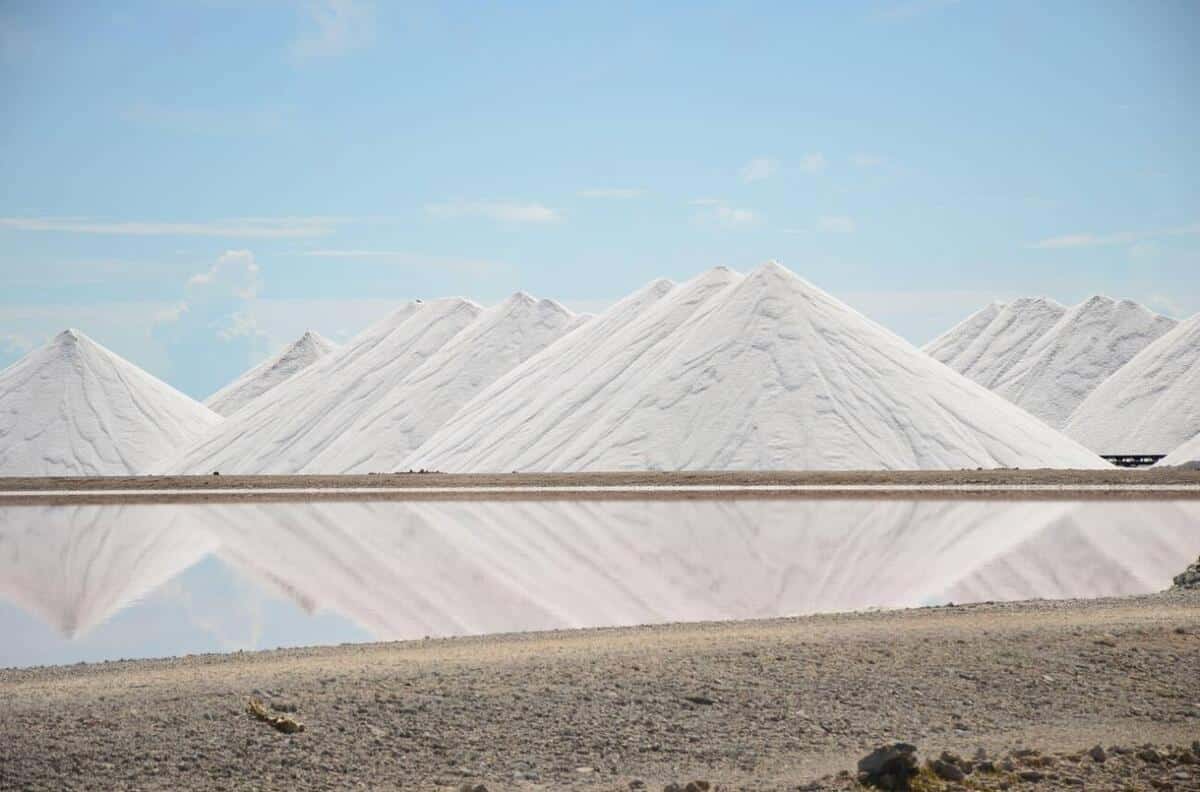
At the southern tip of Bonaire, a Dutch-speaking island in the Caribbean, the salt marshes stretch out in pink and white basins across nearly 3,700 hectares—thirteen percent of the island’s total area. This postcard view, photographed every year by thousands of visitors from the coastal road, hides a history dating back more than five centuries, the story of salt that shaped Bonaire’s economy and, for two hundred years, the lives of hundreds of enslaved people. Along EEG Boulevard, which runs along the southern coast of Bonaire, mountains of white salt come into view kilometers before you reach them. Each contains about 10,000 metric tons of salt that is 99.6% pure, piled nearly 15 meters high, with up to 200,000 metric tons stored at any given time. Their whiteness, so intense that you need to keep sunglasses handy, stands in stark contrast to the pink of the neighboring pools. The salt

Read More »
Journées européennes du patrimoine 2026
EVENT MANAGEMENT
Tolotra

European Heritage Days 2026: Martinique Opens Its Archives.

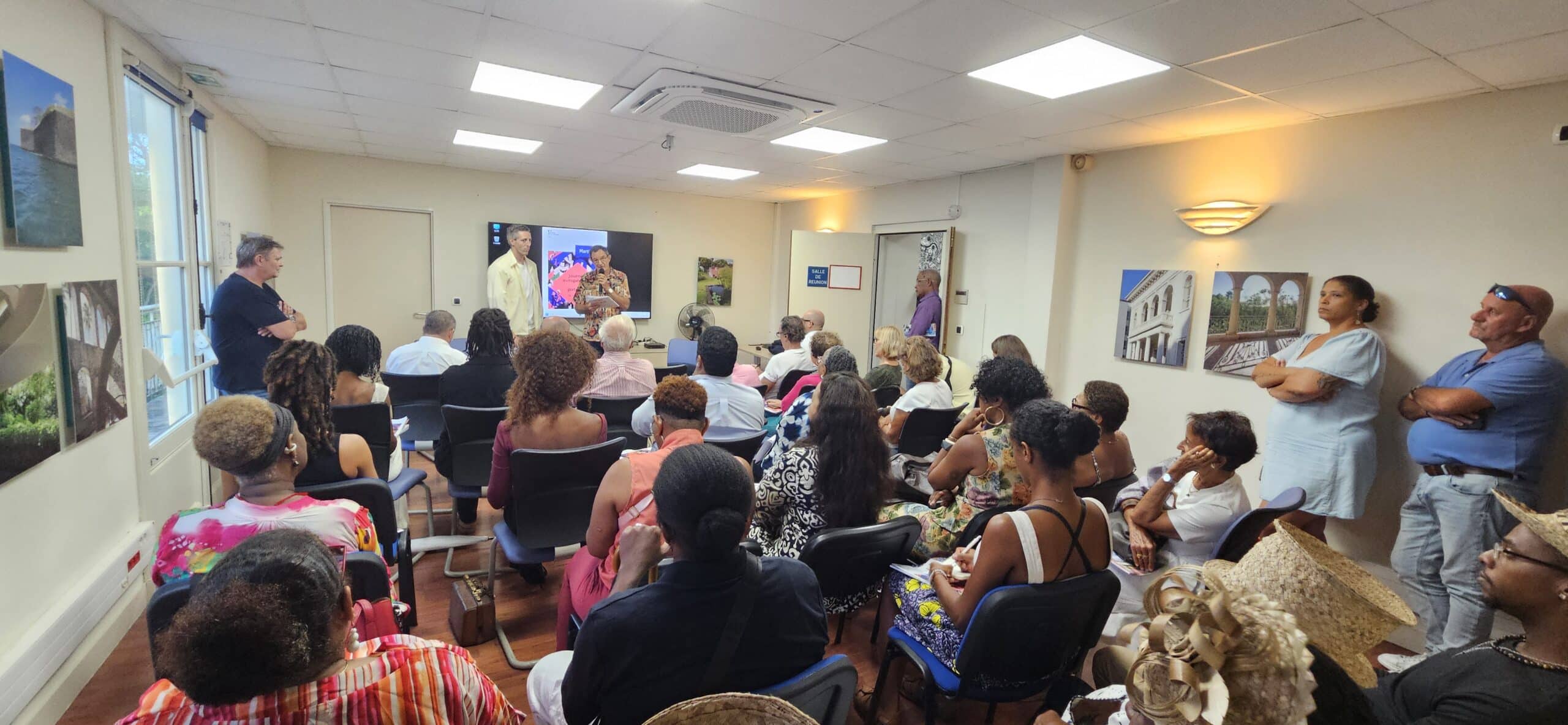
On September 15, at 5 p.m., the conference room of Martinique’s Cultural Affairs Department is already packed. Journalists, cultural leaders, organizations, artists, and heritage professionals have gathered to find out what the 43rd edition has in store. With just four days to go before the 2026 European Heritage Days , scheduled for September 19 and 20, this press conference already feels like a journey across Martinique—from its Creole huts to its lighthouses, from Saint-Pierre to the monuments we sometimes pass by without really noticing them. European Heritage Days 2026: A Lively Conference Johan-Hilel Hamel, Martinique’s director of cultural affairs, opened the meeting without putting on airs. He even warned that the evening would not be a long monologue. The conversation quickly began to flow. A representative from Les Trois-Îlets speaks, followed by Xavier Nicolas from the Directorate of the Sea, Philippe Villard from the Heritage Foundation, Florence Le Gal from

Read More »
caribbean cinema
FILM & VIDEO
Tolotra

S3/10 – Stories of Caribbean Cinema: Two Perspectives on the Year 1980. Texts by Guillaume Robillard. Ciclic, 2026.

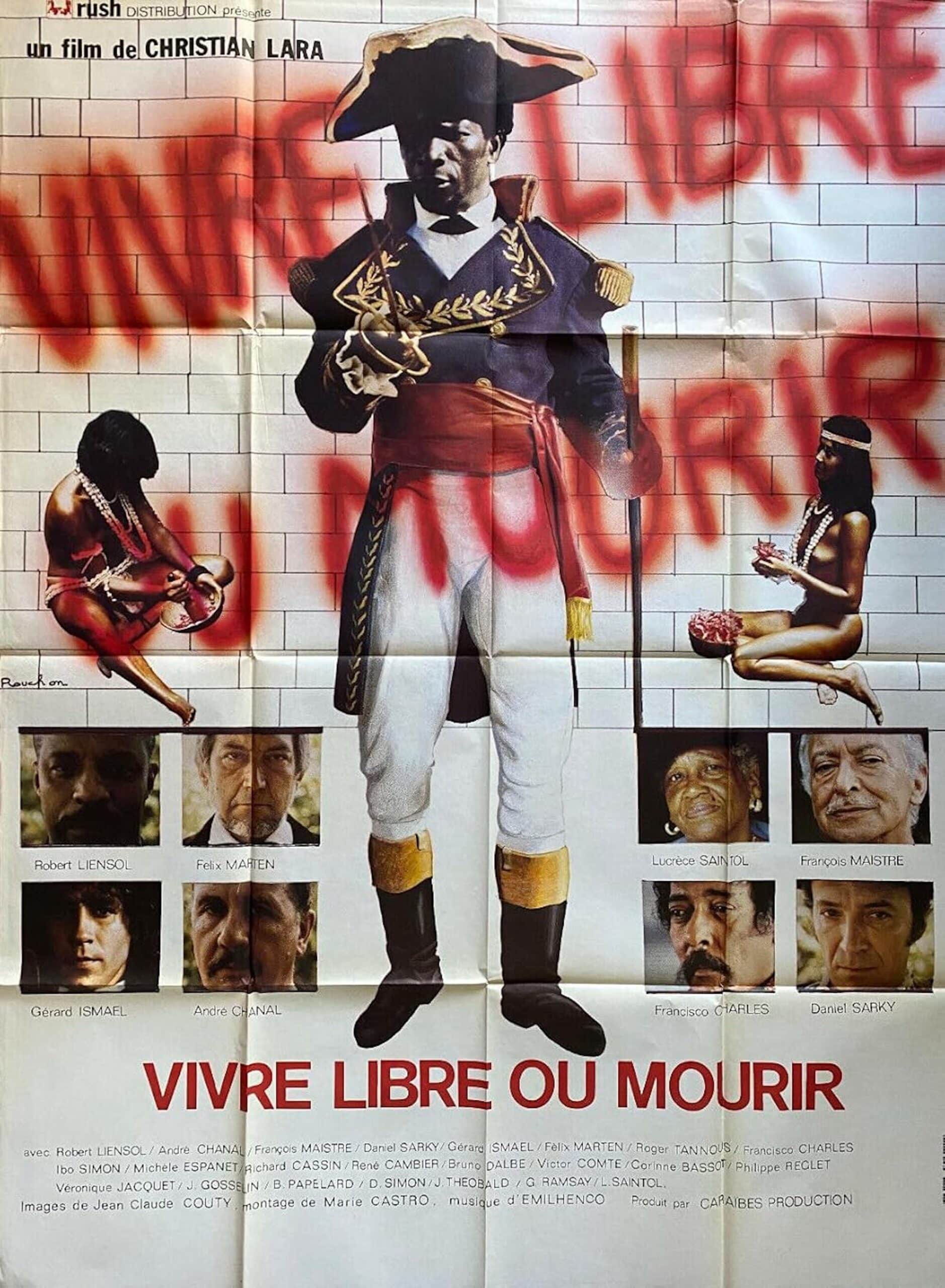
With this third episode, *Stories of Caribbean Cinema* moves into the 1980s. The first two installments covered Cuba, Jamaica, Trinidad and Tobago, and Guadeloupe, from the 1960s through the emergence of Caribbean cinema. This time, two films made in the same year take radically different directions. In Jamaica, *Children of Babylon* explores romantic, sexual, and racial relationships with unusual freedom. In Guadeloupe, *Live Free or Die* draws on several centuries of history centered on the legacy of Commander Ignace. This article is the third installment in a series of ten. Two installments have already been published, and seven more will follow in this chronology of Caribbean cinema. 1980: JAMAICA – “CHILDREN OF BABYLON”, BY LENNIE LITTLE-WHITE This film is unique in Jamaican cinema and, more broadly, in Caribbean cinema as a whole. Far from the social deprivation of Kingston’s ghettos, in a villa in the countryside (complete with a swimming

Read More »

conTACT RK

we'd love to have your feedback on your experience so far

Join The List

Join our Richès Karayib community!  Sign up for our newsletter.

Want To Maximize Your Business Presence On Riches Karayib?

Complete the form to start the application