Royal Caribbeana major player in the cruise industry, joins forces with the Caribbean Tourism Organization (CTO) to promote the sustainable growth of tourism in this paradise region. This month, a landmark event took place in Miami, the Caribbean Weekend, bringing together tourism ministers, executives and other key players to discuss the opportunities and challenges facing the sector.
An iconic tourism summit
The event, entitled “Envisioning Caribbean Tourism: An Iconic Summit”, was held on board Royal Caribbean‘s latest ship, the icon of the Seas. The meeting initiated vital discussions on job creation, sustainability and community engagement. Michael Bayley, President and CEO of Royal Caribbean, opened the proceedings, emphasizing the importance of the cruise industry to the Caribbean economy.
” The Caribbean is the soul of Royal Caribbean. Around 60% of our business comes from this region,” he said, emphasizing the deep ties between the company and the islands.
Royal Caribbean's commitment to sustainability
Sustainability is a central theme of this initiative. Bayley reaffirmed Royal Caribbean’s commitment to reducing its ecological footprint. Among the initiatives presented was the use of biofuels and liquefied natural gas (LNG) to power its ships. This demonstrates a commitment to meeting environmental challenges while continuing to support the local economy.
Ian Gooding-Edghill, Chairman of the CTO and Barbados’ Minister of Tourism and International Transport, also stressed the importance of cross-sector collaboration in achieving these goals. “We need to work together to reinvent the future of tourism in the Caribbean,” he said.
Employment opportunities and local sourcing
Royal Caribbean is also committed to creating employment opportunities for the people of the Caribbean. Bayley has highlighted the need to improve supply chain systems to support local producers. Working hand-in-hand with local ministries, the company aims to develop cooperatives that would facilitate the supply of fresh produce for its ships.
He also mentioned the American Caribbean Maritime Foundation’s cadet program, which enables talented young people to train and take part in the maritime industry. The story of a female officer from the Bahamas, who sailed aboard the Icon of the Seas, was particularly inspiring for participants.
The importance of partnerships
The summit highlighted the vital role of partnerships in transforming the tourism industry. Dona Regis-Prosper, Secretary General of the CTO, expressed her gratitude to Royal Caribbean for its ongoing commitment. She said, “This iconic summit underscores the power of partnerships and collaboration. We need to reimagine our approach to tourism development.”
Royal Caribbean is also committed to strengthening exchanges and communication between the industry’s various stakeholders. This includes a better understanding of the needs and challenges of Caribbean communities, to ensure that tourism development benefits all.
Royal Caribbean's vision for the future
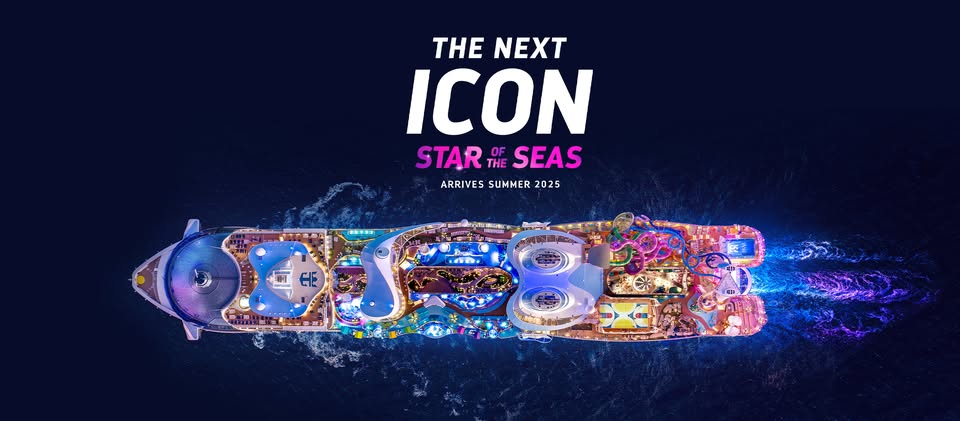
As Royal Caribbean prepares to launch its next ship, Star of the Sea, Bayley reassured attendees that the Caribbean will continue to be at the heart of its operations. The company is committed to investing in the region, creating a future where sustainable growth and the economic well-being of the Caribbean are paramount.
Supporting sustainability initiatives and promoting local culture are key elements of this vision. This involves not only financial investment, but also a long-term commitment to local communities.
A promising future for tourism
The Miami meeting was a pivotal moment for the Caribbean tourism sector. Thanks to the collaboration between Royal Caribbean and the CTO, new opportunities for sustainable growth are on the horizon. The discussions held at the summit should serve as a springboard for future initiatives, aimed at ensuring that tourism in the Caribbean is both economically viable and environmentally friendly.
By further integrating local stakeholders into the development process and adopting sustainable practices, Royal Caribbean is proving that it is possible to combine pleasure and responsibility. The future of tourism in the Caribbean looks bright, and with a strong commitment and solid partnerships, it’s likely that this region will continue to shine on the world tourism stage.