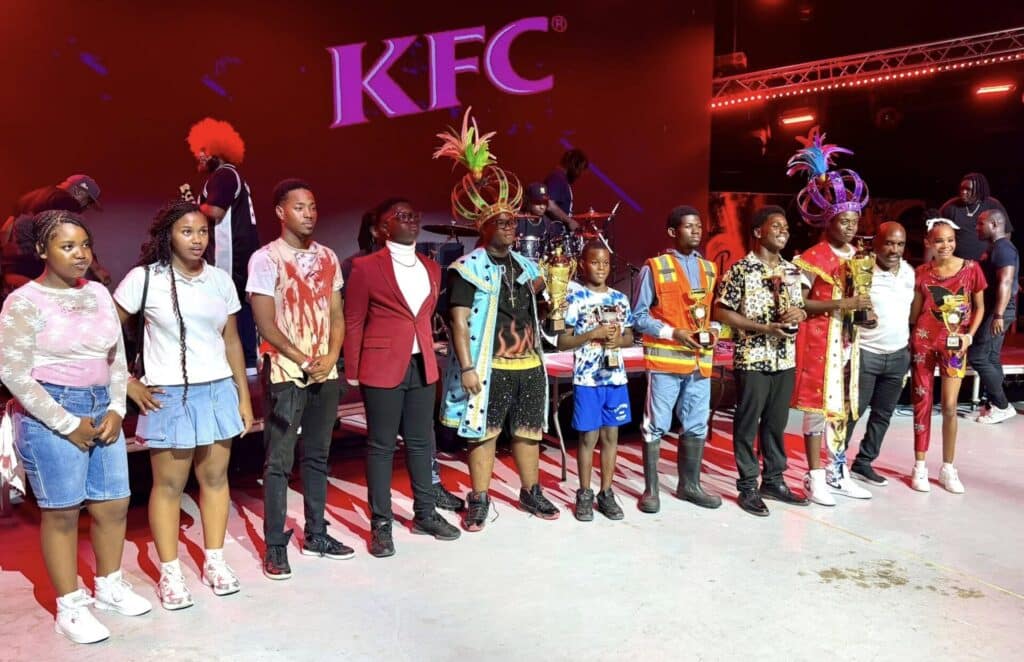
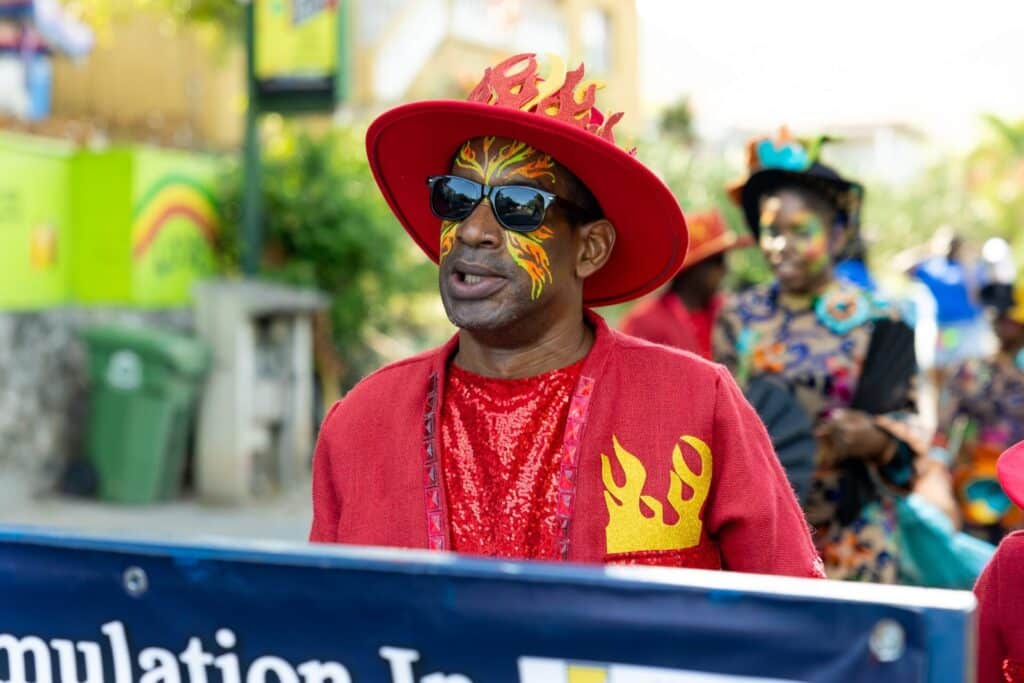
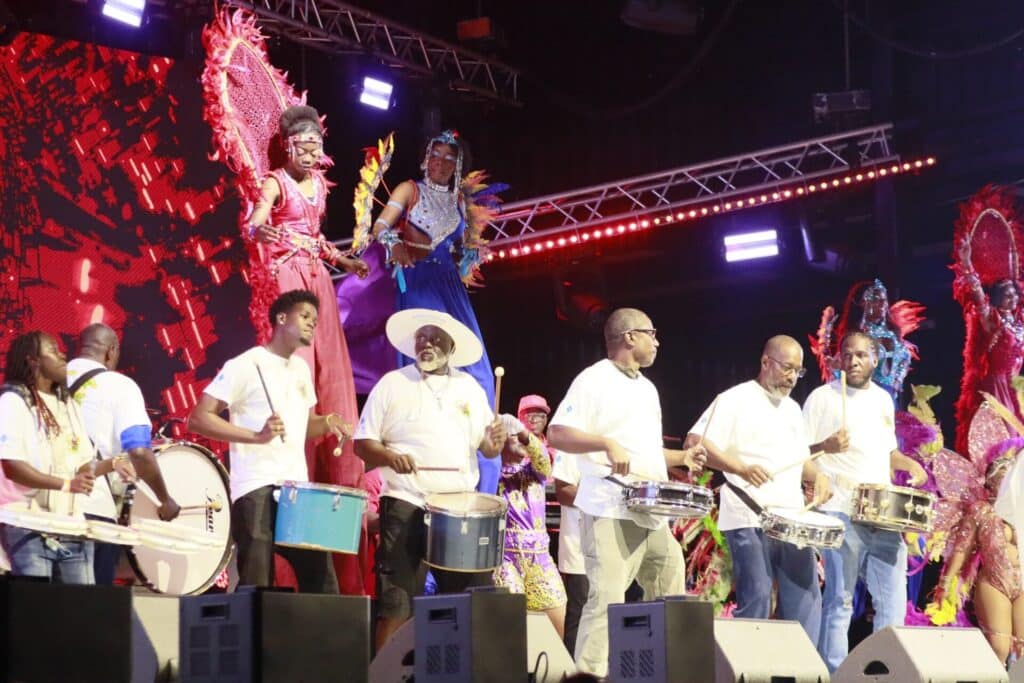
In Philipsburg, carnival is about much more than costumes and concerts. It shows an island divided between two histories, two administrations and the same popular energy. For its 55th anniversary, St Maarten Carnival 2026 gives Sint Maarten the opportunity to show what the Caribbean does best: transforming a local festival into a marker of identity.
A carnival that's more than just a party
St Maarten Carnival 2026 began on April 10 and continues until May 5, with Philipsburg as the focal point. In the streets, locals aren’t just watching a parade go by. They recognize families, neighborhoods, groups, sounds, food stands, faces that have returned for the occasion. Carnival is not just a decoration. It’s part of the way Sint Maarten tells its story.
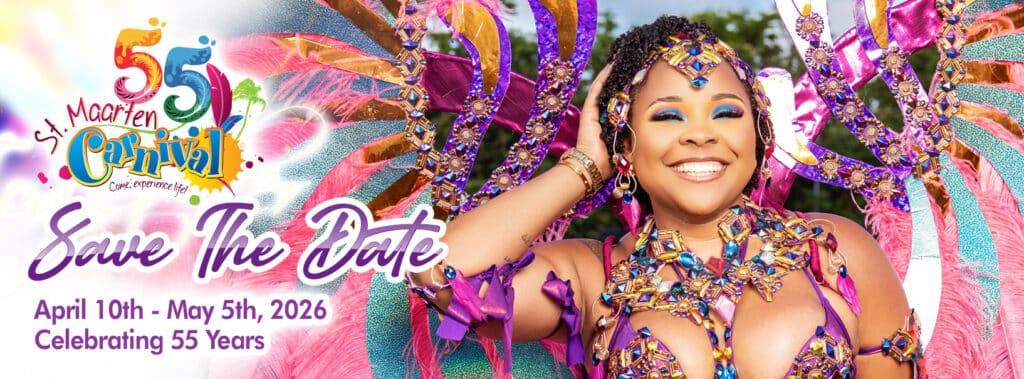
This year’s event carries a special weight. St. Maarten Carnival 2026 marks the 55th edition of the biggest cultural event on the Dutch part of the island. The St. Maarten Carnival Development Foundation, which organizes the carnival, has extended the calendar to meet strong local, regional and tourist demand. The festival now spans several weeks, with the Carnival Village opening, concerts, pageants, jump-ups, parades and a grand finale.
One island, two stories, many rhythms
The local roots of St Maarten Carnival 2026 are essential to understanding what’s at stake here. Sint Maarten occupies the southern part of the island of Saint-Martin, shared with the French collectivity of Saint-Martin to the north. This geography gives the carnival a uniqueness that is rare in the Caribbean. On the same island territory, traditions, calendars, languages and references intersect without merging. Carnival on the Dutch side does not seek to imitate that on the French side. It asserts its own temporality, its own rhythm and its own relationship to the street.
Carnival Village, the popular heart of Philipsburg
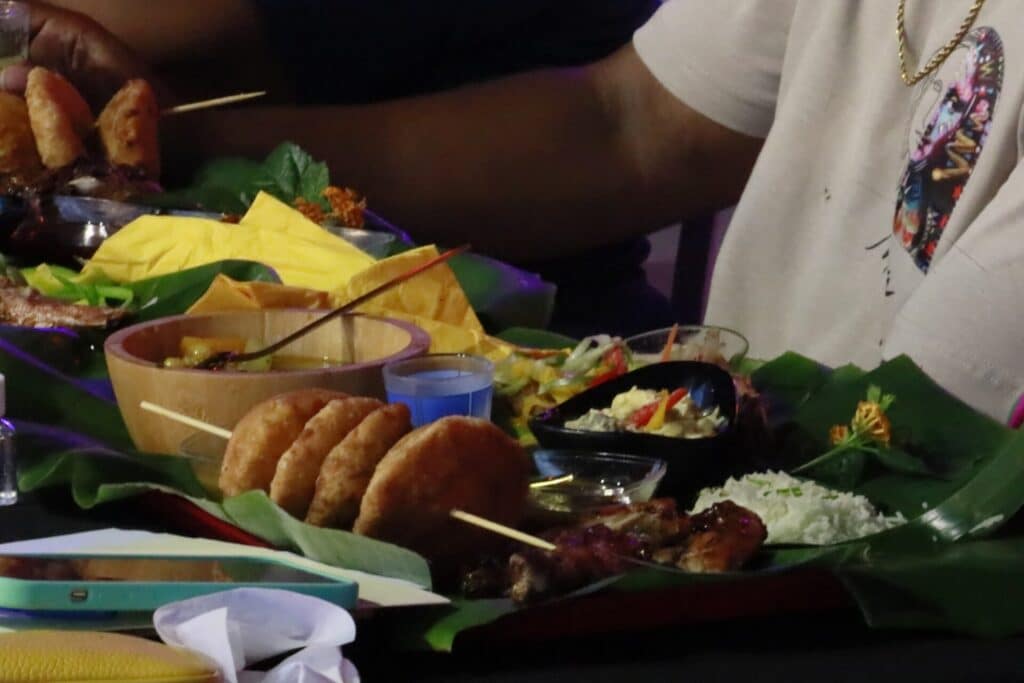
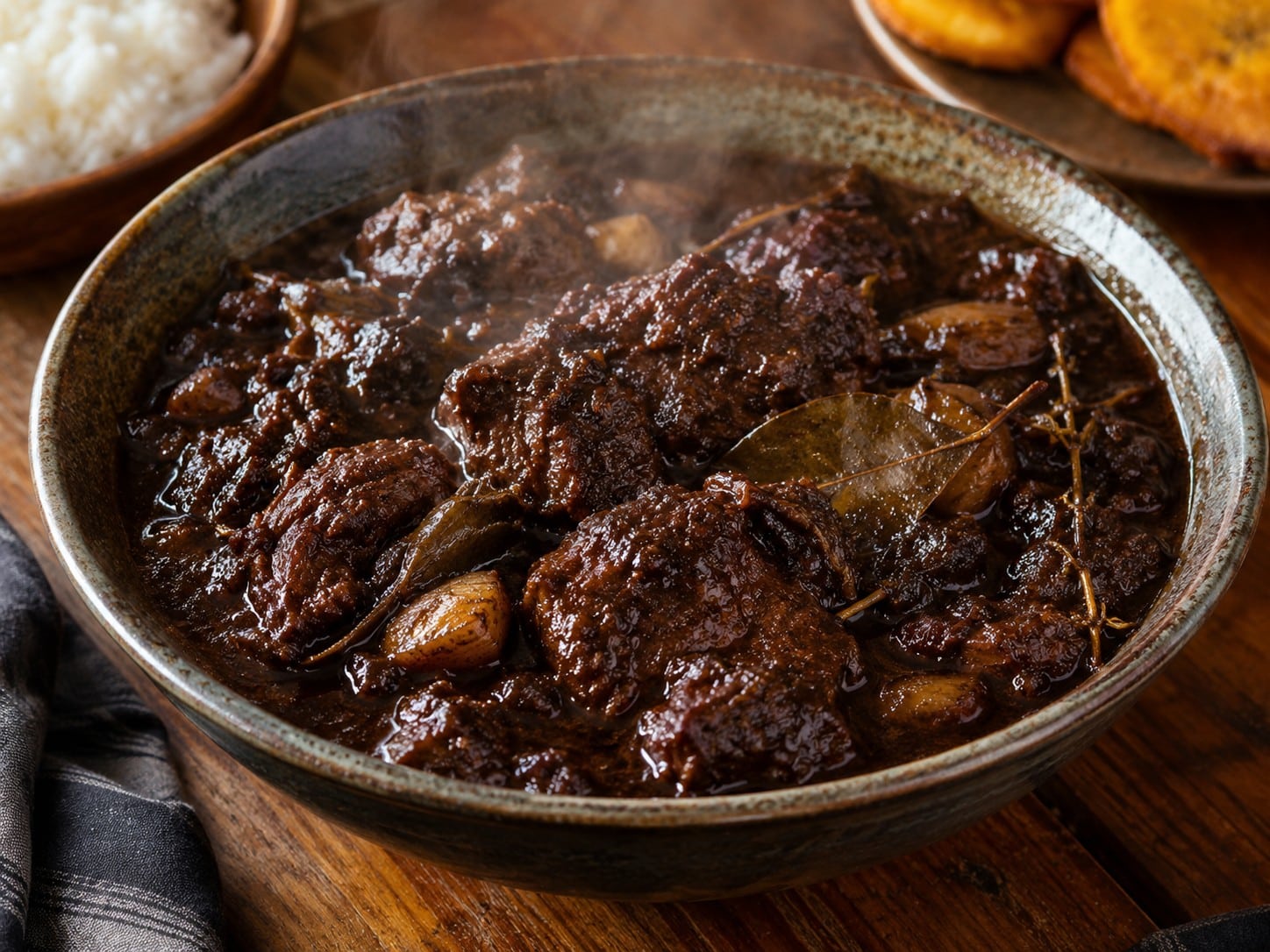
The heart of St Maarten Carnival 2026 beats at the Jocelyn Arndell Festival Village, in the Great Salt Pond area. This is where most of the parties, stalls, stages and reunions are concentrated. The St. Maarten Tourist Bureau presents the Village as one of the great culinary spaces of the Caribbean, with an offering that blends local dishes, street food and regional influences. This is an important detail. In Sint Maarten, Carnival isn’t just about the music. It’s also about plates, smells, family recipes and late-night conversation.
Parades, jump-ups and competitions: a lively cultural economy
The program for St Maarten Carnival 2026 also shows that carnival is more than just a big concert. The edition includes several local cultural evenings, three parades, five jump-ups, four queen competitions and six international concerts. This diversity gives a more accurate reading of the carnival. Behind the feathers, floats and stages, there are competitions, dance schools, dressmakers, musicians, cooks, technicians, families and volunteers. Carnival is a cultural economy, but also a social organization.
The Grand Carnival Parade, the highlight of a long season
The Grand Carnival Parade on April 30 remains one of the most eagerly awaited events of the year. It falls on a key date in the local calendar and traditionally attracts large numbers of participants and spectators. But it would be a mistake to reduce the St Maarten Carnival 2026 to just this one day. What makes it so powerful is its duration. For several weeks, the island sets to the rhythm of preparations, reunions, returns from the diaspora and parties in the Village. Carnival becomes a common thread running through the generations.
Grow without losing your soul
This edition also raises an important question for Caribbean territories: how can we grow without losing our soul? Sint Maarten receives visitors from all over the world. Its airport, hotels, beaches and nightlife make it a highly exposed destination. The risk, for a carnival of this scale, would be to become merely a tourist product. But the 2026 edition reminds us of something else: carnival remains first and foremost a local cultural event. The locals are not mere extras in a festival sold to visitors. They are its authors, guardians and primary beneficiaries.
Youth at the heart of transmission
The presence of young people is the other challenge. A carnival that lasts 55 years doesn’t survive just because it attracts an audience. It survives because it transmits gestures. Wearing a costume, playing in a band, setting up a stand, learning a rhythm, taking part in a pageant, marching in a parade: all these actions build a practical memory. They give young people a way of inhabiting their island other than through tourism or the service economy.
A common language for a complex island
St Maarten Carnival 2026 is more than just an anniversary. It tells the story of an island that embraces its complexity. An island cut in two, but crossed by constant circulation. An island where English, Dutch, French, Creole and local languages meet in the streets. An island where carnival becomes a common language, without erasing differences.
One question remains for the coming years. How can Sint Maarten continue to make its carnival shine without detaching it from those who built it? The answer may lie in the Village, between a parade, a food stand and a song sung by an entire crowd. Where carnival isn’t just watched. It’s lived.
📸 Photo credit: Facebook @St. Maarten Carnival
St Maarten Carnival 2026 takes place from April 10 to May 5, 2026 in Sint Maarten. This edition marks the 55th anniversary of Carnival, with several weeks of parades, jump-ups, competitions, concerts, cultural evenings and events at Carnival Village.
St Maarten Carnival 2026 takes place mainly in Philipsburg, on the Dutch side of the island of St. Maarten. The heart of the event beats at the Jocelyn Arndell Festival Village, located in the Great Salt Pond area, where numerous parties, music stages, culinary stands and popular gatherings are held.
The St Maarten Carnival 2026 is important because it is more than just a festive event. It represents a strong cultural marker for Sint Maarten, an island divided between two histories, two administrations and several languages. Through its parades, cuisine, music and popular traditions, Carnival helps to transmit local identity across generations.