Martinique

Martinique

Martinique

A Caribbean paradise of cultural and natural wonders

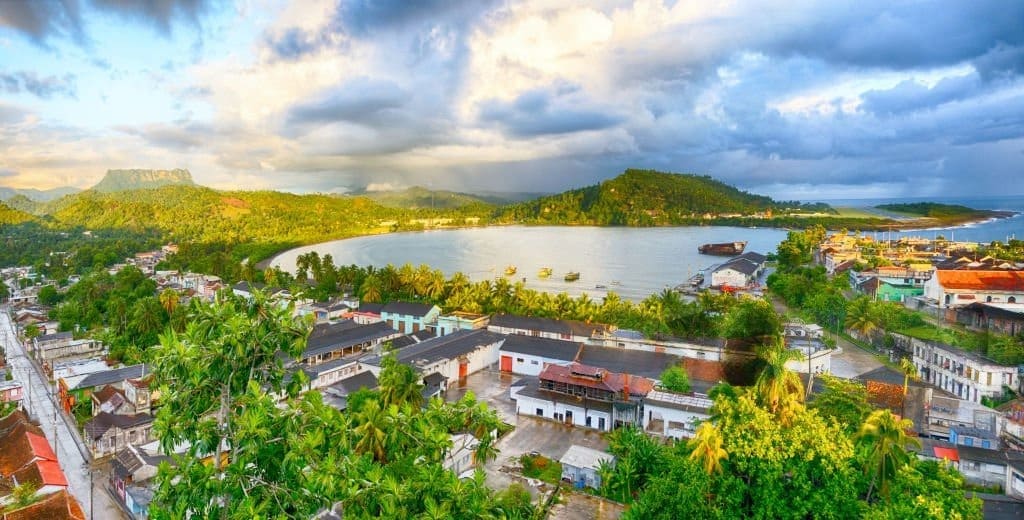
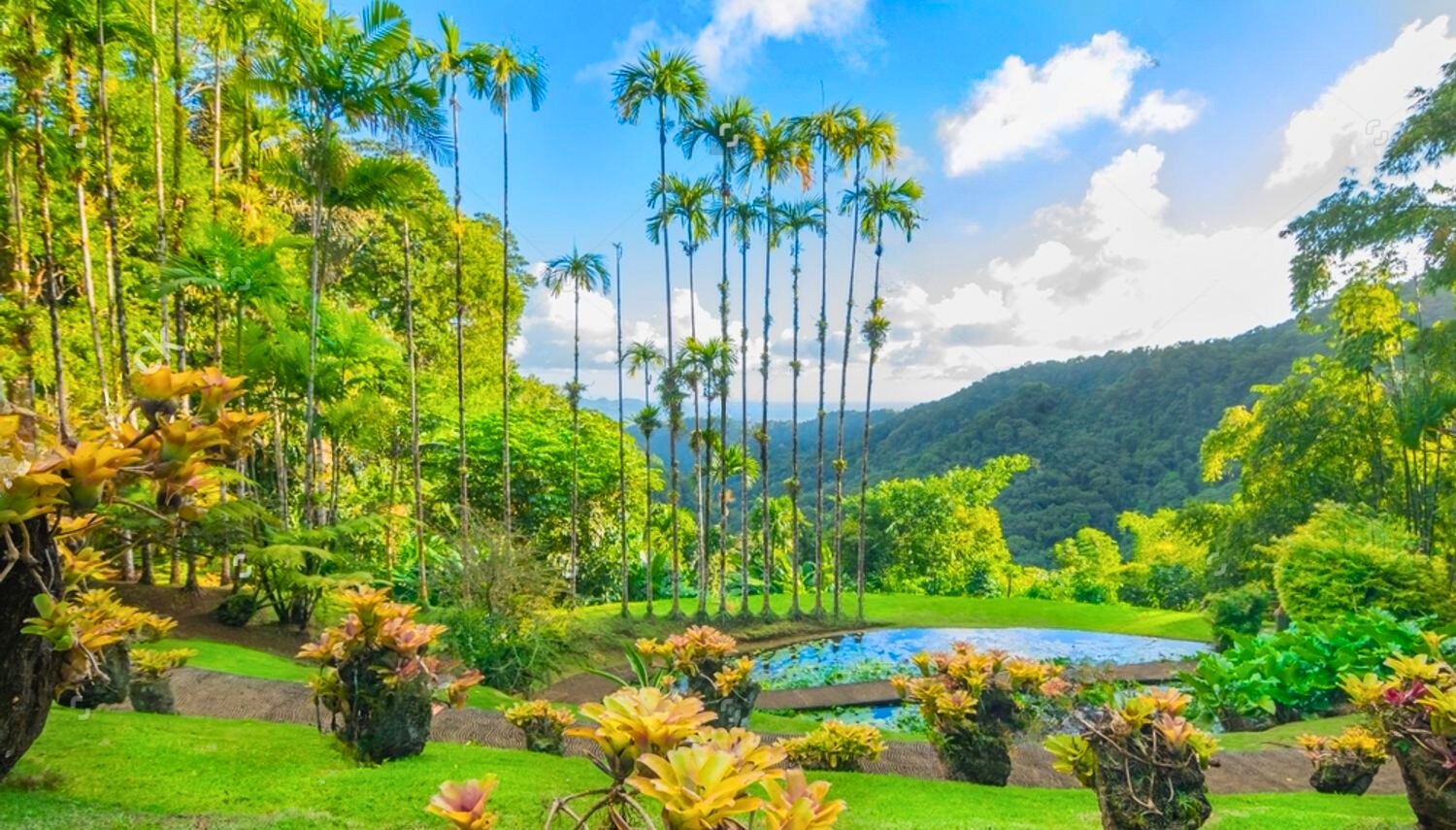
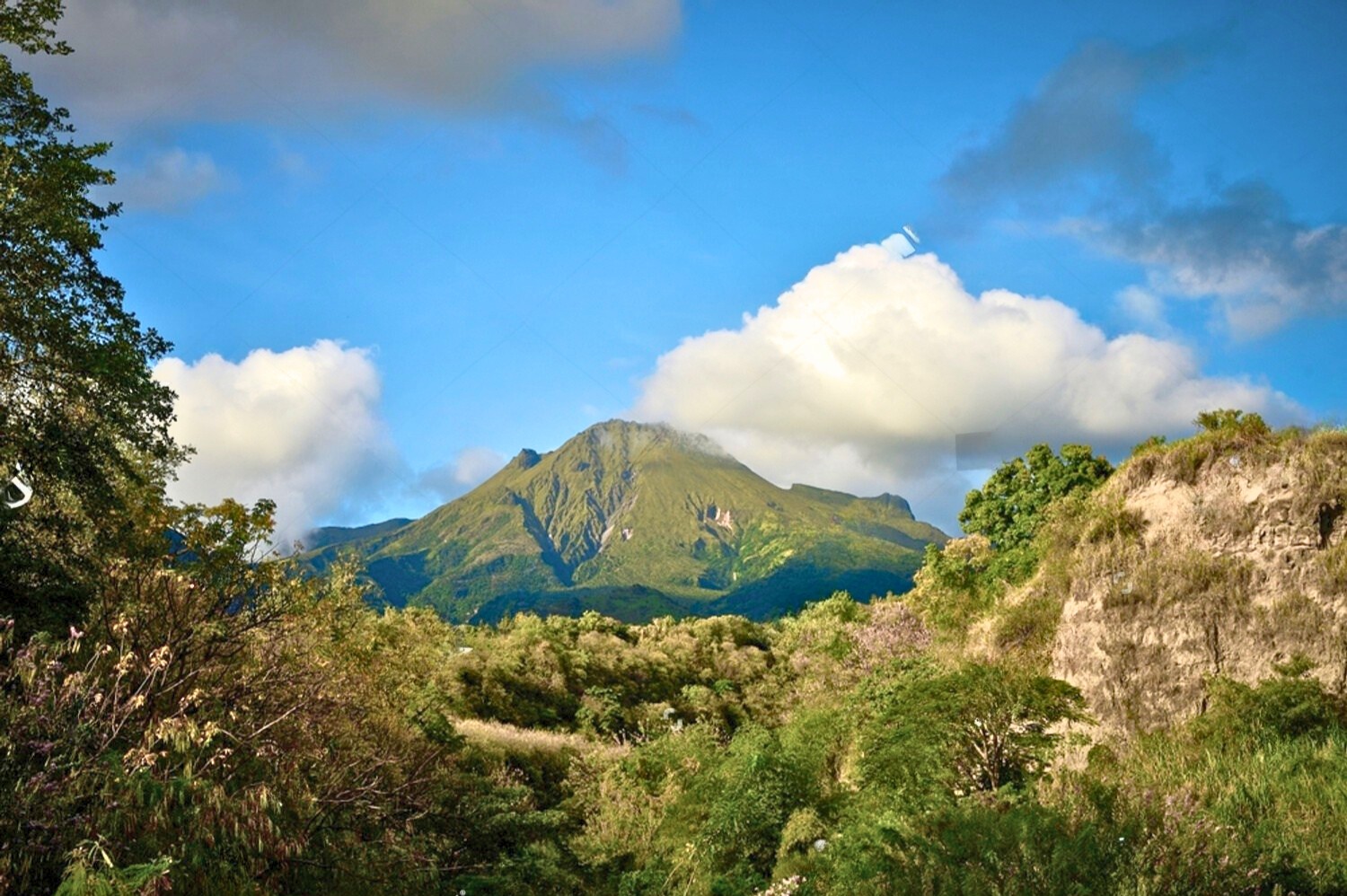
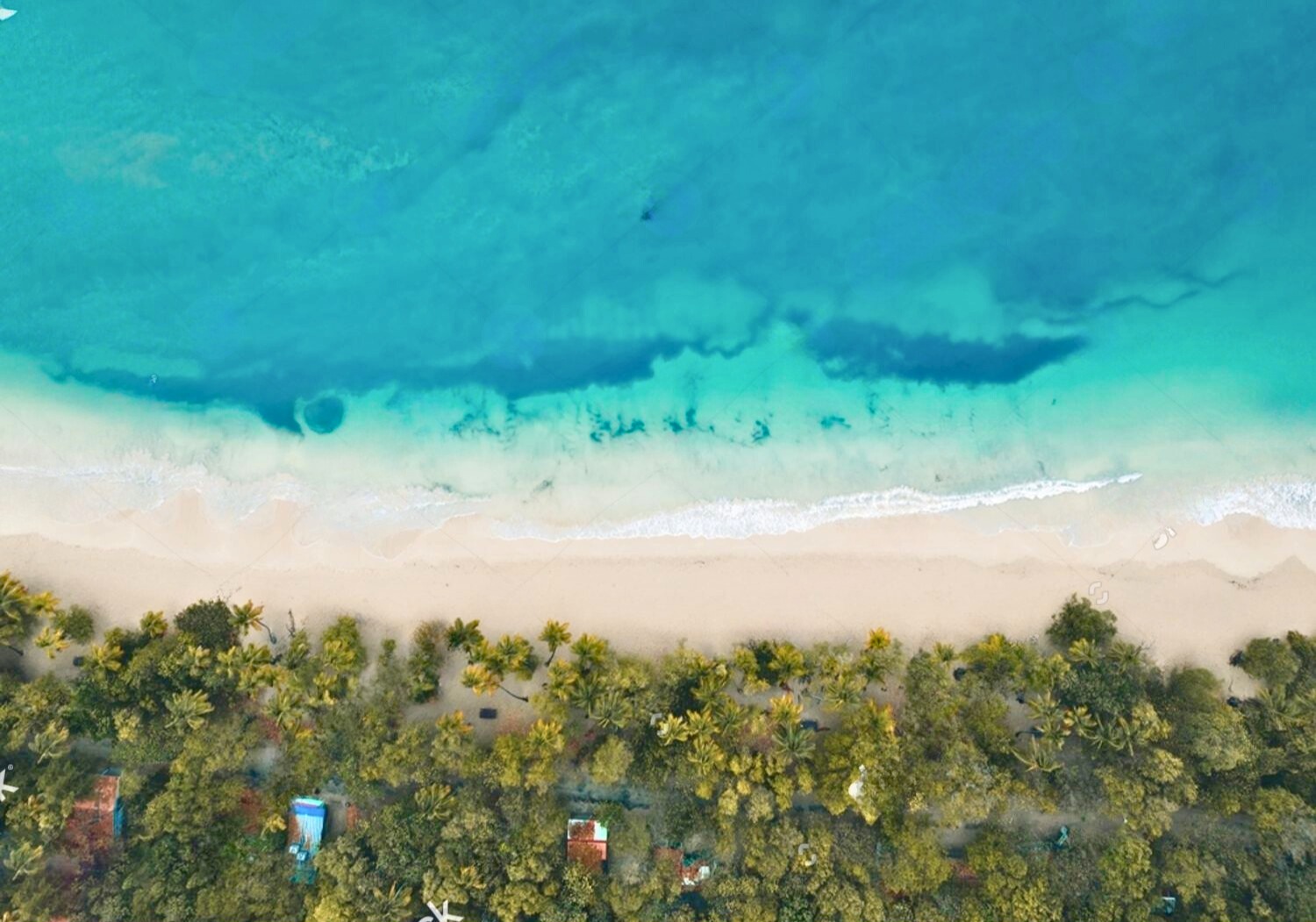
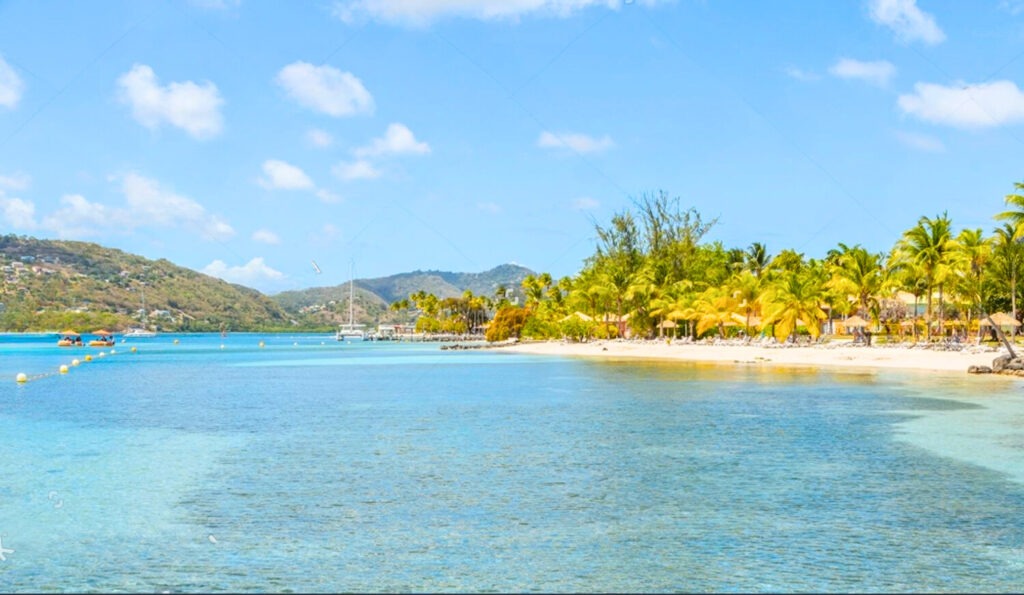
Located in the heart of the Caribbean Sea, Martinique is a French island that combines natural beauty with cultural richness. The capital, Fort-de-France, is a bustling port city that serves as the economic and cultural center of the island. With its lush mountains, white sandy beaches, and the famous Montagne Pelée, it is a sought-after destination for nature and culture enthusiasts.

Geographic and geological overview

A Geographic Snapshot

Martinique
  • Size: Approximately 1,128 square kilometers (435 square miles).
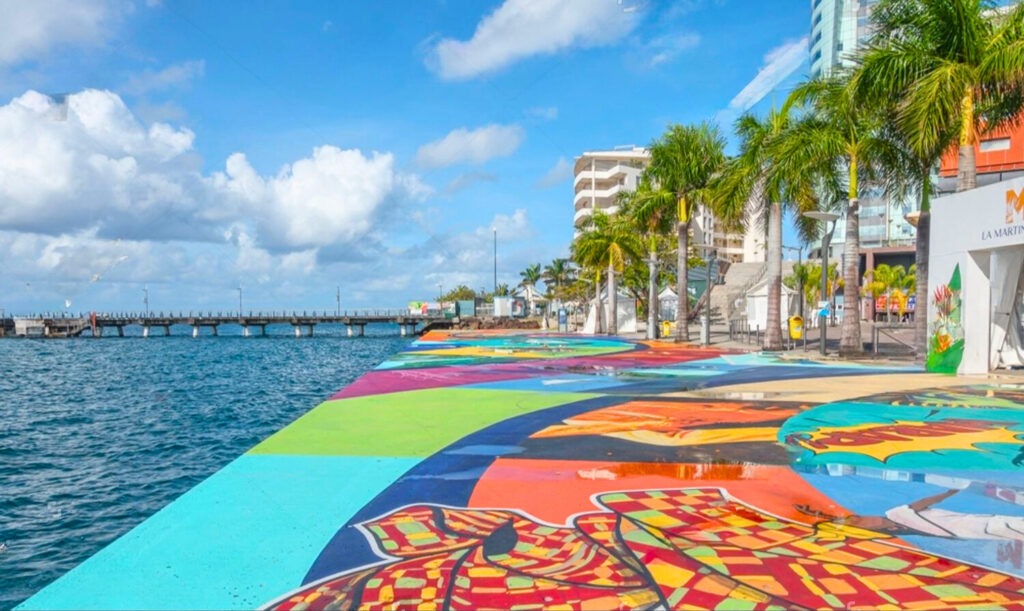
  • Capital: Fort-de-France, located on the West Coast.
  • High Point: Montagne Pelée, reaching 1,397 meters (4,583 feet).
  • Population: About 375,000 (2022).
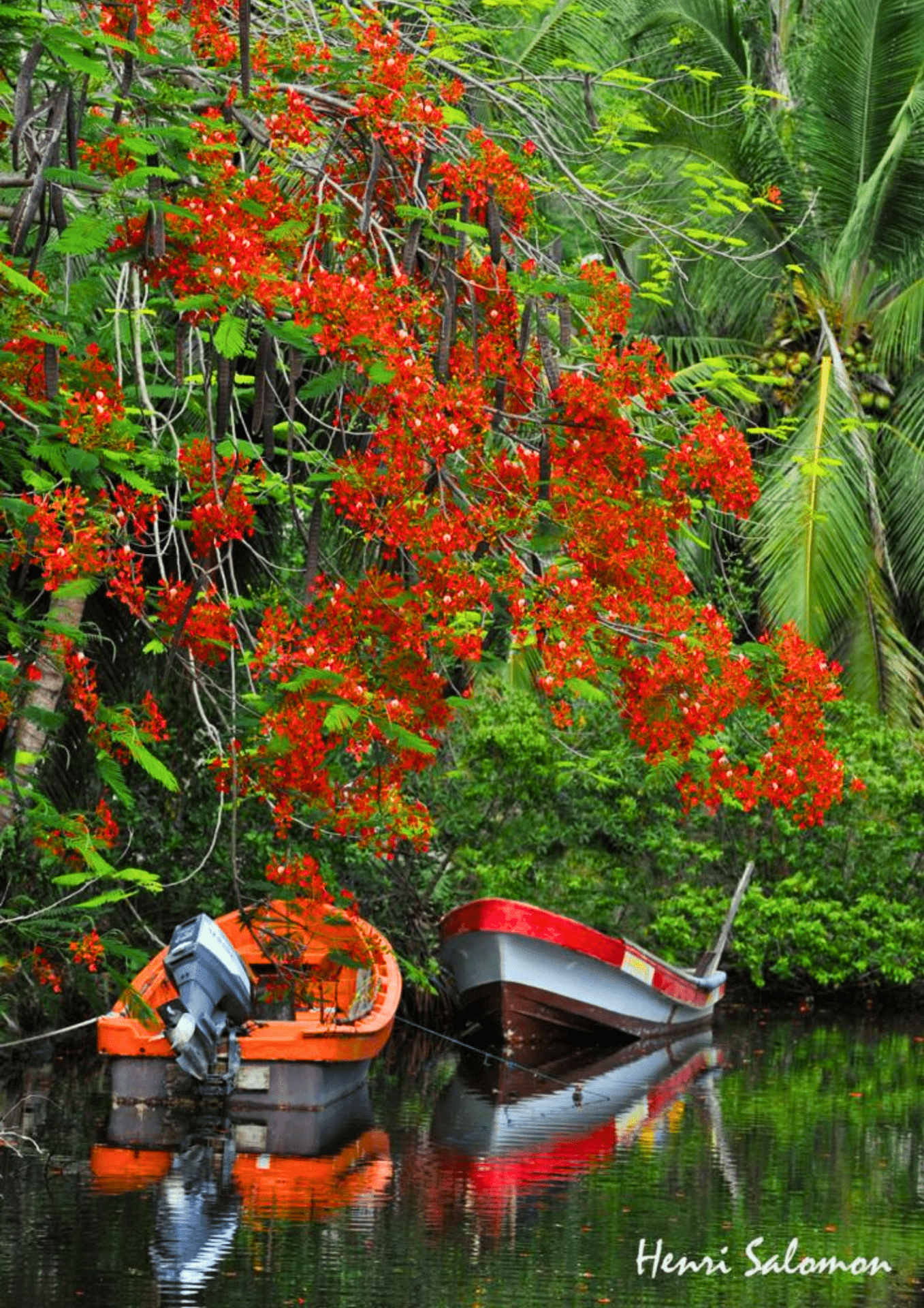
  • Vegetation: Tropical forests, sugarcane plantations, and idyllic beaches, supported by a tropical climate.
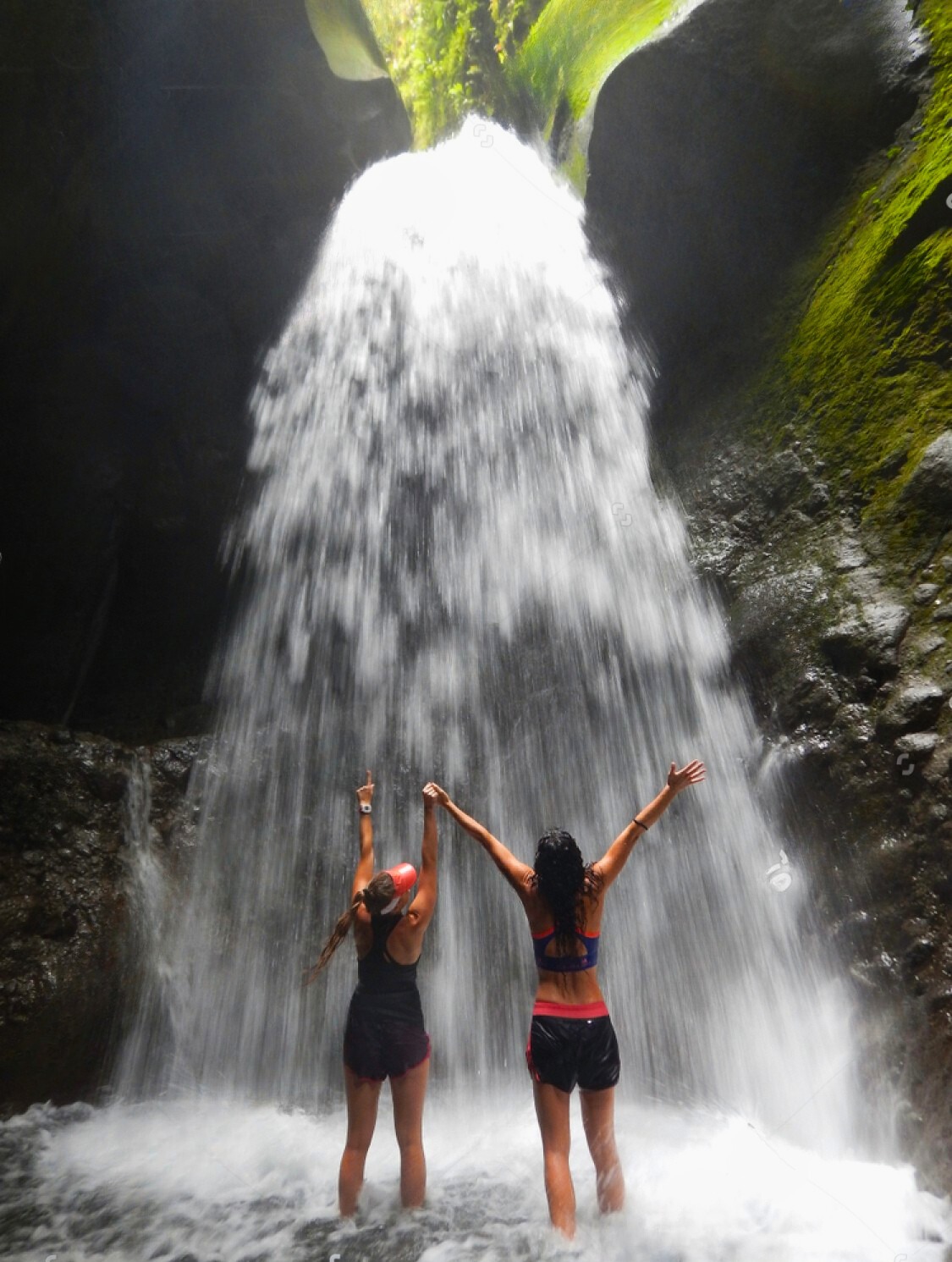
  • Water Bodies: Several rivers and waterfalls, such as the Lézarde River and the Carbet Falls.
Martinique

Geological Features

  • Geology: The island is of volcanic origin, with Montagne Pelée being one of the most active volcanoes in the region.
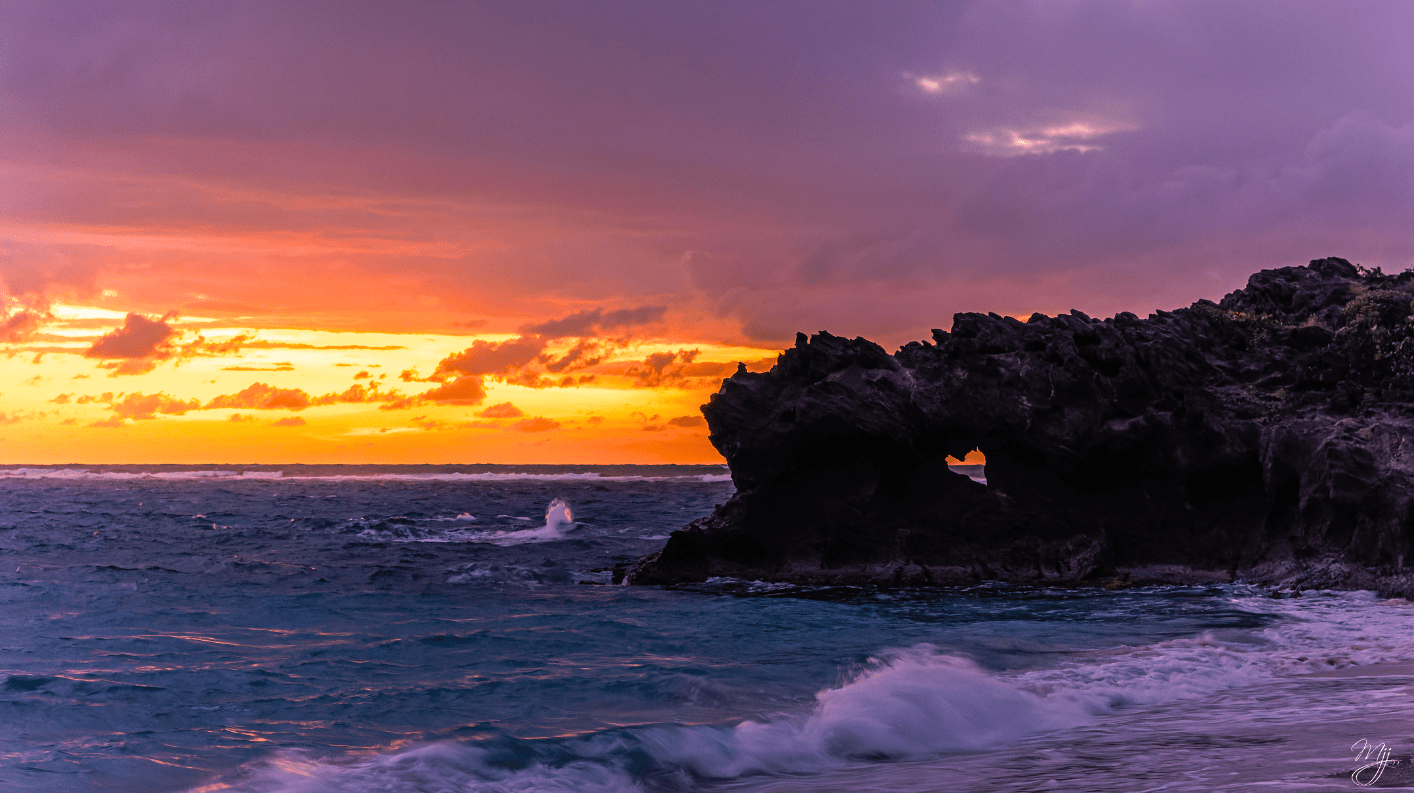
  • Natural Wonders: Martinique is home to unique natural sites, such as the Caravelle Peninsula, known for its mangroves and marine biodiversity.

Cultural Landscape

A rich cultural landscape

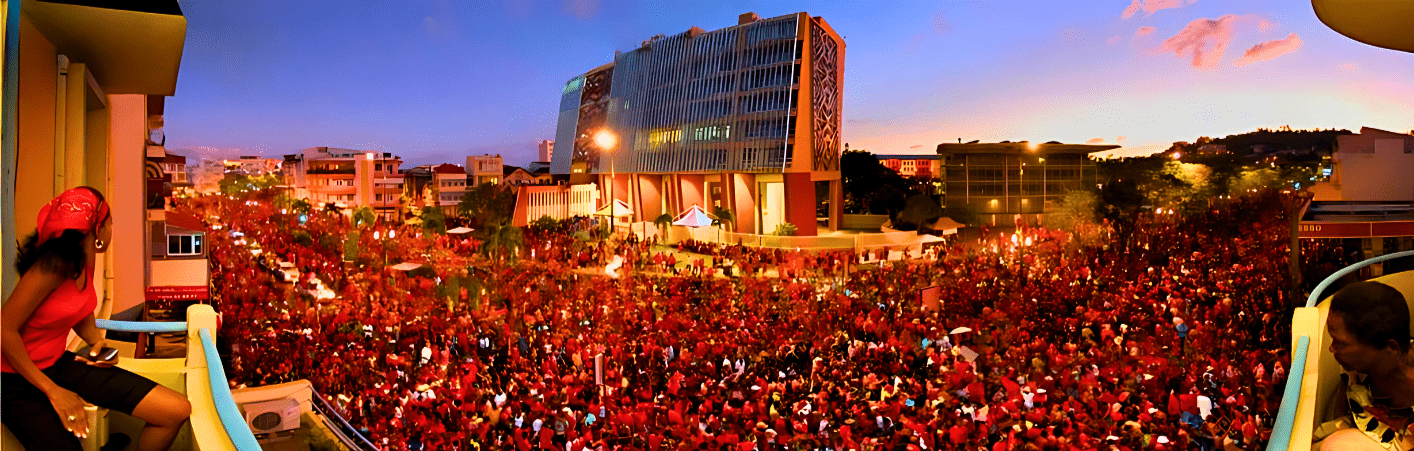
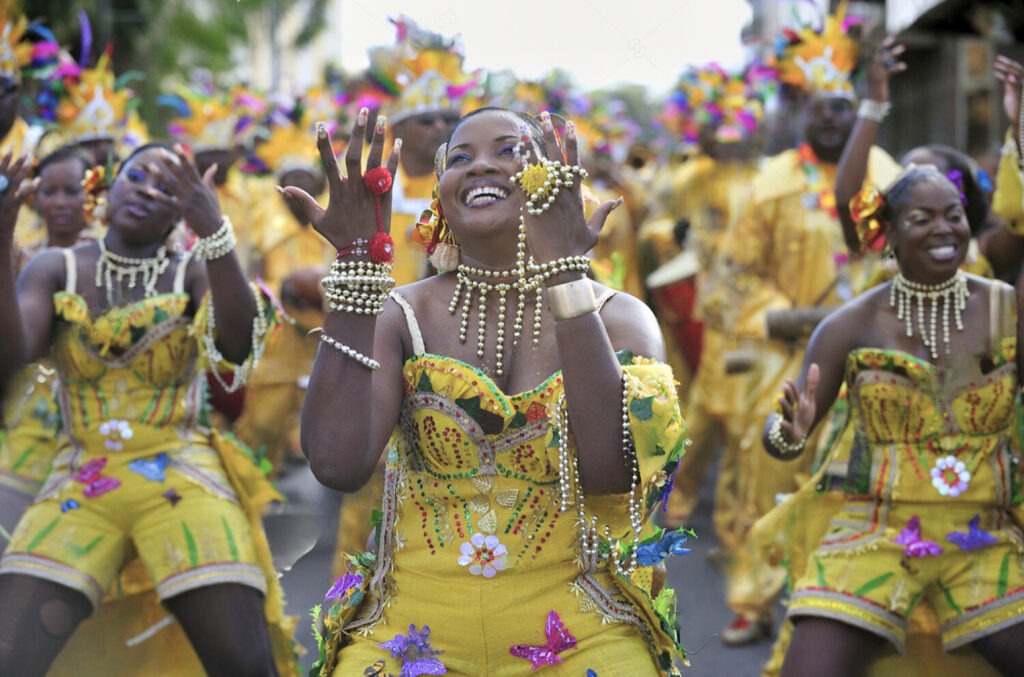
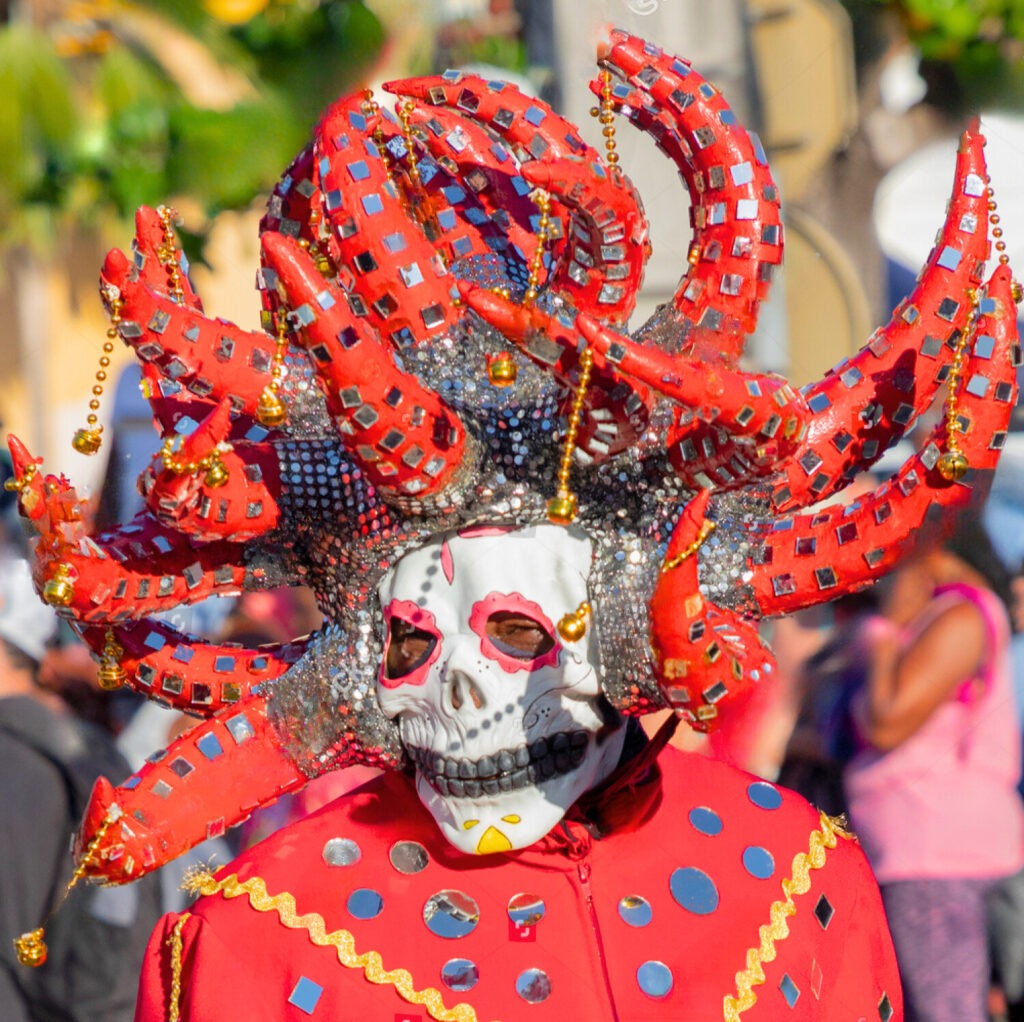
Martiniquais culture is the result of a blend of African, French, and Indian influences, visible in the language, music, and cuisine. The Carnival of Martinique is one of the most iconic events, attracting visitors with its colorful parades and lively music. Martinican Creole, widely spoken, enriches the island’s linguistic diversity.

Martinique
Martinique

Local Cuisine

Culinary delights of Martinique

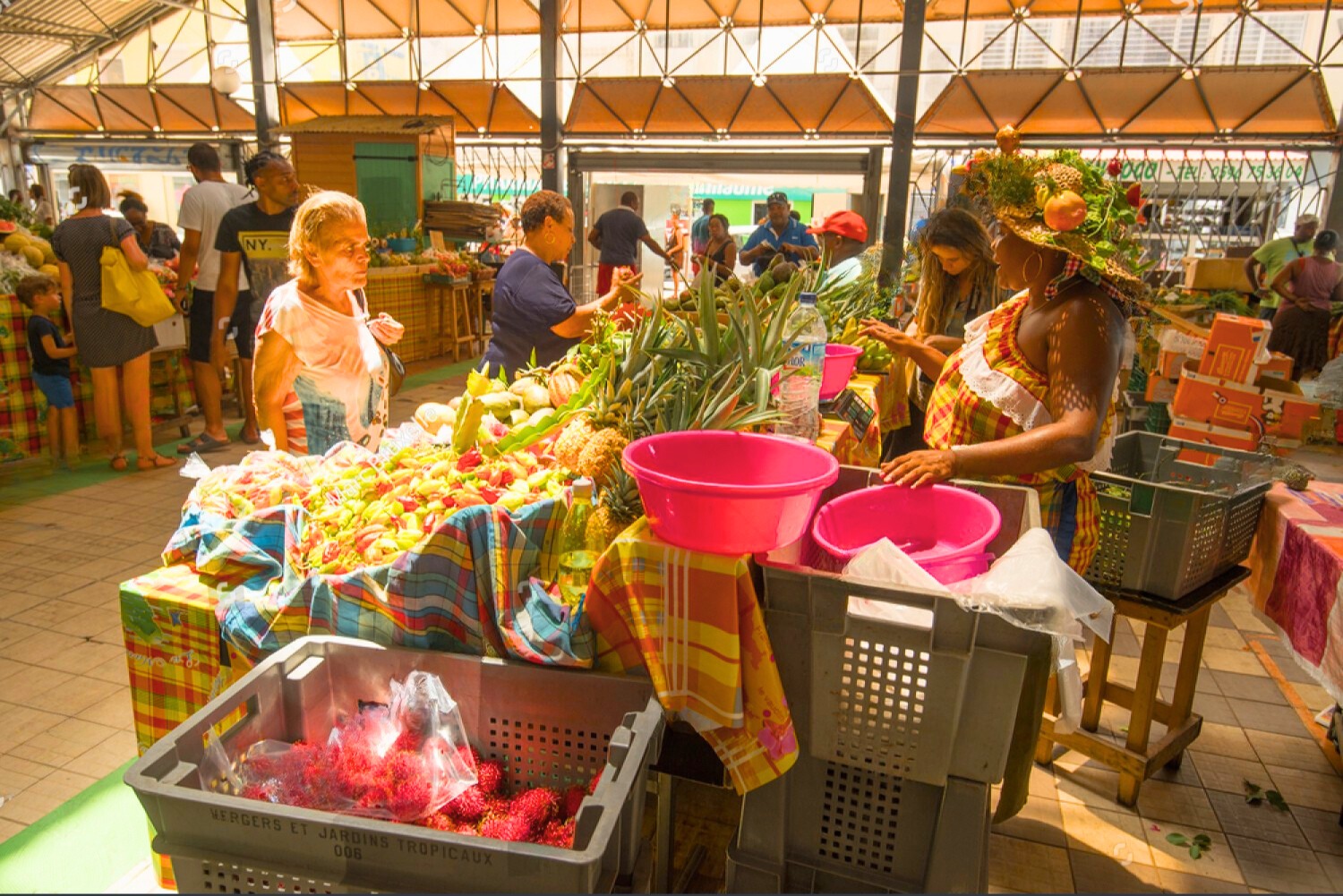
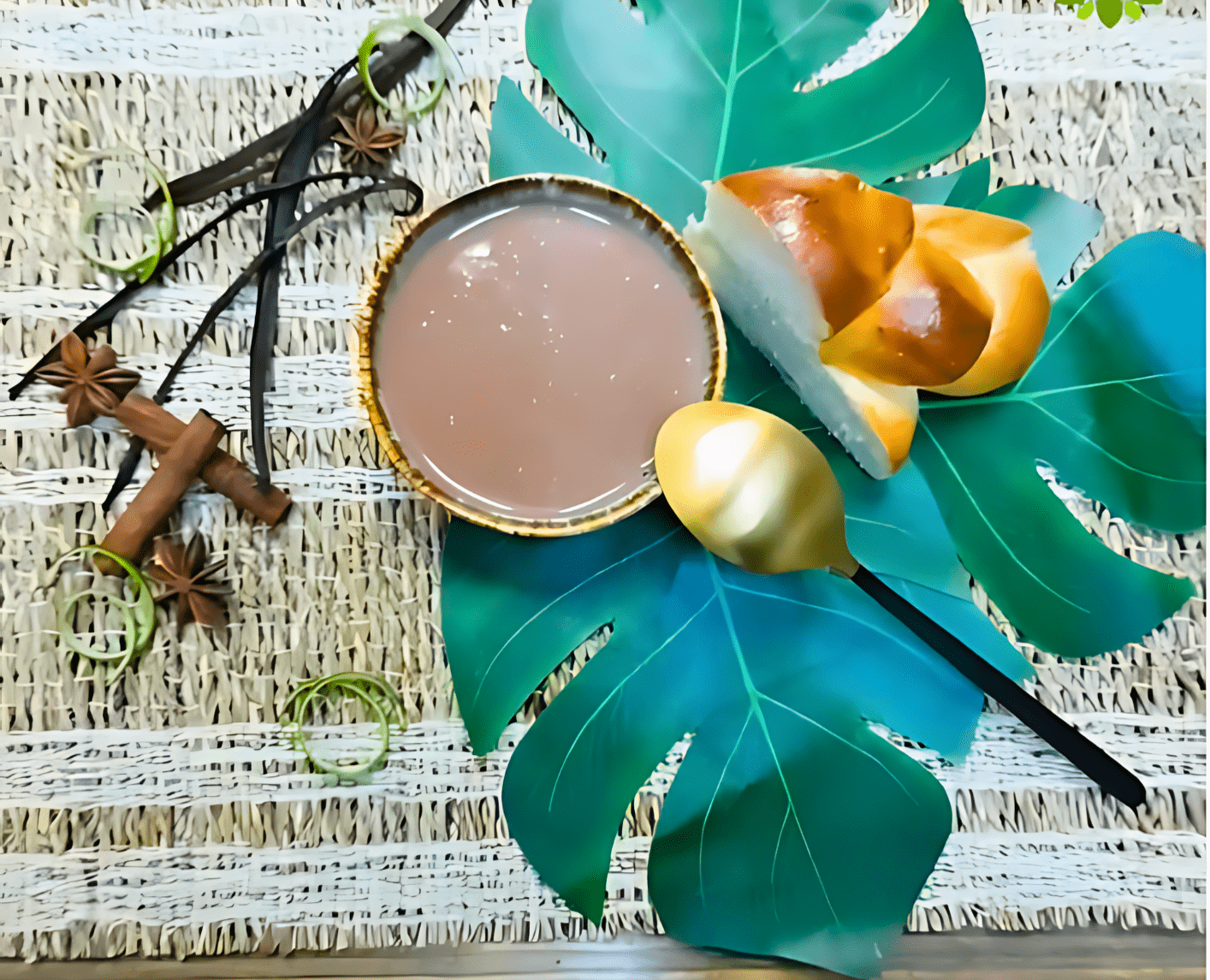
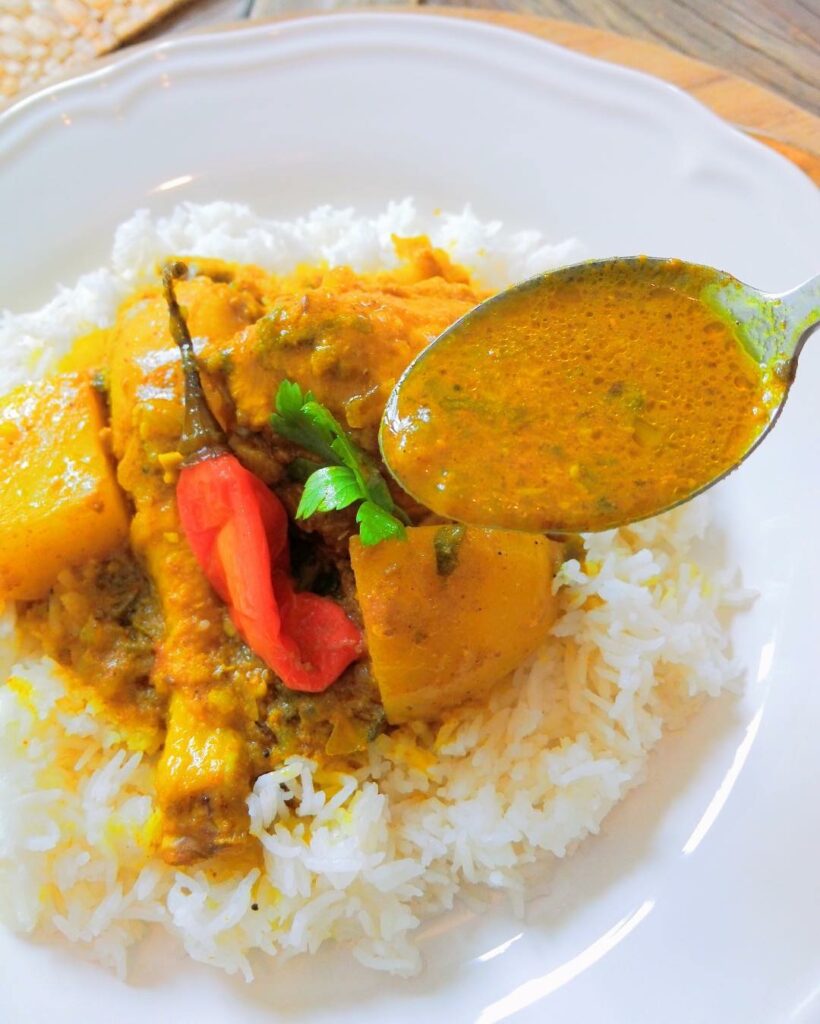
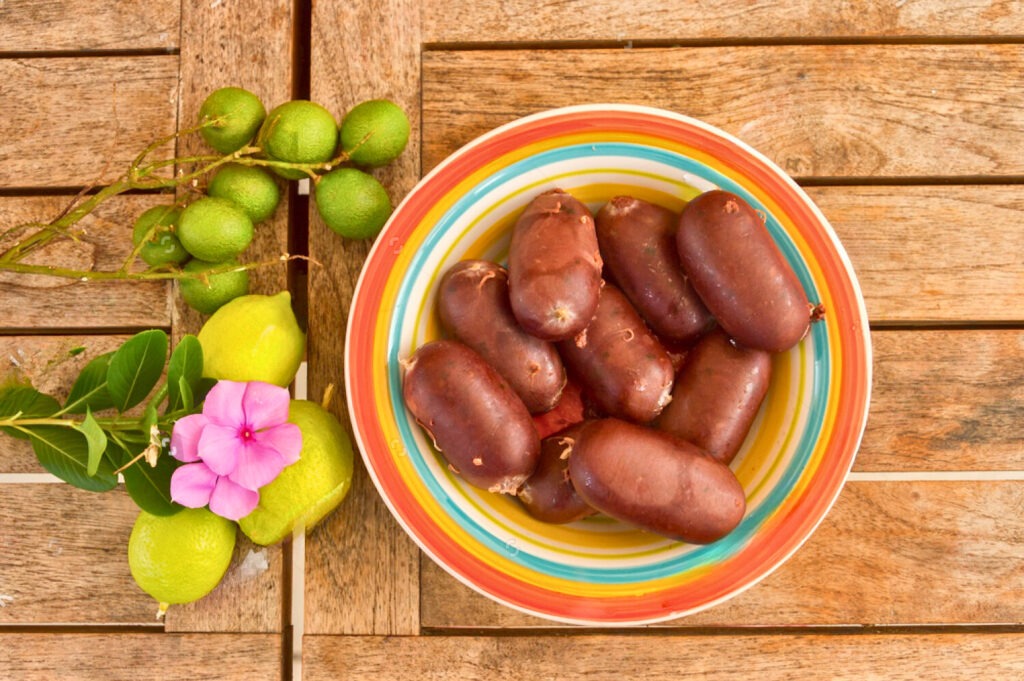
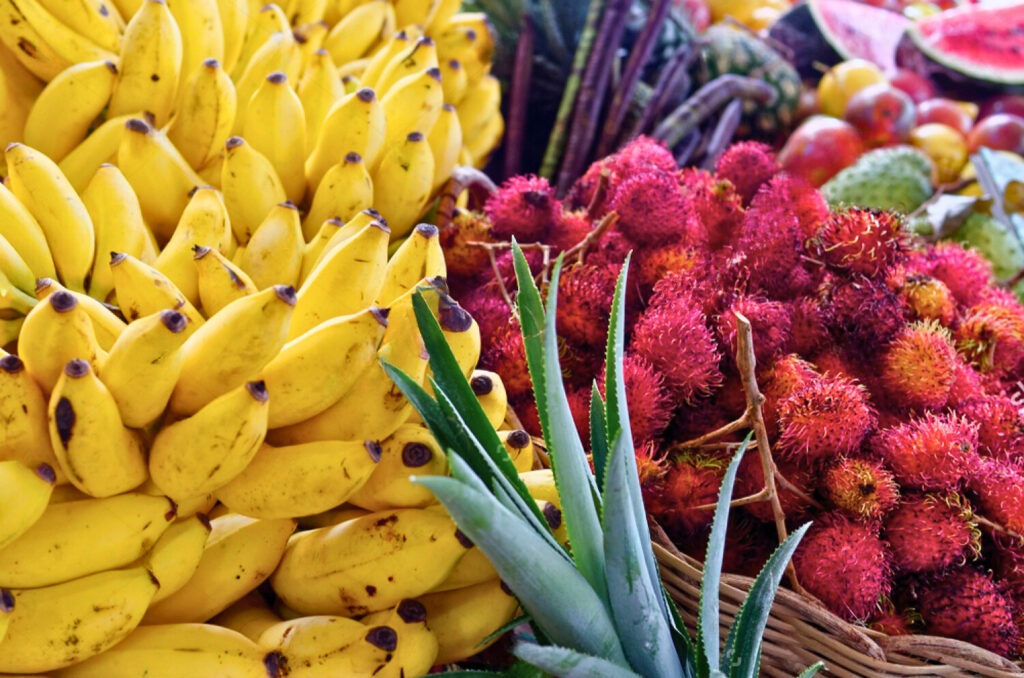
The cuisine of Martinique reflects a skillful blend of culinary traditions, highlighting fresh, local ingredients. The national dish, “colombo,” is a spicy stew made with meat or fish, accompanied by vegetables and rice. The “boudin créole,” a spicy sausage, is also a must-try. Tropical fruits such as mango and papaya add a sweet touch to the dishes.

Martinique
Colombo
Martinique
Boudin
Martinique

Economy and Infrastructure

Economic overview


The economy of Martinique is diverse, with tourism, agriculture, and services as key drivers.

  • Tourism: Represents about 20% of GDP, attracting visitors for its landscapes, culture, and hospitality. Beaches like Les Salines and Anse Dufour are particularly popular.
  • Agricultural sector: Sugarcane is one of the main export products, although agriculture faces challenges such as climate change.
  • Infrastructure: The island has well-developed infrastructure, with Aimé Césaire International Airport and a network of roads facilitating access to tourist attractions.
  • Environmental sustainability: Martinique is increasingly emphasizing environmental sustainability. Initiatives aim to protect marine ecosystems, promote eco-friendly tourism, and conserve natural resources. The government is working on developing renewable energy sources and sustainable agricultural practices.

Martinique
Martinique
Martinique

Historical Insights

From colonization to autonomy

Various influences mark the history of Martinique:

  • Colonization: The French colonized the island in the 17th century, leading to conflicts with indigenous populations.
  • Slavery and Emancipation: The abolition of slavery in 1848 was a major turning point, leading to a diverse cultural identity.
  • Current Status: Martinique is a French overseas department, enjoying a special status within the European Union.

What makes Martinique so unique

  • Natural Landscapes

    • Mount Pelée: An active volcano with a dramatic landscape.
    • Beaches: Pristine beaches like Les Salines and Anse à l’Ane.
    • Rainforests: Dense tropical rainforests perfect for hiking and nature walks.

    Cultural Heritage

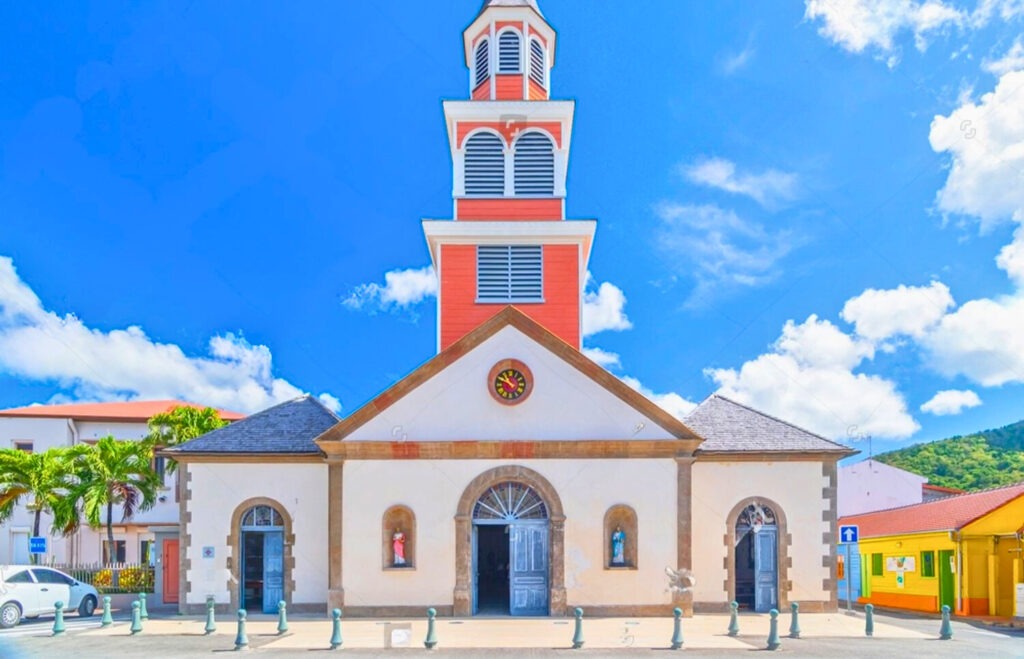
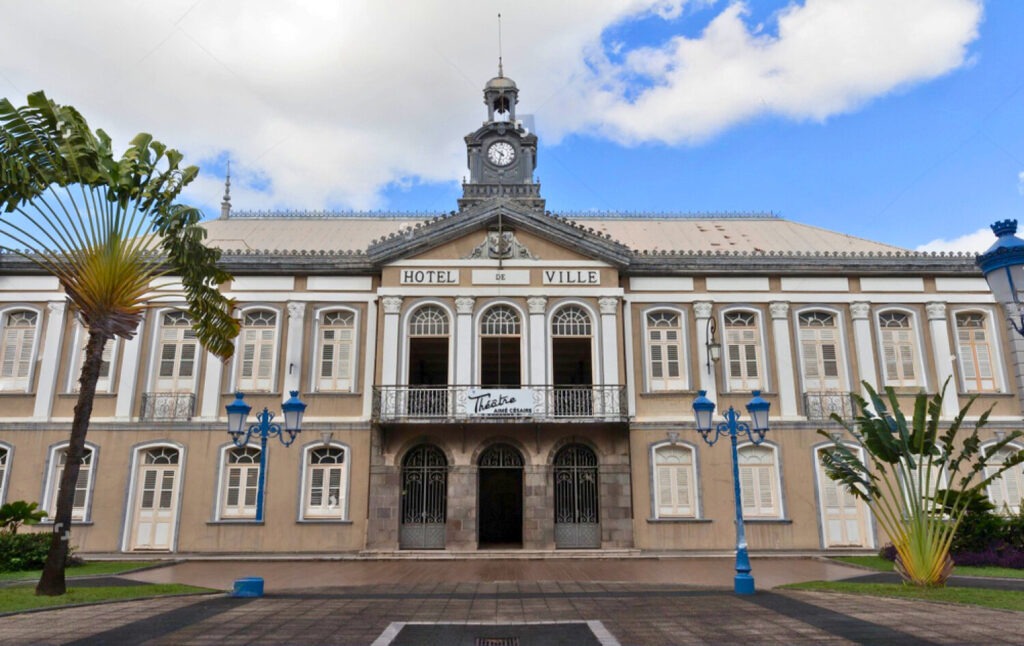
    • Historical Sites: The Fort-de-France Cathedral, the Schoelcher Library, and the La Pagerie Museum, which was the birthplace of Joséphine de Beauharnais, Napoleon’s wife.
    • Festivals and Events: The island’s festivals and cultural events showcase its rich cultural identity.

Places to visit in Martinique

Events

The culture of Martinique is showcased through various festivals and events:

  • Carnival (February): A colorful celebration with parades and music.
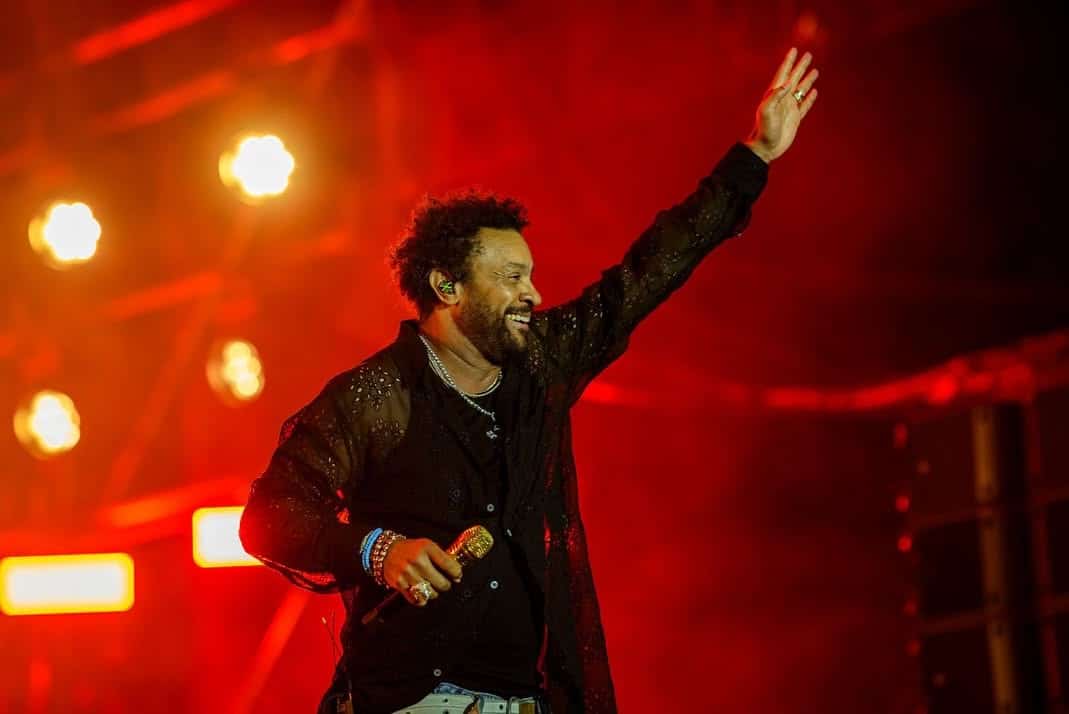
  • Music Festival (June): An event highlighting local musical talents.
  • Gastronomy Festival (September): A tribute to Martinican cuisine featuring tastings and workshops.
  • All Saints’ Day (November): Celebrated with cultural and religious events.

Directory

Cultural and artistic venues

  • SchÅ“lcher Library: A historic building with a rich literary collection.
  • Fort-de-France Art Center: A space dedicated to contemporary art and promoting local artists.
  • Camille Darsières Space: A meeting place for cultural and artistic events.

Museums and Heritage

  • Pagerie Museum: The birthplace of Joséphine de Beauharnais, highlighting colonial history.
  • The Slave Village: A memorial site that evokes the history of slavery in Martinique.
  • Sugar Museum: A space dedicated to the history of sugarcane cultivation.

Martinique, with its unique combination of natural beauty, rich culture, and warm hospitality, stands out as an essential destination in the Caribbean, inviting visitors to savor its landscapes, cuisine, and heritage.

Leave a Reply

Your email address will not be published. Required fields are marked *

More articles from RK

Bandi saison 2
FILM & VIDEO
Tolotra

Martinique – Bandi season 2: why is Netflix stopping the Martinique series?

Barely a month after the first season went online, the possibility of a Bandi season 2 is now closed. Netflix will not be extending the series, which was filmed in Martinique, despite the popularity of this family and social drama with French and Caribbean audiences. For Martinique, the decision goes beyond the simple fate of a series. It raises questions about the place of Caribbean stories in the global platform economy. Martinique series axed after just one season Launched on April 9, 2026, Bandi immediately attracted attention for its Martinique roots. The series follows a group of siblings confronted with the death of their mother and the need to stay together, in a context where precariousness pushes some characters towards illegality. In the space of eight episodes, the series has created a world rarely seen on this scale: a contemporary Martinique, family-oriented, working-class and rife with social tensions. Created by

Read More »
Redonda
TOURISM
Tolotra

Antigua & Barbuda – Redonda: since 2017, the island returned from the desert

Redonda of Antigua and Barbuda has no village, no road and no hotel. Yet this uninhabited volcanic island tells the story of one of the Caribbean’s strongest ecological restorations. Since 2017, this long-deserted rock has once again become a haven for birds, endemic reptiles and native vegetation. An isolated rock off the coast of Antigua Seen from the sea, Redonda first appears to be a mineral mass. An abrupt relief, set between Antigua, Montserrat and Nevis, off the beaten tourist track. It measures around 1.3 km² and rises to almost 305 meters above sea level. It is the smallest of the three islands that make up Antigua and Barbuda, but its recent history far exceeds its size. 2017, the year of changeover The fact that changes everything comes down to one date: 2017. That year, teams from the Redonda Restoration Programme removed invasive black rats and relocated wild goats to

Read More »
Rita Indiana
LITERATURE
Tolotra

Dominican Republic – Rita Indiana: the Dominican writer who turned merengue into a cry

Rita Indiana published La Mucama de Omicunlé in 2015, unaware that she had just written one of the most influential Caribbean novels of her generation. Two years later, in 2017, the Association des Écrivains de la Caraïbe awarded her the Grand Prix Littéraire Région Guadeloupe. The story didn’t make the headlines in Santo Domingo. But within the Caribbean literary world, it was a turning point. An artist born in Santo Domingo, out of the box Rita Indiana was born in Santo Domingo in 1977. Her tall figure, deep voice, writing and free spirit have given rise to a now-famous nickname: “La Monstra”, sometimes rendered in Dominican Spanish as “La Montra”. The word expresses both singularity and strength. She has two simultaneous and intertwined careers. The first is literary. Several collections of short stories, six novels, translations into several languages and a body of work studied in universities beyond the Dominican

Read More »

conTACT RK

we'd love to have your feedback on your experience so far

Join The List

Join our Richès Karayib community!  Sign up for our newsletter.

Want To Maximize Your Business Presence On Riches Karayib?

Complete the form to start the application