Martinique

Martinique

Martinique

A Caribbean paradise of cultural and natural wonders

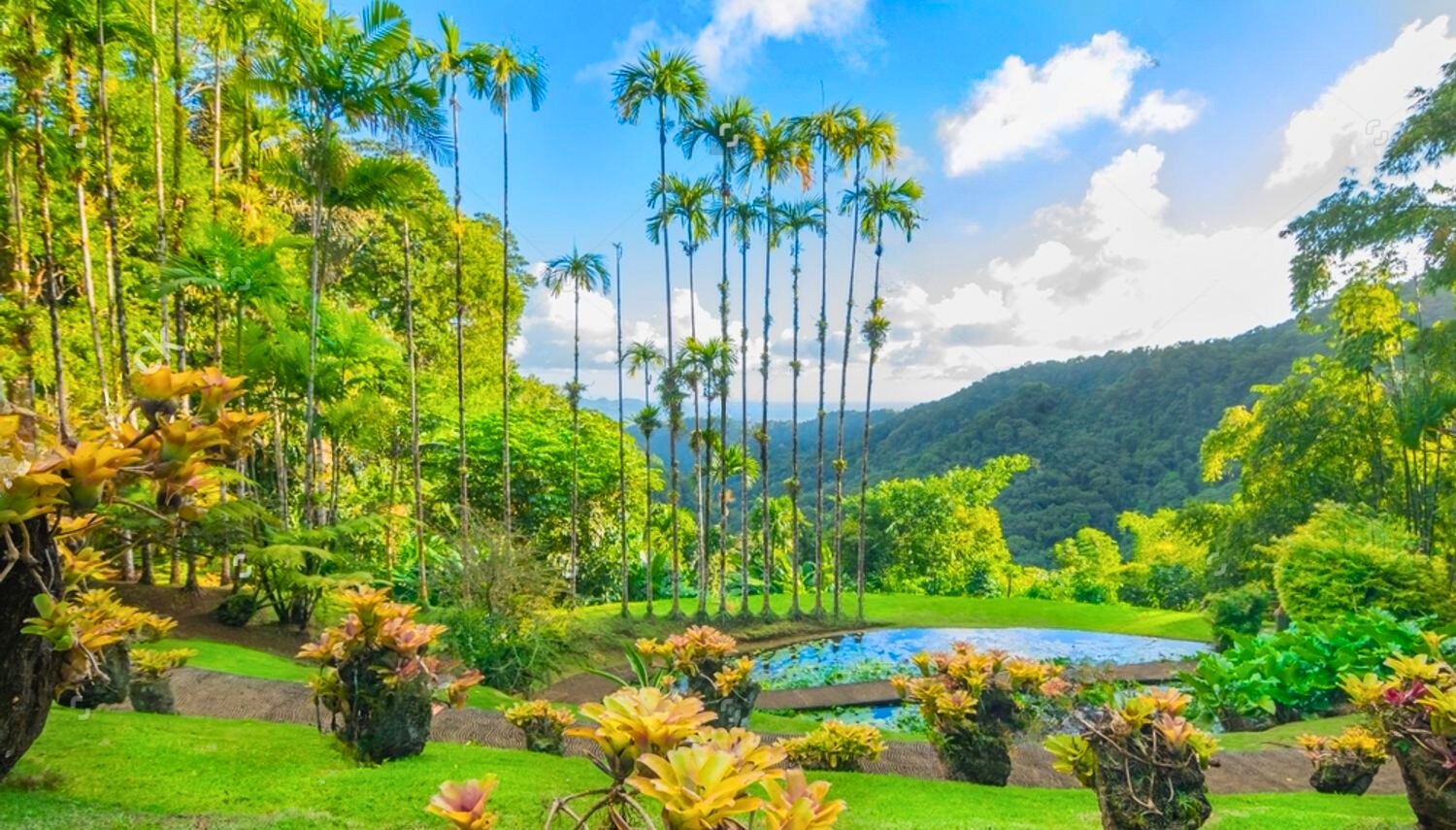
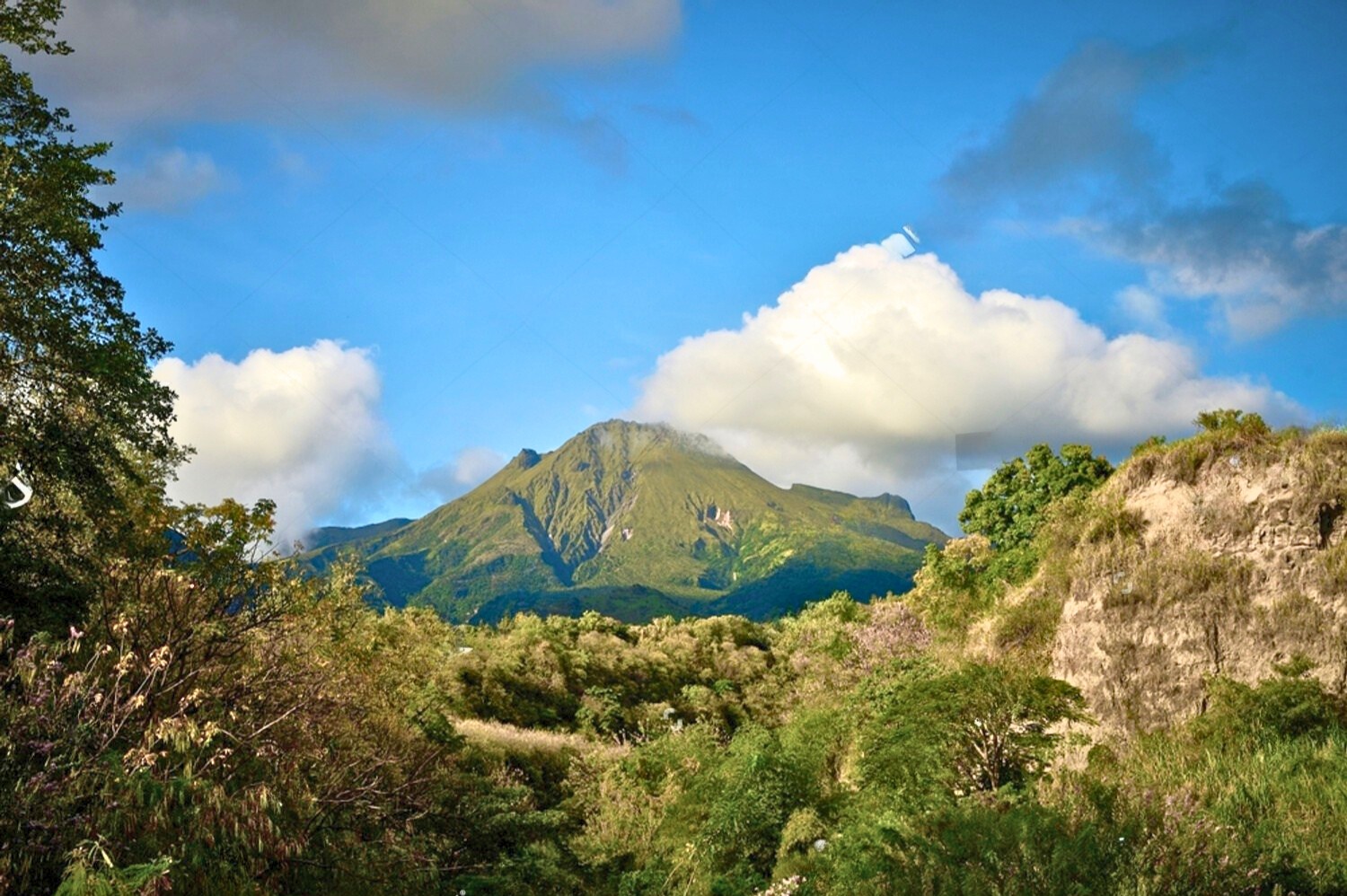
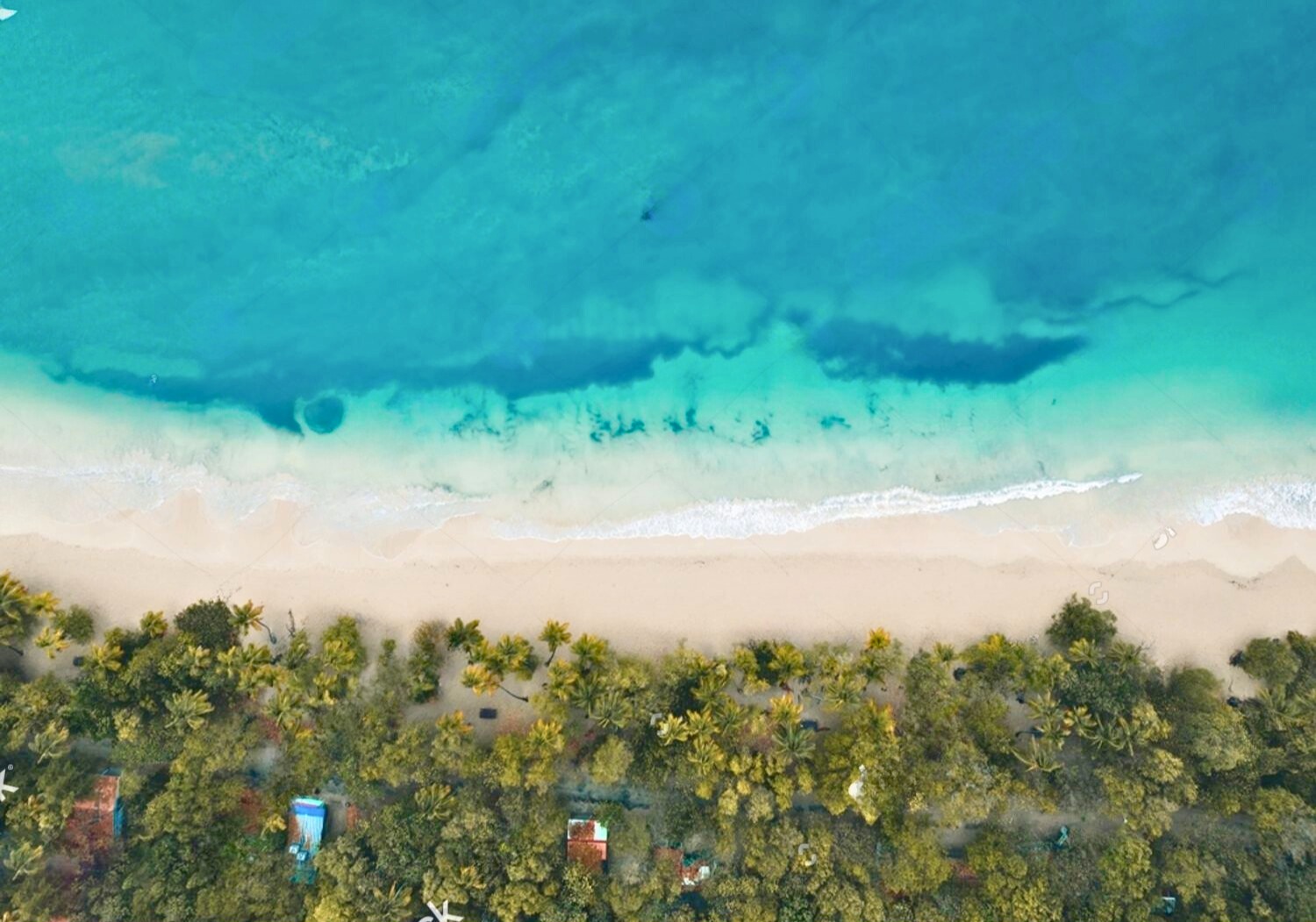
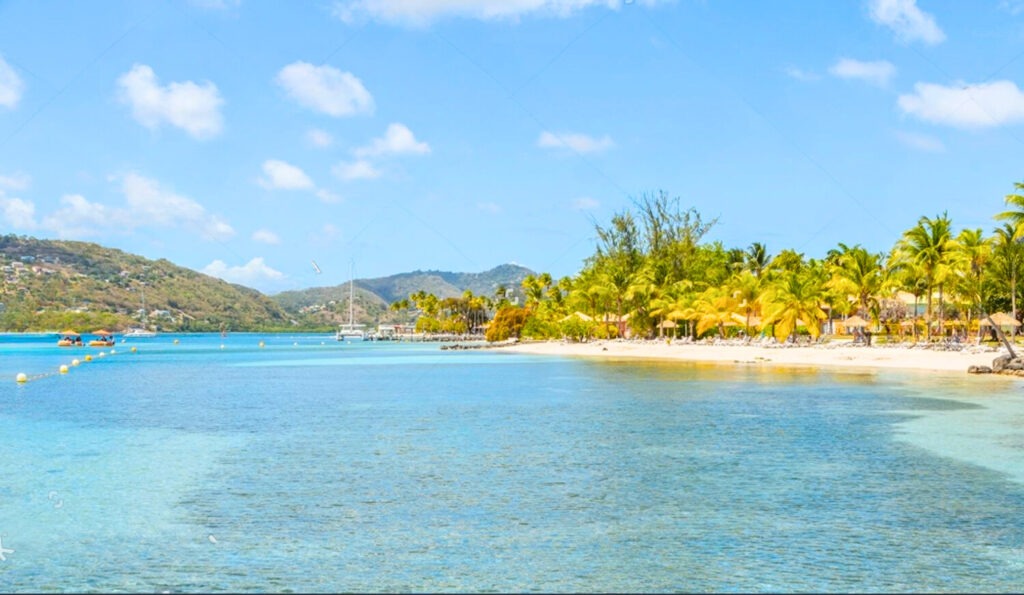
Located in the heart of the Caribbean Sea, Martinique is a French island that combines natural beauty with cultural richness. The capital, Fort-de-France, is a bustling port city that serves as the economic and cultural center of the island. With its lush mountains, white sandy beaches, and the famous Montagne Pelée, it is a sought-after destination for nature and culture enthusiasts.

Geographic and geological overview

A Geographic Snapshot

Martinique
  • Size: Approximately 1,128 square kilometers (435 square miles).
  • Capital: Fort-de-France, located on the West Coast.
  • High Point: Montagne Pelée, reaching 1,397 meters (4,583 feet).
  • Population: About 375,000 (2022).
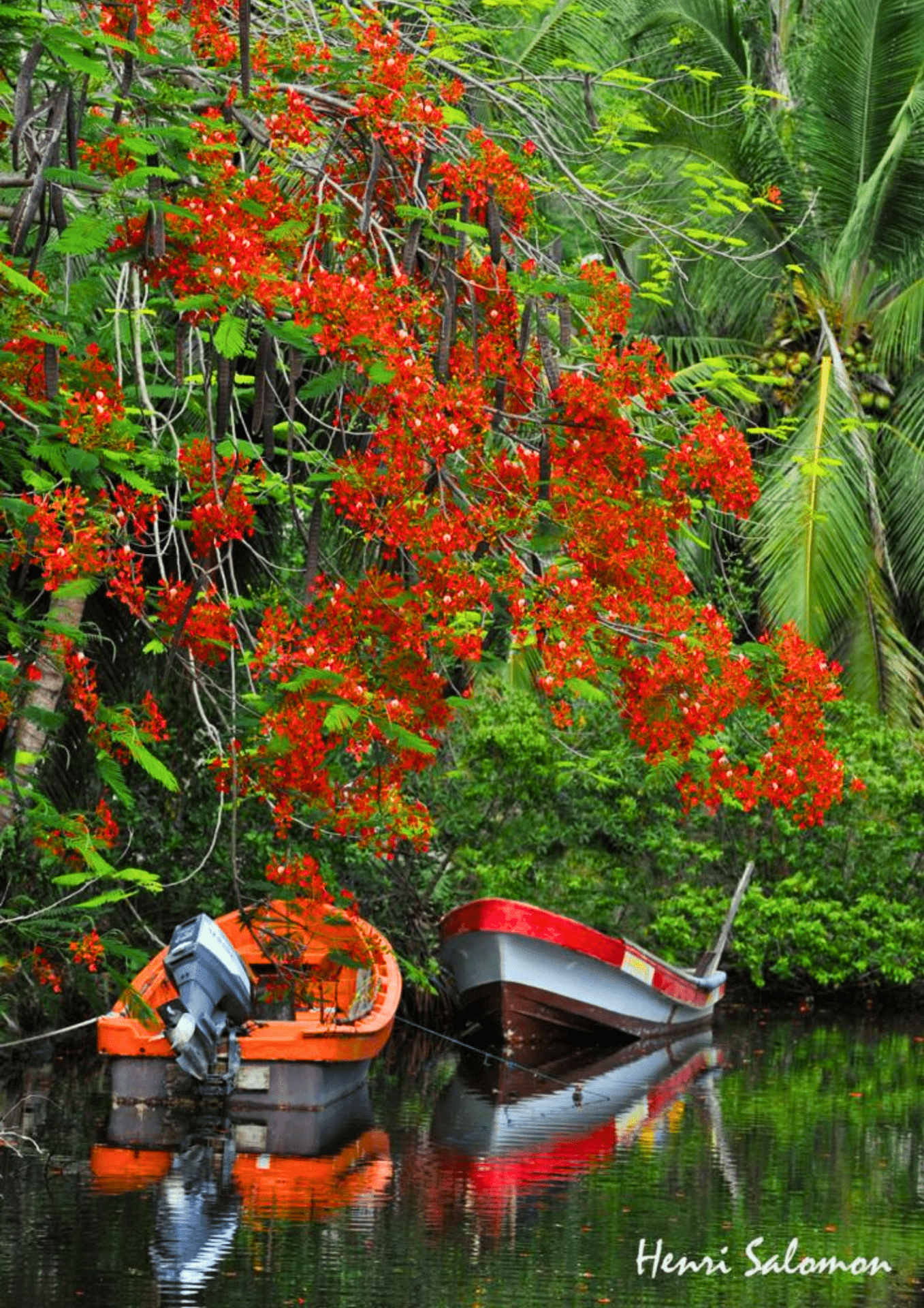
  • Vegetation: Tropical forests, sugarcane plantations, and idyllic beaches, supported by a tropical climate.
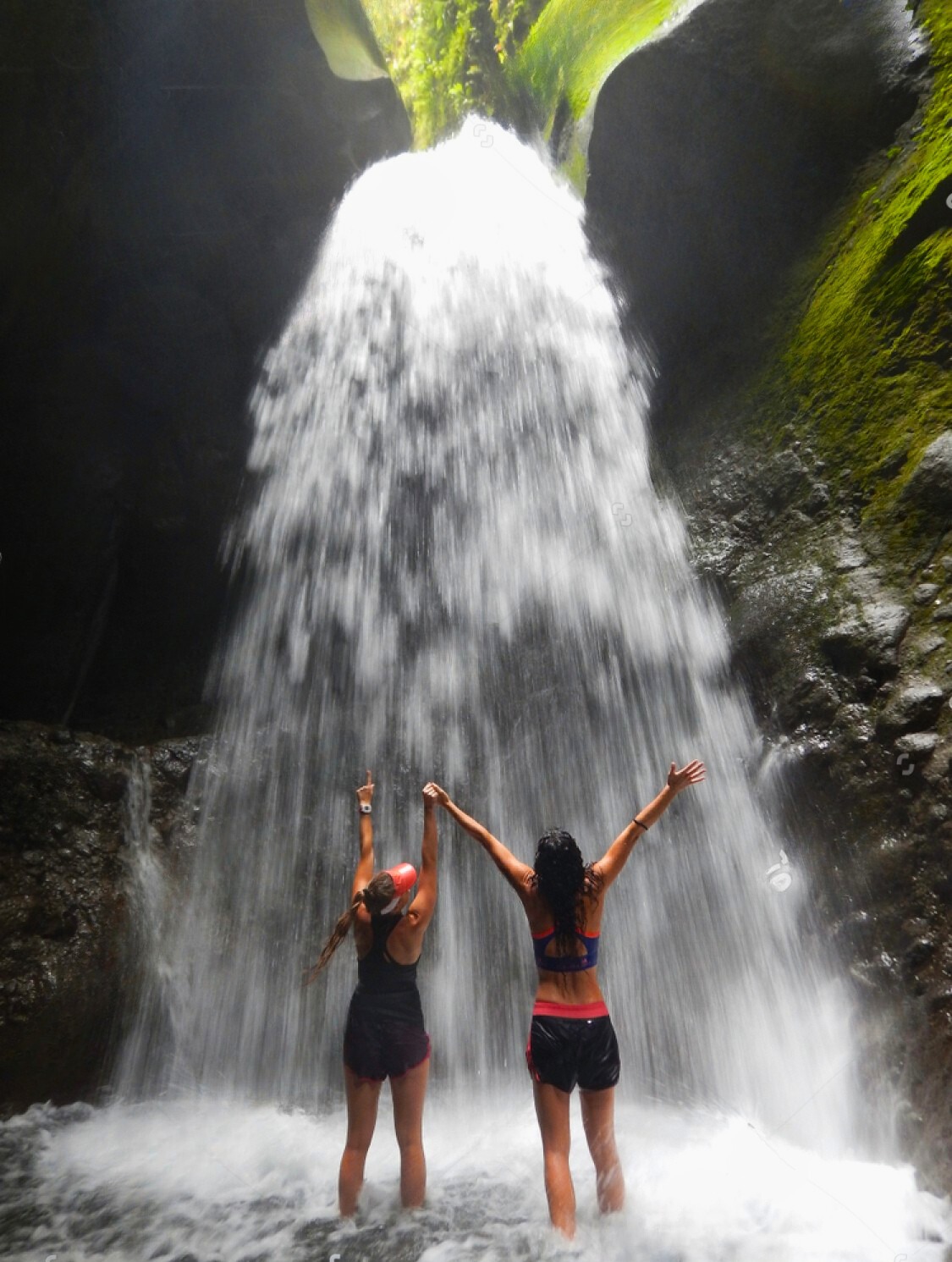
  • Water Bodies: Several rivers and waterfalls, such as the Lézarde River and the Carbet Falls.
Martinique

Geological Features

  • Geology: The island is of volcanic origin, with Montagne Pelée being one of the most active volcanoes in the region.
  • Natural Wonders: Martinique is home to unique natural sites, such as the Caravelle Peninsula, known for its mangroves and marine biodiversity.

Cultural Landscape

A rich cultural landscape

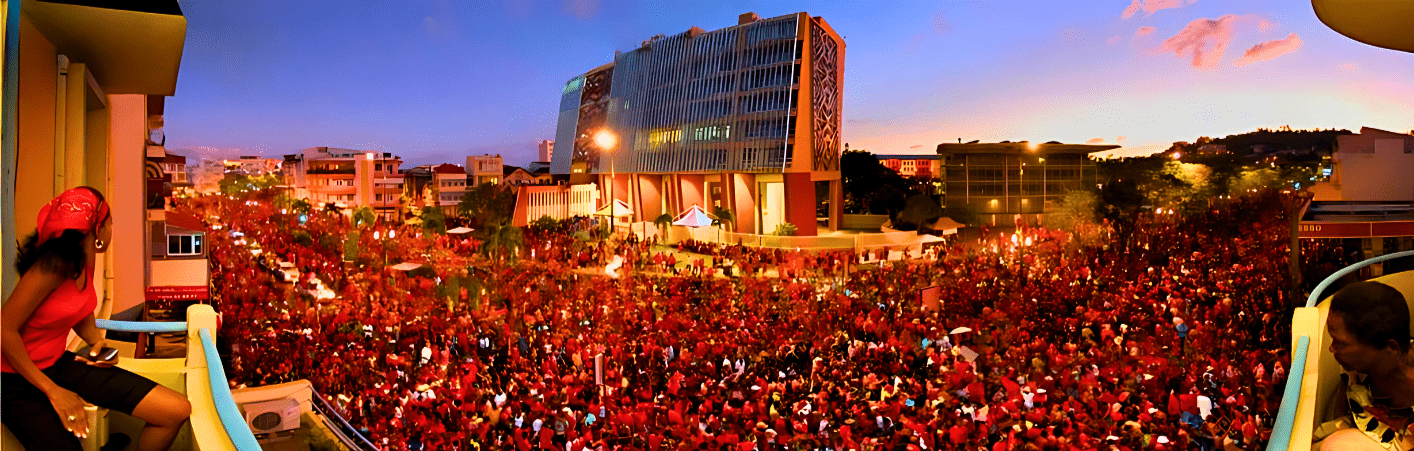
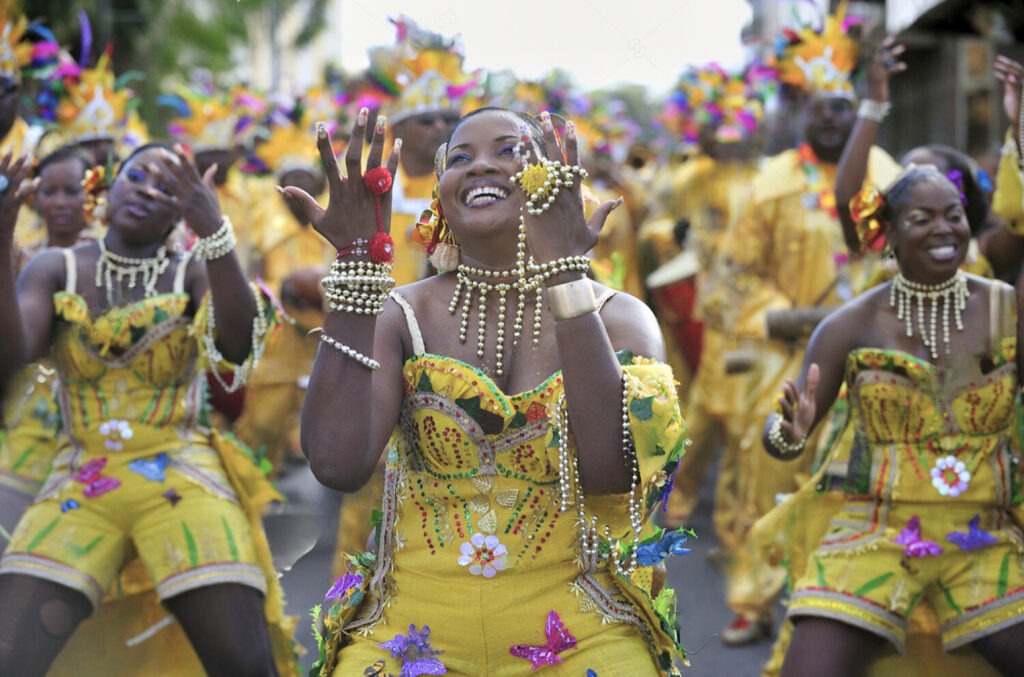
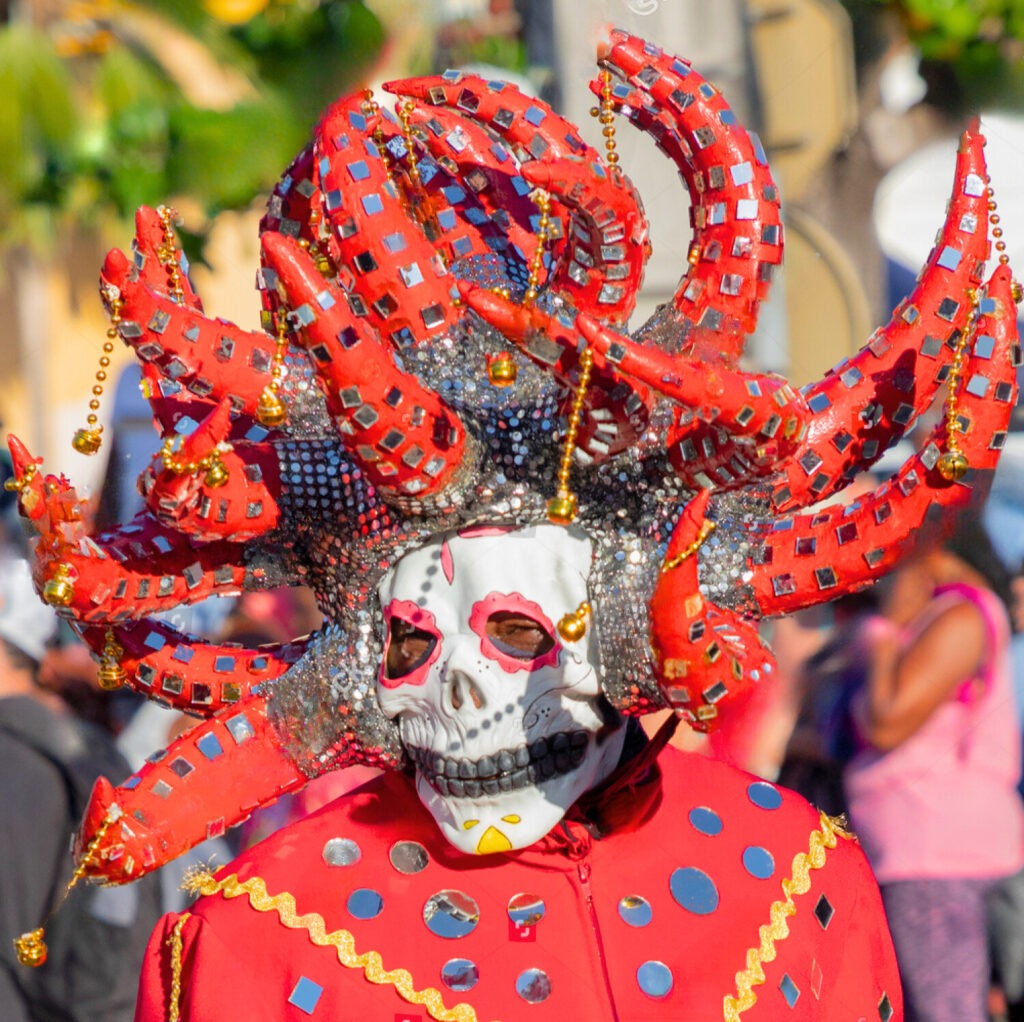
Martiniquais culture is the result of a blend of African, French, and Indian influences, visible in the language, music, and cuisine. The Carnival of Martinique is one of the most iconic events, attracting visitors with its colorful parades and lively music. Martinican Creole, widely spoken, enriches the island’s linguistic diversity.

Martinique
Martinique

Local Cuisine

Culinary delights of Martinique

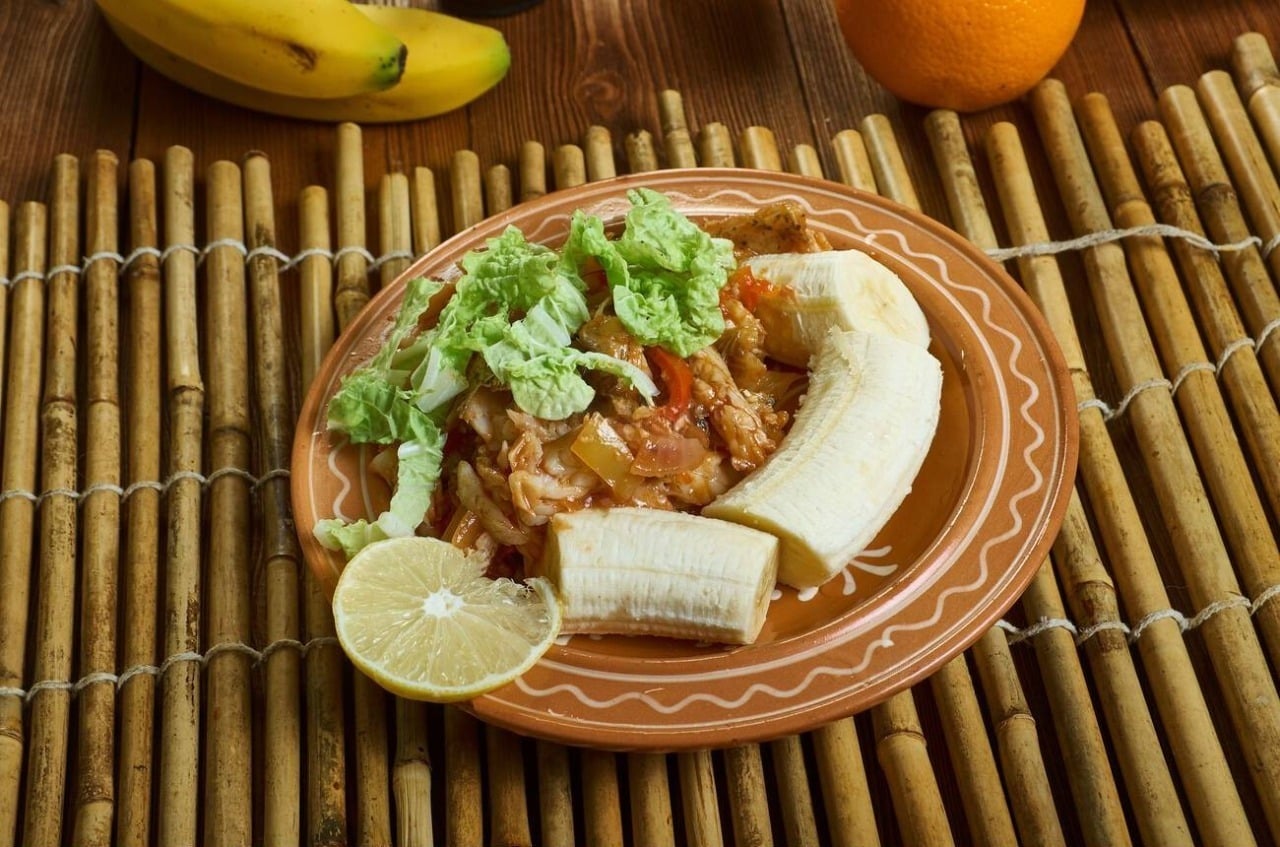
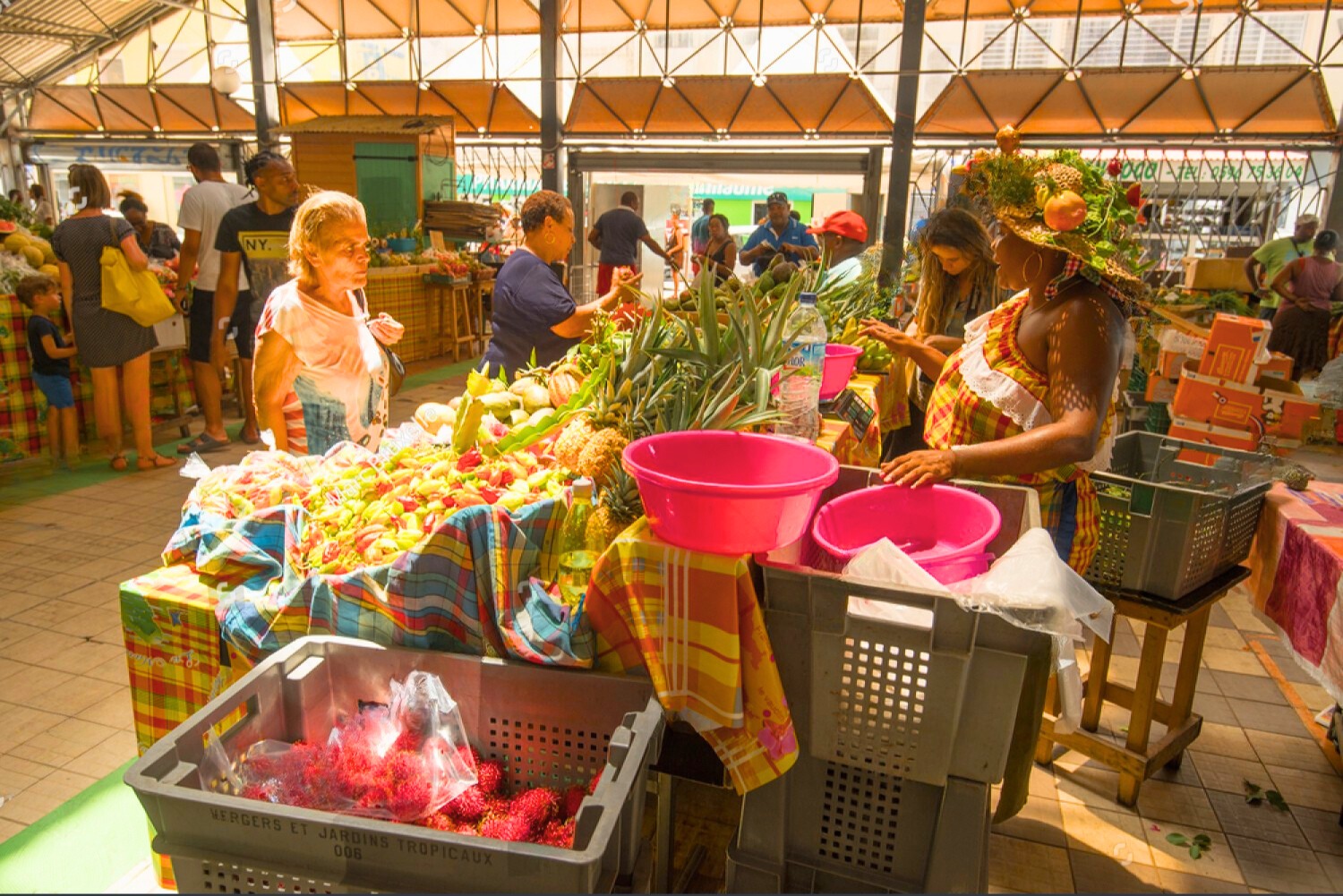
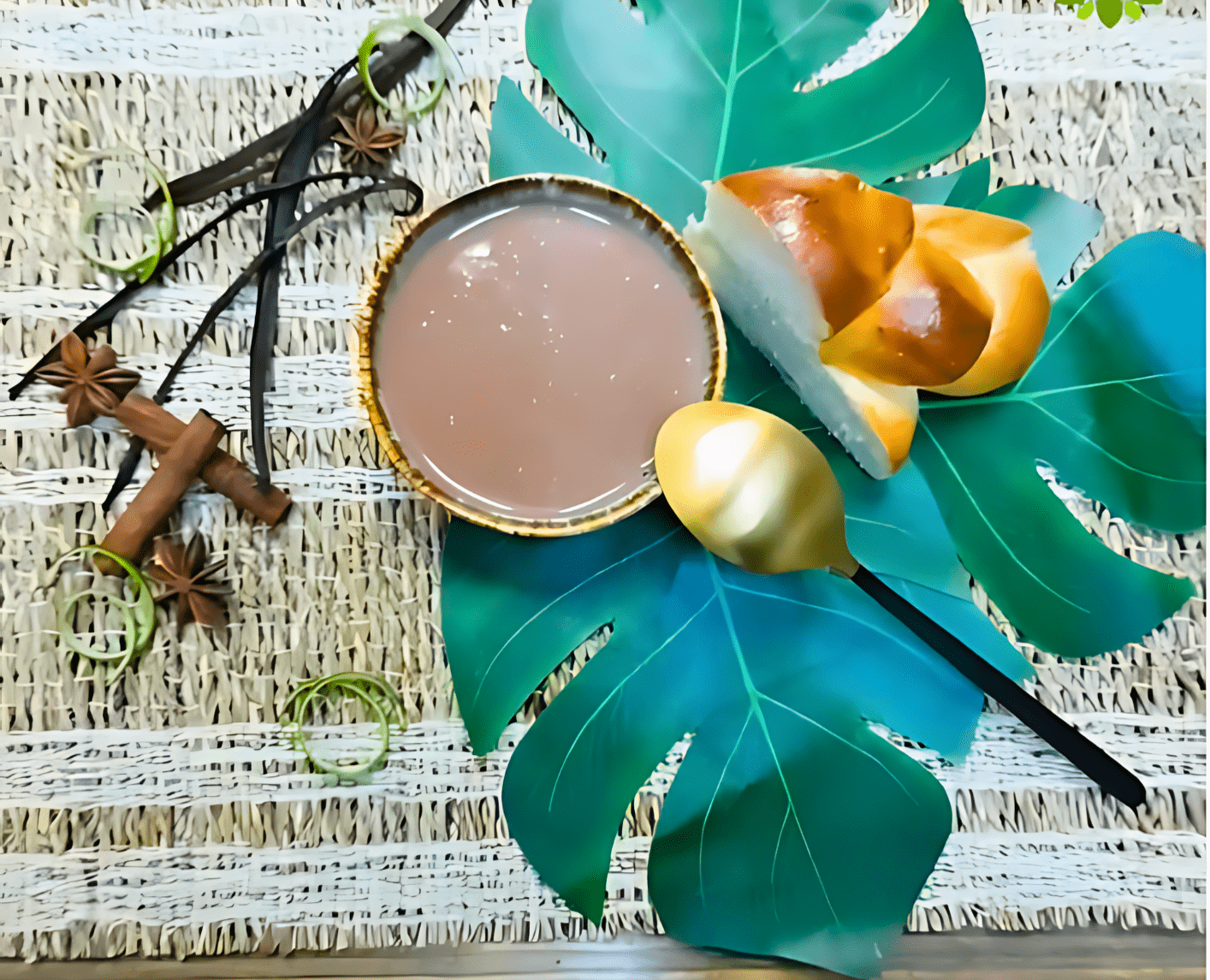
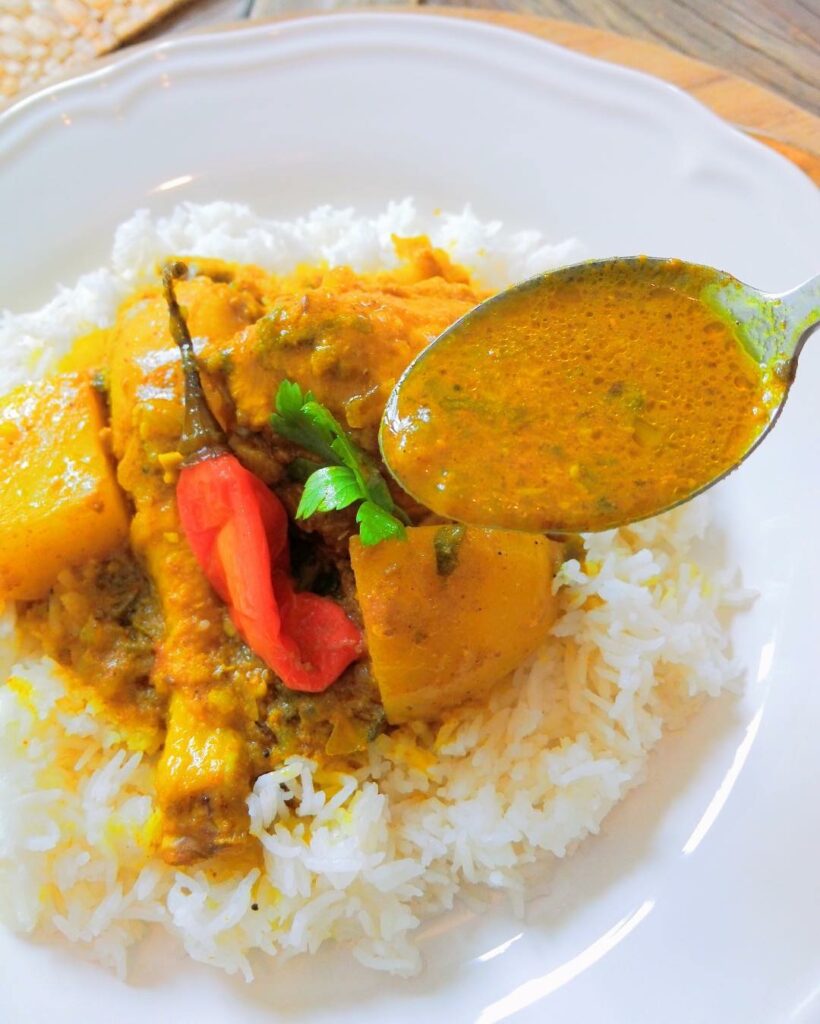
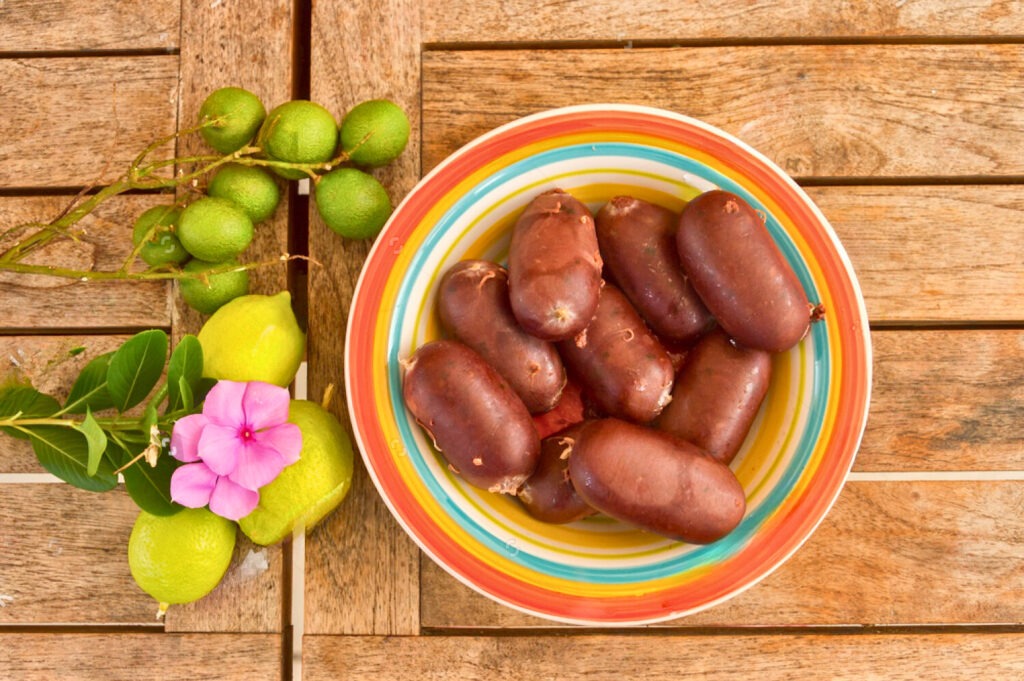
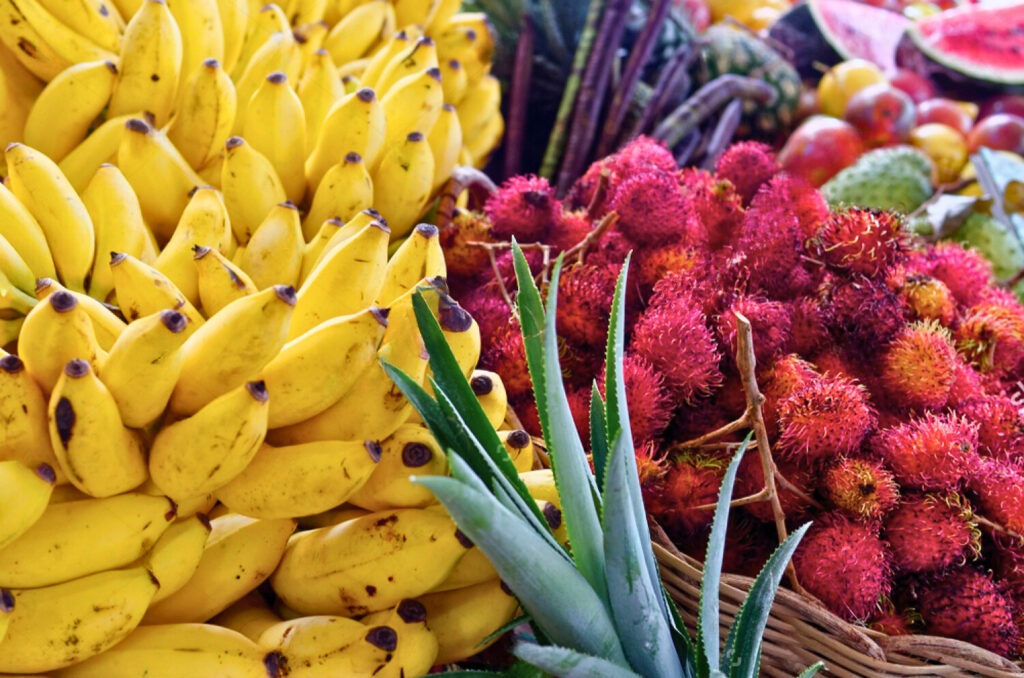
The cuisine of Martinique reflects a skillful blend of culinary traditions, highlighting fresh, local ingredients. The national dish, “colombo,” is a spicy stew made with meat or fish, accompanied by vegetables and rice. The “boudin créole,” a spicy sausage, is also a must-try. Tropical fruits such as mango and papaya add a sweet touch to the dishes.

Martinique
Colombo
Martinique
Boudin
Martinique

Economy and Infrastructure

Economic overview


The economy of Martinique is diverse, with tourism, agriculture, and services as key drivers.

  • Tourism: Represents about 20% of GDP, attracting visitors for its landscapes, culture, and hospitality. Beaches like Les Salines and Anse Dufour are particularly popular.
  • Agricultural sector: Sugarcane is one of the main export products, although agriculture faces challenges such as climate change.
  • Infrastructure: The island has well-developed infrastructure, with Aimé Césaire International Airport and a network of roads facilitating access to tourist attractions.
  • Environmental sustainability: Martinique is increasingly emphasizing environmental sustainability. Initiatives aim to protect marine ecosystems, promote eco-friendly tourism, and conserve natural resources. The government is working on developing renewable energy sources and sustainable agricultural practices.

Martinique
Martinique
Martinique

Historical Insights

From colonization to autonomy

Various influences mark the history of Martinique:

  • Colonization: The French colonized the island in the 17th century, leading to conflicts with indigenous populations.
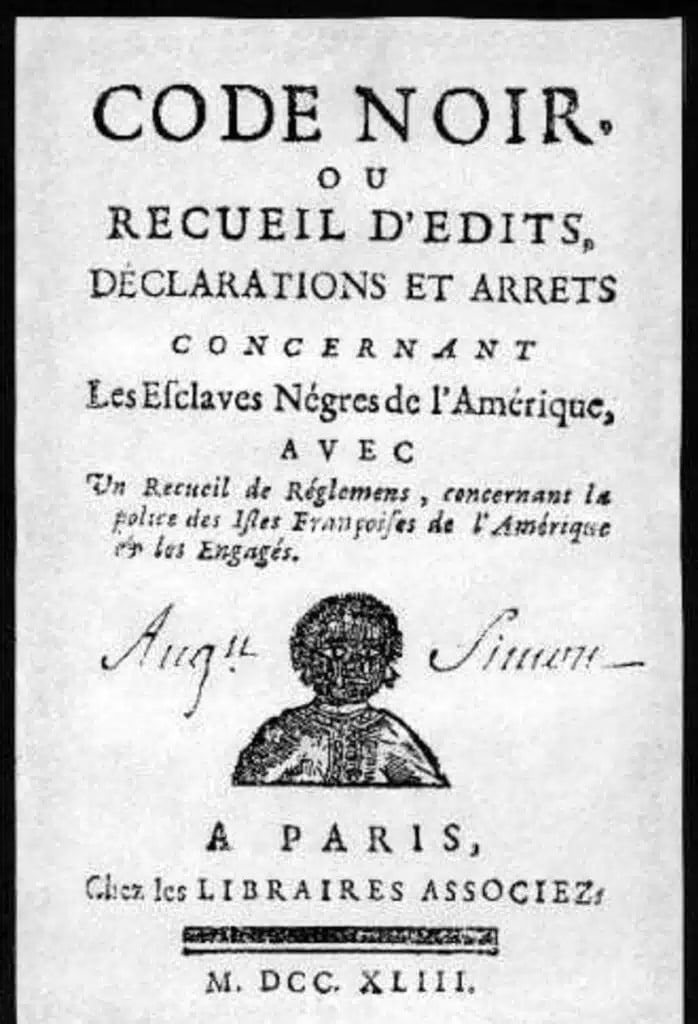
  • Slavery and Emancipation: The abolition of slavery in 1848 was a major turning point, leading to a diverse cultural identity.
  • Current Status: Martinique is a French overseas department, enjoying a special status within the European Union.

What makes Martinique so unique

  • Natural Landscapes

    • Mount Pelée: An active volcano with a dramatic landscape.
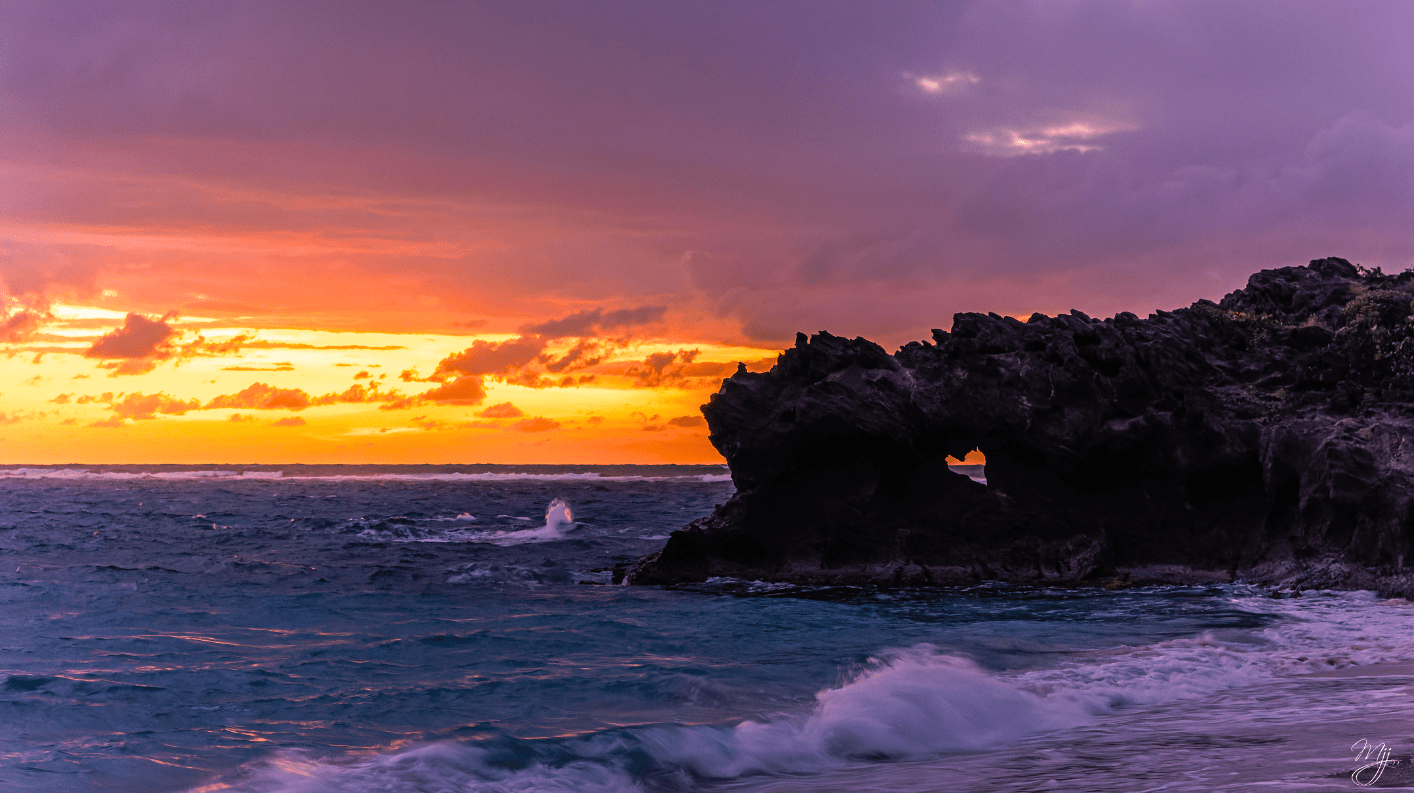
    • Beaches: Pristine beaches like Les Salines and Anse à l’Ane.
    • Rainforests: Dense tropical rainforests perfect for hiking and nature walks.

    Cultural Heritage

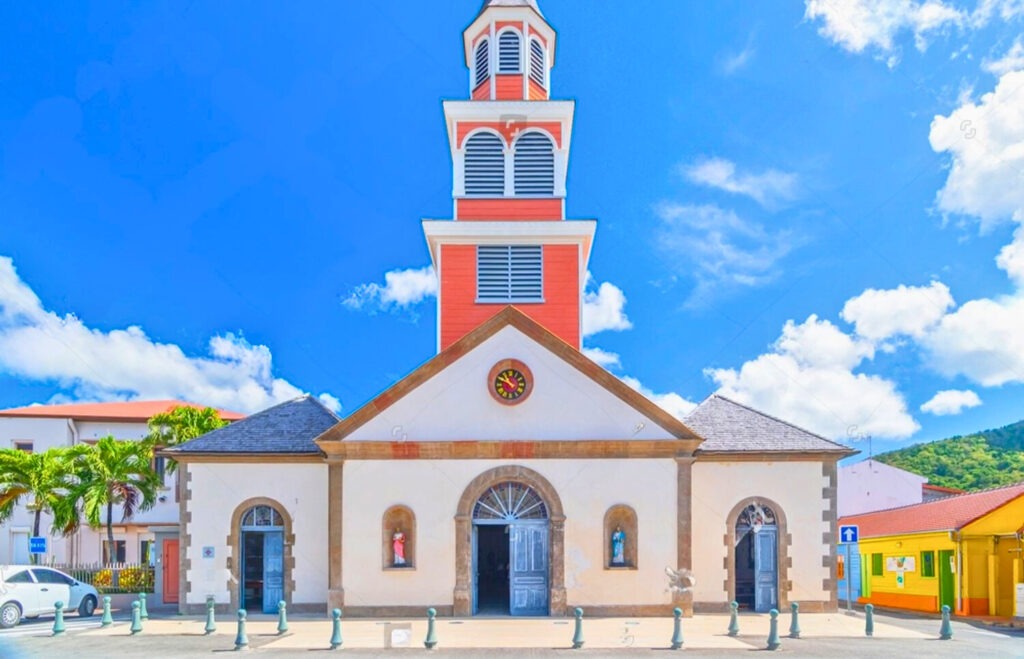
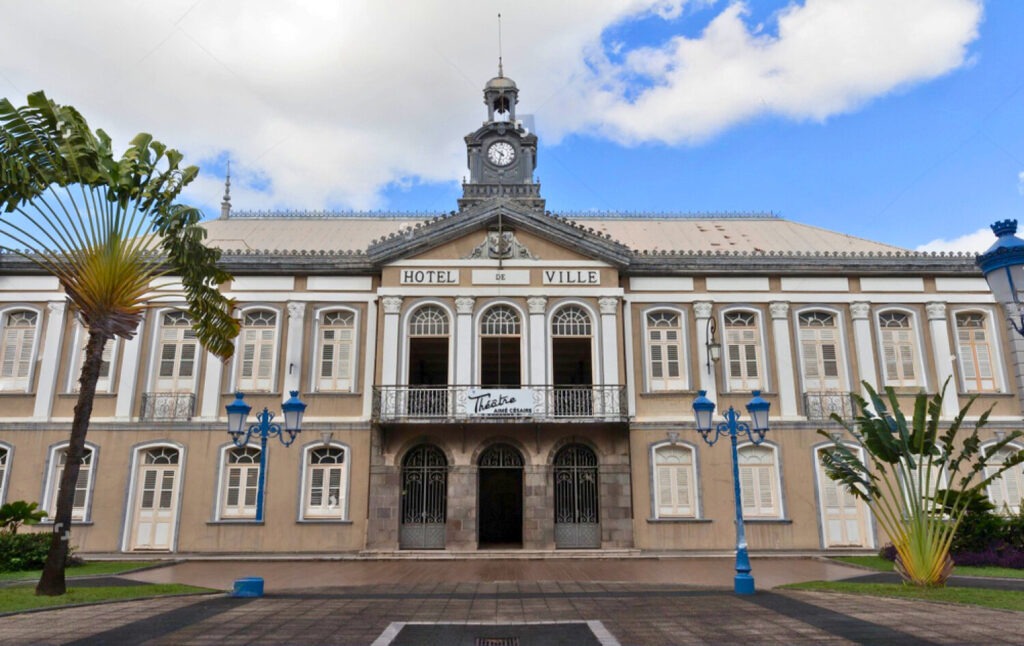
    • Historical Sites: The Fort-de-France Cathedral, the Schoelcher Library, and the La Pagerie Museum, which was the birthplace of Joséphine de Beauharnais, Napoleon’s wife.
    • Festivals and Events: The island’s festivals and cultural events showcase its rich cultural identity.

Places to visit in Martinique

Events

The culture of Martinique is showcased through various festivals and events:

  • Carnival (February): A colorful celebration with parades and music.
  • Music Festival (June): An event highlighting local musical talents.
  • Gastronomy Festival (September): A tribute to Martinican cuisine featuring tastings and workshops.
  • All Saints’ Day (November): Celebrated with cultural and religious events.

Directory

Cultural and artistic venues

  • SchÅ“lcher Library: A historic building with a rich literary collection.
  • Fort-de-France Art Center: A space dedicated to contemporary art and promoting local artists.
  • Camille Darsières Space: A meeting place for cultural and artistic events.

Museums and Heritage

  • Pagerie Museum: The birthplace of Joséphine de Beauharnais, highlighting colonial history.
  • The Slave Village: A memorial site that evokes the history of slavery in Martinique.
  • Sugar Museum: A space dedicated to the history of sugarcane cultivation.

Martinique, with its unique combination of natural beauty, rich culture, and warm hospitality, stands out as an essential destination in the Caribbean, inviting visitors to savor its landscapes, cuisine, and heritage.

Leave a Reply

Your email address will not be published. Required fields are marked *

More articles from RK

Stephen Cat Coore
MUSIC
Tolotra

Jamaica – Reggae legend Stephen Cat Coore dies aged 69

Stephen Cat Coore died at the age of 69, leaving the Caribbean bereft of one of its most consistent and demanding artisans. Guitarist, singer, composer and co-founder of the group Third World, he embodies a singular trajectory in the history of Jamaican music: that of a creator who chose continuity, rigor and thoughtful openness rather than rupture or effect. His death is not just that of a renowned musician. It marks the loss of a cultural landmark, of a man who knew how to think of reggae as a space for dialogue between Caribbean heritage and the global circulation of sounds. A musical heritage steeped in Jamaican history Stephen Cat Coore was born in a Jamaica where music was already structuring the collective narrative. Son of Bunny Ruggs, a member of the Maytals, he grew up in the shadow of a heritage shaped by ska, rocksteady and the first expressions

Read More »
Karen VIRAPIN
AIR
Tolotra

Karen VIRAPIN: Air Caraïbes’ first female CEO from the French overseas territories

Appointed Deputy CEO in January 2026, Karen Virapin becomes the first woman from the French overseas territories to reach this level of governance withinAir Caraïbes. A major development for the airline, but also a strong signal for the Caribbean air transport sector. Beyond the symbolism, this appointment raises a central question: what concrete impact could it have on governance, social dialogue, the regional network and service quality? An appointment that reflects continuity, but not stasis Having been with the company for fourteen years, Karen Virapin is no parachute. A former Director of Human Resources, Karen Virapin has been involved in all the company’s structural transformations: organizational changes, workforce growth, adaptation to the economic and social constraints of the airline industry. Her appointment to the position of Managing Director is therefore a logical step in the company’s continuity. But continuity does not mean standstill. In a sector as exposed as air

Read More »
Rara
HISTORY & HERITAGE
Tolotra

Haiti – Rara: street music, spirituality and social protest

The Haitian Rara is neither processional music nor seasonal entertainment. It is a structuring social fact. It’s rooted in the country’s history, religious practices, social hierarchies and modes of protest. Present in the streets, on the roads, in towns and outlying districts alike, Rara articulates sound, movement and speech in a collective logic that goes far beyond musical performance. In Haiti, Rara is part of a precise temporality, mobilizing entire communities and transforming public space into a place of ritualized expression. It is at once a spiritual practice, a social organization and a popular language. Rara: a collective practice before being a musical genre It cannot be understood as a simple sound style. It functions as a cultural season and a collective scheme. For several weeks, bands organize themselves, rehearse, build their instruments, prepare their routes and appearances. This preparation involves responsibilities, defined roles and an internal hierarchy that structure

Read More »

conTACT RK

we'd love to have your feedback on your experience so far

Join The List

Join our Richès Karayib community!  Sign up for our newsletter.

Want To Maximize Your Business Presence On Riches Karayib?

Complete the form to start the application