Fallen Fetters: A Hymn to Life by Skinny Fabulous and Machel Montano

Fallen Fetters

Fallen Fetters is much more than just a song; it’s a poignant tribute to life, to those who have left us, and to those who continue to celebrate every moment. The world of Caribbean music, rich in color and emotion, finds here a new expression thanks to the collaboration between Skinny Fabulous and Machel Montano. In this article, we’ll explore the main themes of this work, its impact on Caribbean culture, and the deep meaning it carries for the artists and their fans.

The power of collaboration

The collaboration between Skinny Fabulous and Machel Montano is a wise choice. These artists each have their own style and history, but they share a common passion: celebrating life through music. St. Vincent native Skinny Fabulous said it was important to work together on this project, especially after the success of their previous collaboration, Famalay.

“We created a powerful message together,” he said. “Music is a way to convey emotions and memories.”

Their collaborative approach is a testament to the importance of unity in the Caribbean music community. Machel Montano, often considered a legend in the soca genre, perfectly complements the Skinny Fabulous style, creating an atmosphere that invites reflection and celebration.

Fallen fetters: an emotional message

The song Fallen Fetters is a deeply meaningful work. It pays tribute to those who are no longer with us, while encouraging those who remain to celebrate life. The music video, directed by Junior Lee, captures this duality in a striking way.

A balance between nostalgia and celebration

In the video, we see images of people who have had an impact on the artists’ lives, as well as party scenes that represent the joy of living. Skinny Fabulous emphasizes the importance of finding a balance between memory and celebration:

“We really wanted to honor those who have left while encouraging those who are still here to enjoy every moment,” he explained.

It’s essential to show love to those who are present, and this song is a call to action to not wait for people to leave before showing them our affection.

The impact of music on Caribbean culture

Music as a memory tool

Music has always played a vital role in Caribbean culture. It is often used to tell stories, celebrate events and honor ancestors. Fallen Fetters fits perfectly into this tradition, using the power of music to remember those who have left us.

Carnival season: a time for celebration

As the Carnival 2025 season approaches, Skinny Fabulous and Machel Montano remind everyone of the importance of celebration. Carnival is a time when people come together to dance, sing and celebrate life. Fallen Fetters thus becomes a soundtrack for these celebrations, encouraging us to honor the past while living fully in the present.

Fallen Fetters
Skinny Fabulous x Machel Montano - Fallen Fetters

The importance of paying tribute

Give them their flowers

Too often, we don’t appreciate those around us until it’s too late. Skinny Fabulous highlights this painful reality:

“We tend to wait until someone leaves to realize how much we love them. It’s not fair.”

Fallen Fetters is an invitation to give flowers to the living, to express our gratitude and love while we still have the chance.

A Universal Message

The message of Fallen Fetters is universal. No matter where we come from, each of us has lost loved ones and has reason to celebrate those who are still with us. This song unites people through emotions, and its success on digital platforms is testament to its resonance.

Fallen Fetters is a hymn to life, love and celebration. Skinny Fabulous and Machel Montano remind us that, despite the sadness of loss, it’s essential to celebrate every day. As we prepare for the Carnival season, let this song guide us in our festivities, honoring those who have left us while celebrating those who are still with us.

One Response

Leave a Reply

Your email address will not be published. Required fields are marked *

More articles from RK

Bonaire salt marshes: pink ponds and white salt mountains in the south of the island
HISTORY & HERITAGE
Tolotra

Bonaire: 3,700 hectares of salt marshes conceal a history of slavery

At the southern tip of Bonaire, a Dutch-speaking island in the Caribbean, the salt marshes stretch out in pink and white basins across nearly 3,700 hectares—thirteen percent of the island’s total area. This postcard view, photographed every year by thousands of visitors from the coastal road, hides a history dating back more than five centuries, the story of salt that shaped Bonaire’s economy and, for two hundred years, the lives of hundreds of enslaved people. Along EEG Boulevard, which runs along the southern coast of Bonaire, mountains of white salt come into view kilometers before you reach them. Each contains about 10,000 metric tons of salt that is 99.6% pure, piled nearly 15 meters high, with up to 200,000 metric tons stored at any given time. Their whiteness, so intense that you need to keep sunglasses handy, stands in stark contrast to the pink of the neighboring pools. The salt

Read More »
Journées européennes du patrimoine 2026
EVENT MANAGEMENT
Tolotra

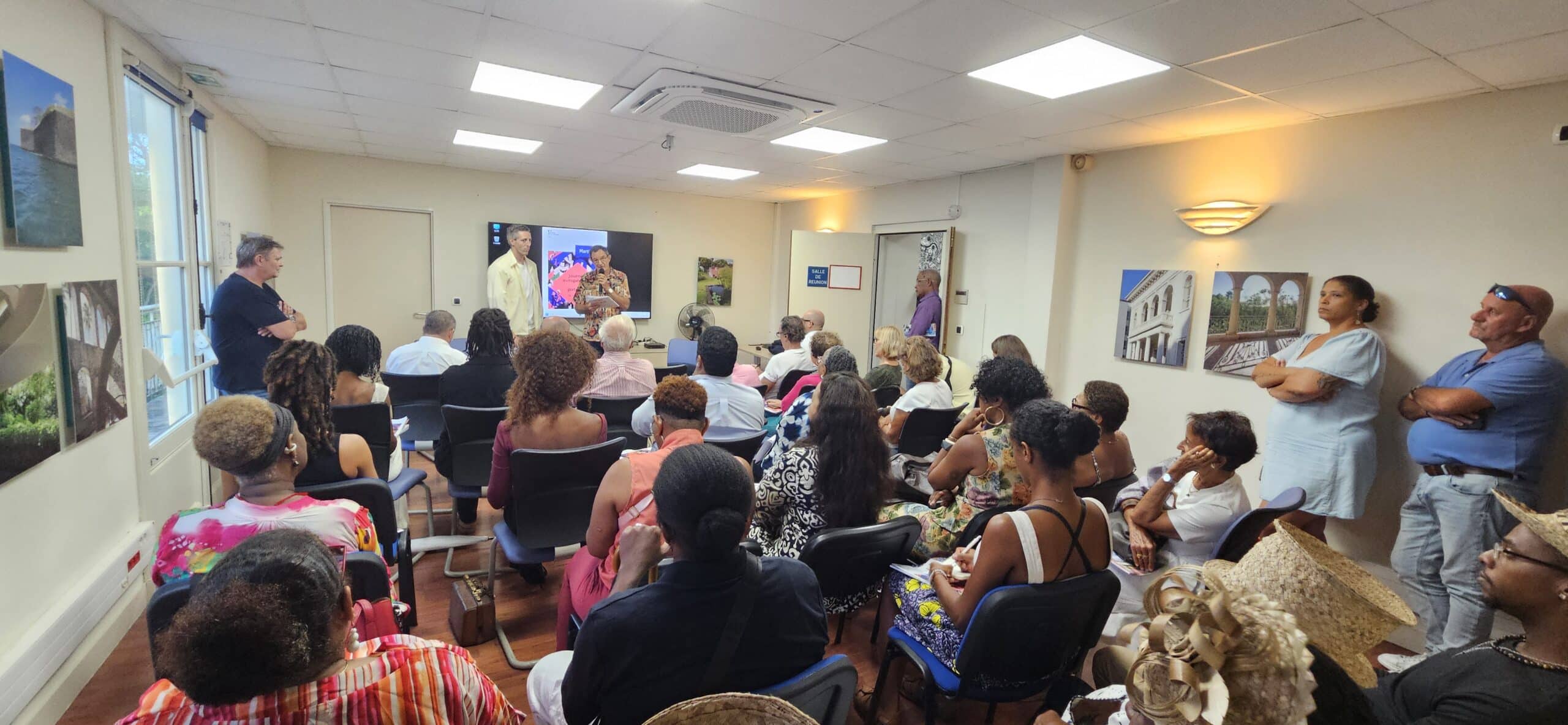
European Heritage Days 2026: Martinique Opens Its Archives.

On September 15, at 5 p.m., the conference room of Martinique’s Cultural Affairs Department is already packed. Journalists, cultural leaders, organizations, artists, and heritage professionals have gathered to find out what the 43rd edition has in store. With just four days to go before the 2026 European Heritage Days , scheduled for September 19 and 20, this press conference already feels like a journey across Martinique—from its Creole huts to its lighthouses, from Saint-Pierre to the monuments we sometimes pass by without really noticing them. European Heritage Days 2026: A Lively Conference Johan-Hilel Hamel, Martinique’s director of cultural affairs, opened the meeting without putting on airs. He even warned that the evening would not be a long monologue. The conversation quickly began to flow. A representative from Les Trois-Îlets speaks, followed by Xavier Nicolas from the Directorate of the Sea, Philippe Villard from the Heritage Foundation, Florence Le Gal from

Read More »
caribbean cinema
FILM & VIDEO
Tolotra

S3/10 – Stories of Caribbean Cinema: Two Perspectives on the Year 1980. Texts by Guillaume Robillard. Ciclic, 2026.

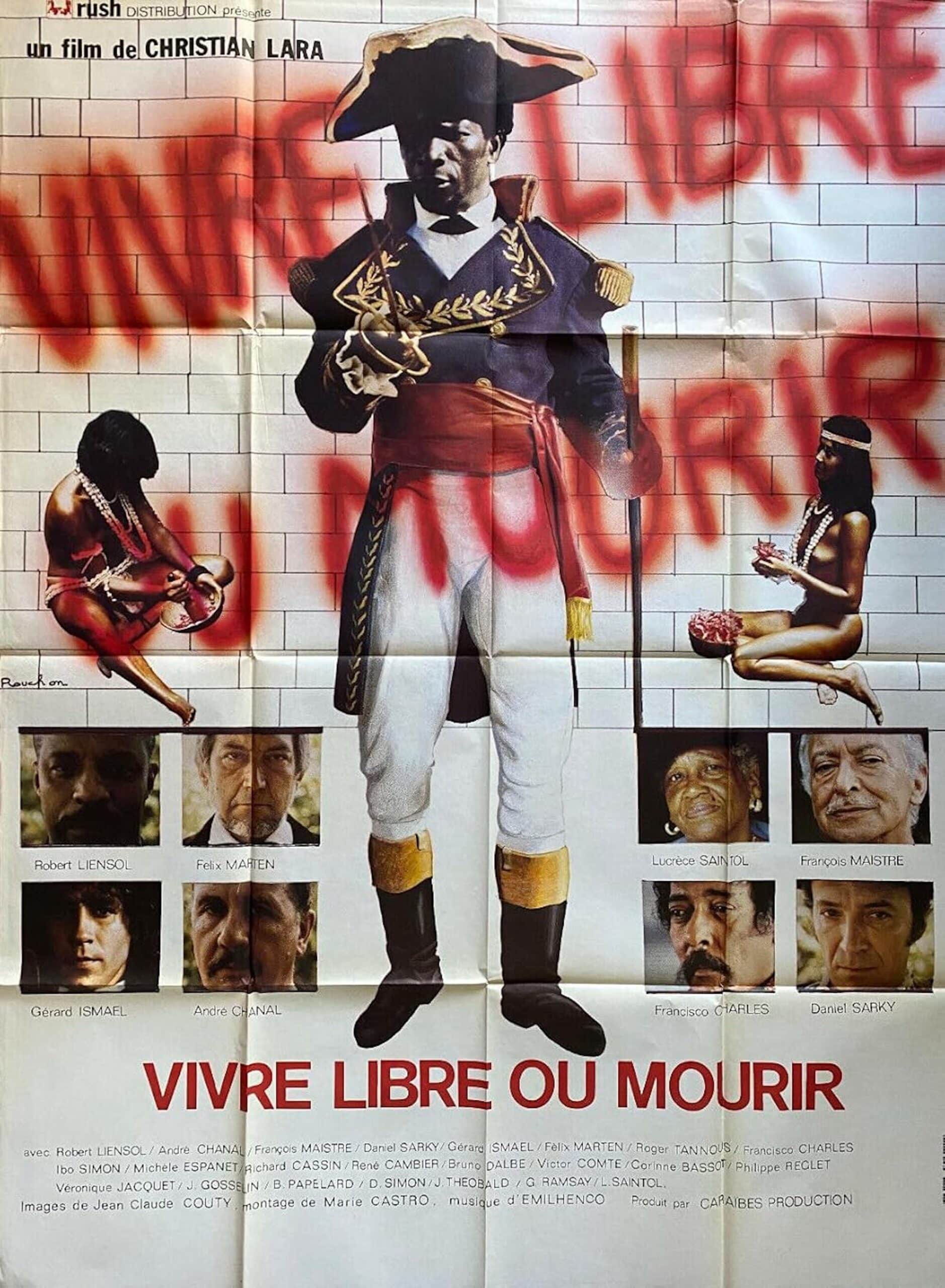
With this third episode, *Stories of Caribbean Cinema* moves into the 1980s. The first two installments covered Cuba, Jamaica, Trinidad and Tobago, and Guadeloupe, from the 1960s through the emergence of Caribbean cinema. This time, two films made in the same year take radically different directions. In Jamaica, *Children of Babylon* explores romantic, sexual, and racial relationships with unusual freedom. In Guadeloupe, *Live Free or Die* draws on several centuries of history centered on the legacy of Commander Ignace. This article is the third installment in a series of ten. Two installments have already been published, and seven more will follow in this chronology of Caribbean cinema. 1980: JAMAICA – “CHILDREN OF BABYLON”, BY LENNIE LITTLE-WHITE This film is unique in Jamaican cinema and, more broadly, in Caribbean cinema as a whole. Far from the social deprivation of Kingston’s ghettos, in a villa in the countryside (complete with a swimming

Read More »

conTACT RK

we'd love to have your feedback on your experience so far

Join The List

Join our Richès Karayib community!  Sign up for our newsletter.

Want To Maximize Your Business Presence On Riches Karayib?

Complete the form to start the application