The CIMBA project (Controlling the Impact of Exotic Mammals on Biodiversity in the Caribbean) is a crucial initiative launched by the Caribaea Initiative association. Its main objective is to better understand and limit the impact of exotic mammals on the Caribbean‘s fragile biodiversity. This growing threat requires not only in-depth scientific research, but also concrete action and increased awareness among local populations.
The importance of biodiversity in the Caribbean
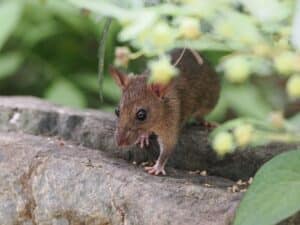
The Caribbean is home to a unique biodiversity, with many endemic species found nowhere else. However, the introduction of exotic mammals such as rats, mongooses, dogs and cats has led to an ecological imbalance. These invasive species represent a major threat to island ecosystems, preying on vulnerable local species such as endemic birds and small reptiles.
Challenges faced by the CIMBA project
The CIMBA project faces several major challenges:
- Awareness-raising and community involvement: One of the biggest hurdles is getting local communities on board. It is crucial that these populations understand the importance of biodiversity and the threats posed by exotic mammals.
- Financial and human resources: Like many environmental initiatives, CIMBA must navigate budgetary constraints. Funding is essential to carry out research and implement effective strategies.
- Coordination between different players: Regional cooperation is essential, but it can be complicated by cultural, political and organizational differences between the various partners involved in the project.
The main thrusts of the CIMBA project
The CIMBA project has four main focuses:
- Mapping the presence of exotic mammals: Studies are being carried out in Guadeloupe, Haiti and the Dominican Republic. The use of photographic traps and diet analysis will provide precise data on the distribution of these species.
- Optimizing control techniques: The project involves testing and improving control methods against these invasive species, to ensure maximum efficiency.
- Strengthening regional cooperation: Partnerships have been established with local organizations such as FOKAL in Haiti and Grupo Jaragua in the Dominican Republic. This collaboration is essential for sharing best practices and coordinating efforts.
- Raising local awareness: Informing local people about the ecological risks associated with exotic mammals is essential. The project aims to actively involve local communities in protecting their environment.


What sets the CIMBA project apart?
What sets CIMBA apart from similar projects in the Caribbean is its integrated, collaborative approach. Unlike other initiatives that may focus solely on a specific species or control method, CIMBA takes a holistic view that includes:
- Thorough scientific research: The project relies on rigorous studies to assess the impact of exotic mammals on local biodiversity.
- Enhanced regional cooperation: By establishing partnerships with various local organizations, CIMBA promotes an exchange of expertise that enriches the project.
- Active community involvement: By directly involving local people in its actions, the project creates a sense of belonging and responsibility towards biodiversity.
How is the public involved?
The active participation of the local population is at the heart of the CIMBA project. Residents are involved at several levels:
- Awareness-raising: Information campaigns are run to educate communities about the negative impact of exotic mammals on their environment.
- Participation in research: Community members can take part in studies as volunteers or assistants, giving them a direct understanding of the problem.
- Collaboration in control: Local populations are invited to contribute to control efforts by reporting the presence of invasive species or participating in clean-up initiatives.
Crucial financial support
The CIMBA project is supported by the Interreg Caribbean program, reflecting its importance for the region. With a total budget of 655,116 euros, including 551,391 euros from the ERDF, this initiative represents a significant investment in the preservation of Caribbean biodiversity.
Overall project objectives
The CIMBA project has several overall objectives:
- Analysis of spatial distribution and impact on local biodiversity: An in-depth study will assess how these exotic mammals affect local ecosystems.
- Management and optimization of mitigation actions: The actions implemented will be evaluated and adjusted according to the results obtained.
- Coordination of the network of players: The project also includes the reinforcement of monitoring within protected areas.
- Information and awareness campaign: A vast campaign will be launched to inform the general public about the environmental issues linked to the proliferation of exotic mammals.
The CIMBA project represents a crucial step towards preserving the Caribbean’s unique biodiversity. By combining scientific research, regional cooperation and awareness-raising among local populations, it offers an integrated approach to combating the negative impact of exotic mammals on the environment. The success of this initiative will depend not only on financial support, but also on our collective commitment to protecting our natural heritage.