Eco-responsible tourism in the Caribbean has experienced remarkable growth in recent years. More and more travelers want to discover this paradise region while minimizing their environmental impact and supporting local communities. Here’s a roundup of the best eco-responsible tourism experiences to be had in the French, English and Spanish-speaking Caribbean islands.
Community tourism in Jamaica: meeting the Maroons
In Jamaica, community tourism offers a unique opportunity to discover the culture of the Maroons, descendants of African slaves who resisted colonization..
In the village of Charles Town, visitors can :
- Participate in traditional drumming workshops
- Learn natural medicine techniques
- Taste local cuisine prepared by the locals
This eco-responsible tourism experience allows us to directly support the community while immersing ourselves in a fascinating and little-known culture.
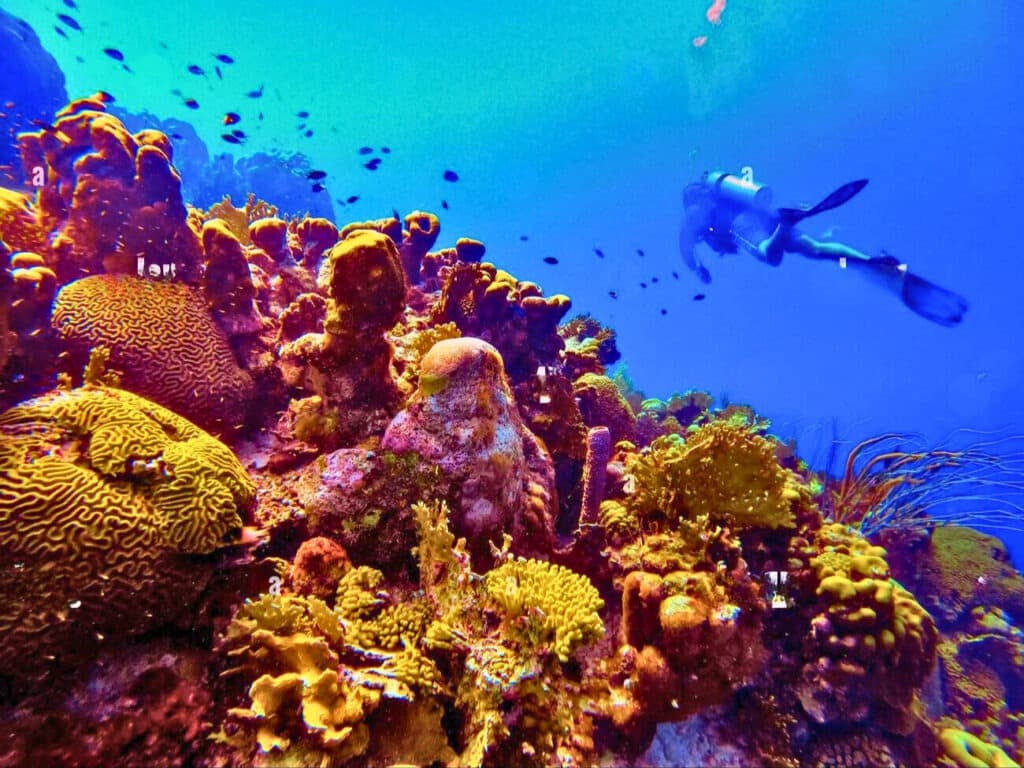
Eco-friendly diving in Bonaire: protecting coral reefs
The Dutch island of Bonaire is renowned for its marine protection initiatives. Divers can take part in coral reef conservation programs:
- Seabed cleaning
- Coral health monitoring
- Coral replanting
These eco-responsible tourism activities combine the pleasure of diving with concrete action to preserve the marine ecosystem.
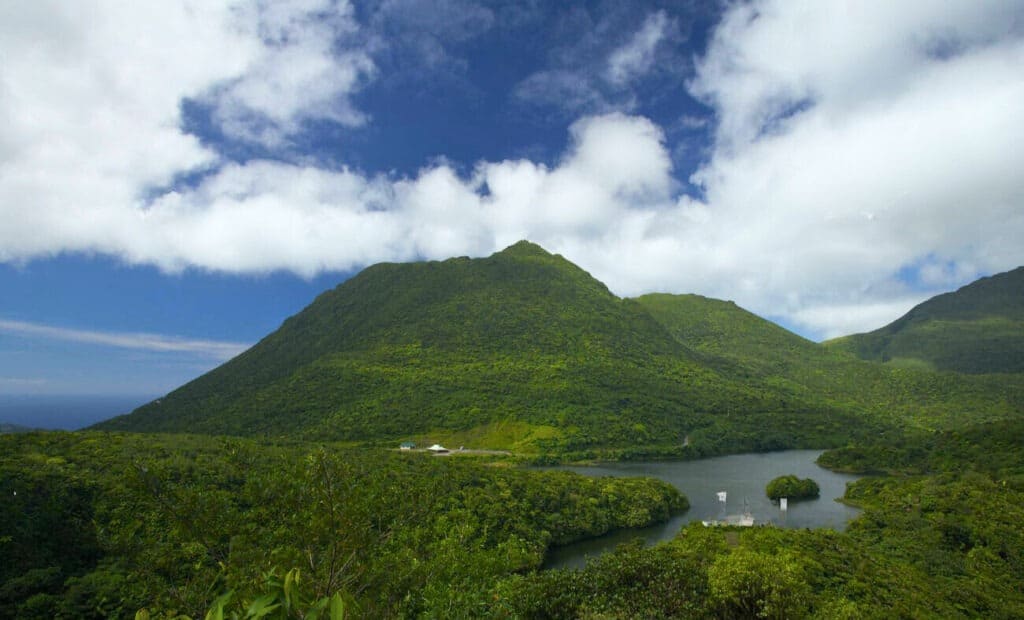
Ecotourism in Dominica: the nature island par excellence
Dominica, nicknamed “the nature island”, is a model of ecotourism in the Caribbean. Visitors can enjoy a wide range of eco-tourismactivities :
- Hiking in Morne Trois Pitons National Park
- Whale and dolphin watching
- Bathing in natural hot springs
The island has opted for small-scale tourism, favoring quality over quantity to preserve its exceptional environment.
Agritourism in Cuba: discover ecological "fincas
In Cuba, the ecological “finca” movement is gaining in popularity. These organic farms offer visitors the chance to discover sustainable, environmentally-friendly agriculture:
- Participation in farm work
- Cuban cooking workshops using local produce
- Accommodation in rural casas particulares
This eco-responsible tourism experience lets you discover the Cuban countryside off the beaten track, while supporting more sustainable agriculture.
Solidarity tourism in Haiti: rebuilding through travel
In Haiti, eco-responsible tourism is developing as a means of supporting the country’s reconstruction. Travelers can participate in community projects:
- Building schools and health centers
- Teaching English or French
- Support for local artisans
These eco-responsible tourism trips enable visitors to discover the cultural richness of Haiti while making a concrete contribution to local development.
Agrotourism in Martinique: immersion in local culture
Agrotourism in Martinique offers an authentic experience at the heart of West Indian culture. Visitors can stay in self-catering cottages and take part in a variety of agricultural activities:
- Harvesting tropical fruits
- Introduction to dachine (taro) cultivation
- Visit to cocoa and coffee plantations
Not only do these stays enable you to discover local flavors, they also directly support small-scale producers in Martinique.
Ecotourism in Guadeloupe: in the heart of the National Park
Guadeloupe, nicknamed “the butterfly island”, is a true paradise for nature lovers. The Guadeloupe National Park offers a wide range of eco-responsible activities:
- Guided walks in the rainforest
- Observation of endemic flora and fauna
- Visits to Carbet Falls and La Soufrière
These experiences allow visitors to immerse themselves in the island’s exceptional biodiversity while contributing to its preservation.
These eco-responsible tourism experiences allow visitors to immerse themselves in the island’s exceptional biodiversity while contributing to its preservation.
Visit eco-responsible tourism in the Caribbean offers a multitude of enriching experiences, combining cultural discovery, environmental preservation and support for local communities. By choosing these sustainable alternatives, travelers contribute to a more equitable and respectful tourism development in the region.
For a truly eco-friendly holiday , don’t forget to :
- Favoring eco-certified accommodations
- Use public transport or electric vehicles
- Respect local flora and fauna
- Buy local and artisanal products
- Limit your water and energy consumption
By adopting these good practices, you’ll make your trip to the Caribbean an unforgettable experience that benefits everyone.
Visit eco-responsible tourism in the Caribbean is much more than a trend: it’s a necessity to preserve the beauty and diversity of this unique region. By choosing these As an eco-responsible tourist, you’ll be contributing to a greener future for the Caribbean islands, while experiencing authentic, unforgettable moments.