BARBADOS: “Reparations Now” – When Caribbean Art Carries the Voice of Change

Reparations NOW

Reparations NOW “: from February 15 to March 1, 2025, Barbados hosts a landmark exhibition entitled “Reparations NOW” at the Queens Park Gallery. Curated by Amma Andrea King, Director of C.A.L.L. Barbados, this event brings together over 50 works by 25 Caribbean artists committed to the crucial theme of historical, cultural and social reparations, through an artistic approach that questions, challenges and inspires.

Art at the heart of a quest for social justice

The ” Reparations NOW ” exhibition aims to raise awareness of the importance of CARICOM ‘s 10-Point Plan for Reparations, and to place visual artists at the center of this essential dialogue. Supported by the Caribbean Culture Fund, it contributes to strengthening the regional creative sector, generating a profound social and cultural impact. “We are delighted to be among the first beneficiaries of this major new initiative, which enables Caribbean creatives to freely express their potential and transform society,” says Amma Andrea King.

Reparations NOW

Confronting the past to build the future

The works in the “Reparations NOW” exhibition address head-on the painful legacy of slavery and its repercussions today. For AVANNA, a family collective, “reparations are necessary to confront the future catastrophes we are already experiencing”, whether climate change or economic and social crises. The collective’s three works underline the urgent need for restorative justice.

Reparations NOW

Women and resistance: a powerful vision

Aaron Trotman, through his work “Mawna Pwo” at “Reparations NOW”, challenges viewers to consider the multiple dimensions of female resistance in postcolonial societies. “Reparations are not just financial, they also involve recognizing and restoring the dignity of oppressed communities”, he asserts, reminding us of the importance of protecting and valuing cultural identities.

Reparations NOW

Identity, memory and reconnection

Cher-Antoinette and Gabrielle Moore, among other artists, explore profound themes of identity and collective memory. Cher-Antoinette, with her work “Tree of Life”, emphasizes the need to reconnect with African roots as a means of collective healing. Gabrielle Moore deconstructs the idyllic image of paradise to reveal the hidden tensions of the colonial past. These artists invite the public to engage in essential introspective reflection.

Reparations NOW

Art as a tool for transformation and hope

The “reparations NOW” exhibition demonstrates how art transcends the simple act of creation to become a vector for social change. Digital artist Ronald Williams uses powerful historical symbols to question the viewer’s role as hero or villain, depending on the historical perspective adopted. This complex reflection encourages awareness of painful legacies and the reparations needed to move forward.

Discover the artists

Reparations NOW
Reparations NOW

The “Reparations NOW” exhibition offers an immersive, powerful and deeply engaging artistic experience. It reminds us that the visual arts can play an essential role in societal debate, not only by documenting and denouncing historical injustices, but also by proposing paths towards recognition, intercultural dialogue and collective healing. It’s a powerful invitation to reinvent a fairer, more conscious future together.

Reparations NOW

The “Reparations NOW” exhibition is an essential platform for addressing social and historical issues in the Caribbean. By bringing together artists from diverse and talented backgrounds, it highlights the struggle for justice and recognition of past injustices. This event is not simply an artistic presentation, but a profound and necessary reflection on identity, memory and the need for intercultural dialogue. The works on display encourage a collective commitment to a more equitable and conscious future, while honoring the histories and struggles of different Caribbean communities. In short, this exhibition is a powerful call to reflect on our past in order to better build our future together.

Leave a Reply

Your email address will not be published. Required fields are marked *

More articles from RK

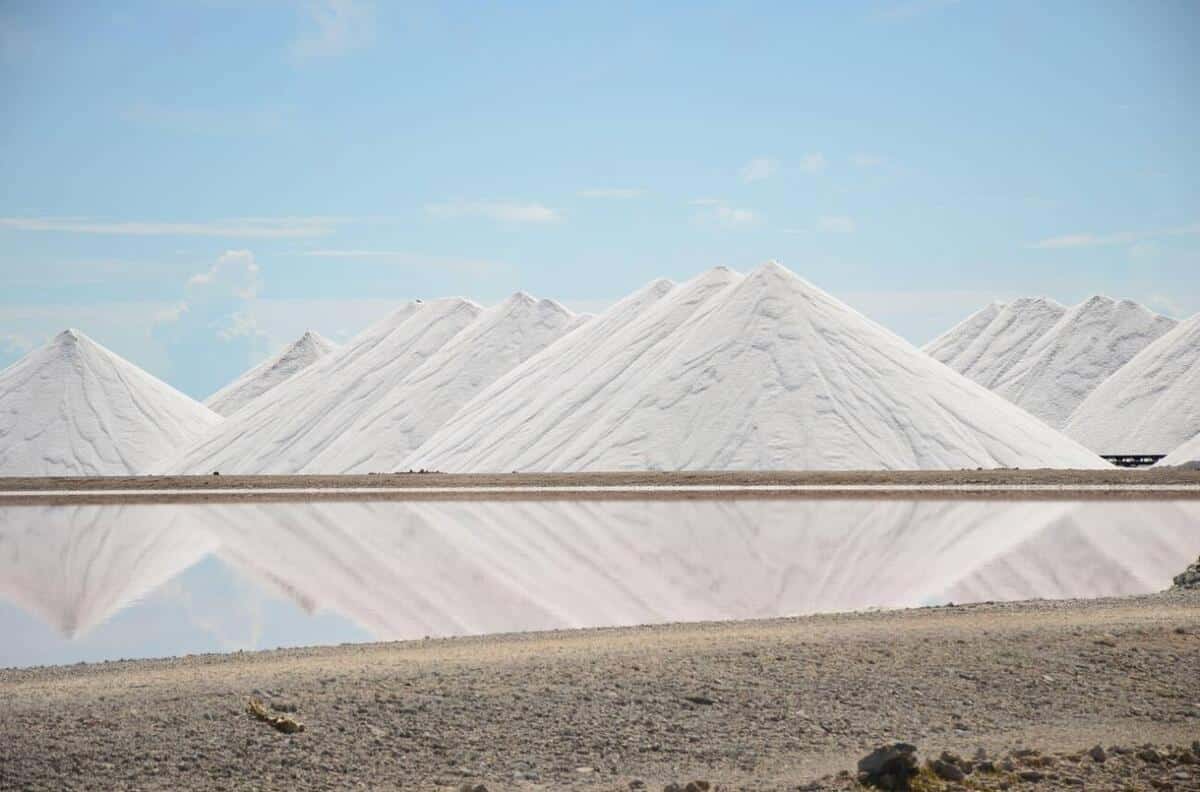
Bonaire salt marshes: pink ponds and white salt mountains in the south of the island
HISTORY & HERITAGE
Tolotra

Bonaire: 3,700 hectares of salt marshes conceal a history of slavery

At the southern tip of Bonaire, a Dutch-speaking island in the Caribbean, the salt marshes stretch out in pink and white basins across nearly 3,700 hectares—thirteen percent of the island’s total area. This postcard view, photographed every year by thousands of visitors from the coastal road, hides a history dating back more than five centuries, the story of salt that shaped Bonaire’s economy and, for two hundred years, the lives of hundreds of enslaved people. Along EEG Boulevard, which runs along the southern coast of Bonaire, mountains of white salt come into view kilometers before you reach them. Each contains about 10,000 metric tons of salt that is 99.6% pure, piled nearly 15 meters high, with up to 200,000 metric tons stored at any given time. Their whiteness, so intense that you need to keep sunglasses handy, stands in stark contrast to the pink of the neighboring pools. The salt
Read More »
Journées européennes du patrimoine 2026
EVENT MANAGEMENT
Tolotra

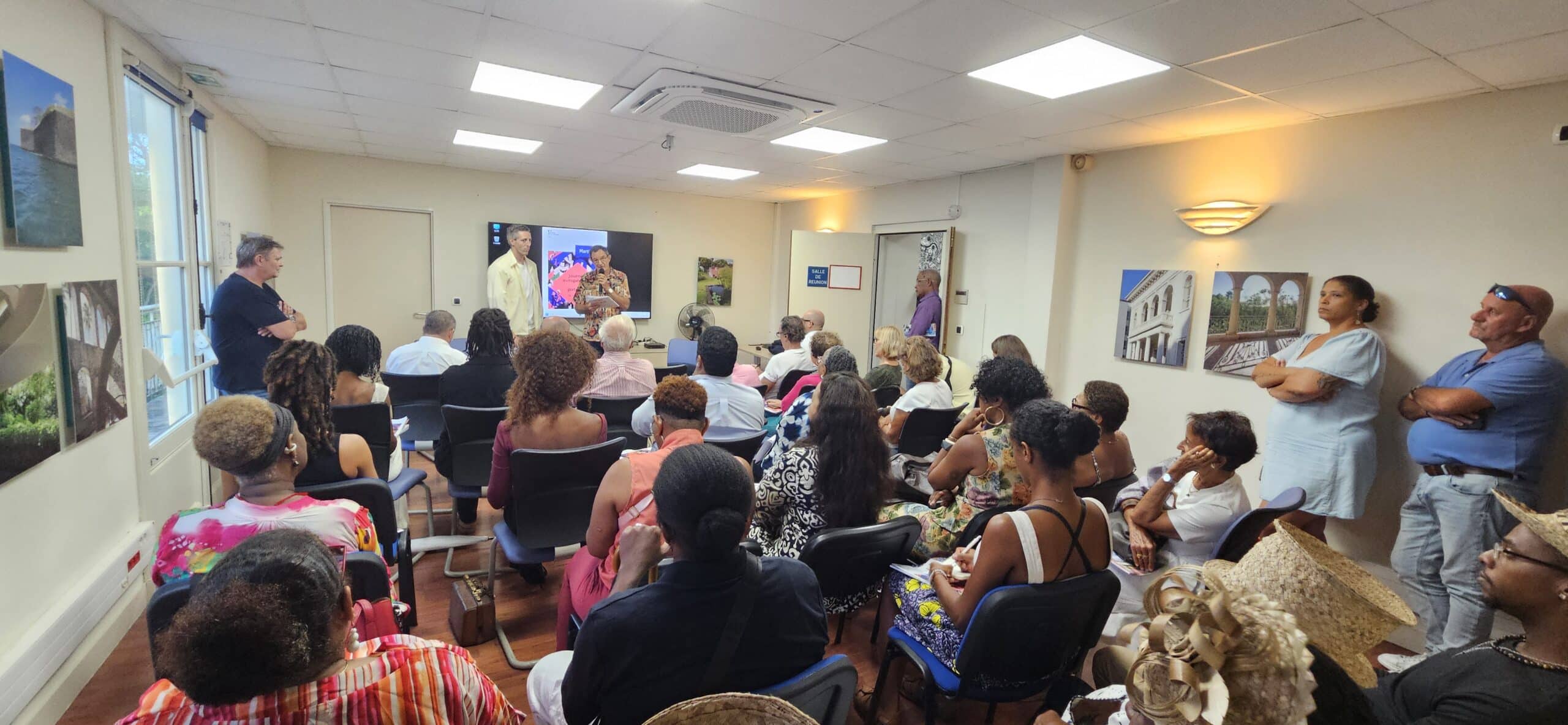
European Heritage Days 2026: Martinique Opens Its Archives.

On September 15, at 5 p.m., the conference room of Martinique’s Cultural Affairs Department is already packed. Journalists, cultural leaders, organizations, artists, and heritage professionals have gathered to find out what the 43rd edition has in store. With just four days to go before the 2026 European Heritage Days , scheduled for September 19 and 20, this press conference already feels like a journey across Martinique—from its Creole huts to its lighthouses, from Saint-Pierre to the monuments we sometimes pass by without really noticing them. European Heritage Days 2026: A Lively Conference Johan-Hilel Hamel, Martinique’s director of cultural affairs, opened the meeting without putting on airs. He even warned that the evening would not be a long monologue. The conversation quickly began to flow. A representative from Les Trois-Îlets speaks, followed by Xavier Nicolas from the Directorate of the Sea, Philippe Villard from the Heritage Foundation, Florence Le Gal from
Read More »
caribbean cinema
FILM & VIDEO
Tolotra

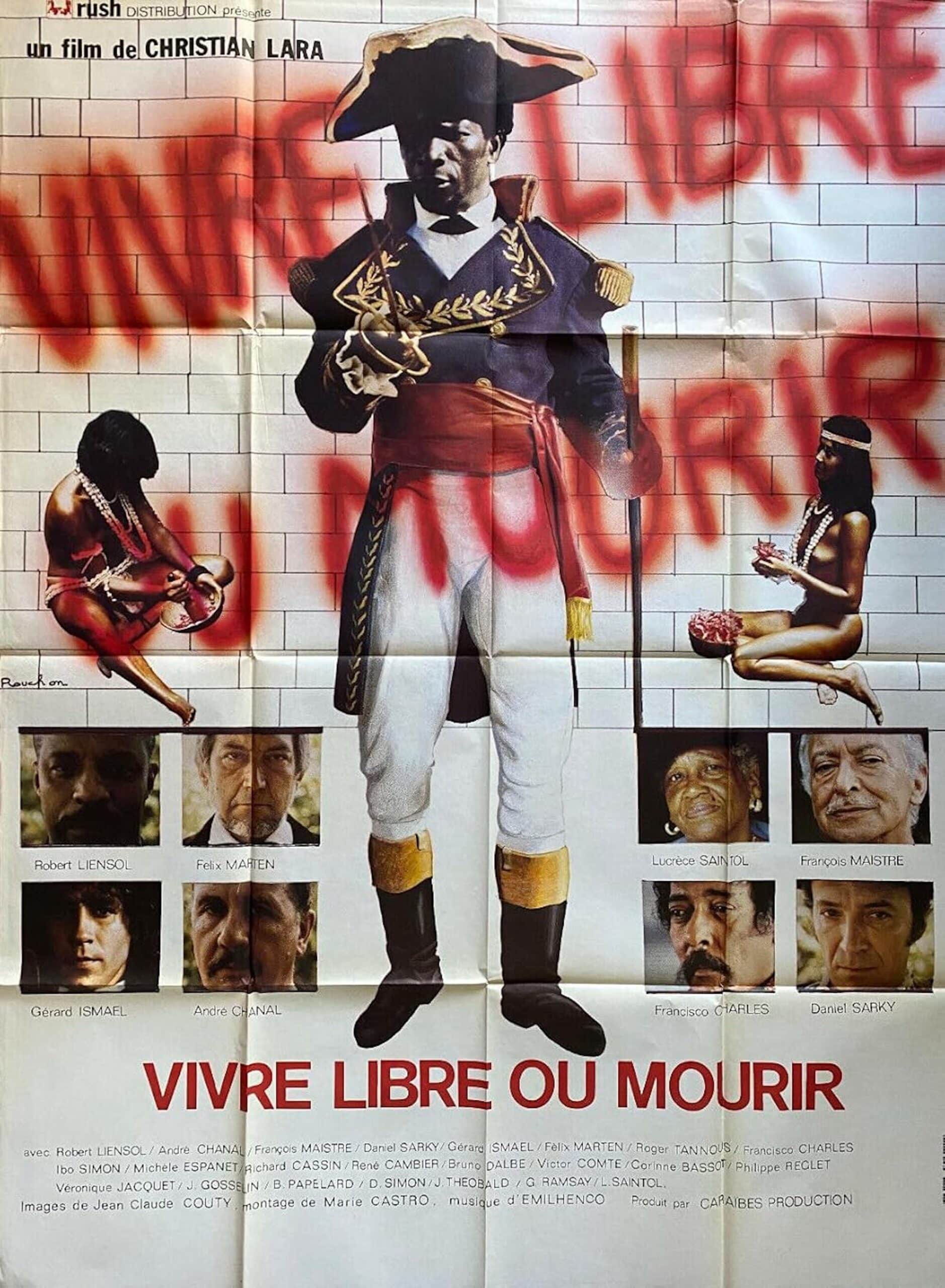
S3/10 – Stories of Caribbean Cinema: Two Perspectives on the Year 1980. Texts by Guillaume Robillard. Ciclic, 2026.

With this third episode, *Stories of Caribbean Cinema* moves into the 1980s. The first two installments covered Cuba, Jamaica, Trinidad and Tobago, and Guadeloupe, from the 1960s through the emergence of Caribbean cinema. This time, two films made in the same year take radically different directions. In Jamaica, *Children of Babylon* explores romantic, sexual, and racial relationships with unusual freedom. In Guadeloupe, *Live Free or Die* draws on several centuries of history centered on the legacy of Commander Ignace. This article is the third installment in a series of ten. Two installments have already been published, and seven more will follow in this chronology of Caribbean cinema. 1980: JAMAICA – “CHILDREN OF BABYLON”, BY LENNIE LITTLE-WHITE This film is unique in Jamaican cinema and, more broadly, in Caribbean cinema as a whole. Far from the social deprivation of Kingston’s ghettos, in a villa in the countryside (complete with a swimming

Read More »

conTACT RK

we'd love to have your feedback on your experience so far

Join The List

Join our Richès Karayib community!  Sign up for our newsletter.

Want To Maximize Your Business Presence On Riches Karayib?

Complete the form to start the application