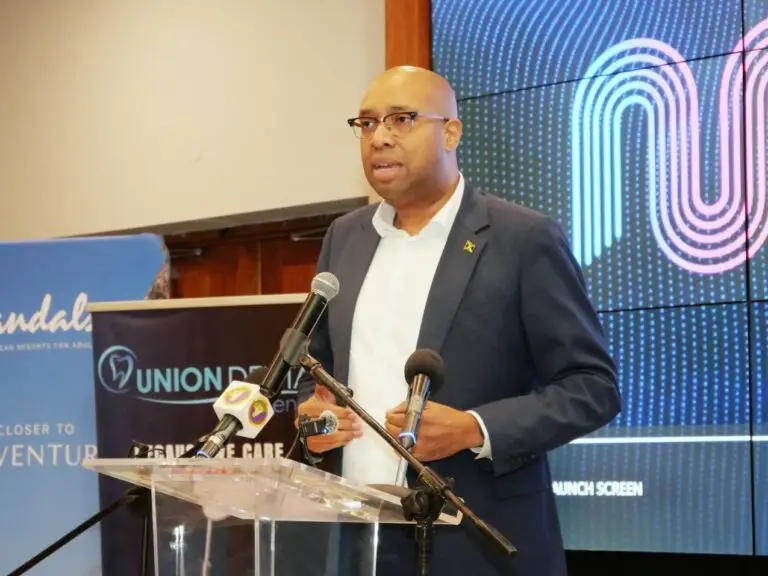
Jamaica’s Airbnb sector is undergoing a veritable “revolution”, according to Senator Delano Seiveright. Speaking in the Senate during the debate on the Finance Bill 2025, he emphasized the extent to which the rise of this platform is transforming local communities and the country’s economy.
Spectacular growth
In 2017, Jamaica had 59,500 visitors via Airbnb. This figure has literally exploded, reaching over 800,000 visitors in 2023. This massive influx has generated over J$32 billion in revenue for local homeowners.
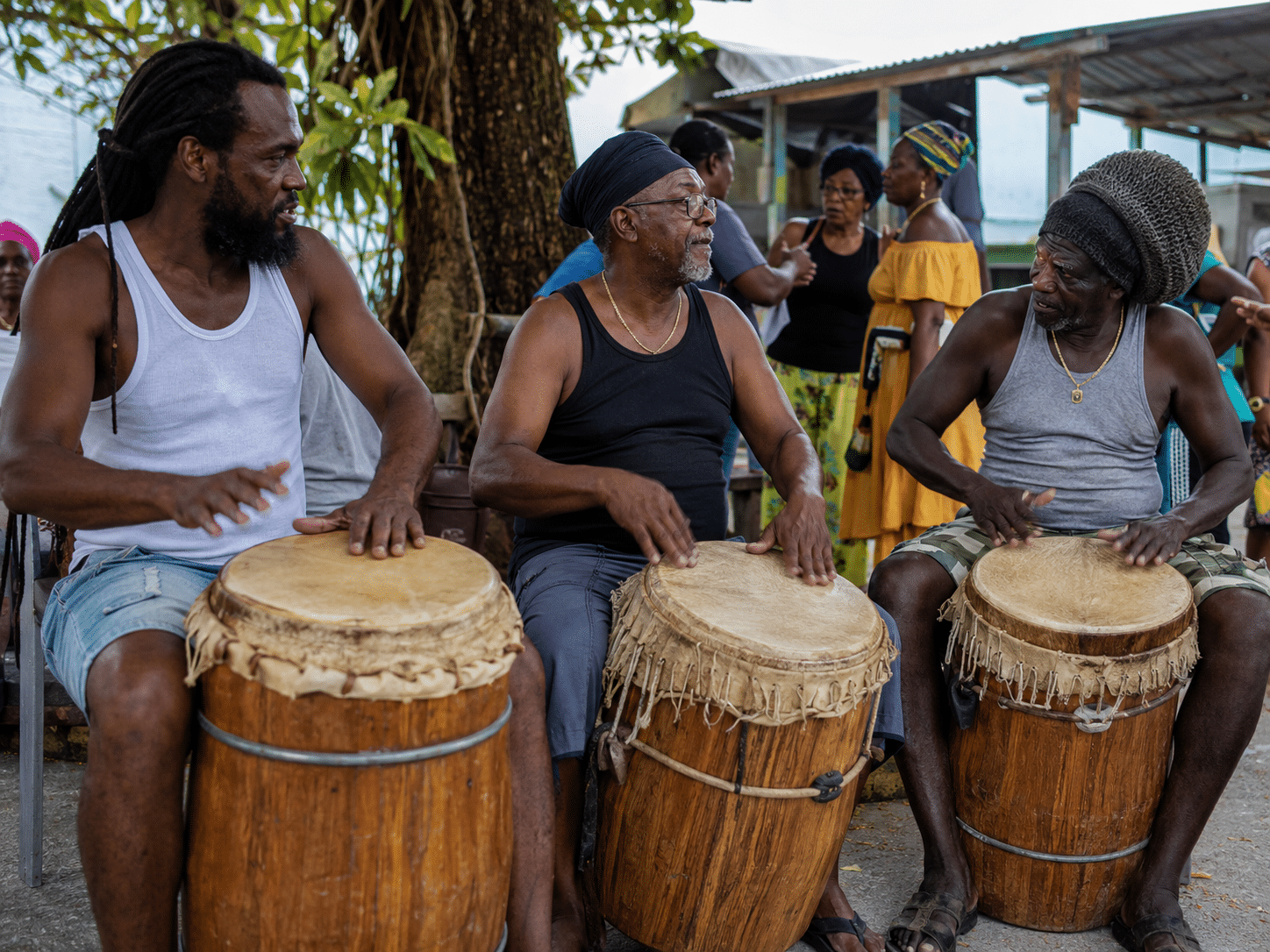
Seiveright describes this growth as a democratization of tourism: “From Trench Town to Treasure Beach, from Portland to Negril, Jamaicans are opening their doors, sharing their culture and talents with the world while generating revenue.” In this way, Airbnb enables ordinary locals to capitalize on the country’s tourist appeal.
Investing in Jamaica's creative potential
Senator Seiveright also highlighted the efforts of the Andrew Holness-led government to strengthen the tourism industry by supporting workers, creatives and entrepreneurs. Key initiatives include:
- The pension scheme for tourism workers : a unique scheme in the world, with over 10,000 contributors and 4 billion Jamaican dollars under management.
- Insurance plan for artists and creative people : launched in 2024, guarantees financial protection for the country’s cultural figures.
- The tourism and entertainment industry academy : launched on March 27 under the aegis of the Tourism Enhancement Fund (TEF), it offers training, mentoring and networking opportunities for artists and cultural entrepreneurs.
Seiveright insists: “These are not just words, but concrete budget-funded actions, giving Jamaicans the tools to thrive in a booming industry.”
Impact on small businesses and local communities
The rise of Airbnb has enabled many small local businesses to thrive. Restaurants, cab drivers, tour guides and artisans benefit directly from the increase in visitor numbers. This dynamic promotes a more inclusive economic model, reducing dependence on large hotel complexes and better distributing the wealth generated by tourism.
What’s more, some communities that have not historically been major tourist destinations, such as Port Antonio or Treasure Beach, are experiencing an economic boom thanks to the arrival of travelers seeking authentic experiences far from the traditional circuits.
A positive vision for the future
The senator called on the population to celebrate the progress made. In particular, he highlighted the significant reduction in violent crime, the renewed hope in communities and the notable economic performance in several sectors.
Solid economic fundamentals
Defending the country’s budget of J$1.26 trillion, Seiveright asserted that the country’s economic fundamentals are robust.
“Despite the challenges of 2024, including Hurricane Beryl and Tropical Storm Raphael, Jamaica’s economy remained resilient thanks to prudent and strategic fiscal management,” he explained.
Key indicators include :
- Real GDP growth forecast at 2.2%.
- Net international reserves in excess of US$5.5 billion.
- A historically low unemployment rate of 3.5%.
- A reduction in the debt/GDP ratio to 68.7%, with a target of 63.7% next year.
- Inflation under control and stabilization of food prices.
In addition, Fitch reaffirmed Jamaica’s BB- credit rating with a positive outlook, boosting investor confidence.
Challenges and opportunities for the Airbnb industry in Jamaica
While Airbnb’s rise is undeniable, it also raises challenges. One of the main issues concerns regulation of the sector to ensure fair competition with traditional hotels while guaranteeing travelers’ safety.
The government is considering several measures:
- The introduction of a specific tax on Airbnb revenues : revenues, in order to generate additional resources for tourism development.
- A framework of safety and quality standards : we are committed to the highest standards of safety and quality, to guarantee the best possible experience for travelers and to prevent abuse.
- Increased support for independent owners : this includes training in rental management and tourist information.
Jamaica’ s “Airbnb revolution” is driving economic and social transformation, redefining the country’s tourism landscape. Led by figures like Senator Delano Seiveright, the government is investing in the potential of Jamaicans and boosting the destination’s appeal. As the island continues to grow, it’s essential to celebrate these advances and encourage greater public participation in this positive dynamic.