Suriname – Strengthening sea turtle protection through regional ocean governance

sea turtle

Strengthening sea turtle protection through regional ocean governance was one of the key issues at the 2025 annual meeting of the WIDECAST network, held in Saint Kitts and Nevis. Marine experts and conservationists from the Greater Caribbean, Australia and the Netherlands joined forces to deepen regional cooperation on marine turtle protection, with Suriname and the Guianas playing a central role.

sea turtle

A shared commitment to the Caribbean's sea turtles

Held in March at the St. Kitts Marriott Resort, WIDECAST’s AGM 2025 brought together over 80 participants committed to marine conservation. The event provided an opportunity to share update on national actions, share scientific data and make collective progress on flagship projects such as Blue Corridors for Sea Turtles, focused on preserving sea turtle migration routes and the Northwest Atlantic (NWA) Leatherback Regional Action Plan (RAP) for the Wider Caribbean, focused on protecting the leatherback in this region.

The workshops addressed fundamental themes: the fight against illegal trade, sea turtle autopsies, marine health, and the use of the EarthRanger platform for species monitoring. These exchanges illustrated WIDECAST’s key role as a network linking local actions and regional strategies.

Suriname and the Guianas in action

sea turtle

As Oceans Coordinator for WWF-Guianas and WIDECAST Country Coordinator in Suriname, the speaker presented a presentation entitled “Transforming regional ocean governance by combating IUU fishing and protecting marine turtles in the Guianas”.

Her presentation highlighted the one of the main challenges towards the decline of the leatherback which is illegal, unreported and unregulated (IUU) fishing, as well as the efforts undertaken to address them, including:

  • Strengthening fisheries governance frameworks ;

  • Enhanced surveillance and information sharing in the field;

  • Protecting spawning beaches and migration corridors;

  • Adapting to the impacts of climate change;

  • Updating Suriname’s Sea Turtle Recovery Plan (STRAP).

The Guianas are thus positioning themselves as a driving force for sustainable, concerted ocean governance on a Caribbean scale.

sea turtle

Local action for regional impact

Suriname’s contribution underlined the extent to which threats to marine biodiversity transcend national borders. The conservation of marine turtles, a migratory species par excellence, calls for coordinated, cross-functional responses.

This dynamic is illustrated by the Northwest Atlantic (NWA) Leatherback Regional Action Plan (RAP) for the Wider Caribbean and the Blue Corridors project and the commitments made collectively. Against a backdrop of increasing pressure on marine ecosystems, the future of conservation will require greater cooperation, science-based decisions and a genuine sense of the common good.
Leave a Reply

Your email address will not be published. Required fields are marked *

More articles from RK

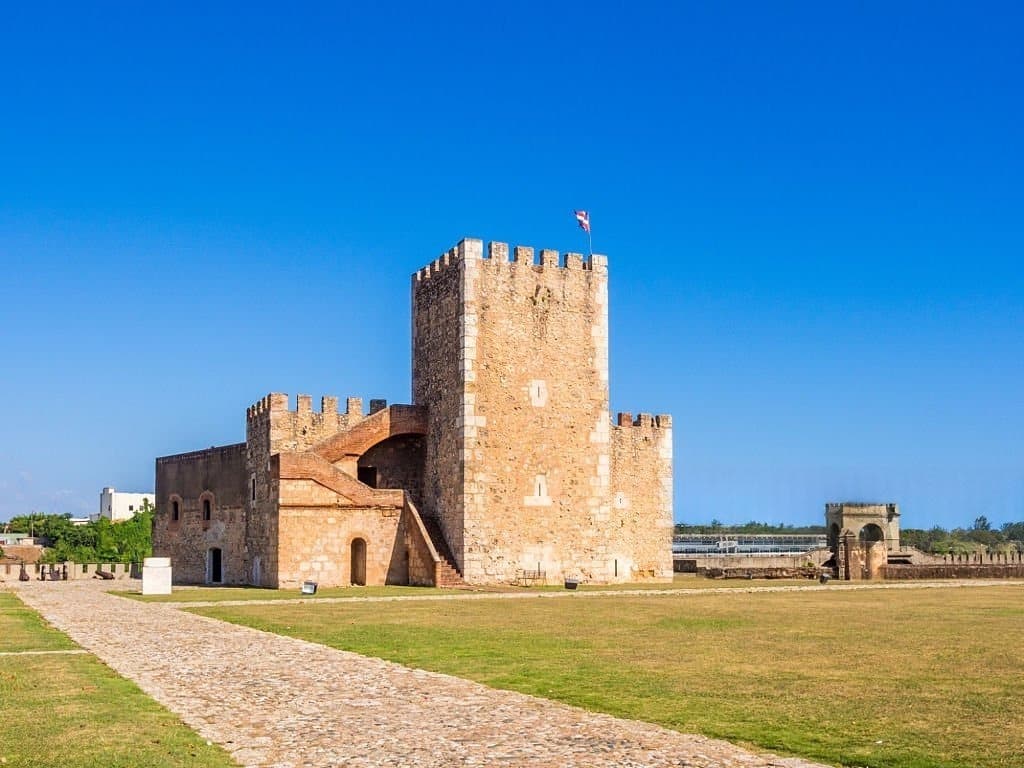
View of Fortaleza Ozama and its Torre del Homenaje tower, in Santo Domingo
HISTORY & HERITAGE
Tolotra

Fortaleza Ozama, the 1502 fortress where a nation was born

In Santo Domingo, on the banks of the Ozama River, the Fortaleza Ozama has weathered more than five centuries of Dominican history without ever falling into the hands of an attacker. It held the father of Dominican independence captive, served as a political prison under the Trujillo dictatorship, and withstood tank fire during the 1965 civil war. Now a UNESCO World Heritage Site, the oldest European-built fortress still standing in the Americas continues to preserve, almost intact, the memory of a nation. An arrival in chains, August 27, 1844 On August 22, 1844, Juan Pablo Duarte was arrested in Puerto Plata. Five days later, on August 27, he entered the Fortaleza Ozama in Santo Domingo. The government led by Pedro Santana had just declared him a traitor to the nation. Duarte, who had planned and led the young Dominican Republic to independence, was imprisoned in the dungeons of the Torre

Read More »
Bonaire salt marshes: pink ponds and white salt mountains in the south of the island
HISTORY & HERITAGE
Tolotra

Bonaire: 3,700 hectares of salt marshes conceal a history of slavery

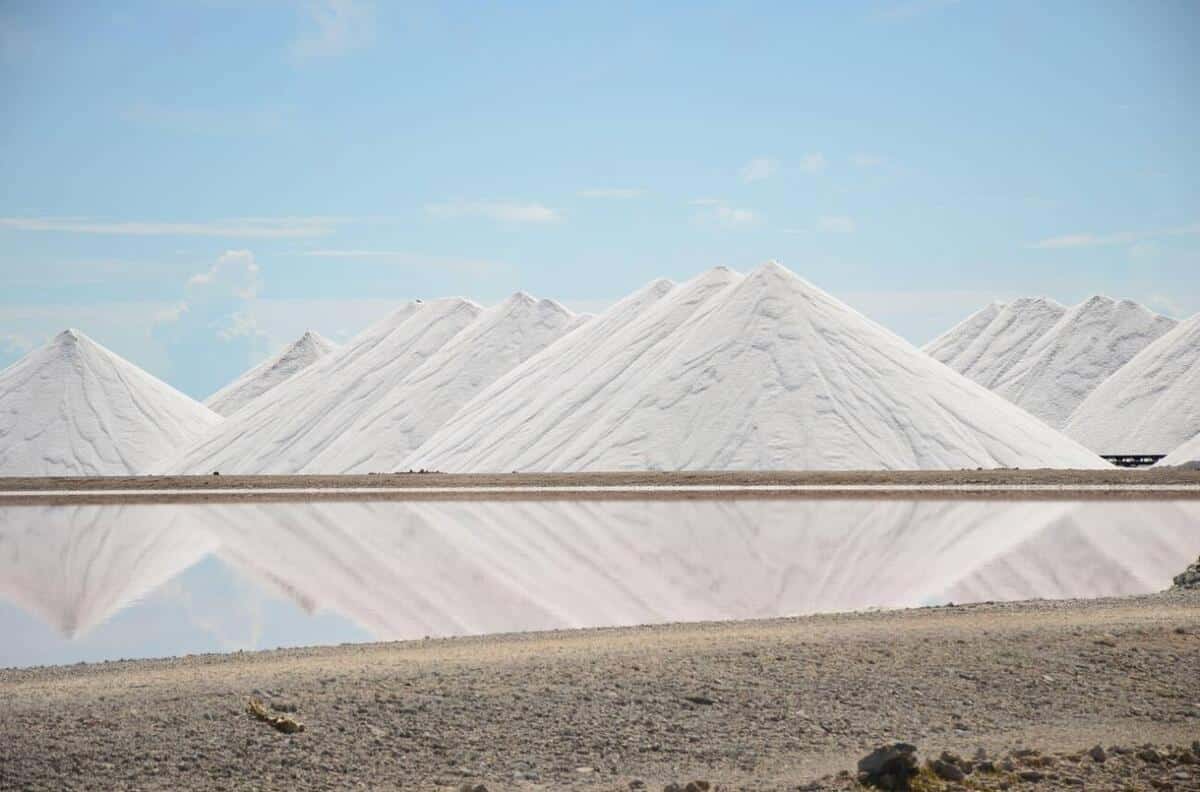
At the southern tip of Bonaire, a Dutch-speaking island in the Caribbean, the salt marshes stretch out in pink and white basins across nearly 3,700 hectares—thirteen percent of the island’s total area. This postcard view, photographed every year by thousands of visitors from the coastal road, hides a history dating back more than five centuries, the story of salt that shaped Bonaire’s economy and, for two hundred years, the lives of hundreds of enslaved people. Along EEG Boulevard, which runs along the southern coast of Bonaire, mountains of white salt come into view kilometers before you reach them. Each contains about 10,000 metric tons of salt that is 99.6% pure, piled nearly 15 meters high, with up to 200,000 metric tons stored at any given time. Their whiteness, so intense that you need to keep sunglasses handy, stands in stark contrast to the pink of the neighboring pools. The salt

Read More »
Journées européennes du patrimoine 2026
EVENT MANAGEMENT
Tolotra

European Heritage Days 2026: Martinique Opens Its Archives.

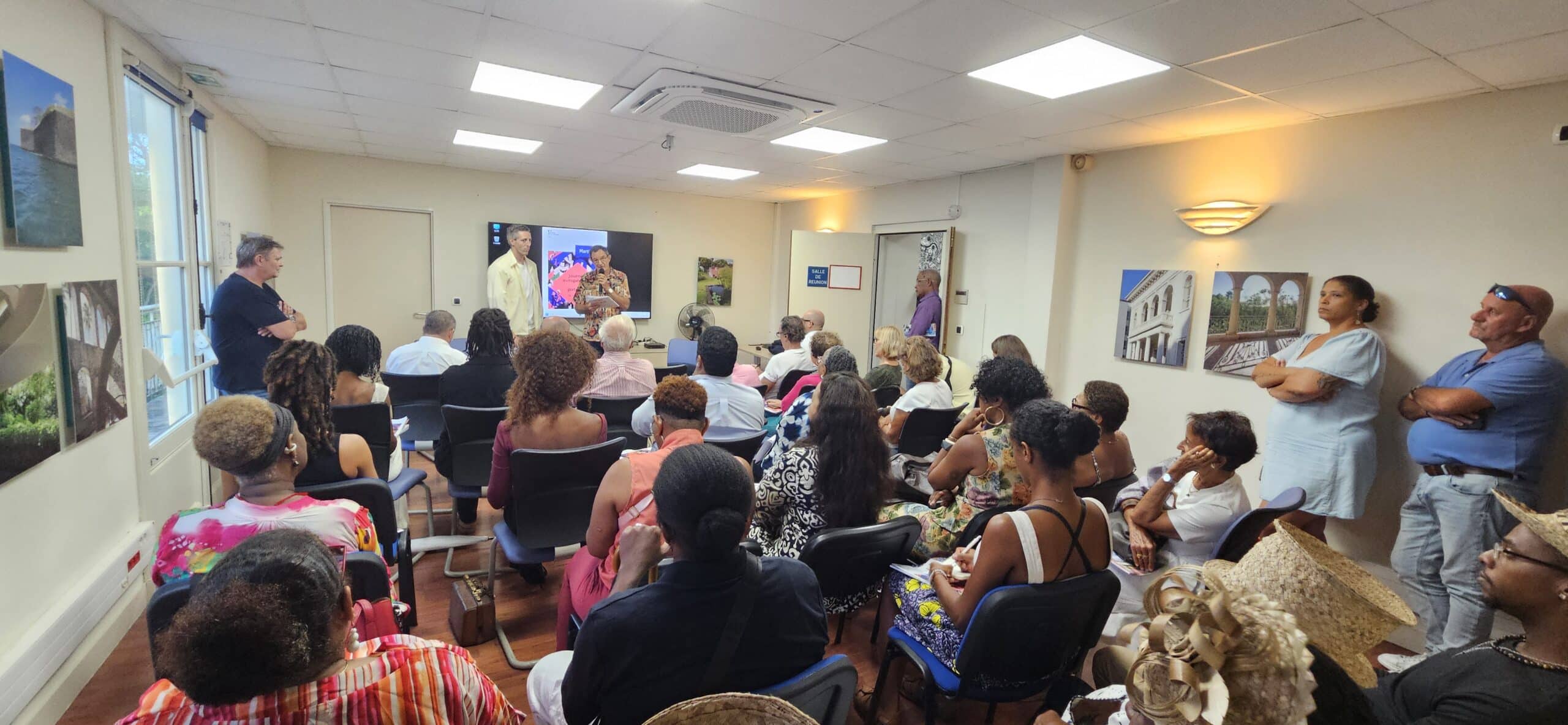
On September 15, at 5 p.m., the conference room of Martinique’s Cultural Affairs Department is already packed. Journalists, cultural leaders, organizations, artists, and heritage professionals have gathered to find out what the 43rd edition has in store. With just four days to go before the 2026 European Heritage Days , scheduled for September 19 and 20, this press conference already feels like a journey across Martinique—from its Creole huts to its lighthouses, from Saint-Pierre to the monuments we sometimes pass by without really noticing them. European Heritage Days 2026: A Lively Conference Johan-Hilel Hamel, Martinique’s director of cultural affairs, opened the meeting without putting on airs. He even warned that the evening would not be a long monologue. The conversation quickly began to flow. A representative from Les Trois-Îlets speaks, followed by Xavier Nicolas from the Directorate of the Sea, Philippe Villard from the Heritage Foundation, Florence Le Gal from

Read More »

conTACT RK

we'd love to have your feedback on your experience so far

Join The List

Join our Richès Karayib community!  Sign up for our newsletter.

Want To Maximize Your Business Presence On Riches Karayib?

Complete the form to start the application