Strengthening sea turtle protection through regional ocean governance was one of the key issues at the 2025 annual meeting of the WIDECAST network, held in Saint Kitts and Nevis. Marine experts and conservationists from the Greater Caribbean, Australia and the Netherlands joined forces to deepen regional cooperation on marine turtle protection, with Suriname and the Guianas playing a central role.

A shared commitment to the Caribbean's sea turtles
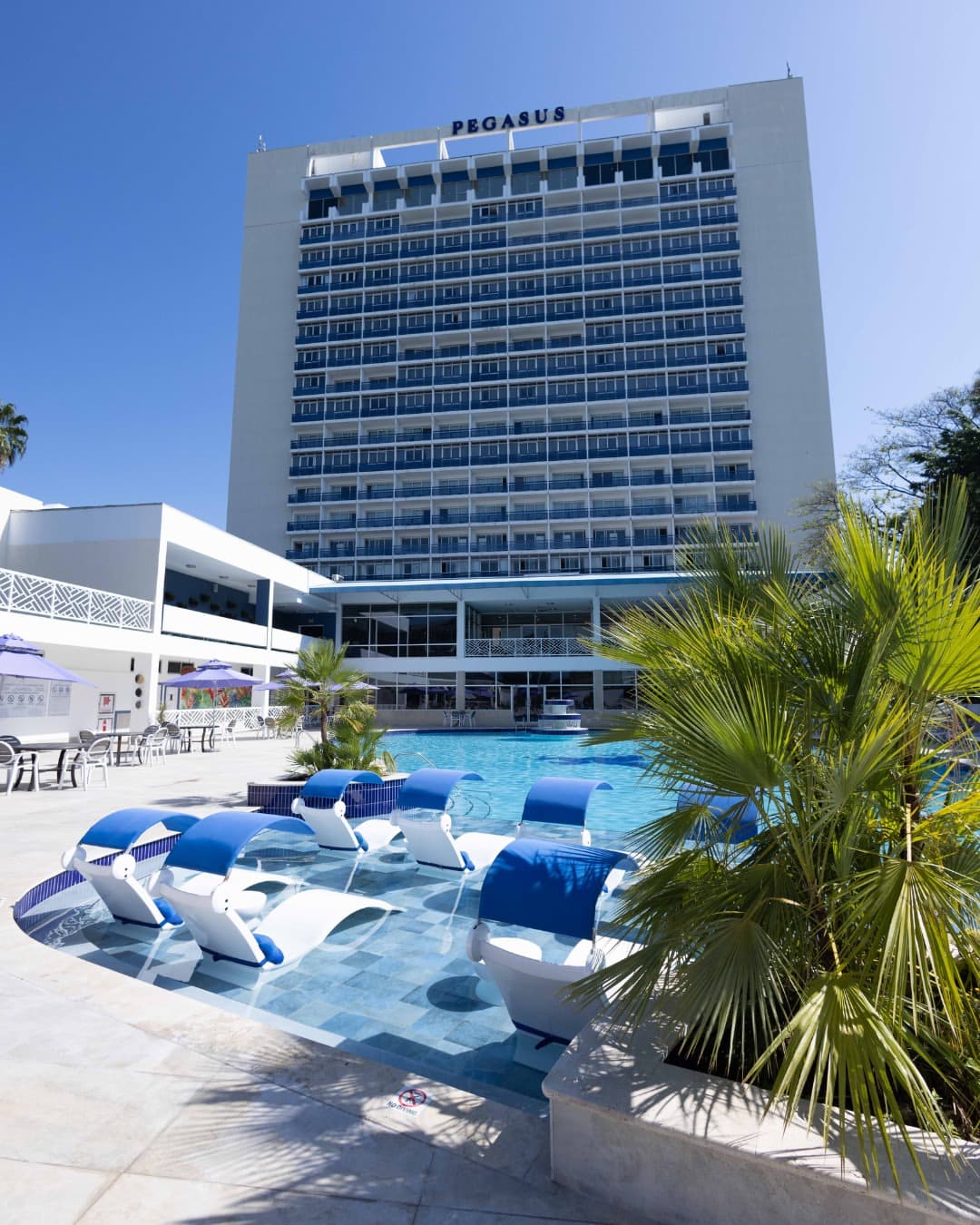
Held in March at the St. Kitts Marriott Resort, WIDECAST’s AGM 2025 brought together over 80 participants committed to marine conservation. The event provided an opportunity to share update on national actions, share scientific data and make collective progress on flagship projects such as Blue Corridors for Sea Turtles, focused on preserving sea turtle migration routes and the Northwest Atlantic (NWA) Leatherback Regional Action Plan (RAP) for the Wider Caribbean, focused on protecting the leatherback in this region.
The workshops addressed fundamental themes: the fight against illegal trade, sea turtle autopsies, marine health, and the use of the EarthRanger platform for species monitoring. These exchanges illustrated WIDECAST’s key role as a network linking local actions and regional strategies.
Suriname and the Guianas in action

As Oceans Coordinator for WWF-Guianas and WIDECAST Country Coordinator in Suriname, the speaker presented a presentation entitled “Transforming regional ocean governance by combating IUU fishing and protecting marine turtles in the Guianas”.
Her presentation highlighted the one of the main challenges towards the decline of the leatherback which is illegal, unreported and unregulated (IUU) fishing, as well as the efforts undertaken to address them, including:
Strengthening fisheries governance frameworks ;
Enhanced surveillance and information sharing in the field;
Protecting spawning beaches and migration corridors;
Adapting to the impacts of climate change;
Updating Suriname’s Sea Turtle Recovery Plan (STRAP).
The Guianas are thus positioning themselves as a driving force for sustainable, concerted ocean governance on a Caribbean scale.

Local action for regional impact
Suriname’s contribution underlined the extent to which threats to marine biodiversity transcend national borders. The conservation of marine turtles, a migratory species par excellence, calls for coordinated, cross-functional responses.
This dynamic is illustrated by the Northwest Atlantic (NWA) Leatherback Regional Action Plan (RAP) for the Wider Caribbean and the Blue Corridors project and the commitments made collectively. Against a backdrop of increasing pressure on marine ecosystems, the future of conservation will require greater cooperation, science-based decisions and a genuine sense of the common good.