[SEATRADE 2025] Turks and Caicos – Weaving human experiences, preserving the soul of the islands

Turks and Caicos

Turks and Caicos asserts its identity as a lively, welcoming archipelago

At Seatrade Cruise Global 2025 in Miami, Turks and Caicos highlighted what makes them unique in the Caribbean: an authentic welcome, a unique island diversity and a deep respect for their natural and cultural environment.
Through the voices of the Tourism Board: Experience Turks and Caicos and the Ministry of Tourism, the archipelago affirms its ambition: to offer authentic experiences for every visitor, while accompanying the growth of the cruise business in a sustainable manner.

Human warmth at the heart of the experience - The view from the Comité du tourisme

For Alverson Lewis, Senior Tourism Development Manager at Experience Turks and Caicos (the Tourism Board), authenticity is the soul of local tourism.

We want every visitor to feel welcomed like a member of the family,” he confides.
Beyond the paradisiacal beaches, the real wealth of the archipelago lies in the warmth of its people and the unique personality of each island.

Each island tells a different story:

  • Grand Turk, steeped in history,

  • Salt Cay, guardian of traditions,

  • Providenciales, famous for its pristine beaches,

  • South Caicos, an unspoilt natural sanctuary.

We don’t sell a product, we share a story,” says Alverson Lewis.

🎯 Its aim: to preserve the authenticity of the archipelago, while developing new activities that invite visitors to go beyond the port.

Turks and Caicos

Diversifying and enriching the cruise experience - The Ministry of Tourism's strategy

For Arthur Been, Deputy Permanent Secretary at the Ministry of Tourism, cruises are a pillar of the tourism economy in the TCI – but their development must remain harmonious.

Today, the archipelago welcomes over a million cruise passengers a year, mainly via Grand Turk, which offers a rare feature:
a port located just a stone’s throw from a dream beach.

Arthur Been insists on the need to make the archipelago’s hidden treasures better known:

  • A fascinating historical heritage, linked to the first voyages of Christopher Columbus, John Glenn and the American War of Independence,

  • Authentic experiences to strengthen the bond between visitor and territory.

We’re working to create more excursions, more immersive activities, to reveal who we really are,” he explains.

🎯 Its ambition: to continue to exceed visitors’ expectations, without ever betraying the authenticity and natural beauty of the islands.

Turks and Caicos

Turks and Caicos, authenticity as a signature

At Seatrade Cruise Global 2025, Turks and Caicos confirmed their vision:
to make every cruise more than just a stopover, but a true immersion in a preserved Caribbean, welcoming and full of history.

With its warm welcome, island diversity and preservation of authenticity, the archipelago is charting its course: growing without ever denying its soul.

Turks and Caicos
Turks and Caicos
Turks and Caicos
Turks and Caicos

Leave a Reply

Your email address will not be published. Required fields are marked *

More articles from RK

Caribbean Cinema
FILM & VIDEO
Tolotra

Stories of Caribbean Cinema, Maroon Culture, Transmission, and the Imagination. Texts by Guillaume Robillard. Ciclic, 2026

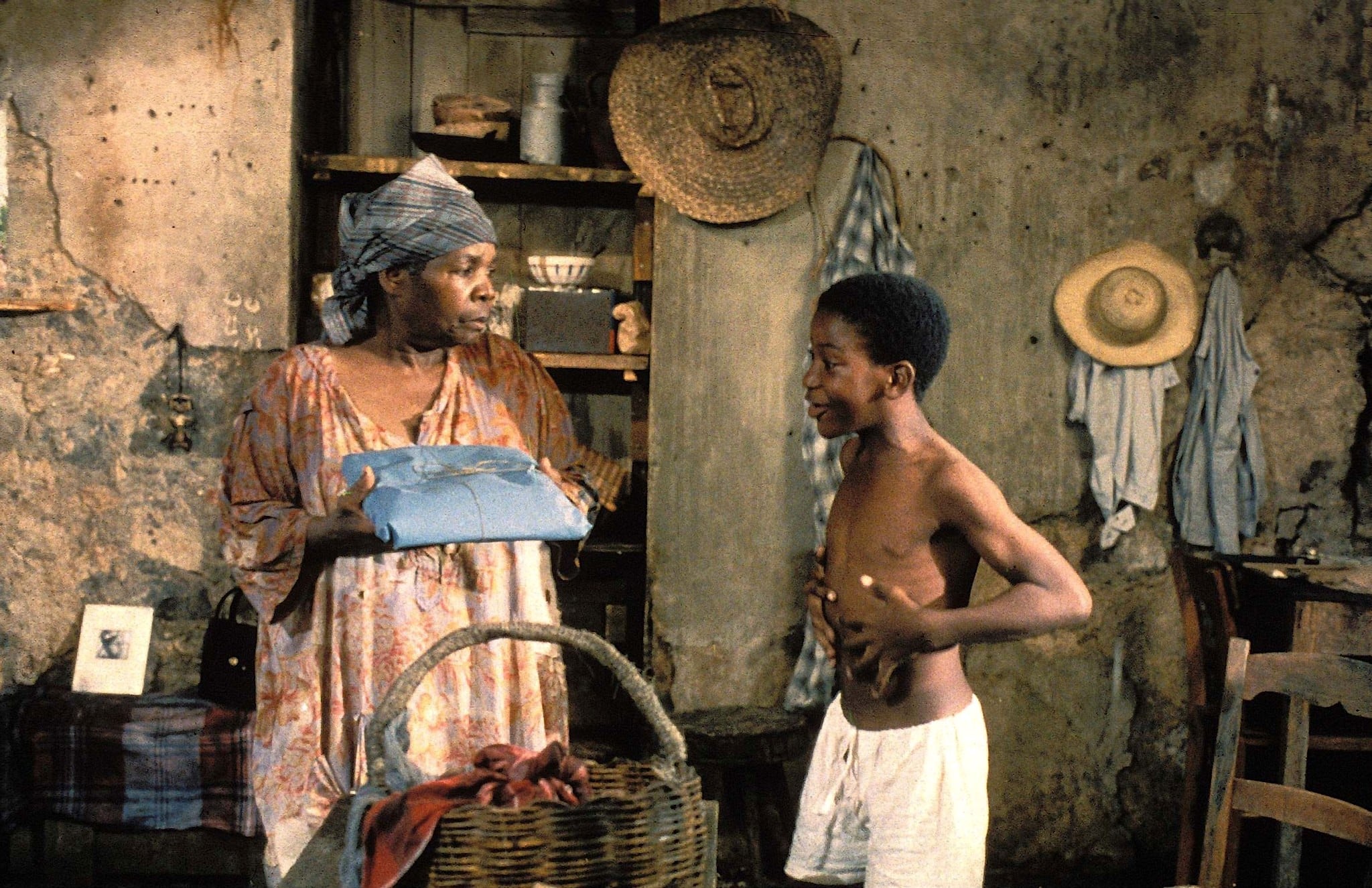
The history of Caribbean cinema continues its journey through the 1980s. After three episodes devoted to the early developments of several cinematic movements in the region, this fourth installment brings together two films from Martinique and one from Curaçao. From the “marronnage” in *Le Sang du flamboyant* to the international trajectory of *Rue Cases-Nègres*, and on to the unique worldof *Almacita di Desolato*, these three works explore different relationships to memory, oral tradition, Africa, and Caribbean imaginaries. This article is the fourth installment in a series of ten. The first three are already available on Richès Karayib, and six more will continue this story through the 2020s. 1981: MARTINIQUE — *The Blood of the Flamingo*, by François Migeat This film is unique in Caribbean cinema. Indeed, its director is a “Metropolitan” (that is, a white man from mainland France who had no deep-rooted ties to the French West Indies) who
Read More »
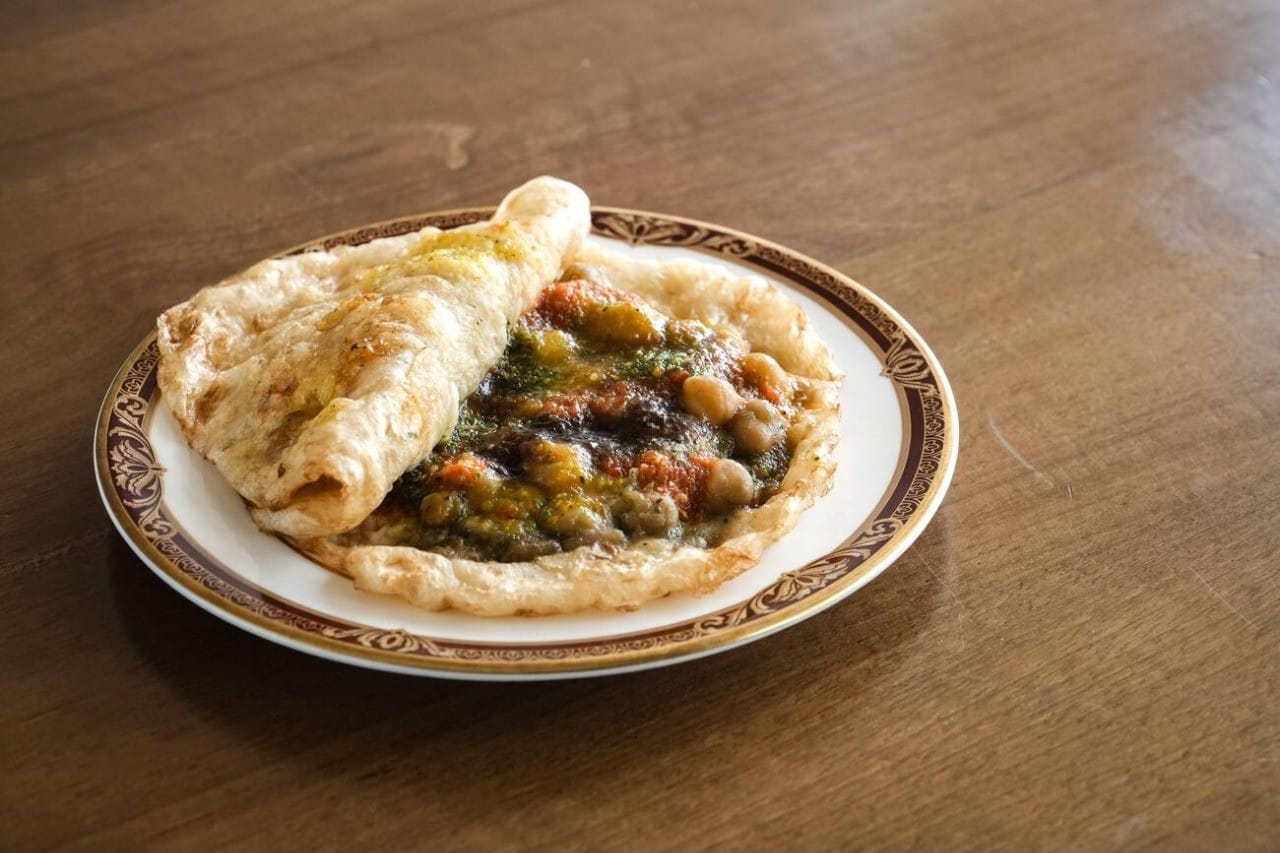
Doubles, plat de rue de Trinité-et-Tobago composé de deux baras frits et de pois chiches au curry
CULINARY ART
Tolotra

Doubles: The Story of Emamool Deen Behind Trinidad’s Street Food Dish

In Princes Town, in southern Trinidad and Tobago, the “doubles” were born in 1936 from a simple gesture: a customer asking for a second piece of bread. At the time, Emamool Deen and his wife Rasulan were selling curry chickpeas on a single piece of fried bread, unaware that they were inventing the country’s most iconic street food. Nearly a century later, doubles still tell the story of Indo-Trinidadian heritage through this chickpea sandwich, which has become a national symbol. A Morning in Princes Town, 1936 At 4:00 a.m., in a courtyard in Princes Town, in the southern part of Trinidad and Tobago, Rasulan Deen lights the fire that will heat the coconut oil. Her husband, Emamool Deen, is boiling the chickpeas that the couple was able to buy by selling a goat, the only possession they had. The year is 1936, and according to oral tradition preserved by several
Read More »
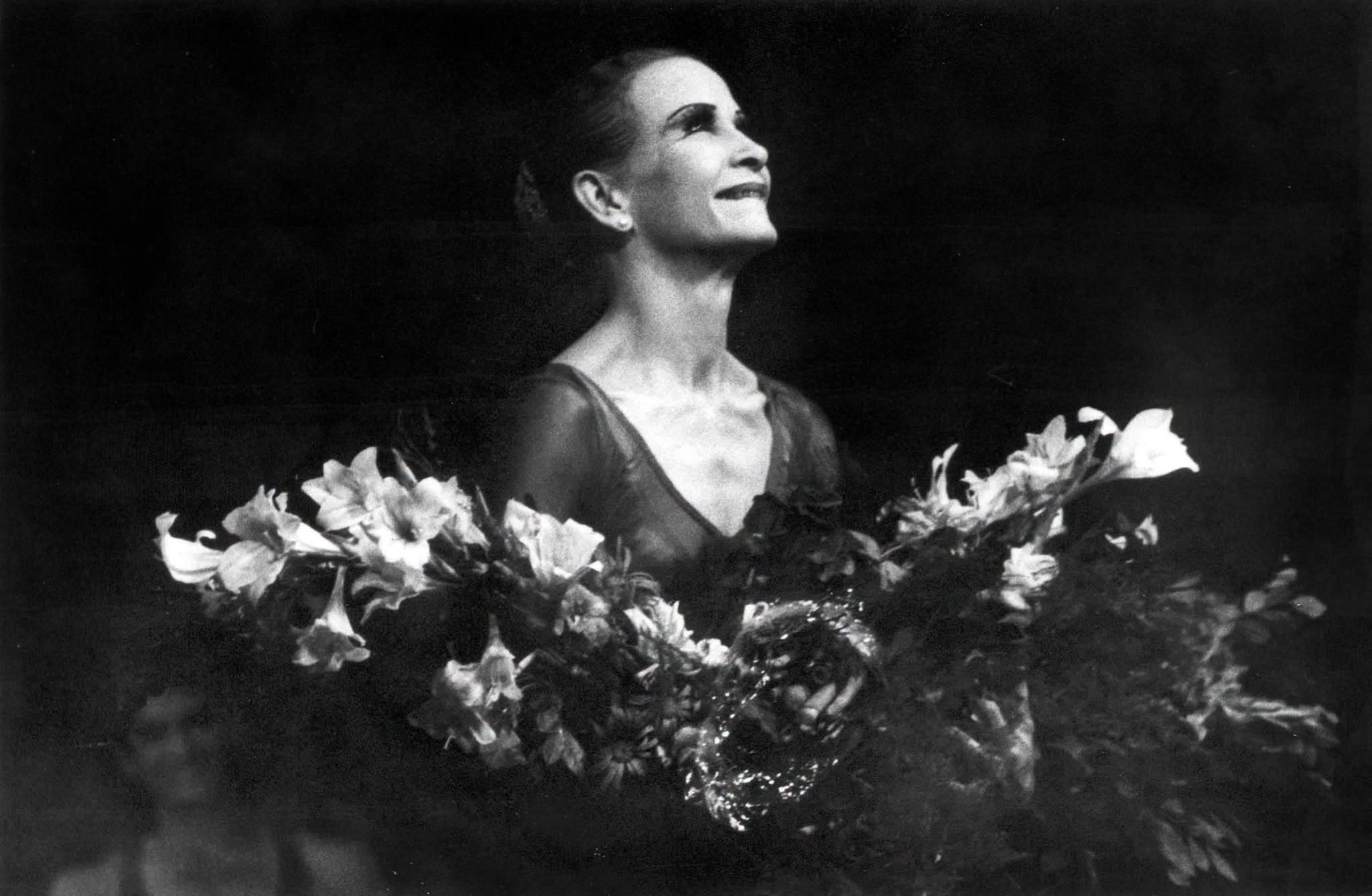
María Elena Llorente recevant un hommage floral, Ballet Nacional de Cuba
DANCE
Tolotra

María Elena Llorente: 50 Years of Ballet in the Service of Cuba

In May 1977, a Cuban dancer took the stage in New York with the Alvin Ailey Dance Theater. In the audience that evening, actor Harry Belafonte watched the performance and would later describe the evening as a significant historical event. This dancer’s name was María Elena Llorente, prima ballerina and ballet mistress of the Ballet Nacional de Cuba. Her career spans fifty years of dance, spent almost entirely with a single company—the one founded by Alicia Alonso in Havana—on an island where, over the decades, classical ballet has become as much a source of national pride as it is an art form. María Elena Llorente, of the Sociedad Pro-Arte at the National Academy It all began at the Sociedad Pro-Arte Musical, a school in Havana where young Cuban women learned the basics of classical ballet even before the official founding of the national ballet company. María Elena Llorente then continued

Read More »

conTACT RK

we'd love to have your feedback on your experience so far

Join The List

Join our Richès Karayib community!  Sign up for our newsletter.

Want To Maximize Your Business Presence On Riches Karayib?

Complete the form to start the application