World Environment Day: Beating plastic pollution, an urgent challenge for the Caribbean

World Environment Day

A crucial event celebrated yesterday

Yesterday’s World Environment Day in the Caribbean brought together citizens, decision-makers and experts to take stock of the fact that this region, a treasure trove of biodiversity, is also one of the most threatened on the planet. The 2025 edition, centered on the theme of “Beating Plastic Pollution”, highlighted the imperative need for action to preserve the Caribbean Sea and its fragile ecosystems. Here, the mobilization goes beyond the symbolic: it responds to a vital urgency, so intertwined are the environmental, economic and health issues.

The Caribbean, a hotspot of biodiversity... and vulnerability

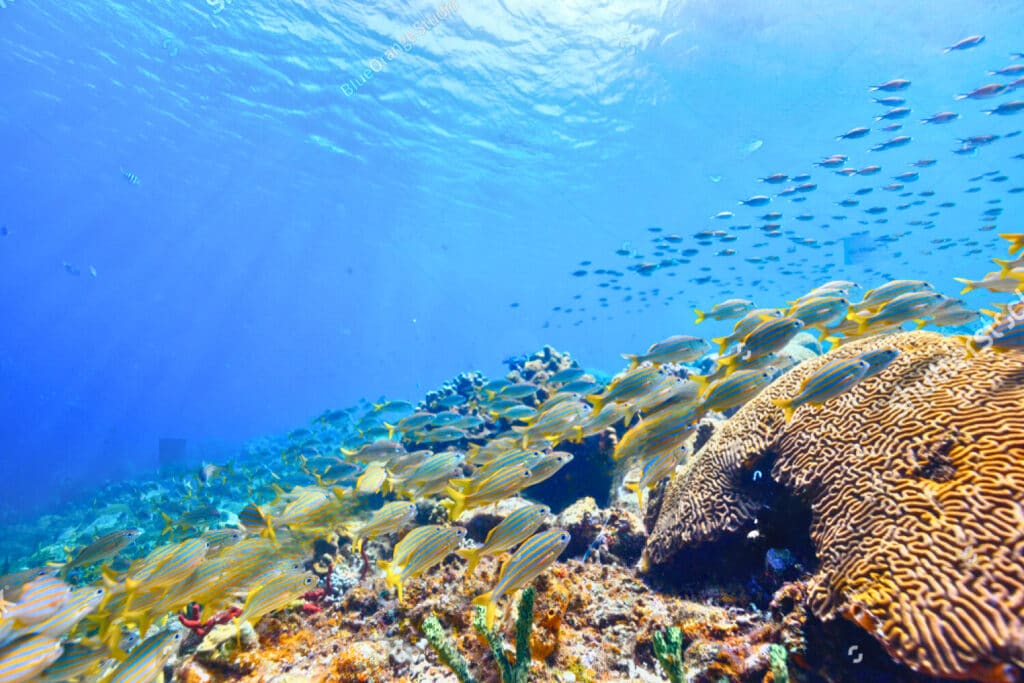
World Environment Day is a reminder that the archipelago is home to over 1,500 endemic plant species, but also holds a sad record for the number of endangered species among the world’s major biodiversity hotspots. Every year, around 11 million tonnes of plastic waste reach the oceans, a significant proportion of which ends up in the Caribbean Sea. Climate change, coastal urbanization and pollution are exacerbating the degradation of mangroves, coral reefs and beaches, jeopardizing fishing, tourism and food security.

World Environment Day

Plastic pollution: the Caribbean Sea on the front line

The warning issued by CARICOM on World Environment Day is unambiguous: plastic pollution is now a daily scourge. Sea turtles, fish, birds and coral are directly affected. The economic consequences are severe: damaged fishing nets, loss of equipment, high clean-up costs. In Haiti, this pollution is jeopardizing the food security of millions of people. Fourteen Caribbean countries have already banned disposable plastic bags and polystyrene, but efforts still need to be stepped up.

World Environment Day

Climate change: pressure intensifies

The region’s extreme vulnerability to climate change was widely emphasized. In Martinique, sea levels could rise by 40 to 60 cm by the end of the century. The expected impacts on coastlines, biodiversity and infrastructures are major. Coral bleaching, the disappearance of mangroves and an increase in the number of cyclones will seriously upset the balance between land and sea. Reducing energy consumption and containing urban sprawl have become priorities for limiting our ecological footprint.

World Environment Day

Concrete local solutions to reverse the trend

Saving water and energy: simple gestures for a lasting impact

World Environment Day in the Caribbean encourages everyone to adopt responsible practices: short showers, leak repairs, energy-saving equipment. In Martinique, the goal of 100% renewable energy by 2030 is based on a collective determination to reduce consumption. Every gesture counts to ease the pressure on already fragile resources.

Restoring ecosystems: planting, protecting, anticipating

Planting trees stabilizes soil, slows erosion and promotes biodiversity. Across the region, citizen initiatives are springing up to plant mangroves, restore coastal areas and enhance the value of native species. These actions strengthen resilience in the face of climatic hazards.

World Environment Day

Reducing plastics: a collective commitment

The fight against single-use plastics remains a key priority. Refusing superfluous packaging, adopting reusable bags and sorting waste are reflexes that need to be spread. Beach clean-up campaigns run by associations and schools bear witness to growing awareness. In Guadeloupe, the CARIAN project plans to set up an air and environmental quality monitoring network by September 2025, to reinforce prevention and guide public policy.

World Environment Day

Relying on expertise and innovation

The ecological transition cannot be based on individual behavior alone. It requires structuring decisions by governments, researchers, local authorities and the private sector. Developing green infrastructure, encouraging the circular economy, supporting environmental start-ups: these are all levers for building sustainable growth. Public policy must provide a favorable framework for these initiatives.

Collective mobilization: the key to a viable future

World Environment Day in the Caribbean demonstrated that mobilizing everyone is essential. Governments, businesses, researchers, citizens: everyone has a role to play. Recent advances – plastics bans, biodiversity projects, monitoring systems – show that solutions do exist. But they need to be reinforced and coordinated, against a backdrop of demographic pressure, economic crises and extreme climatic phenomena. Regional solidarity is an essential lever for building a coherent adaptation strategy.

A lever for the future

World Environment Day in the Caribbean, celebrated yesterday, was a reminder of the urgent need for action and the importance of collective commitment. Preserving the Caribbean means protecting a unique natural heritage, guaranteeing sustainable food security and providing a future for generations to come. Rejecting unnecessary plastics, conserving resources, replanting fragile areas, supporting ambitious policies: these are all concrete actions within everyone’s reach. To make every day World Environment Day is to choose to build a strong, united and sustainable Caribbean.

Journée mondiale

Leave a Reply

Your email address will not be published. Required fields are marked *

More articles from RK

Philippe Faure-Brac
NEWS
Tolotra

Philippe Faure-Brac at Habitation Clément: Martinique rum as seen by a great sommelier.

Philippe Faure-Brac had never visited Habitation Clément before. World’s Best Sommelier 1992, member of the Meilleurs Ouvriers de France with honorary status since 2015, he came to Martinique to look at rhum agricole from its very place of production: the cane, the cellars, the bottling and the tasting. A first visit to Habitation Clément At Habitation Clément, in Le François, this visit had a special significance. Philippe Faure-Brac was already familiar with Clément rums, their quality positioning and their universe. He had also contributed to the book Rhum Clément, une histoire de famille, bringing his insight into the house’s aromatic precision, balance and tradition of excellence. But he lacked the experience of the place. That of the light, the temperature, the atmosphere of the winery and the exchanges with the teams. “The first time in Martinique? I was going to say finally,” he confided, recalling that he had been hoping

Read More »
Boiling Lake
TOURISM
Tolotra

Boiling Lake: 92 °C, 63 m wide, the 2nd largest bubbling lake in the world

Just 8 kilometers east of Roseau, the capital of Dominica, it’s a three-hour walk from Laudat to Boiling Lake. Three hours of humid forest, desolate valley, soil-heated rocks and sulfurous fumes. At the end of the path, a 63-metre-wide pool. Inside, the water bubbles almost continuously, with temperatures measured up to 91.6°C at the edges. It’s the second largest bubbling lake in the world. A rare phenomenon in a UNESCO park The world’s first is Frying Pan Lake in New Zealand’s Waimangu Valley. But the Dominican Boiling Lake is in a class of its own. Firstly, because it can only be reached on foot, after a demanding hike. Secondly, because it is part of a national park that has been a UNESCO World Heritage Site since 1997: Morne Trois Pitons National Park. This makes it one of the most singular geothermal phenomena protected in a world-renowned natural site. A flooded,

Read More »
Tourisme 3.0
TOURISM
Tolotra

Tourism 3.0: Jamaica wants to keep its tourist wealth

At the Montego Bay Convention Centre, the image speaks for itself. Local entrepreneurs showcase their products, hotel representatives circulate, meetings follow one another. Behind these rapid exchanges, one question weighs heavily: when tourism makes money, how much really stays in Jamaica? This is at the heart of Tourism 3.0, the new direction championed by Jamaica’s Minister of Tourism, Edmund Bartlett. At the Tourism Enhancement Fund’s 11th Speed Networking Event, he set out a clear ambition: to make tourism a more direct driver for Jamaican producers, artisans, manufacturers and suppliers. Tourism that no longer just wants to attract Jamaica knows how to welcome visitors. But the challenge is no longer just to fill hotels or increase arrivals. The real challenge is to retain more value in the territory. Edmund Bartlett has recognized a structural weakness: a large proportion of the goods and services consumed by the tourism industry are still imported.

Read More »

conTACT RK

we'd love to have your feedback on your experience so far

Join The List

Join our Richès Karayib community!  Sign up for our newsletter.

Want To Maximize Your Business Presence On Riches Karayib?

Complete the form to start the application