
World Environment Day: Beating plastic pollution, an urgent challenge for the Caribbean

World Environment Day

A crucial event celebrated yesterday

Yesterday’s World Environment Day in the Caribbean brought together citizens, decision-makers and experts to take stock of the fact that this region, a treasure trove of biodiversity, is also one of the most threatened on the planet. The 2025 edition, centered on the theme of “Beating Plastic Pollution”, highlighted the imperative need for action to preserve the Caribbean Sea and its fragile ecosystems. Here, the mobilization goes beyond the symbolic: it responds to a vital urgency, so intertwined are the environmental, economic and health issues.

The Caribbean, a hotspot of biodiversity... and vulnerability

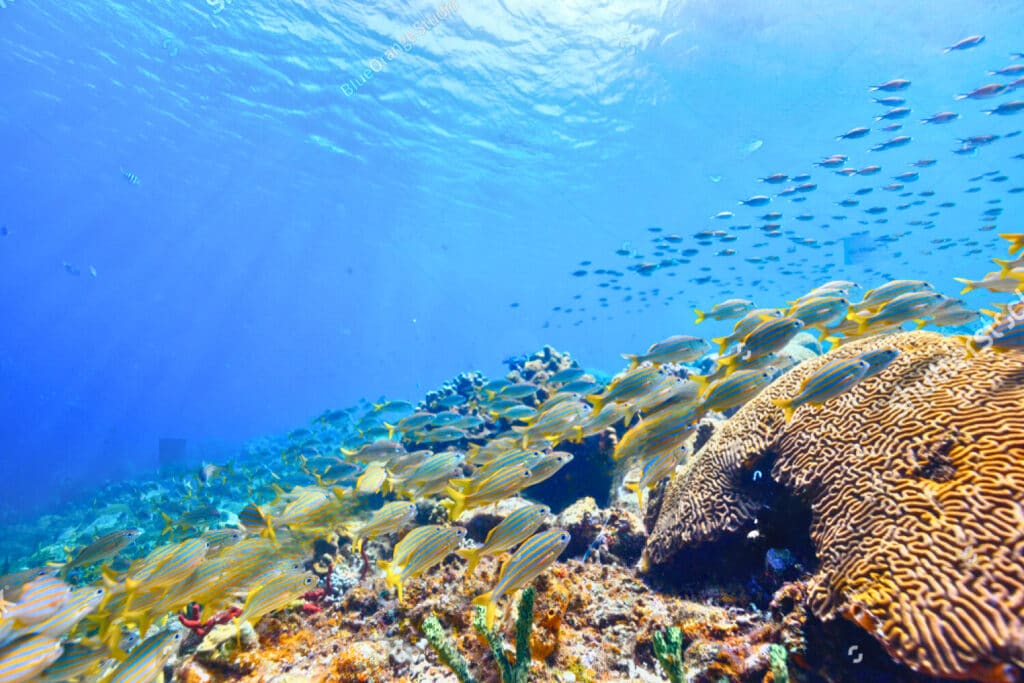
World Environment Day is a reminder that the archipelago is home to over 1,500 endemic plant species, but also holds a sad record for the number of endangered species among the world’s major biodiversity hotspots. Every year, around 11 million tonnes of plastic waste reach the oceans, a significant proportion of which ends up in the Caribbean Sea. Climate change, coastal urbanization and pollution are exacerbating the degradation of mangroves, coral reefs and beaches, jeopardizing fishing, tourism and food security.

World Environment Day

Plastic pollution: the Caribbean Sea on the front line

The warning issued by CARICOM on World Environment Day is unambiguous: plastic pollution is now a daily scourge. Sea turtles, fish, birds and coral are directly affected. The economic consequences are severe: damaged fishing nets, loss of equipment, high clean-up costs. In Haiti, this pollution is jeopardizing the food security of millions of people. Fourteen Caribbean countries have already banned disposable plastic bags and polystyrene, but efforts still need to be stepped up.

World Environment Day

Climate change: pressure intensifies

The region’s extreme vulnerability to climate change was widely emphasized. In Martinique, sea levels could rise by 40 to 60 cm by the end of the century. The expected impacts on coastlines, biodiversity and infrastructures are major. Coral bleaching, the disappearance of mangroves and an increase in the number of cyclones will seriously upset the balance between land and sea. Reducing energy consumption and containing urban sprawl have become priorities for limiting our ecological footprint.

World Environment Day

Concrete local solutions to reverse the trend

Saving water and energy: simple gestures for a lasting impact

World Environment Day in the Caribbean encourages everyone to adopt responsible practices: short showers, leak repairs, energy-saving equipment. In Martinique, the goal of 100% renewable energy by 2030 is based on a collective determination to reduce consumption. Every gesture counts to ease the pressure on already fragile resources.

Restoring ecosystems: planting, protecting, anticipating

Planting trees stabilizes soil, slows erosion and promotes biodiversity. Across the region, citizen initiatives are springing up to plant mangroves, restore coastal areas and enhance the value of native species. These actions strengthen resilience in the face of climatic hazards.

World Environment Day

Reducing plastics: a collective commitment

The fight against single-use plastics remains a key priority. Refusing superfluous packaging, adopting reusable bags and sorting waste are reflexes that need to be spread. Beach clean-up campaigns run by associations and schools bear witness to growing awareness. In Guadeloupe, the CARIAN project plans to set up an air and environmental quality monitoring network by September 2025, to reinforce prevention and guide public policy.

World Environment Day

Relying on expertise and innovation

The ecological transition cannot be based on individual behavior alone. It requires structuring decisions by governments, researchers, local authorities and the private sector. Developing green infrastructure, encouraging the circular economy, supporting environmental start-ups: these are all levers for building sustainable growth. Public policy must provide a favorable framework for these initiatives.

Collective mobilization: the key to a viable future

World Environment Day in the Caribbean demonstrated that mobilizing everyone is essential. Governments, businesses, researchers, citizens: everyone has a role to play. Recent advances – plastics bans, biodiversity projects, monitoring systems – show that solutions do exist. But they need to be reinforced and coordinated, against a backdrop of demographic pressure, economic crises and extreme climatic phenomena. Regional solidarity is an essential lever for building a coherent adaptation strategy.

A lever for the future

World Environment Day in the Caribbean, celebrated yesterday, was a reminder of the urgent need for action and the importance of collective commitment. Preserving the Caribbean means protecting a unique natural heritage, guaranteeing sustainable food security and providing a future for generations to come. Rejecting unnecessary plastics, conserving resources, replanting fragile areas, supporting ambitious policies: these are all concrete actions within everyone’s reach. To make every day World Environment Day is to choose to build a strong, united and sustainable Caribbean.

Journée mondiale

Leave a Reply

Your email address will not be published. Required fields are marked *

More articles from RK

Stephen Cat Coore
MUSIC
Tolotra

Jamaica – Reggae legend Stephen Cat Coore dies aged 69

Stephen Cat Coore died at the age of 69, leaving the Caribbean bereft of one of its most consistent and demanding artisans. Guitarist, singer, composer and co-founder of the group Third World, he embodies a singular trajectory in the history of Jamaican music: that of a creator who chose continuity, rigor and thoughtful openness rather than rupture or effect. His death is not just that of a renowned musician. It marks the loss of a cultural landmark, of a man who knew how to think of reggae as a space for dialogue between Caribbean heritage and the global circulation of sounds. A musical heritage steeped in Jamaican history Stephen Cat Coore was born in a Jamaica where music was already structuring the collective narrative. Son of Bunny Ruggs, a member of the Maytals, he grew up in the shadow of a heritage shaped by ska, rocksteady and the first expressions

Read More »
Karen VIRAPIN
AIR
Tolotra

Karen VIRAPIN: Air Caraïbes’ first female CEO from the French overseas territories

Appointed Deputy CEO in January 2026, Karen Virapin becomes the first woman from the French overseas territories to reach this level of governance withinAir Caraïbes. A major development for the airline, but also a strong signal for the Caribbean air transport sector. Beyond the symbolism, this appointment raises a central question: what concrete impact could it have on governance, social dialogue, the regional network and service quality? An appointment that reflects continuity, but not stasis Having been with the company for fourteen years, Karen Virapin is no parachute. A former Director of Human Resources, Karen Virapin has been involved in all the company’s structural transformations: organizational changes, workforce growth, adaptation to the economic and social constraints of the airline industry. Her appointment to the position of Managing Director is therefore a logical step in the company’s continuity. But continuity does not mean standstill. In a sector as exposed as air

Read More »
Rara
HISTORY & HERITAGE
Tolotra

Haiti – Rara: street music, spirituality and social protest

The Haitian Rara is neither processional music nor seasonal entertainment. It is a structuring social fact. It’s rooted in the country’s history, religious practices, social hierarchies and modes of protest. Present in the streets, on the roads, in towns and outlying districts alike, Rara articulates sound, movement and speech in a collective logic that goes far beyond musical performance. In Haiti, Rara is part of a precise temporality, mobilizing entire communities and transforming public space into a place of ritualized expression. It is at once a spiritual practice, a social organization and a popular language. Rara: a collective practice before being a musical genre It cannot be understood as a simple sound style. It functions as a cultural season and a collective scheme. For several weeks, bands organize themselves, rehearse, build their instruments, prepare their routes and appearances. This preparation involves responsibilities, defined roles and an internal hierarchy that structure

Read More »

conTACT RK

we'd love to have your feedback on your experience so far

Join The List

Join our Richès Karayib community!  Sign up for our newsletter.

Want To Maximize Your Business Presence On Riches Karayib?

Complete the form to start the application