Quebec/Guadeloupe – Air Transat opens a new route: Quebec-Guadeloupe, a decisive shift for tourism

Air Transat

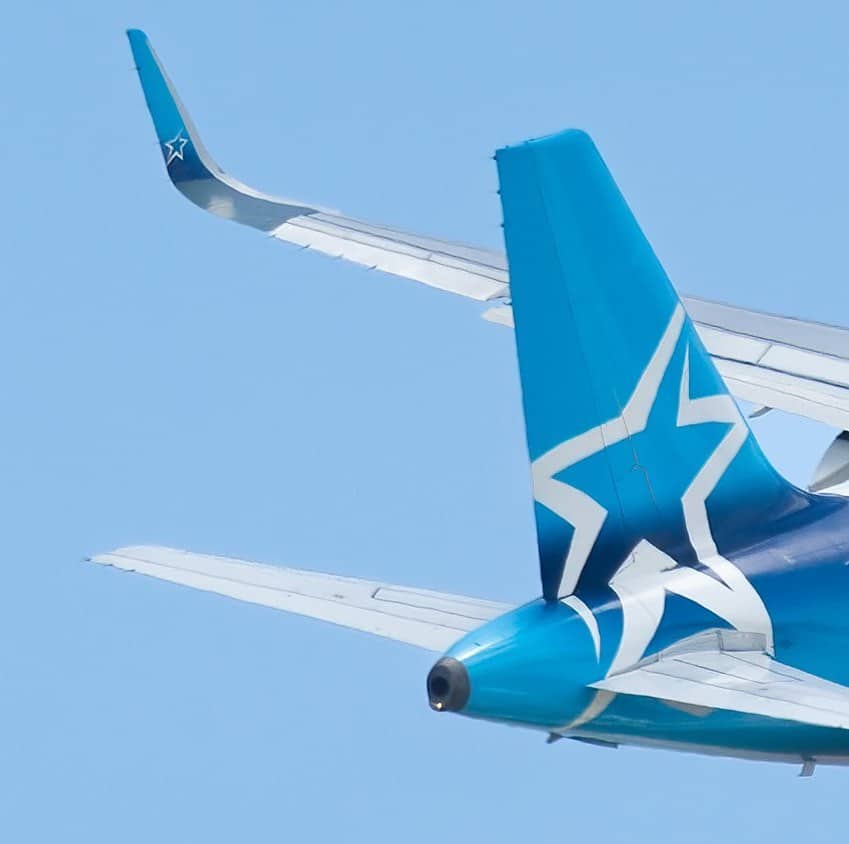
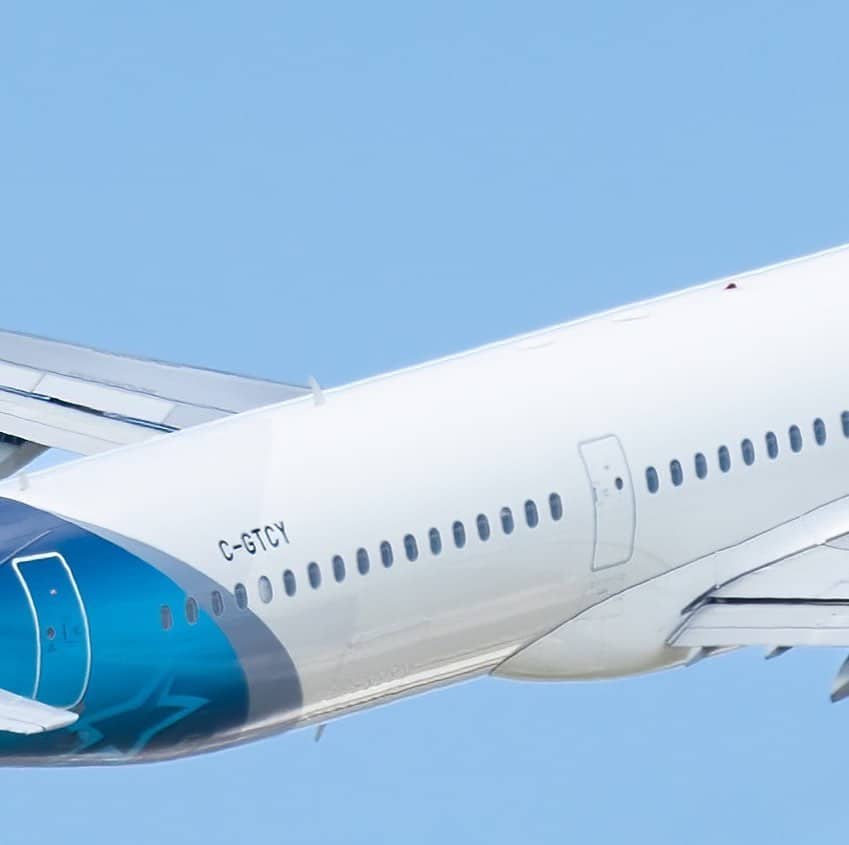
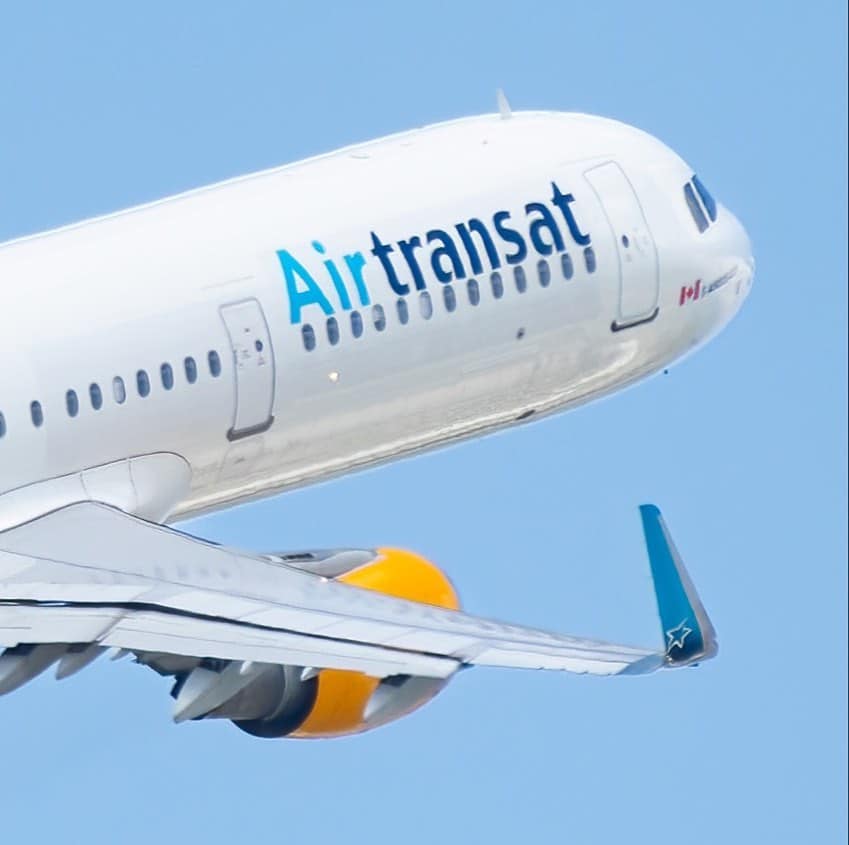
Air Transat is set to transform connectivity between Quebec and Guadeloupe with the opening, in February 2026, of a weekly direct flight between Quebec City and Pointe-à-Pitre.

A strategic advance between two worlds

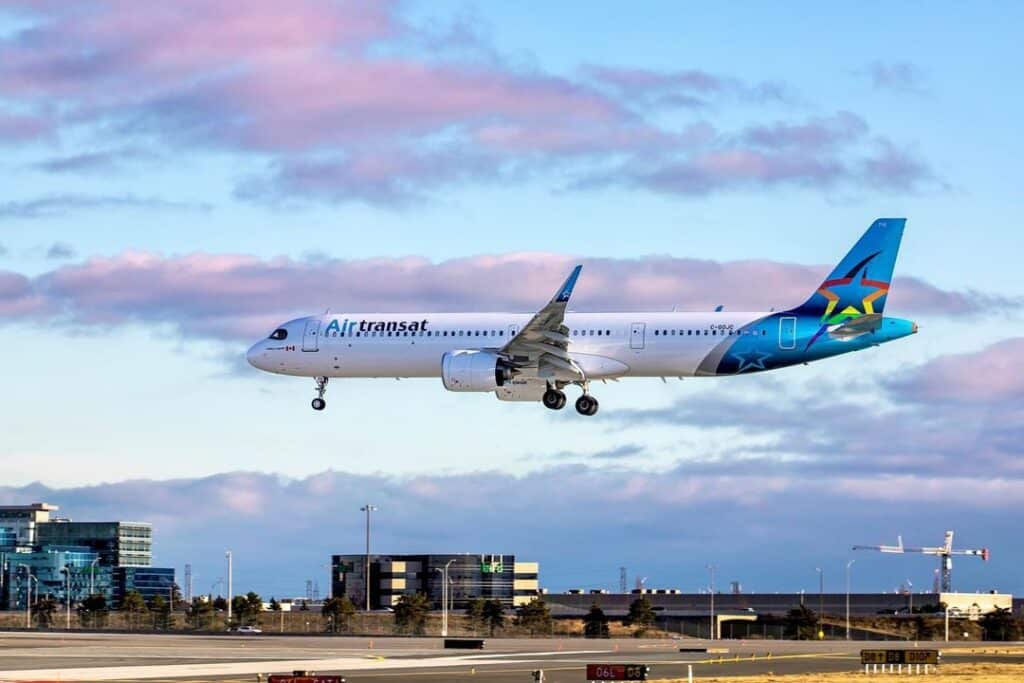
February 18, 2026, Air Transat will launch a direct service between Quebec City’s Jean-Lesage airport and Guadeloupe, operated by Airbus A321LR. This six-hour weekly flight will mark a major step in the development of tourism between these two French-speaking territories. Until now, travellers from the Quebec City region had to pass through Montreal or other air hubs. This new flight eliminates these stopovers, simplifying the journey and opening up Guadeloupe to a public that has hitherto been less represented.

Behind this decision lies a clear desire: to reposition Air Transat as an innovative player, capable of anticipating the expectations of travellers in search of authenticity, accessibility and meaning.

Air Transat
Air Transat
Air Transat
Air Transat
Air Transat
Air Transat

A direct response to a concrete request

Over the past few seasons, booking data have shown growing interest in Guadeloupe from Quebec City. The bitter cold of the Canadian winter, the desire to get away from it all, and the appeal of Creole culture have created a market potential that, until now, has been under-exploited. In response to this dynamic, Air Transat offers direct access to the archipelago, reducing both logistical constraints and costs.

This new link comes at just the right time: it will redistribute tourist flows within Canada, relieving congestion on departures from Montreal and broadening the Caribbean offer to a wider clientele.

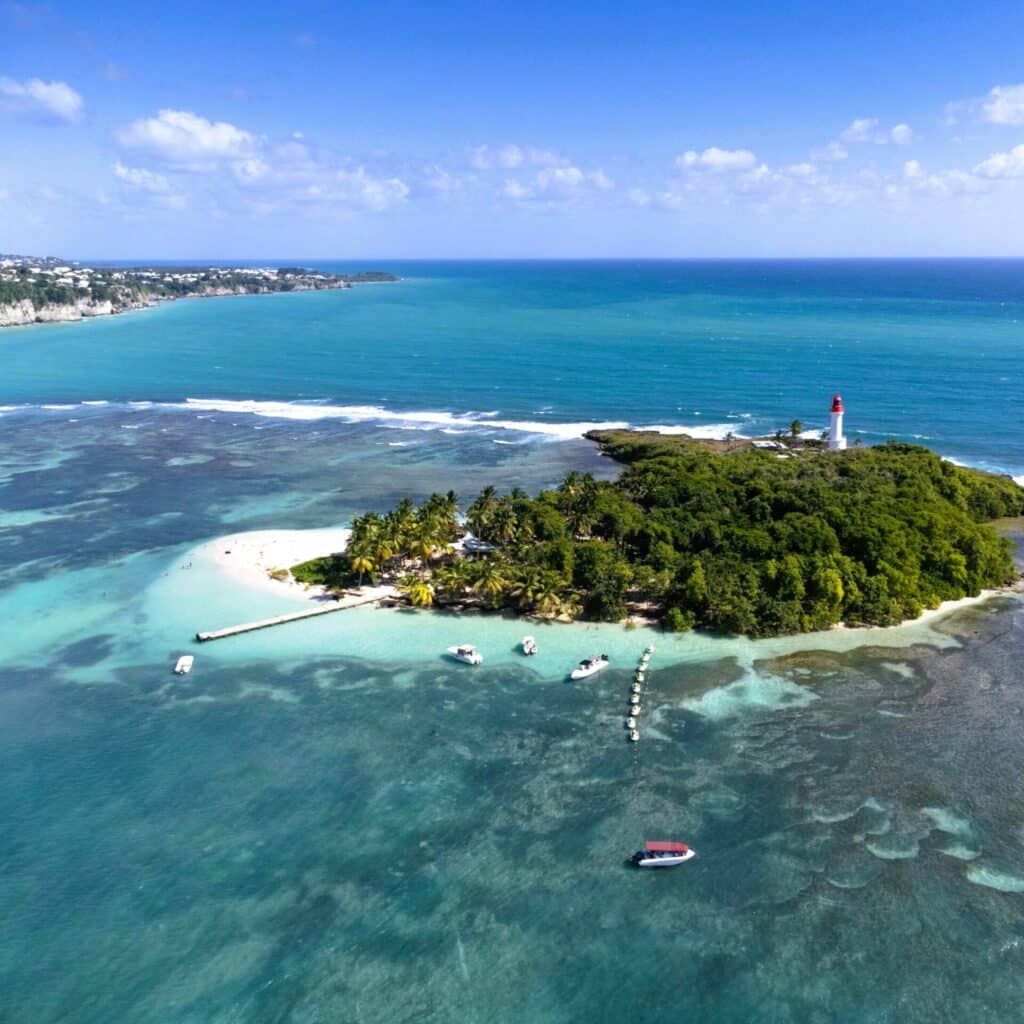
Guadeloupe from a bird's eye view

Air Transat
Air Transat

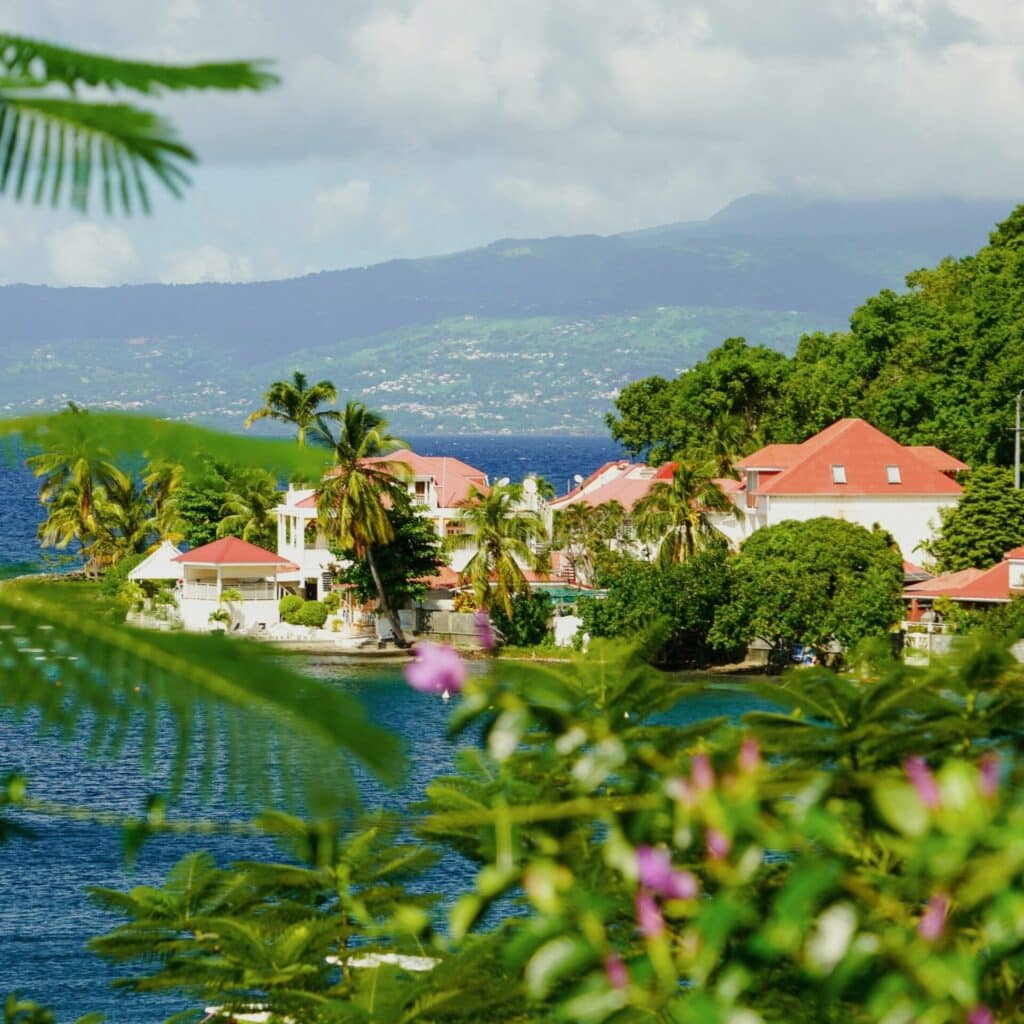
Guadeloupe is a destination with character, seduced by its natural contrasts – beaches, volcanoes, tropical forests – and its cultural richness. Thanks to this new link, Quebecers will now have direct access to a territory where spectacular nature, living traditions, tasty cuisine and sincere hospitality come together.

For tourism professionals, this opening represents a unique opportunity to strengthen exchanges. Guadeloupe doesn’t just welcome tourists: it invites them to a genuine human, cultural and sensory encounter.

Air Transat
Air Transat

Expected economic benefits

The impact of this new route will not be limited to air travel. By broadening the pool of potential visitors, Air Transat will make a direct contribution to boosting the local economy: hotels, restaurants, crafts, tourist services… every link in the chain will be affected. Jobs will be created, offers redesigned, and tours adapted to this new audience developed.

This strategy also benefits local producers: by promoting Guadeloupe’s terroir to a curious clientele, it encourages the consumption of artisanal products, the discovery of typical flavors, and a better distribution of the benefits of tourism.

Air Transat

A vision consistent with environmental issues

At a time when aviation is regularly criticized for its carbon footprint, Air Transat is focusing on rationalizing its routes. By eliminating connecting flights, this route reduces overall travel emissions. It’s a step towards more responsible tourism, in line with the expectations of travellers conscious of their ecological footprint.

This approach is in line with a desire shared with local authorities to promote longer, more immersive stays, and to encourage tourism that respects the environment and host communities.

Air Transat

An ambitious strategy for Air Transat

With this new Québec-Guadeloupe flight, Air Transat confirms its diversification strategy. After consolidating its presence on the Montreal-Pointe-à-Pitre route, the company is now expanding its network to secondary cities, capitalizing on their untapped potential. This choice demonstrates a keen understanding of market needs and a capacity for innovation.

Unlike other carriers that focus on standardized destinations, Air Transat bets on originality, Francophonie and cultural added value. This orientation strengthens its brand with travelers eager to get off the beaten track.

Air Transat

Close cooperation with local players

The success of this link also relies on solid collaboration with local institutions, notably the Comité du Tourisme des Îles de Guadeloupe (CTIG) and Pôle Caraïbes airport. Together, they are developing targeted campaigns for the Quebec market, showcasing the region’s riches, and preparing a welcome adapted to this new clientele.

More than a promotional operation, this cooperation aims to build a lasting bridge between Guadeloupe and Quebec. The benefits will extend far beyond tourism: cultural exchanges, heritage enhancement, cross-fertilization of artistic creations… the prospects are numerous.

Air Transat

An opening that brings cultures closer together

French-speaking and attached to their roots, Quebec and Guadeloupe share much more than language. They share a certain vision of the world, a strong relationship with the land, and a creativity rooted in memory and everyday life. Thanks to Air Transat, these affinities can now materialize more easily.

This flight is also an opportunity to strengthen bridges between artists, entrepreneurs and educational institutions. New projects can be born from this new-found proximity. The sky is no longer a border, but a link.

By creating this direct service, Air Transat is not just adding a new route to its catalog. It is part of a sustainable transformation of regional tourism. It responds to a need, creates a desire, and redraws the map of possibilities.
February 2026: a date that will mark the beginning of a new era between Quebec and Guadeloupe.

Leave a Reply

Your email address will not be published. Required fields are marked *

More articles from RK

gwoka
HISTORY & HERITAGE
Tolotra

Gwoka, the Guadeloupean drum that UNESCO has enshrined in history

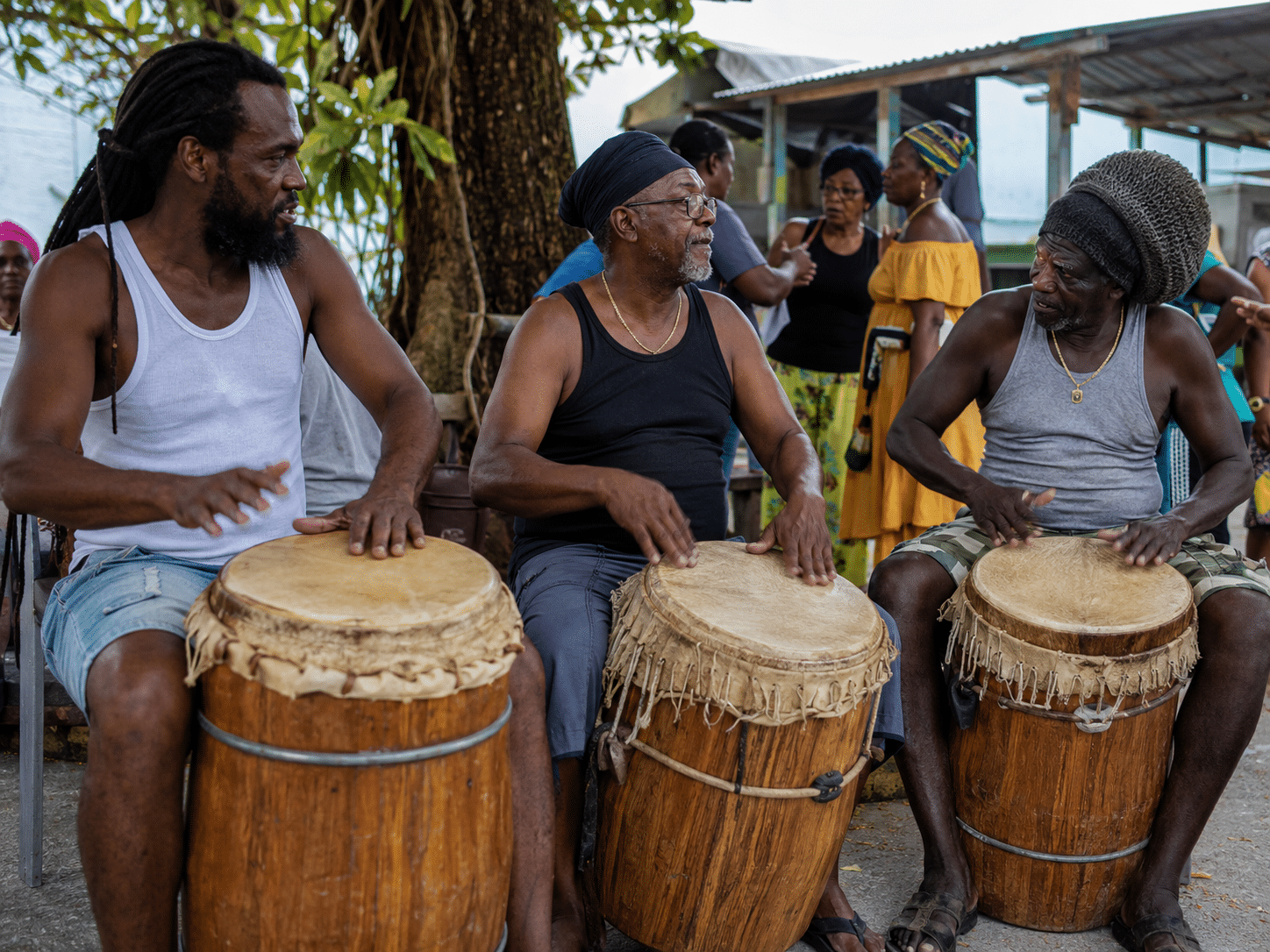
In Pointe-à-Pitre, a bronze statue depicts a seated man with a ka drum between his legs. It pays tribute to Vélo, one of the greatest masters of gwoka, the Guadeloupean music that emerged from the resistance to slavery. Since 2014, UNESCO has designated it as a World Heritage Site. A Tambouyé Turned into a Statue Marcel Lollia, known as Vélo, was born on December 7, 1931, and died on June 5, 1984. He trained several generations of ka players—a drum carved from a tree trunk and covered with a stretched skin. He also inspired Akiyo, a cultural movement advocating for identity founded in 1979, which brought gwoka out of the small circles where it was still surviving. On June 5, 2004, twenty years after his death, a statue by sculptor Jacky Poullier was unveiled in Pointe-à-Pitre, modeled after an earlier Guadeloupean portrait dedicated to another of the island’s great figures.
Read More »
Barbuda
TOURISM
Tolotra

Barbuda: More than 5,000 frigatebirds in an extraordinary lagoon.

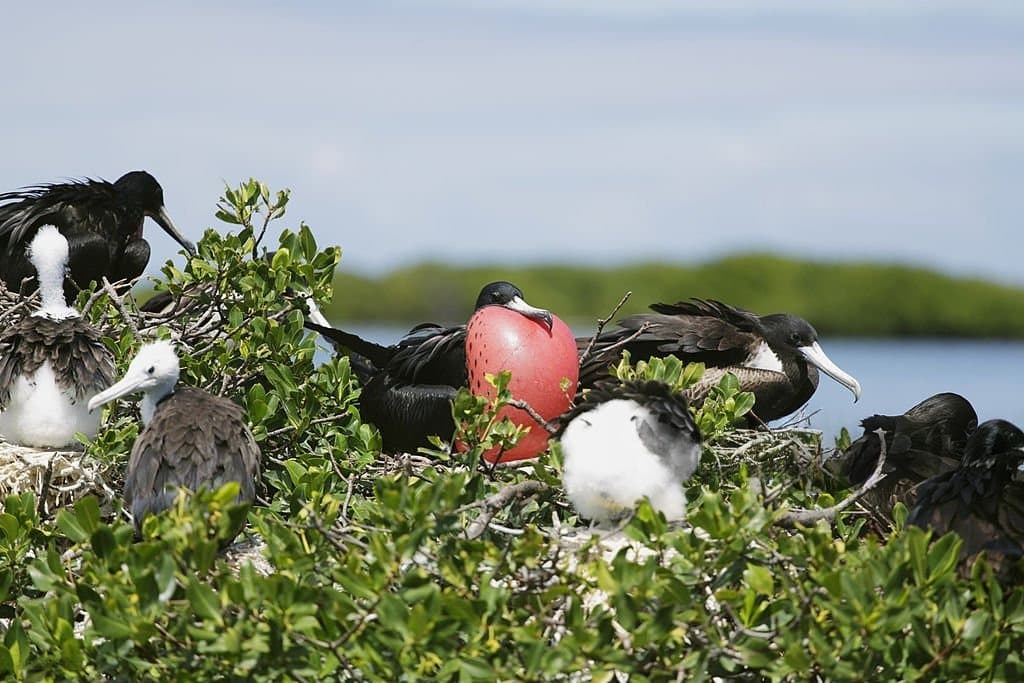
In Barbuda, the show begins even before you spot the birds. There is no road leading to the Codrington Lagoon sanctuary. You have to board a boat, travel across the water through the mangroves, and then watch as the black silhouettes of the magnificent frigatebirds (Fregata magnificens) come into view—their colony is one of the largest in the Caribbean. This fact alone is enough to reveal another side of Barbuda. Beyond its pink beaches, the island is home to a lagoon where more than 5,000 of these birds have been recorded, in a colony where a scientific survey counted 1,743 nests. Here, you discover the destination by looking up and understanding the role this lagoon plays in the balance of the entire island. A Ramsar-designated lagoon, nestled between mangroves and reefs The Codrington Lagoon covers 3,600 hectares and has been recognized as a wetland of international importance under the Ramsar
Read More »
Man Mélé
VISUAL ARTS
Tolotra

Martinique – Cécile Vernant: Behind the Scenes of “Man Mélé!” at the Senate’s Orangerie.

At the Senate Orangery, Man Mélé! took on a dimension that Cécile Vernant could not have fully anticipated before the doors opened. As the days went by, the exhibition became a space for encounters, conversations, and exchanges between artists and visitors. Surrounding the artworks, discussions revolved around Martinique and nature, but also memories, cultures, and sensibilities from far beyond the island. The calm before the crowd arrives Every morning, Cécile Vernant arrived before the park opened at 11 a.m. The garden was quiet. She would pass joggers, watch the tai chi groups among the chestnut trees, and enjoy the scent of the flowers. She loved this “calm before the storm.” A few hours later, the atmosphere would change. Cécile Vernant estimates that the Orangerie, which is about 600 m², could accommodate up to 400 visitors at its peak over the course of three to four hours. The busiest day reportedly

Read More »

conTACT RK

we'd love to have your feedback on your experience so far

Join The List

Join our Richès Karayib community!  Sign up for our newsletter.

Want To Maximize Your Business Presence On Riches Karayib?

Complete the form to start the application