Haiti – Côte des Arcadins: Natural beauty, vibrant culture and total escape.

Côte des Arcadins

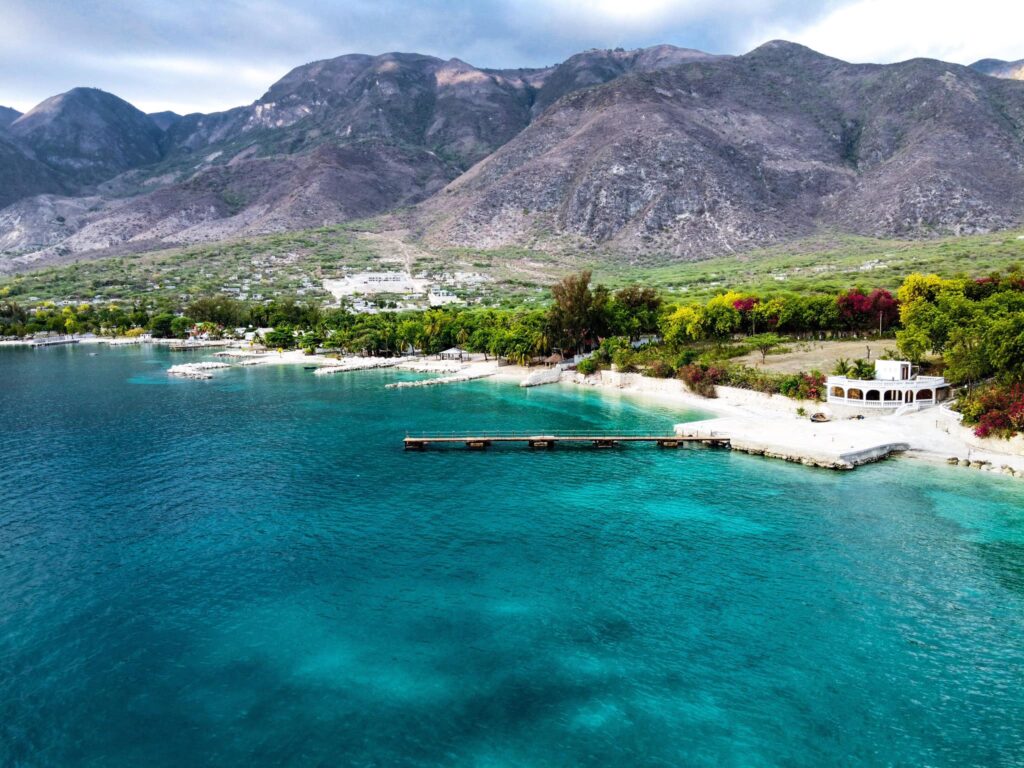
The Côte des Arcadins,Haiti’s true treasure trove, boasts a coastline as sumptuous as it is unspoilt. Just an hour’s drive from Port-au-Prince, this 19-kilometre stretch of coastline, bathed by the Gulf of Gonâve, offers a picture-postcard setting where the indigo sea embraces the white sand beaches, under the caress of the trade winds. It’s an invitation to slow down, to savor the moment, to rediscover a Caribbean on a human scale, far from the beaten track.

A natural paradise between land and sea

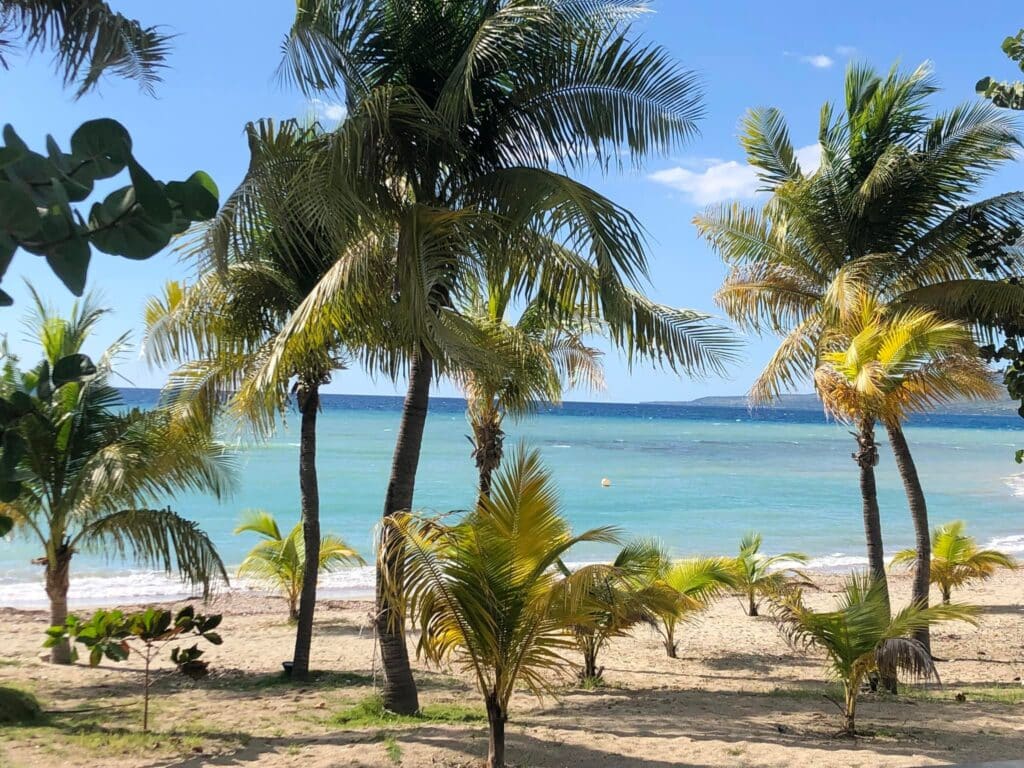
Imagine your feet in the sand, facing a turquoise sea that stretches as far as the eye can see. The Côte des Arcadins is a permanent spectacle of nature at its most beautiful. The beaches, lined with coconut palms and palm trees, invite you to relax, swim or contemplate the flamboyant sunsets. The tropical climate, mild all year round, makes this region an ideal refuge for escaping stress and getting back to basics.

And thrill-seekers won’t be left out: scuba diving, kayaking, sailing, fishing and boat trips let you explore the richness of the coastline and its seabed. Here, every day is a promise of adventure and discovery.

Côte des Arcadins
Côte des Arcadins
Côte des Arcadins
Côte des Arcadins

Exceptional biodiversity on the Arcadian coast

Beyond its beaches, the Côte des Arcadins boasts remarkable biodiversity. Mangrove forests, veritable natural nurseries, are home to a multitude of species: lobsters, shrimps, colorful fish, as well as dolphins and whales that cruise offshore during their seasonal migration. These fragile ecosystems play an essential role in preserving coral reefs, threatened by climate change, and ensuring the sustainability of local marine fauna.

Haiti, the Caribbean’s second-largest center of biodiversity, boasts a unique flora and fauna, with 75% of its animal species endemic. The Côte des Arcadins is part of this dynamic, offering visitors a rare opportunity to observe a preserved and abundant natural environment.

Côte des Arcadins
©KARIBIODIV
Côte des Arcadins
©KARIBIODIV
Côte des Arcadins
©KARIBIODIV

Unforgettable accommodations and experiences

Staying on the Côte des Arcadins means choosing from a range of accommodations that combine comfort, authenticity and breathtaking sea views. Legendary hotels such as Royal Decameron Beach Resort, Kaliko Beach, Moulin Sur Mer and Wahoo Bay Beach Club welcome travelers in search of relaxation or adventure. These establishments offer refined rooms, spas, gourmet restaurants and activities for all ages.

Want to wake up to the sound of the waves? Many hotels offer private beaches, infinity pools and family-friendly areas. The more adventurous can opt for villas or inns nestled in the vegetation, ideal for total immersion in nature.

When it comes to leisure activities, the Côte des Arcadins abounds: mini-golf, hiking, boat trips to the islets, snorkeling, birdwatching and seabed observation. There’s something for everyone, whether you’re traveling solo, as a couple, with family or friends.

Côte des Arcadins
Kaliko Beach
Côte des Arcadins
Royal Decameron Beach Resort
Côte des Arcadins
Wahoo Bay Beach Club
Côte des Arcadins
Moulin Sur Mer

Culture, Gastronomy and authentic encounters

A visit to the Côte des Arcadins is also a plunge into the heart of Haitian culture. Here, gastronomy is savored with your feet in the sand: smoked Creole fish, grilled seafood, djon-djon rice, accras and other local specialties delight the taste buds of gourmets. Every meal becomes a sensory voyage, carried away by the flavors and spices of the land.

Music and dance set the pace for local life. It’s impossible to resist the call of kompa or rara, the emblematic musical styles that make evenings on the beach so vibrant. The warm and welcoming locals are happy to share their history, traditions and love of the country with curious visitors.

Ecotourism and sustainable adventures

The Côte des Arcadins is one of Haiti’s leading ecotourism destinations. Hiking trails wind between sea and mountains, offering breathtaking panoramas and the chance to observe a variety of fauna: iguanas, tropical birds, multicolored butterflies. Local environmental protection initiatives, such as mangrove replanting and coral preservation awareness-raising, make for responsible and committed travel.

For nature lovers, discovering the offshore islets or exploring the coastal forests is an unforgettable experience. Local guides, true ambassadors of the Côte des Arcadins, share their knowledge and reveal the secrets of this unique region.

Côte des Arcadins
Côte des Arcadins
Côte des Arcadins
Côte des Arcadins

The Côte des Arcadins is much more than just a seaside destination. It’s an invitation to discover, to marvel and to meet. Whether you’re a nature lover, a lounger, an explorer or an epicurean, this corner of Haiti will seduce you and leave you with lasting memories. Let yourself be tempted by adventure, come and vibrate to the rhythm of the Côte des Arcadins, and leave with an irrepressible desire to return.

Côte des Arcadins
Côte des Arcadins
Côte des Arcadins
Côte des Arcadins
Côte des Arcadins

One Response

  1. Hello , please do joint tourism with Brazil. Connect with cities like Maceio, Recife, Salvador da Bahia, Aracaju, Sao luis, Belem, Mossoro, Natal, Joao Pessoa, Fortaleza, Northeastern Brazil is wonderful. You won’t be disappointed. I would love to see a connection with Haitian tourism. Thanks for listening

Leave a Reply

Your email address will not be published. Required fields are marked *

More articles from RK

Bonaire salt marshes: pink ponds and white salt mountains in the south of the island
HISTORY & HERITAGE
Tolotra

Bonaire: 3,700 hectares of salt marshes conceal a history of slavery

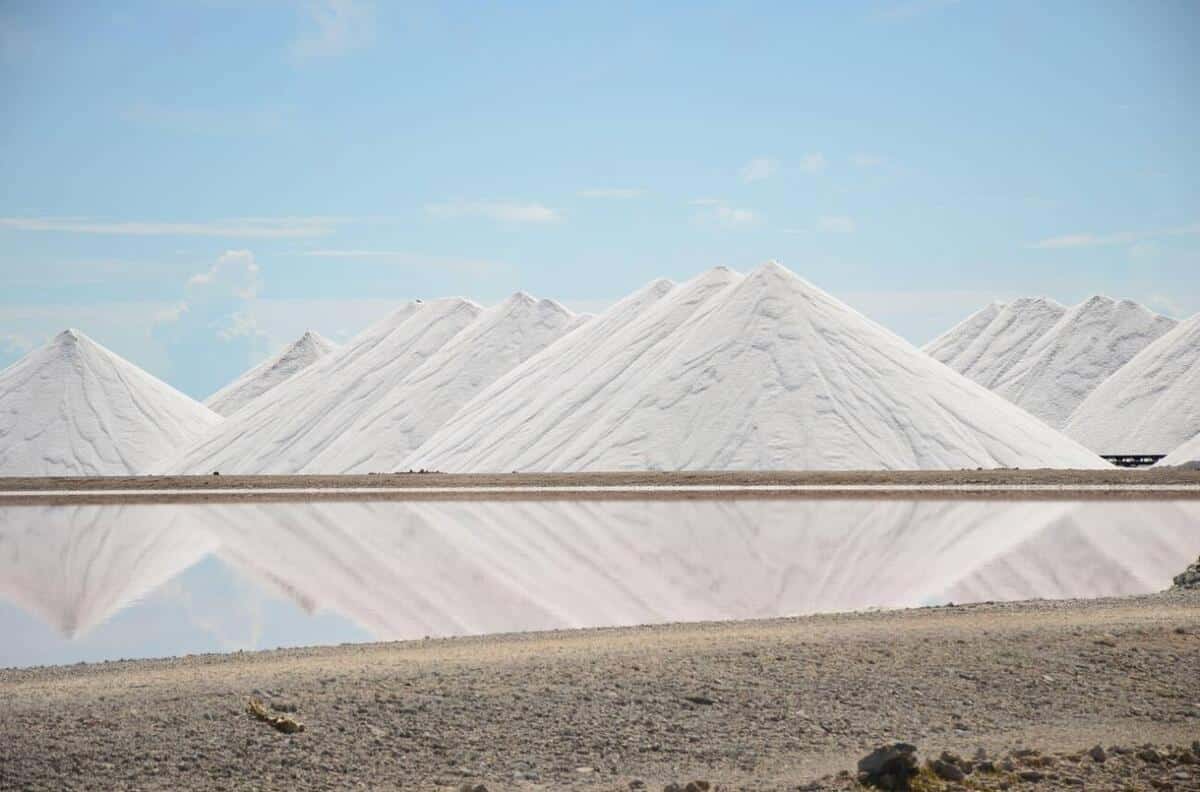
At the southern tip of Bonaire, a Dutch-speaking island in the Caribbean, the salt marshes stretch out in pink and white basins across nearly 3,700 hectares—thirteen percent of the island’s total area. This postcard view, photographed every year by thousands of visitors from the coastal road, hides a history dating back more than five centuries, the story of salt that shaped Bonaire’s economy and, for two hundred years, the lives of hundreds of enslaved people. Along EEG Boulevard, which runs along the southern coast of Bonaire, mountains of white salt come into view kilometers before you reach them. Each contains about 10,000 metric tons of salt that is 99.6% pure, piled nearly 15 meters high, with up to 200,000 metric tons stored at any given time. Their whiteness, so intense that you need to keep sunglasses handy, stands in stark contrast to the pink of the neighboring pools. The salt
Read More »
Journées européennes du patrimoine 2026
EVENT MANAGEMENT
Tolotra

European Heritage Days 2026: Martinique Opens Its Archives.

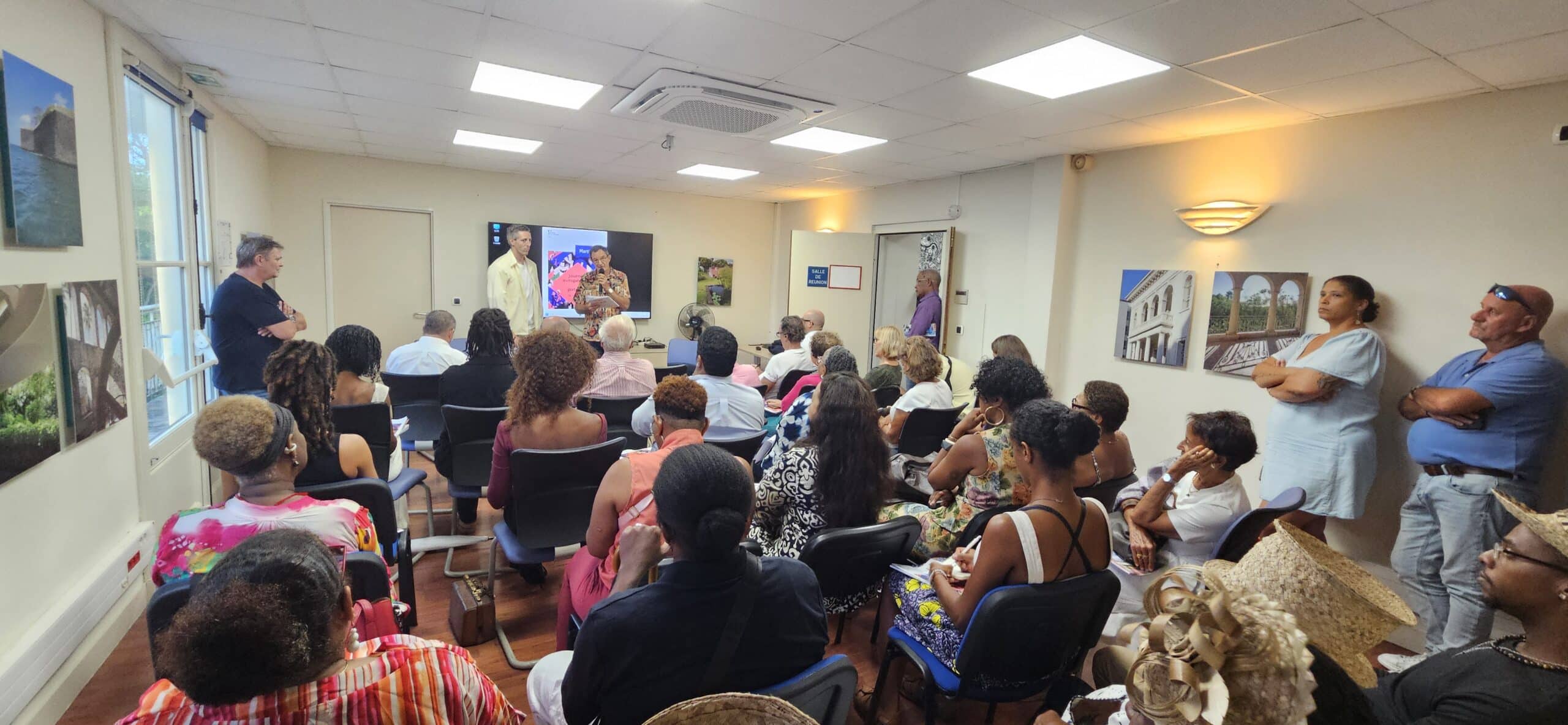
On September 15, at 5 p.m., the conference room of Martinique’s Cultural Affairs Department is already packed. Journalists, cultural leaders, organizations, artists, and heritage professionals have gathered to find out what the 43rd edition has in store. With just four days to go before the 2026 European Heritage Days , scheduled for September 19 and 20, this press conference already feels like a journey across Martinique—from its Creole huts to its lighthouses, from Saint-Pierre to the monuments we sometimes pass by without really noticing them. European Heritage Days 2026: A Lively Conference Johan-Hilel Hamel, Martinique’s director of cultural affairs, opened the meeting without putting on airs. He even warned that the evening would not be a long monologue. The conversation quickly began to flow. A representative from Les Trois-Îlets speaks, followed by Xavier Nicolas from the Directorate of the Sea, Philippe Villard from the Heritage Foundation, Florence Le Gal from

Read More »
caribbean cinema
FILM & VIDEO
Tolotra

S3/10 – Stories of Caribbean Cinema: Two Perspectives on the Year 1980. Texts by Guillaume Robillard. Ciclic, 2026.

With this third episode, *Stories of Caribbean Cinema* moves into the 1980s. The first two installments covered Cuba, Jamaica, Trinidad and Tobago, and Guadeloupe, from the 1960s through the emergence of Caribbean cinema. This time, two films made in the same year take radically different directions. In Jamaica, *Children of Babylon* explores romantic, sexual, and racial relationships with unusual freedom. In Guadeloupe, *Live Free or Die* draws on several centuries of history centered on the legacy of Commander Ignace. This article is the third installment in a series of ten. Two installments have already been published, and seven more will follow in this chronology of Caribbean cinema. 1980: JAMAICA – “CHILDREN OF BABYLON”, BY LENNIE LITTLE-WHITE This film is unique in Jamaican cinema and, more broadly, in Caribbean cinema as a whole. Far from the social deprivation of Kingston’s ghettos, in a villa in the countryside (complete with a swimming

Read More »

conTACT RK

we'd love to have your feedback on your experience so far

Join The List

Join our Richès Karayib community!  Sign up for our newsletter.

Want To Maximize Your Business Presence On Riches Karayib?

Complete the form to start the application