Saba Carnival 2025: the “Unspoiled Queen” celebrates from July 28 to August 3

Saba Carnival

Every summer, the island of Saba celebrates its carnival with a rare intensity. From July 28 to August 3, 2025, the Saba Carnival returns for a new edition, blending Caribbean traditions, community spirit and cultural richness in an exceptional natural setting.

A long-standing tradition since 1975

Saba Carnival doesn’t follow the pre-Lenten calendar like traditional carnivals. It is held in July, to enable Saban students living abroad to participate. First held in 1975, this summer festival has become an integral part of the identity of the island’s 1,500 inhabitants. It reflects the history of Saba, colonized by the Dutch in the 17th century, where African, European and Caribbean cultures have intermingled over the centuries.

In its fifty years of existence, Carnival has grown from a local celebration to an event recognized throughout the region. Today, it mobilizes all generations, in a society where family and community ties remain strong.

Saba Carnival
©Saba Carnival
Saba Carnival
©Saba Carnival

A rich, structured program

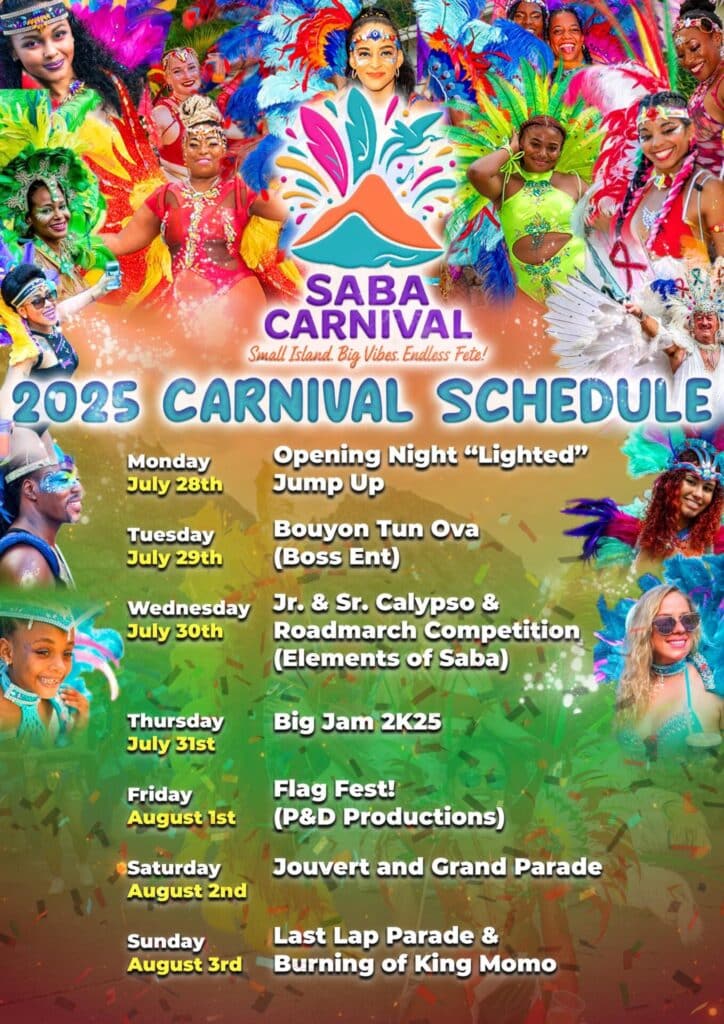
The official 2025 program, released by the local authorities, includes seven days of festivities punctuated by popular events.

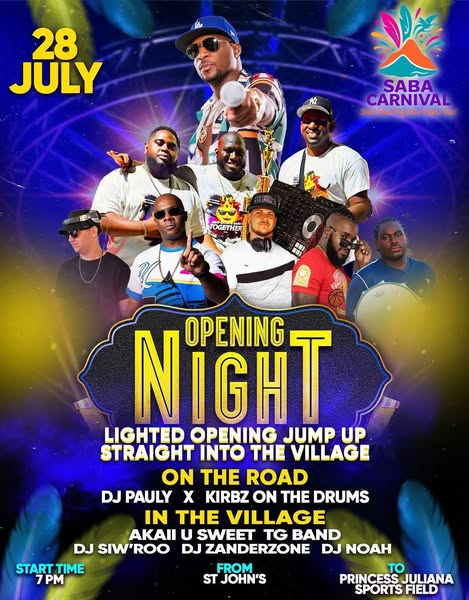
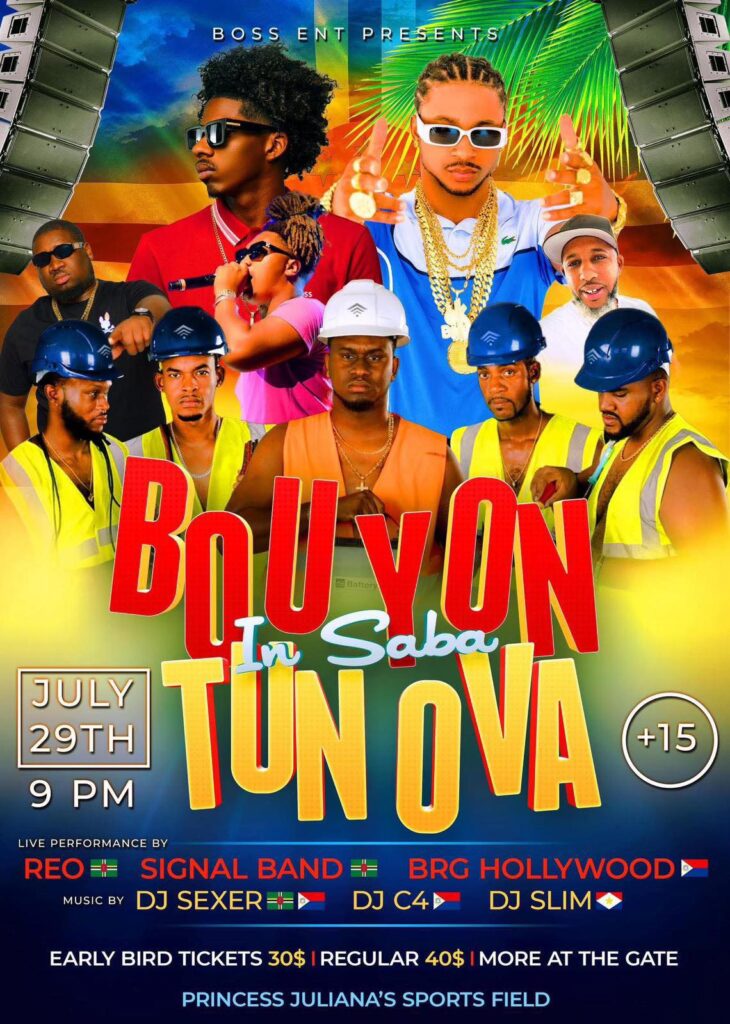
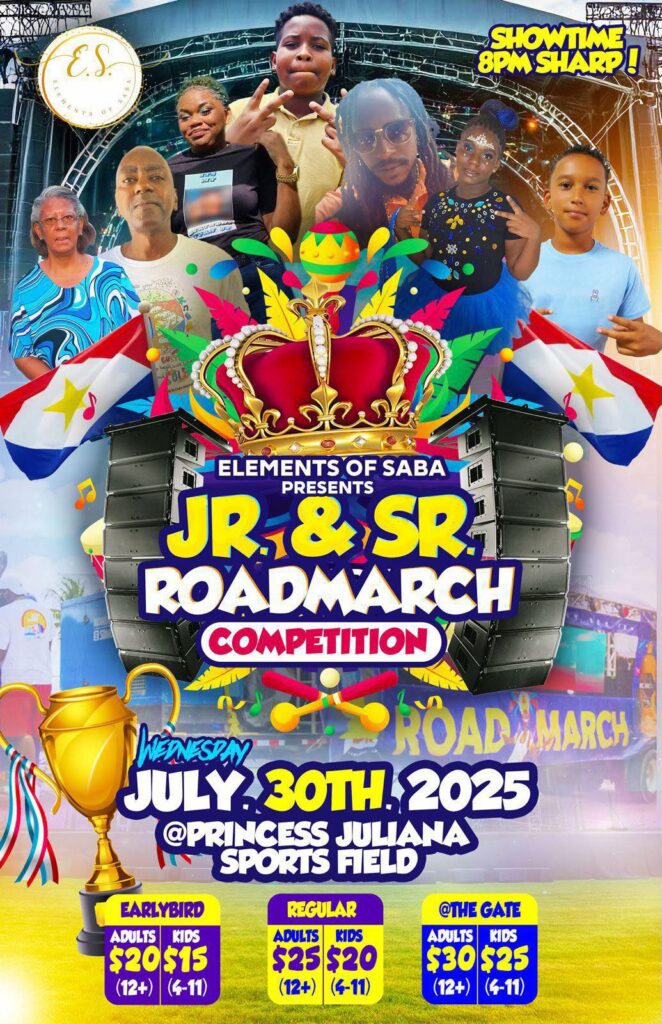
Monday, July 28 opens the festivities with a ceremony at The Bottom, the island’s capital. On Tuesday, July 29, it’s time for Bouyon Night, an energetic evening dedicated to the Bouyon musical genre, originally from Dominica. On Wednesday July 30, the Calypso and Road March competition will showcase local artists in two emblematic Caribbean musical styles.

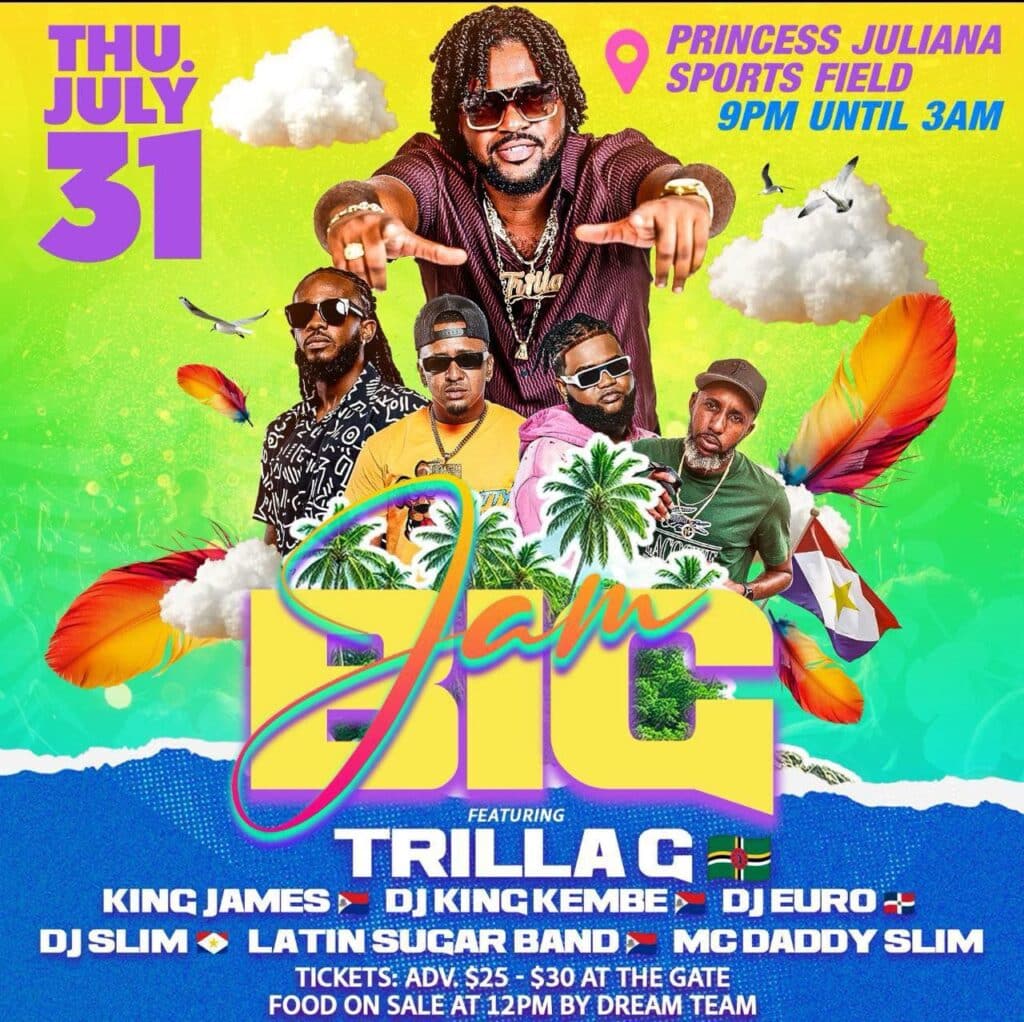
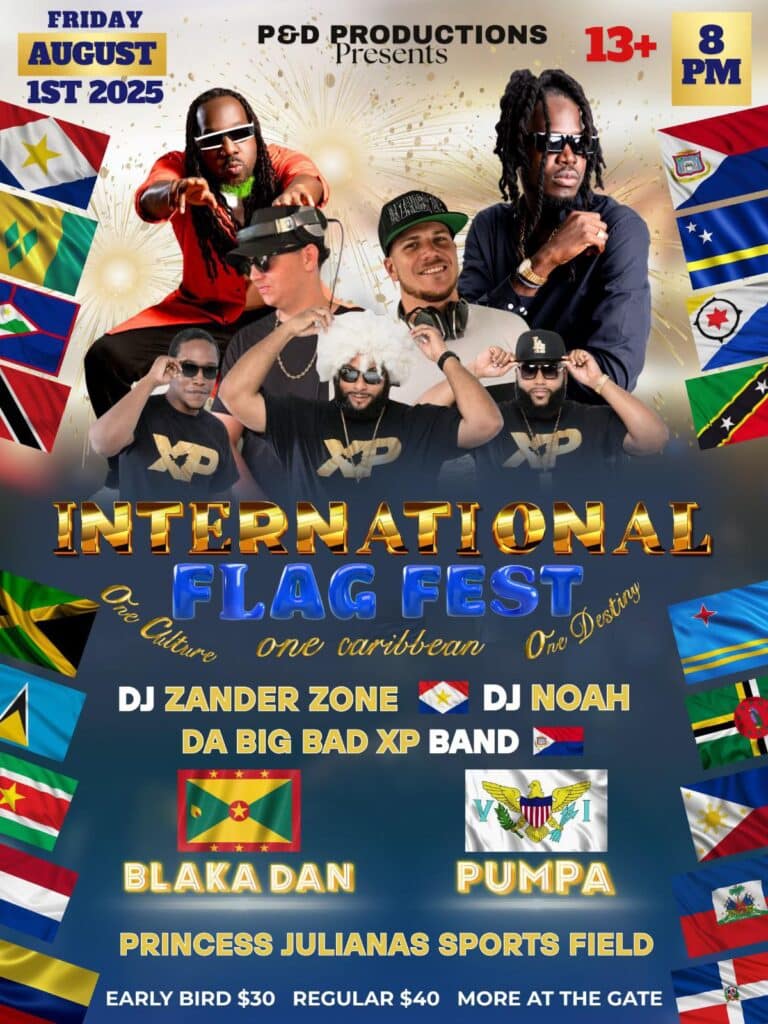
Thursday, July 31, is the Big Jam, an evening of music with an international flavour. On Friday August 1, the International Flag Fest will fly Caribbean banners in the streets of The Bottom and Windwardside, in a festive and colorful atmosphere.

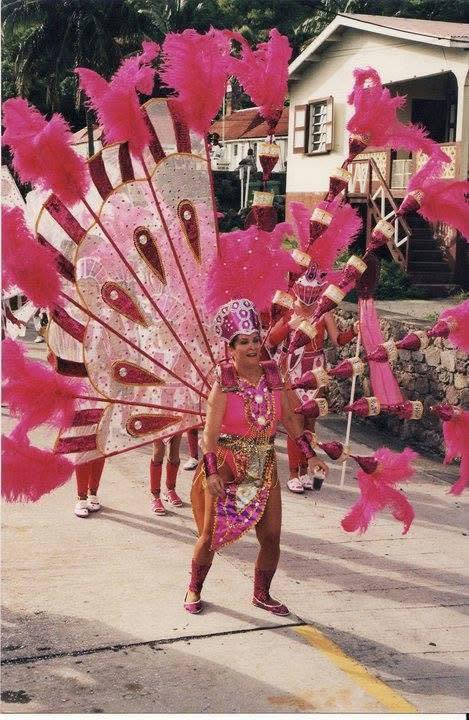
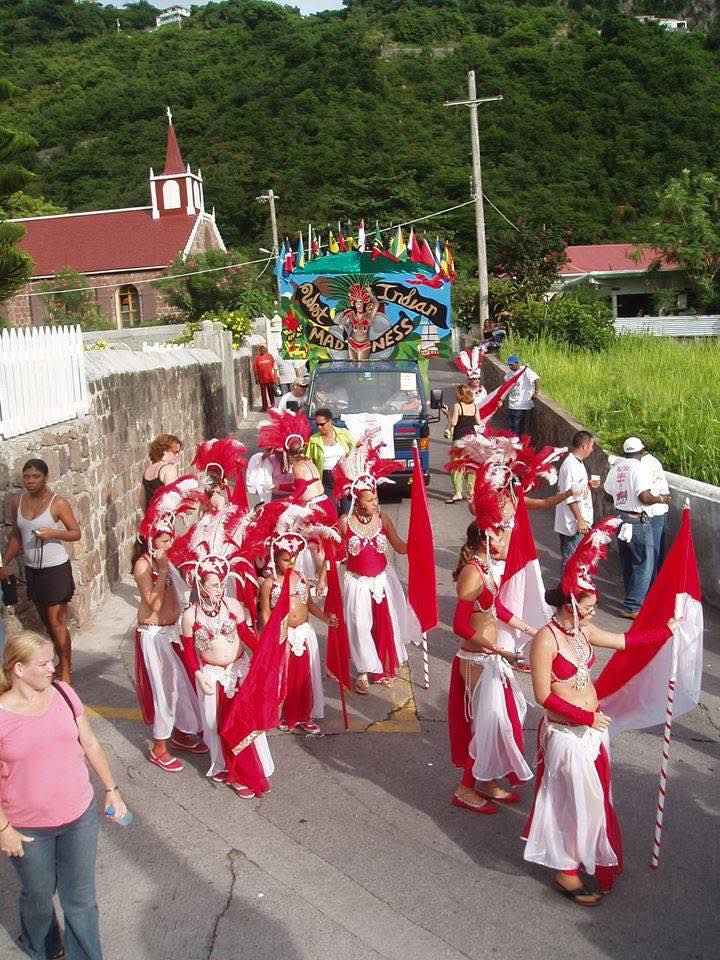
The weekend marks the climax of the carnival. Saturday August 2 kicks off at dawn with the traditional Jouvert Morning, a morning procession typical of Caribbean carnivals. The Grand Parade follows during the day, with its decorated floats, flamboyant costumes and musical performances.

Finally, on Sunday August 3, the Second Parade, also known as the Last Lap, is the last major parade before the festival closes.

Saba
©Saba Carnival
Saba
©Saba Carnival
Saba
©Saba Carnival
Saba
©Saba Carnival
Saba
©Saba Carnival

A unique island of nature and heritage

Saba is a 13-square-kilometer volcanic island dominated by Mount Scenery, the highest point in the Kingdom of the Netherlands at 887 meters above sea level. Since 2010, together with Bonaire and St. Eustatius, it has been a special municipality of the Netherlands. This administrative status provides logistical support without compromising its Caribbean identity.

Divided into four villages – The Bottom, Windwardside, Hell’s Gate and St. Johns – the island cultivates a peaceful, communal way of life. This intimate setting gives the carnival a warm, almost family feel.

Saba
©viator
Saba
©viator
Saba
©viator

A strong commitment to the environment

True to its nickname of “Unspoiled Queen”, Saba is renowned for its conservation efforts. Its marine park, created in 1987, protects 1,300 hectares around the island, offering exceptional underwater biodiversity. Thirty dive sites are listed, with visibility of up to 90 meters.

The island also boasts a network of hiking trails traversing several ecosystems, from tropical rainforest to tidal pools. Although a number of renewable energy initiatives have been launched, no official source confirms that the electricity grid has been predominantly solar-powered since 2019.

Saba
©viator
Saba
©viator
Saba
©viator

An essential economic and cultural lever

Carnival is Saba’s annual tourist peak. Its accommodations, mostly small hotels and cottages, are fully booked during the week. This is of direct benefit to restaurateurs, craftsmen, musicians, costume designers and service providers.

Far from mass tourism, Saba focuses on authenticity. The carnival is part of this strategy, offering an immersive, sincere experience in a preserved environment. According to the Association of Caribbean States, island carnivals are powerful vectors of revenue and identity for small territories.

Saba Carnival
©Saba Carnival

A pillar of cultural transmission

The Saba Carnival is much more than a tourist event. It embodies the island’s living memory. By showcasing local music, dance and traditional costumes, it strengthens the bond between young people and their heritage.

Preparations take several months and involve all generations. This collective organization weaves local solidarity and perpetuates the values of sharing and unity. What’s more, the growing recognition of carnival on a regional scale is helping to put Saba on the Caribbean cultural map.

A 2025 edition to match history

For its 50th edition, Saba Carnival 2025 promises a structured, festive and inclusive program. While certain traditions, such as the cremation of King Momo, are not on the program this year, other strong rituals, such as the Jouvert Morning and the Grand Parade, will be maintained.

In a Caribbean context where many islands are rethinking their tourism models, Saba remains true to its approach: focusing on quality, identity and the preservation of its natural and cultural resources.

Saba Carnival
©Saba Carnival

Saba Carnival 2025 proves once again that a small territory can produce a large-scale event without denying its authenticity. From July 28 to August 3, this extraordinary island will make the heart of the Caribbean beat to the rhythm of its music, traditions and deep attachment to its culture. More than a festival, it’s the expression of a people and a territory proud of their roots and resolutely looking to the future.

Leave a Reply

Your email address will not be published. Required fields are marked *

More articles from RK

Soul Beach Music Festival
EVENT MANAGEMENT
Trainee

Soul Beach Music Festival: why is Curaçao taking over from Aruba after 22 years?

For 22 years, the Soul Beach Music Festival has been synonymous with Aruba. High-end R&B, bright beaches, American comedy, Memorial Day Weekend, all set against a backdrop of palm trees. In 2026, the event is moving. From May 20 to 25, this year’s festival will be held in Curaçao, 80 kilometers from its historic home port. The changeover is not insignificant. Curaçao in the spotlight The new address has a precise name: Capital C Dome, in Willemstad, the capital of Curaçao. The choice of the island is no accident. In January 2026, USA Today ranked Curaçao as the top Caribbean destination in its annual rankings, a title that Soul Beach Music Festival organizers now explicitly use in their promotional communications. “You voted Curaçao number 1 in the Caribbean, find out why”, reads the headline on the festival’s official website. The Soul Beach Music Festival 2026 promises what has made it

Read More »
IShowSpeed Caribbean Tour
NEWS
Tolotra

IShowSpeed Caribbean Tour: 305.9 million conversations for the Caribbean

IShowSpeed Caribbean Tour transformed a livestream tour into a global showcase for several Caribbean territories. In just a few weeks, beaches, markets, carnivals, popular neighborhoods, natural sites and street scenes were seen by millions of young Internet users. The result goes far beyond entertainment: it raises a central question for the Caribbean. How can viral exposure be transformed into lasting benefits for the territories visited? A tour conceived as a global digital event Announced as a tour of 15 Caribbean destinations, the IShowSpeed Caribbean Tour included Antigua and Barbuda, the Bahamas, Barbados, Dominica, the Dominican Republic, Grenada, Guadeloupe, Jamaica, Puerto Rico, Sint Maarten, Saint Kitts and Nevis, Saint Lucia, Saint Vincent and the Grenadines, Trinidad and Tobago and the US Virgin Islands. From the outset, the project did not resemble a conventional tourism campaign. It was an ongoing, unpredictable live event, driven by a very young and responsive community. The

Read More »
Eric Walrond
HISTORY & HERITAGE
Tolotra

Eric Walrond: the writer from Guyana who brought the black tropics into the Harlem Renaissance

Eric Walrond did not leave an abundant body of work, but his name occupies a singular place in the literary history of the Black Atlantic world. Born in Georgetown, Guyana, then under British rule, he grew up in Barbados, Panama, New York and England. This trajectory forms the very material of his writing. For him, Guyana is not a point of departure erased by migration. It remains a founding origin, extended by the ports, newspapers and languages that circulate around the Atlantic. Georgetown, the first anchor of a displaced life Eric Walrond was born on December 18, 1898 in Georgetown, Guyana. His father came from this mainland territory of the English-speaking Caribbean; his mother was from Barbados. From a very early age, he grew up in several different places. He left Georgetown, lived in Barbados, then in Colón, Panama, a city marked by the construction of the canal and the

Read More »

conTACT RK

we'd love to have your feedback on your experience so far

Join The List

Join our Richès Karayib community!  Sign up for our newsletter.

Want To Maximize Your Business Presence On Riches Karayib?

Complete the form to start the application