Getaway to Saba, volcanic pearl of the Lesser Antilles

Saba

A getaway to Saba, the volcanic pearl of the Lesser Antilles: a promise of adventure and authenticity, just a stone’s throw from Saint Martin. Saba, a little-known volcanic island, fascinates visitors with its unspoilt nature, colorful villages and unique atmosphere, far from the hustle and bustle of tourism. Ready to embark on an unforgettable escape to the heart of the Lesser Antilles?

Discovering Saba: an extraordinary volcanic island

Geography and location

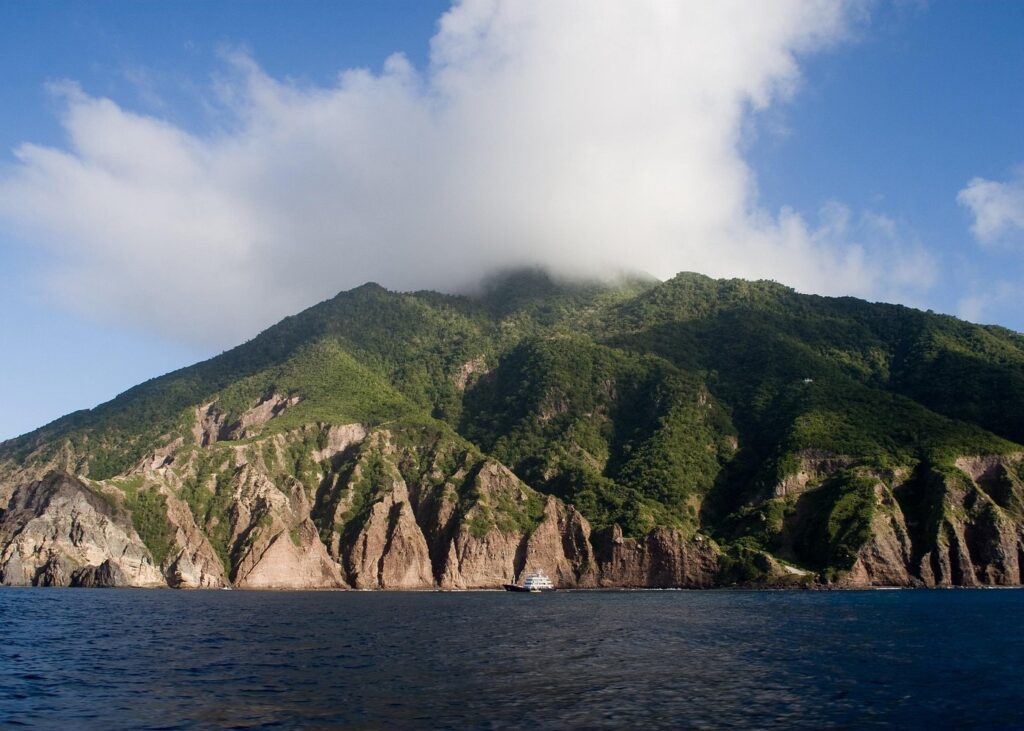
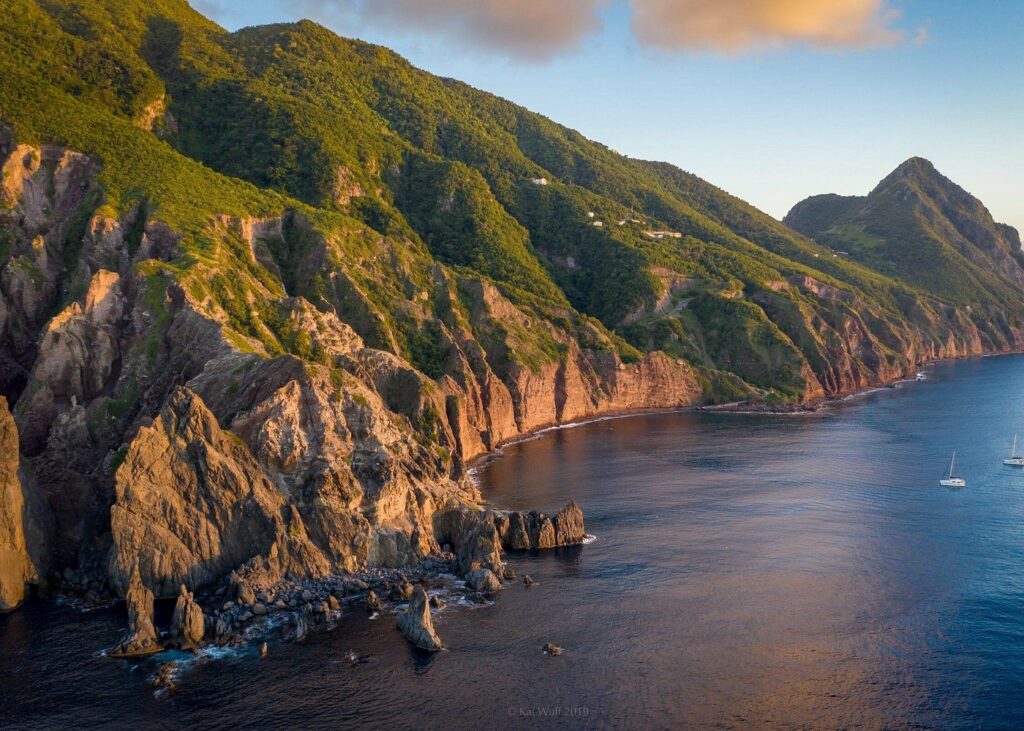
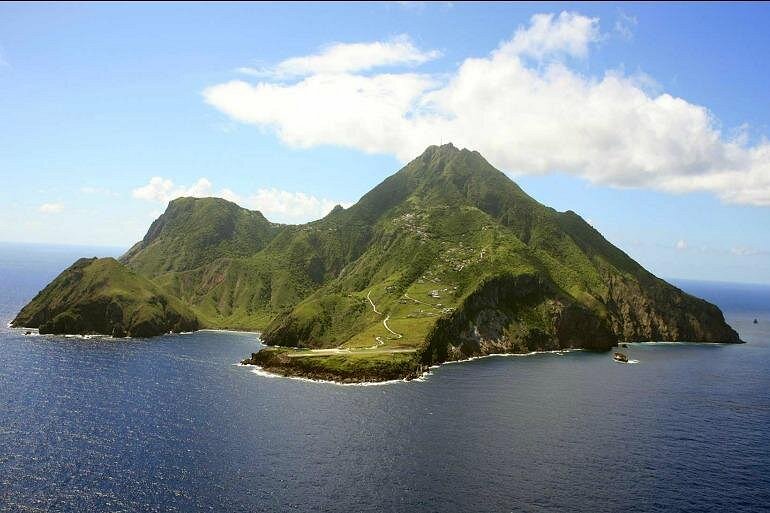
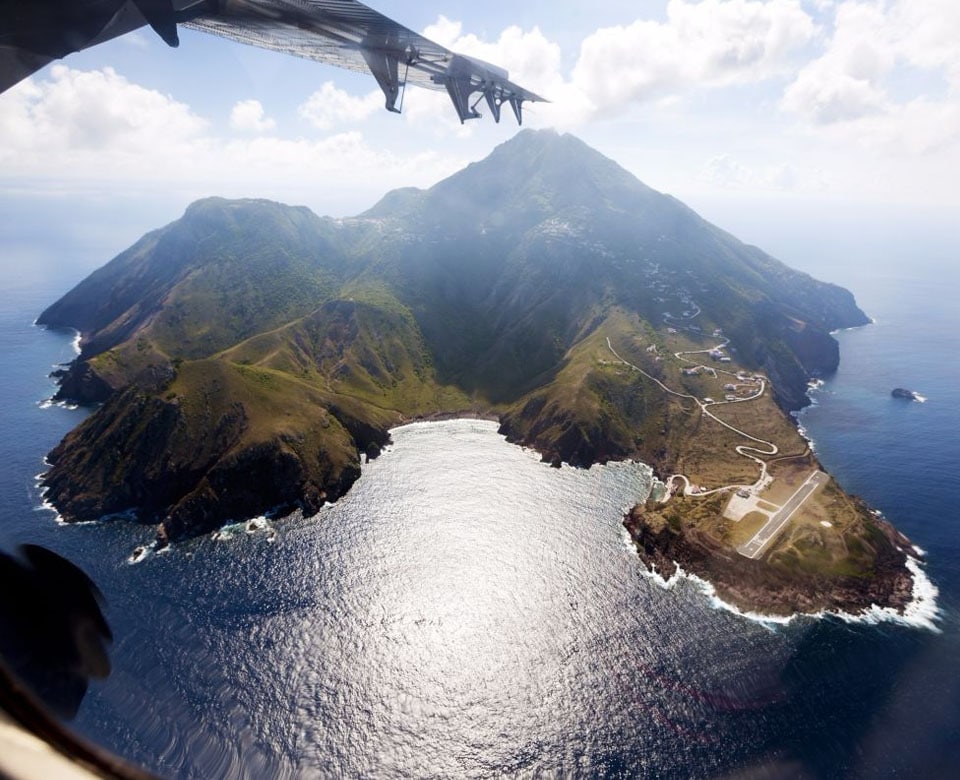
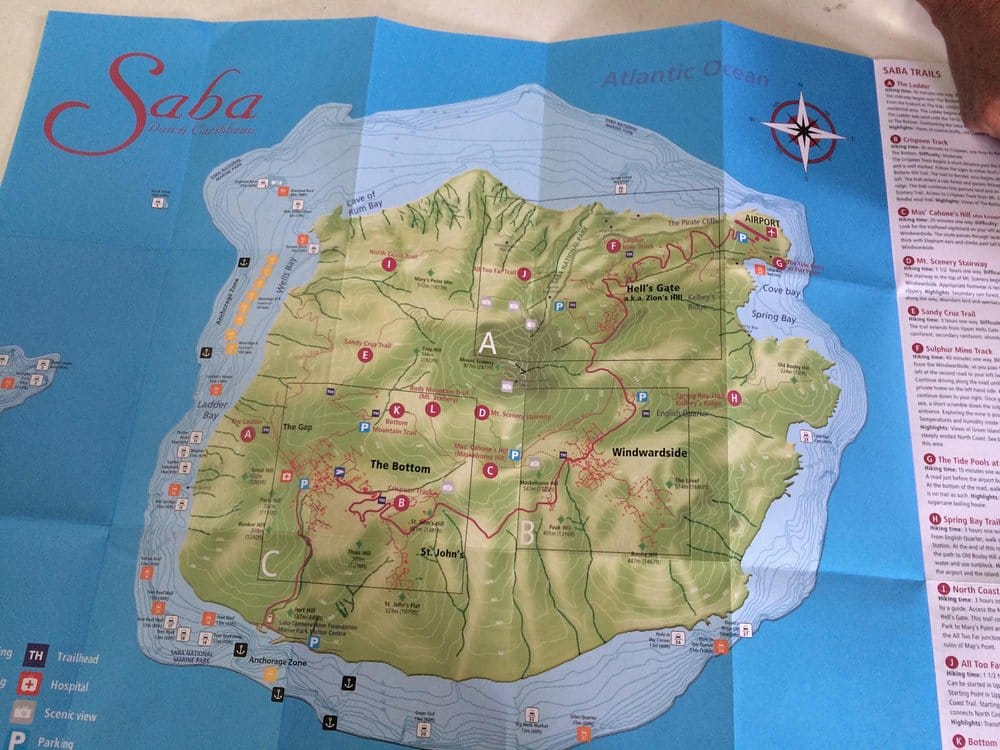
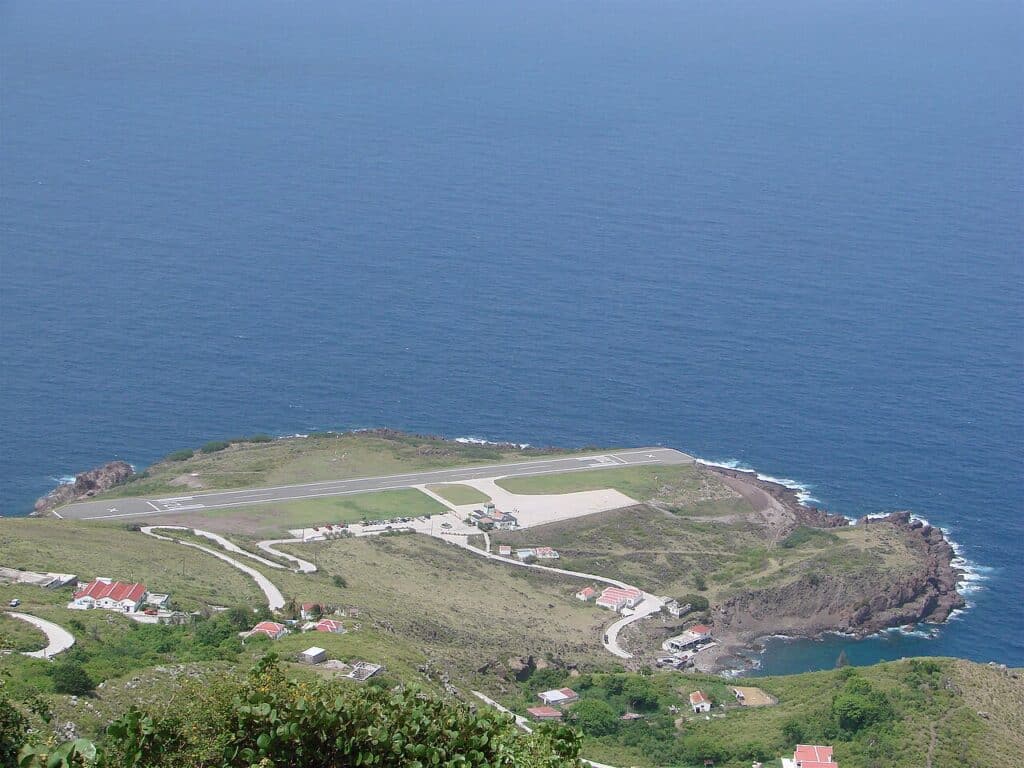
Saba lies just 44 kilometers south-southwest of Saint Martin, in the northern part of the Caribbean arc. This tiny Dutch territory, just 13 km² in size, is distinguished by its rugged terrain, steep cliffs and lack of traditional beaches. Here, the sea laps the craggy rocks, offering a striking natural spectacle.

Saba
©tripadvisor

A majestic volcano: Mount Scenery

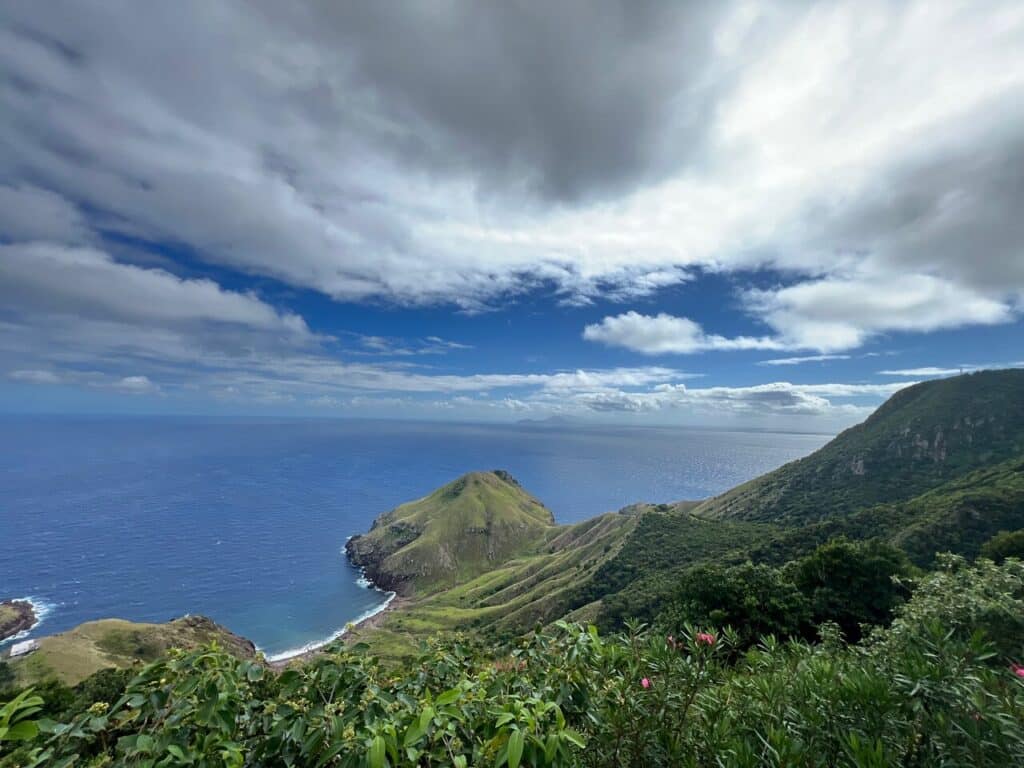
Dominating the island, Mount Scenery rises to 887 meters, making it the highest point in the Kingdom of the Netherlands. This dormant volcano, covered by dense rainforest, is the beating heart of Saba. Its summit, often shrouded in mist, attracts hikers and lovers of spectacular panoramas. Climbing its trails offers a breathtaking view of the whole of the Lesser Antilles, with the immensity of the Caribbean Sea as a backdrop.

Saba
©viator.com
Saba
©viator.com
Saba
©viator.com

Exceptional, preserved biodiversity

Tropical forests and nature reserves

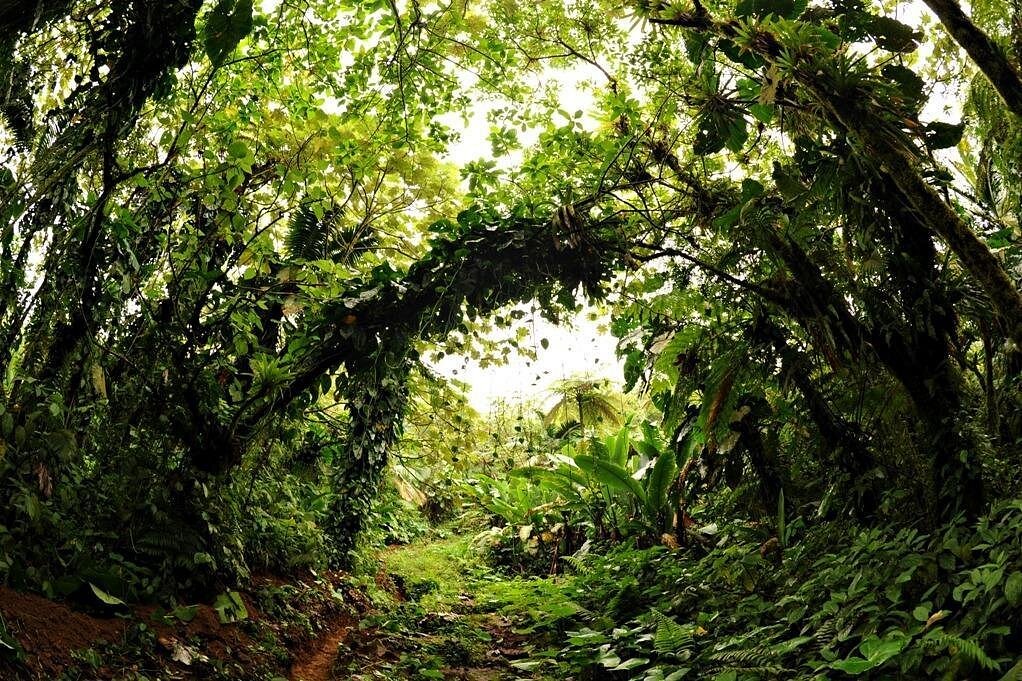
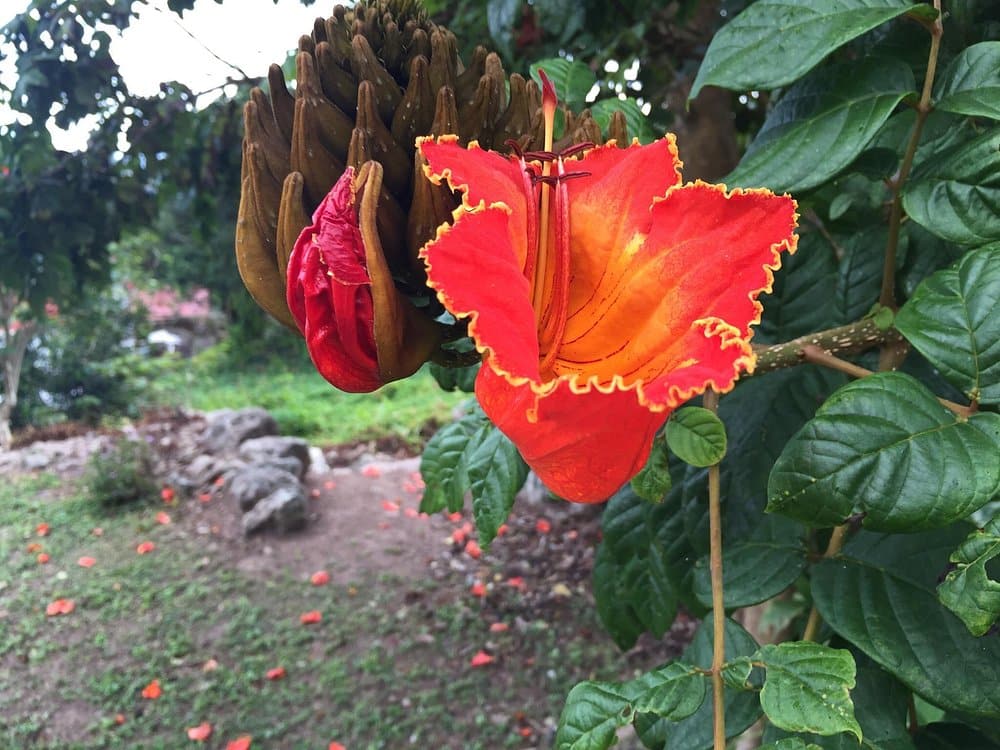
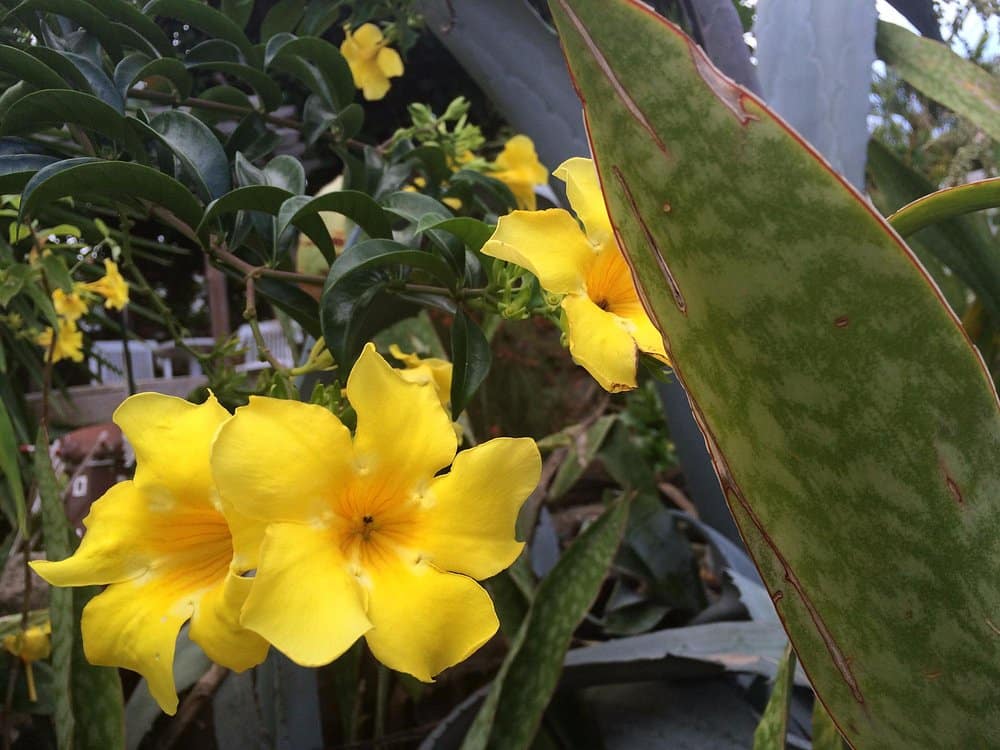
Saba is a veritable ecological sanctuary. The rainforest, nicknamed Elfin Forest Reserveevokes a fairytale world of mosses, ferns and tropical trees. Mahogany trees, once abundant, are now rare, victims of the cyclones of the last century. But the island’s wealth of vegetation remains so impressive that Saba recently applied for inclusion on UNESCO’s World Heritage List.

Saba
©viator.com
Saba
©viator.com
Saba
©viator.com

Endemic flora and fauna

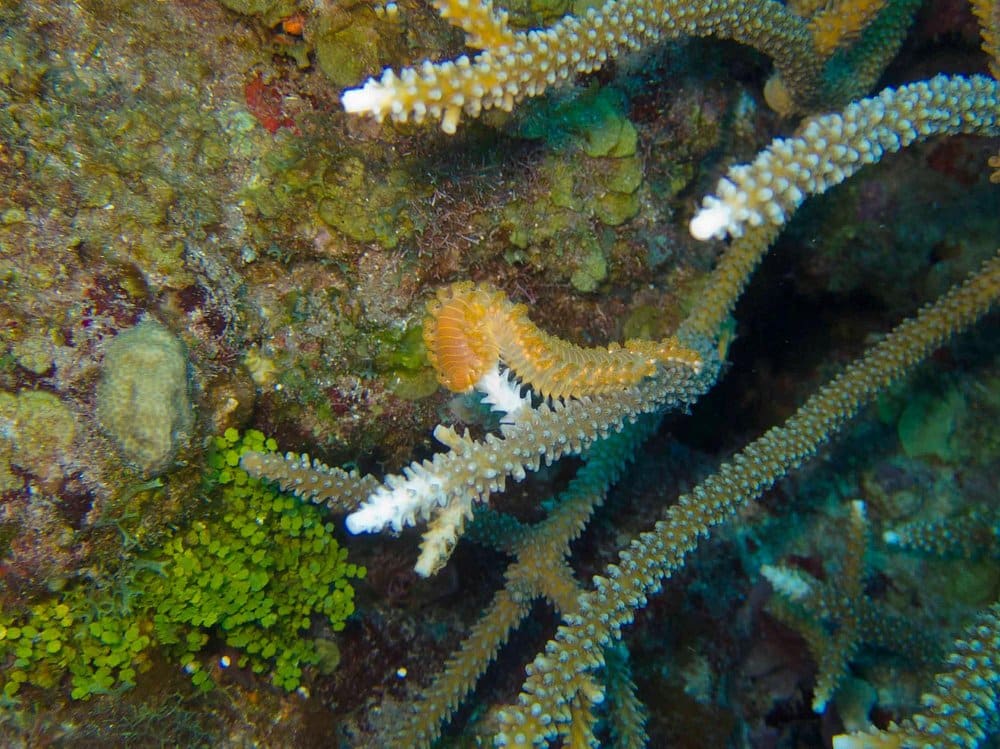
Saba’s isolation has favored the emergence of unique species. The famous Saba black iguana, the red-bellied couresse snake and the funnel-eared bat are all endemic to the island. The seabed is home to a 4.3 km coral reef, part of the Saba Marine Park, a veritable paradise for divers and marine biologists.

Saba
©tripadvisor
Saba
©tripadvisor
Saba
©tripadvisor

Activities and experiences in Saba

Hiking and exploring

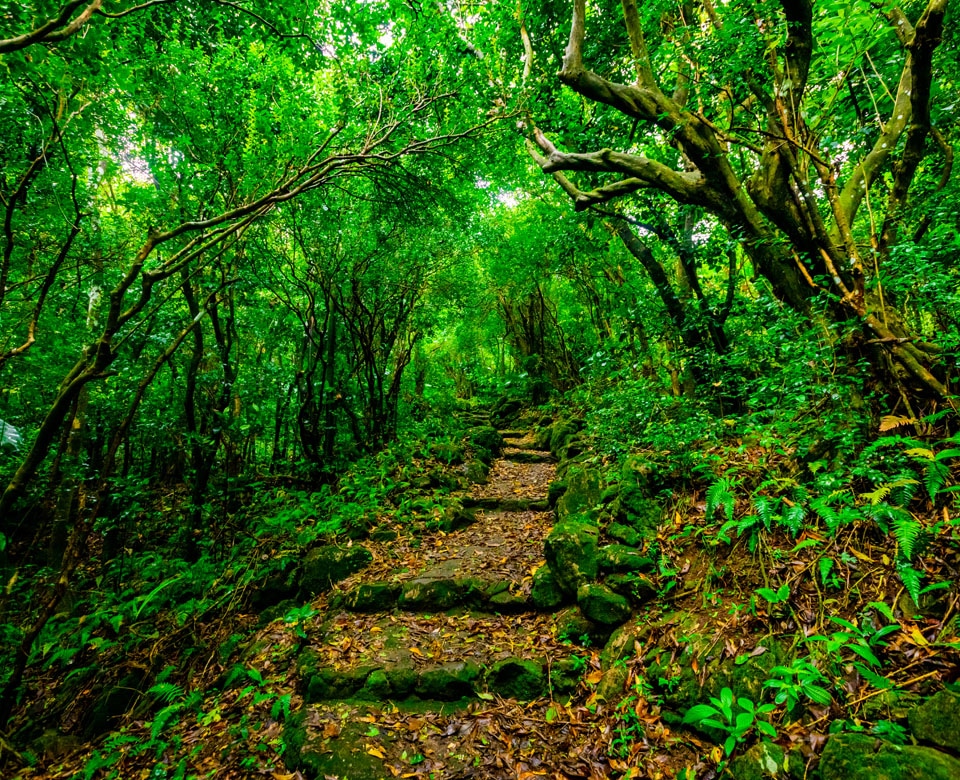
It’s impossible to talk about a Saba getaway without mentioning hiking. The island offers several marked trails, the most famous of which is the ascent of Mount Scenery. This hike, accessible to all with a minimum level of fitness, passes through lush forests and offers unique views of the island and the sea. The Saba Trail Shop, located in Windwardside, offers maps, advice and badges for hikers.

Saba
©tripadvisor
Saba
©tripadvisor
Saba
©tripadvisor

Scuba diving and eco-tourism

Saba is a world reference for scuba diving. Its crystal-clear waters, protected by a marine park, teem with coral, tropical fish, turtles and sometimes even peaceful sharks. .Spots such as “Tent Reef” and “Ladder Labyrinth” are among the most famous in the Caribbean. Eco-tourism enthusiasts will appreciate the preservation of the environment and the absence of mass tourism, which give Saba a rare authenticity. .

Saba
Saba
©viator.com

Local crafts and gastronomy

After the effort, it’s time to discover the local flavors. Windwardside’s small restaurants offer a blend of seafood, tropical vegetables and Dutch influences. And there’s no shortage of handicrafts: jewelry, blown glass, works of art and embroidery bear witness to the skills of the Sabanese, who are proud of their heritage.

Local life and culture in Saba

Picturesque villages and traditions

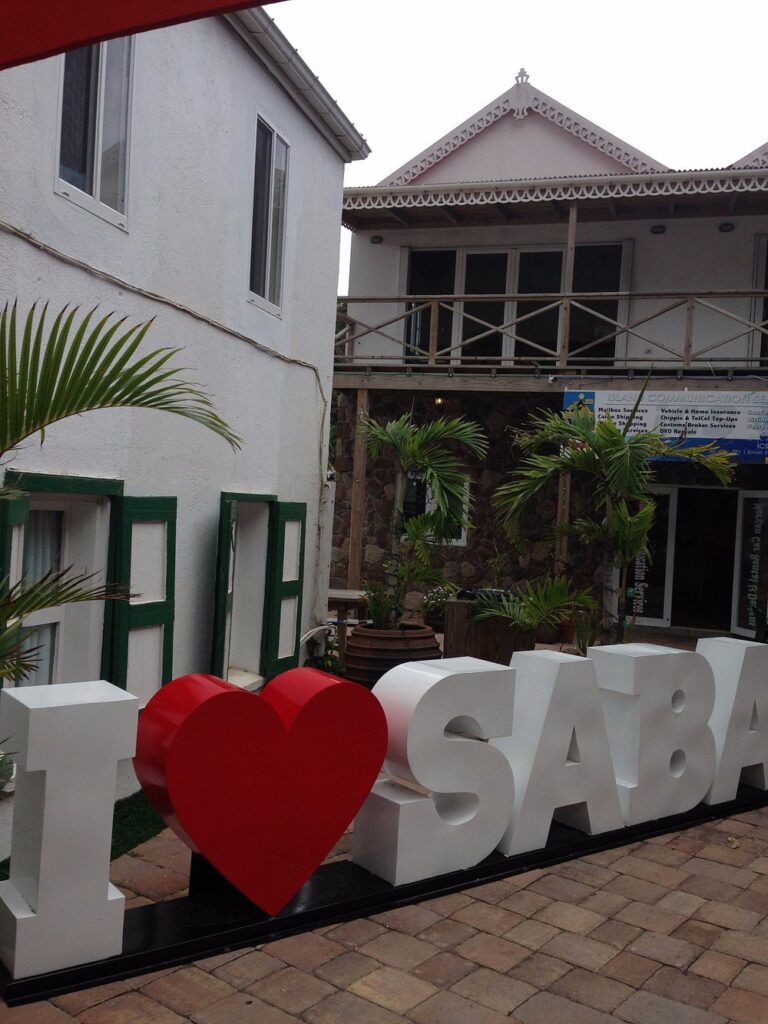
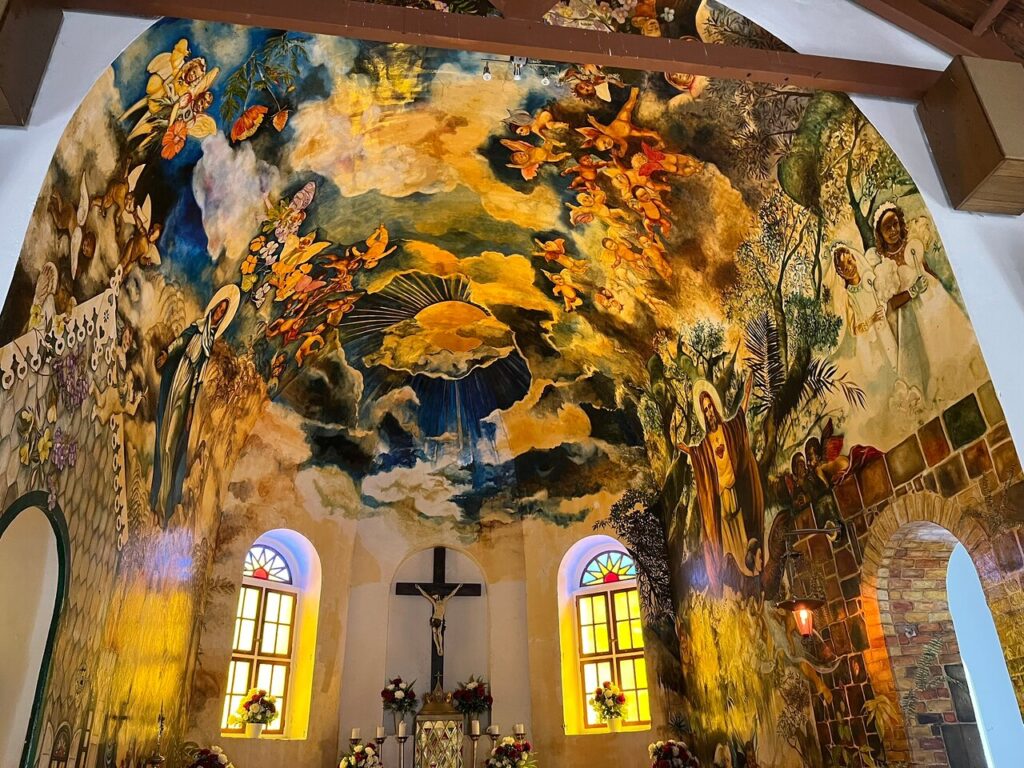
Saba is made up of four main villages: The Bottom, Windwardside, Hell’s Gate and St. John’s. Each has its own character, with whitewashed houses, red roofs and narrow streets. Here, life flows peacefully, punctuated by fishing, farming and welcoming curious visitors. The inhabitants, warm-hearted and proud of their island, love to share their history and traditions.

Festivals and events

Saba’s cultural calendar is punctuated by colorful festivities. The Carnival, or Summer Festival, brings the island to life with parades, costumes and lively music at the end of July. In October, the Sea and Learn Festival raises awareness of ocean conservation through conferences and workshops led by scientists from around the world. In December, Saba Days celebrates local culture, with dances, sports competitions and giant barbecues. All opportunities to immerse yourself in Sabanese life and forge links with the locals.

Saba
©viator.com
Saba
©viator.com
Saba
©viator.com

Practical tips for a Saba getaway from Saint Martin

Access, transport and accommodation

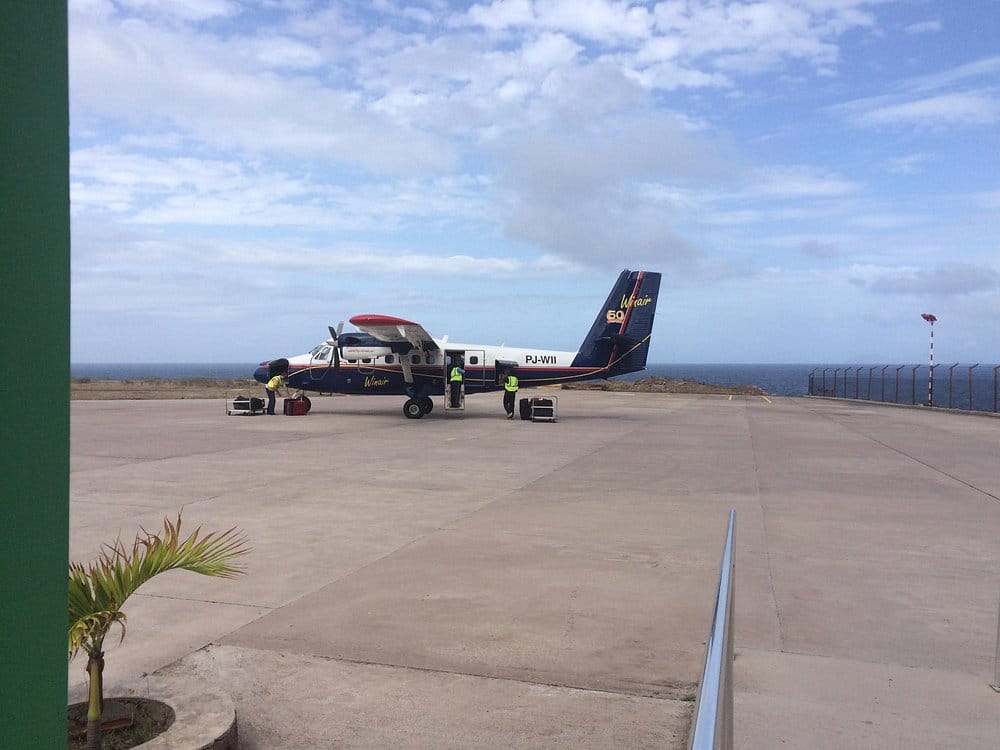
To reach Saba, simply board a ferry or small plane from Saint Martin. The boat journey takes between 75 and 90 minutes, arriving in Fort Bay, the island’s only port. On the island, the main road links the villages and makes it easy to get around, although walking remains the best way to discover Saba. The accommodation on offer, though limited, ranges from small family-run inns to charming hotels, always in a friendly, authentic atmosphere.

Best time to visit

Saba’s climate is pleasant all year round, with temperatures hovering around 27°C. The high season extends from December to April, ideal for enjoying dry, sunny weather. Between June and November, the hurricane season may bring a few showers, but also offers a quieter island, ideal for exploring in peace and quiet.

Saba
©tripadvisor
Saba

Saba, a treasure to explore

A getaway to Saba is a timeless interlude between raw nature, living traditions and sincere encounters. Far from the tourist clichés, Saba seduces by its authenticity, its abundant biodiversity and the warmth of its inhabitants. Whether you’re a seasoned hiker, an avid diver or simply curious, the island promises an unforgettable experience that lives up to its reputation as the hidden gem of the Caribbean. A word of advice: plan to stay longer than a day, as Saba is best savored slowly, like a well-kept secret.

Leave a Reply

Your email address will not be published. Required fields are marked *

More articles from RK

Adhésion de la Martinique à la CARICOM
NEWS
Tolotra

Martinique’s accession to CARICOM: the French National Assembly completes the legislative process

On January 28, 2026, the French Senate sent a strong political signal in favor of Martinique’s Caribbean roots. On April 16, the French National Assembly approved the agreement on accession to the Protocol on the Privileges and Immunities of the Caribbean Community. Clearly, Martinique’s membership of CARICOM has reached a decisive stage in the French procedure, following a process that began with the signing of the agreement in Bridgetown on February 20, 2025. From Senate vote to National Assembly agreement This sequence gives real continuity to the Senate vote in January. With the vote on April 16, France has now completed the parliamentary phase of this dossier. The French Ministry for Overseas Territories speaks of “definitive approval” of the agreement by the French Parliament, confirming that Martinique’s membership of CARICOM is now moving forward on a consolidated institutional basis, even if the legal wording still needs to be clarified. What

Read More »
Los Roques
TOURISM
Tolotra

Venezuela – Los Roques: another view of the Venezuelan coastline

In northern Venezuela, Los Roques is a unique territory. Far from the large mountainous islands of the region, this archipelago is made up of hundreds of islets, reefs and sandbanks. Here, the landscape is based on water, light and the horizon. The absence of marked relief, the clarity of the lagoons and the scattering of cayos give Los Roques an instantly recognizable identity. For travellers, Los Roques is not a classic island. It’s a fragmented space, where each move opens onto a new setting, often only a few minutes away by boat. An archipelago structured around Gran Roque At the heart of Los Roques, Gran Roque Island is the main entry point and inhabited center. This is where you’ll find the airstrip, accommodation and services. The village, made up of low, colorful houses, concentrates the archipelago’s human activity. This centralization makes the area even more legible. From Gran Roque, visitors

Read More »
Loto du Patrimoine 2026
HISTORY & HERITAGE
Tolotra

Loto du Patrimoine 2026: three sites that tell the living memory of Guadeloupe, French Guiana and Martinique

The Loto du Patrimoine 2026 is more than just a list of endangered monuments. For the Caribbean territories, this selection highlights three sites that each bear a sensitive part of local history: the Maison de l’historien Lacour in Basse-Terre, Guadeloupe, the former mill of the Loyola dwelling in Rémire-Montjoly, French Guiana, and the church of Notre-Dame-de-la-Visitation in Gros-Morne, Martinique. The French Ministry of Culture has selected them as one of the 18 emblematic regional sites for the 2026 edition. Why the Loto du Patrimoine 2026 is important for the Caribbean For a media attentive to the Caribbean, this selection has a particular significance. It shows that the Loto du Patrimoine 2026 doesn’t just fund technical worksites: it also supports places that structure collective memory, urban identity, historical narratives and cultural transmission. Since 2018, the Mission Patrimoine lottery has raised over 210 million euros and supported 1,080 sites; 70% of projects

Read More »

conTACT RK

we'd love to have your feedback on your experience so far

Join The List

Join our Richès Karayib community!  Sign up for our newsletter.

Want To Maximize Your Business Presence On Riches Karayib?

Complete the form to start the application