Steely and Clevie honored at Grammy Certificates in Jamaica

Steely et Clevie

On September 13, Kingston’s ATL Showroom hosted the Grammy Certificates ceremony, organized by London-based publishing house Back 2 Da Future Music Limited. The event marked a high point for Jamaican music: the legendary duo Steely and Cleviepioneers of digital dancehall, were officially honored for their major contributions to world music history.

This year has a special resonance, as it corresponds to the fortieth anniversary of their association. For many in the industry, it was an eagerly-awaited tribute, such was their influence on shaping the Jamaican sound from the 1980s onwards.

A founding duo of digital dancehall

Formed by Wycliffe “Steely” Johnson and Cleveland “Clevie” Browne, the tandem Steely and Clevie opened a new era in dancehall. Their digital rhythms, combined with unrivalled technical mastery, marked a turning point in Jamaican musical production.

During the ceremony, two key tracks were highlighted: You Don’t Love Me (No, No, No) by Dawn Penn, produced in 1994, and I’m Still in Love With You by Sean Paul and Sasha, released in 2002. These tracks have become emblematic of Steely and Clevie to create timeless sounds, fusing tradition and modernity.

Steely honoured posthumously

Steely passed away in 2009 and was honoured posthumously. His children, Shea and Shanice, received several certificates in his name. The keyboardist and producer contributed to major Grammy-winning albums, including Sean Paul’s Dutty Rock, Beenie Man’s Art & Life, Bunny Wailer’s Crucial! Bunny Wailer’s Roots Classics, and Shabba Ranks’ X-tra Naked and As Raw As Ever.

These awards are a reminder of the central role he played in transforming dancehall into a global cultural force. The emotion of his family who came to receive the certificates underlined the human and artistic significance of this moment, further strengthening the collective memory associated with Steely and Clevie.

Clevie, always in the spotlight

Clevie, meanwhile, has won direct acclaim for his work as a drummer and producer. His influence spans several decades and albums that have marked the history of reggae and dancehall. In addition to his Grammy wins, he has participated in numerous nominated projects, including Buju Banton’s Upside Down and Friends For Life, Barrington Levy’s Acousticalevy, Jimmy Cliff’s Black Magic and Breakout, and Wayne Wonder’s No Holding Back.

The ceremony served as a reminder that Steely and Clevie are not just associated with worldwide hits, but embody a collective know-how that has influenced a whole generation of artists.

Steely and Clevie
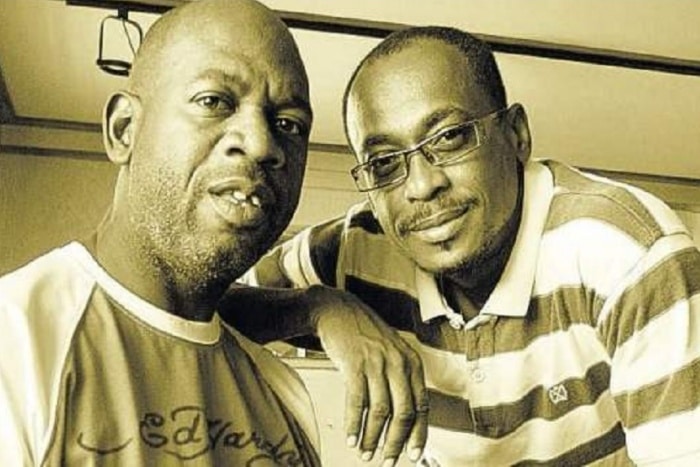
Cleveland “Clevie” Browne of Steely and Clevie fame. © Hopeton Walker

Recognition extended to the entire music community

While the duo took center stage, nearly thirty musicians, singers and producers were also honored at the ceremony. Saxophonist Dean Fraser received certificates for his contribution to four Grammy-nominated albums, including Ziggy Marley and The Melody Makers’ Play The Game Right and Burning Spear’s Resistance.

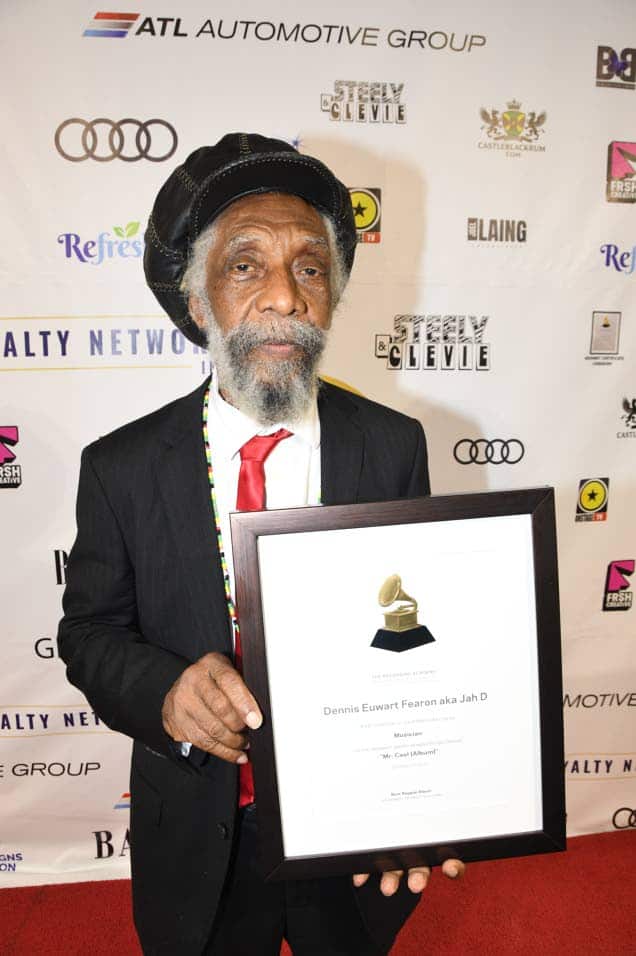
Guitarist and keyboardist Paul “Wrongmove” Crosdale of The Firehouse Crew was honored for his role on Shabba Ranks’ As Raw As Ever and X-tra Naked, as well as Beenie Man’s Art & Life. Other distinguished names included TOK, Squiddly Cole, Dennis Fearon, Romain Virgo, Chevelle Franklyn, Heather Cummings, Christopher Birch, Computer Paul and Lloyd Kevin “John John” James.

This collective recognition underlines the obvious: behind every international success is a team of musicians and technicians whose work helps to elevate Jamaican music on the world stage. The fact that Steely and Clevie’ s prominence also shows that their legacy extends beyond their own careers, inspiring an entire industry.

Steely and Clevie
Dennis “Jah D” Fearon. ©Joseph Wellington
Steely and Clevie
Patrick “Tony Rebel” Barrett. ©Joseph Wellington
Steely and Clevie
Tony Gold (gauche) et Brian Thompson.

Back 2 Da Future Music Limited: a cultural mission

The Kingston ceremony is the brainchild of Back 2 Da Future Music Limited, founded twenty years ago by Kennedy Mensah, a former British journalist of Ghanaian origin. Specializing in the representation of reggae and dancehall artists, the company is committed to preserving and promoting this musical heritage.

Since 2024, the structure has organized similar ceremonies in London, Miami and Kingston, multiplying initiatives to give international visibility to figures on the Jamaican scene. This year’s event continues this tradition, reinforcing the legitimacy of reggae-dancehall players within the global industry.

Steely and Clevie: a living legacy

Beyond the awards, the tribute to Steely and Clevie reminded us that their legacy lives on. Their productions continue to inspire contemporary artists, both in Jamaica and abroad. By officially sanctioning their certificates, the Recording Academy has confirmed the historic importance of their contribution.

The ceremony not only turned the spotlight on the past. It also showed that Jamaica remains a creative hotbed capable of having a lasting influence on popular music on an international scale. Even today, the mention of Steely and Clevie evoke both a pivotal period and an inspiration for future generations.

Steely et Clevie
©reggaechalice

The Grammy Certificates ceremony in Kingston was more than just a tribute. It consecrated Steely and Clevie as architects of digital dancehall, and reminded us of the importance of the Jamaican music community as a whole.

Forty years after the duo’s official birth, their work remains as relevant as ever. For Jamaica, this tribute represents cultural affirmation and international recognition. For their peers, it is a reminder that music history is written not only by the stars of the scene, but also by those creators who transform each rhythm into a lasting imprint.

Leave a Reply

Your email address will not be published. Required fields are marked *

More articles from RK

Caribbean Cinema
FILM & VIDEO
Tolotra

Stories of Caribbean Cinema, Maroon Culture, Transmission, and the Imagination. Texts by Guillaume Robillard. Ciclic, 2026

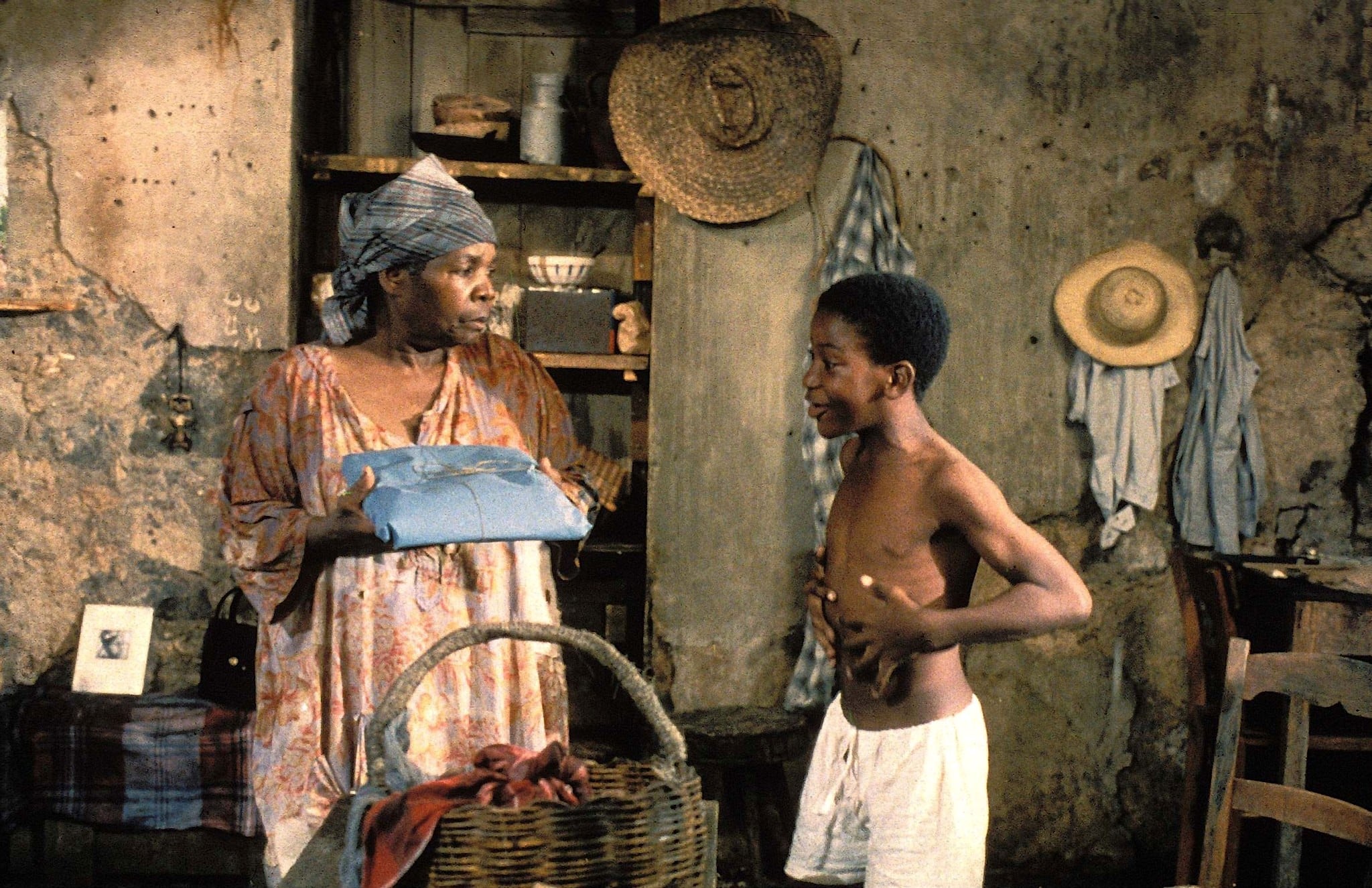
The history of Caribbean cinema continues its journey through the 1980s. After three episodes devoted to the early developments of several cinematic movements in the region, this fourth installment brings together two films from Martinique and one from Curaçao. From the “marronnage” in *Le Sang du flamboyant* to the international trajectory of *Rue Cases-Nègres*, and on to the unique worldof *Almacita di Desolato*, these three works explore different relationships to memory, oral tradition, Africa, and Caribbean imaginaries. This article is the fourth installment in a series of ten. The first three are already available on Richès Karayib, and six more will continue this story through the 2020s. 1981: MARTINIQUE — *The Blood of the Flamingo*, by François Migeat This film is unique in Caribbean cinema. Indeed, its director is a “Metropolitan” (that is, a white man from mainland France who had no deep-rooted ties to the French West Indies) who

Read More »
Doubles, plat de rue de Trinité-et-Tobago composé de deux baras frits et de pois chiches au curry
CULINARY ART
Tolotra

Doubles: The Story of Emamool Deen Behind Trinidad’s Street Food Dish

In Princes Town, in southern Trinidad and Tobago, the “doubles” were born in 1936 from a simple gesture: a customer asking for a second piece of bread. At the time, Emamool Deen and his wife Rasulan were selling curry chickpeas on a single piece of fried bread, unaware that they were inventing the country’s most iconic street food. Nearly a century later, doubles still tell the story of Indo-Trinidadian heritage through this chickpea sandwich, which has become a national symbol. A Morning in Princes Town, 1936 At 4:00 a.m., in a courtyard in Princes Town, in the southern part of Trinidad and Tobago, Rasulan Deen lights the fire that will heat the coconut oil. Her husband, Emamool Deen, is boiling the chickpeas that the couple was able to buy by selling a goat, the only possession they had. The year is 1936, and according to oral tradition preserved by several
Read More »
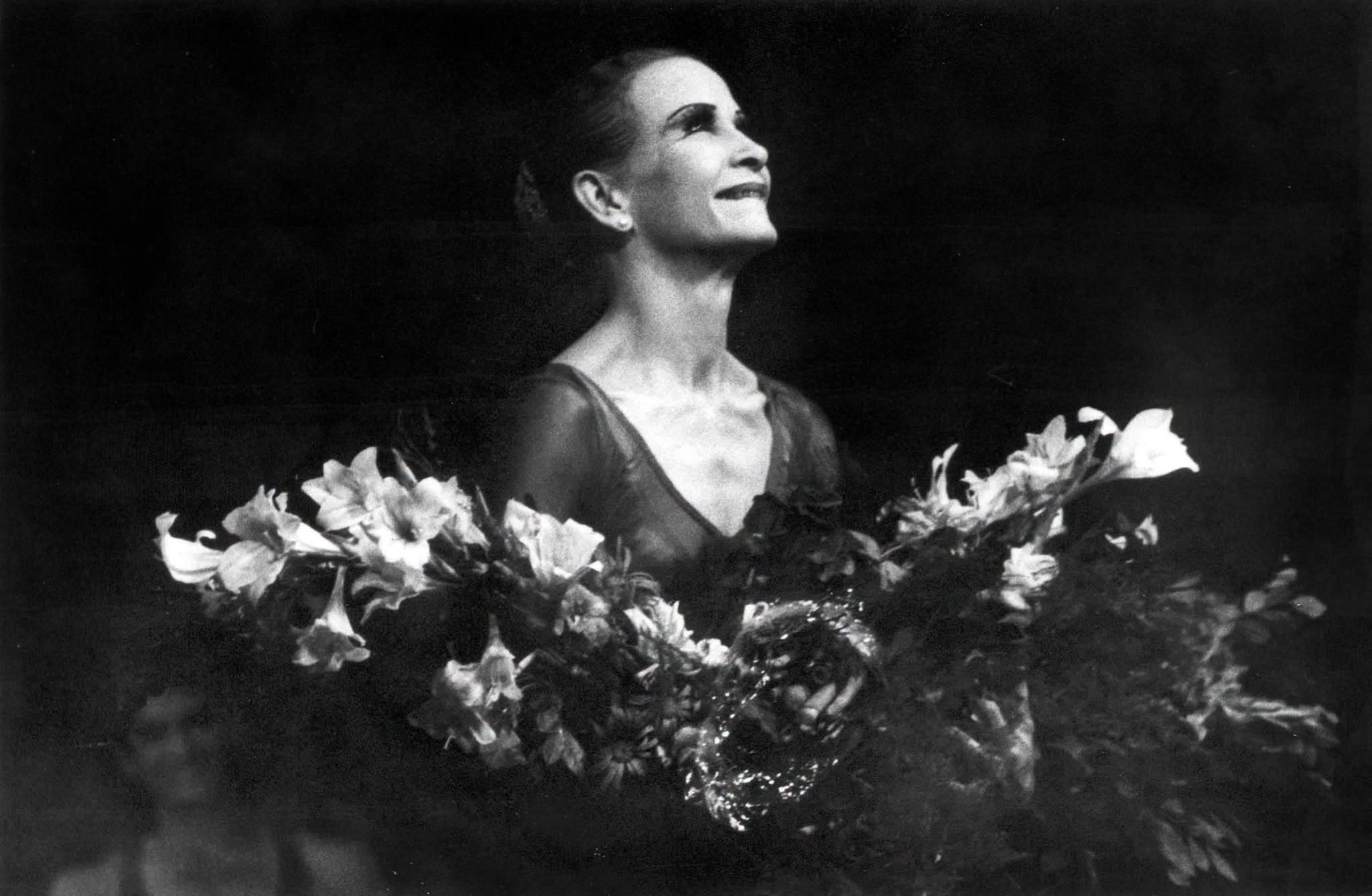
María Elena Llorente recevant un hommage floral, Ballet Nacional de Cuba
DANCE
Tolotra

María Elena Llorente: 50 Years of Ballet in the Service of Cuba

In May 1977, a Cuban dancer took the stage in New York with the Alvin Ailey Dance Theater. In the audience that evening, actor Harry Belafonte watched the performance and would later describe the evening as a significant historical event. This dancer’s name was María Elena Llorente, prima ballerina and ballet mistress of the Ballet Nacional de Cuba. Her career spans fifty years of dance, spent almost entirely with a single company—the one founded by Alicia Alonso in Havana—on an island where, over the decades, classical ballet has become as much a source of national pride as it is an art form. María Elena Llorente, of the Sociedad Pro-Arte at the National Academy It all began at the Sociedad Pro-Arte Musical, a school in Havana where young Cuban women learned the basics of classical ballet even before the official founding of the national ballet company. María Elena Llorente then continued

Read More »

conTACT RK

we'd love to have your feedback on your experience so far

Join The List

Join our Richès Karayib community!  Sign up for our newsletter.

Want To Maximize Your Business Presence On Riches Karayib?

Complete the form to start the application