

Hibiscus Records relaunches its history: New Bloom, an evening of tribute and transmission

Hibiscus Records

On Thursday November 20, at the Le Grand Bleu restaurant in Le Diamant, Hibiscus Records celebrated its comeback with New Bloom, a cocktail party attended by artists, partners, media and close friends of the label. An evening designed as a moment of gratitude and transmission, featuring a showcase by Dédé Saint-Prix and Demwazel Dys.

A pioneering label for Martinican music

Founded in 1983 by Jean-Michel Mauriello and his wife Marilène, Hibiscus Records was born of a strong desire to offer West Indian artists a creative space, to affirm independent production and to promote Martinique’s musical heritage at a time when it was largely ignored by the major French record companies. In the small Clairière studio in Fort-de-France, generations of musicians recorded their first projects.

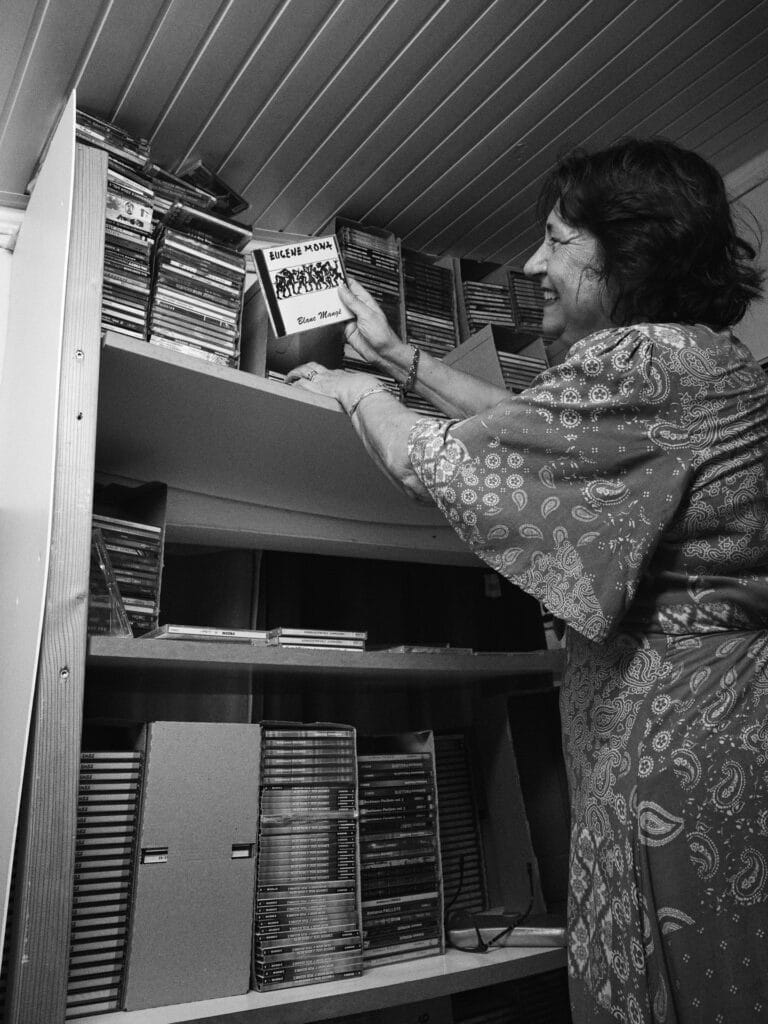
Over 350 albums were produced, including works by Dédé Saint-Prix, Éric Virgal, Kali, Max Ransay, Eugène Mona, Jean-Luc Guanel, Manuel Césaire, Thierry Lof, Tony Chasseur, Marcé, and members of Kwak, Taxi Kréol, Tabou Combo and Magnum Band.

Jean-Michel Mauriello was known for his attentiveness and passion. Every project was treated as a challenge, as a cultural mission. This is also what enabled the label to become a truly Martinican music label, recognized throughout the island.

Hibiscus Records
Hibiscus Records
Hibiscus Records
©Hibiscus Records
©Hibiscus Records
©Hibiscus Records

Putting to rest before the renaissance

In 2016, changes in the market, the disappearance of record stores, the collapse of physical sales and the dominance of digital technology weakened the independent music ecosystem. Hibiscus Records went dormant. But its influence has not disappeared. The catalog lives on in the collective memory and repertoire of the artists who shaped it, an ensemble that fully belongs to the Caribbean musical heritage.

2025: revive, protect and pass on

Forty years after its creation, Marilène Mauriello, supported by her daughter Jessica Mauriello and accompanied by KRIBBEAN, a Martinican cultural start-up committed to promoting the Caribbean musical heritage, decided to relaunch the label.

It’s no longer a question of recreating a studio or becoming a producer in the traditional sense. As Mike Ponin, founder of KRIBBEAN, reminds us: “Our mission is to safeguard this heritage and pass it on to the next generation.

The watchword then becomes Kontinié alé, meaning keep moving forward.

Hibiscus Records
Hibiscus Records

Jean-Christian Duquet, founder of Inveo Consulting, recounts his discovery of the Hibiscus Records story from Canada, and underlines the “special emotion” he feels at being part of the rebirth of a label which, in his words, “evokes creativity, passion and musical audacity”. He also reiterates his wish to see the label become “an incubator of talent and a catalyst for Martinique’s cultural influence, capable of shining on all international stages”.

Hibiscus Records

New Bloom: an evening of encounters and emotions

From the start of the evening, guests gather around a warm cocktail reception. The atmosphere is simple and genuine: discussions around the buffet, reunions between artists, exchanges between institutions, memories evoked, projects imagined.

The stage set up by the pool becomes the heart of the gathering. This is where the voices embodying the label’s mission are expressed.

Hibiscus Records
Hibiscus Records
Hibiscus Records
Hibiscus Records

A moving tribute to Jean-Michel Mauriello

One of the highlights was the tribute read by Jessica Mauriello.

Through tender, poetic text, they recall the man he was: Martiniquais at heart, a lover of Creole, passionate about music, a domino player, a fine cheat at Rummy, a lover of spicy dishes and impromptu parties.

They also tell of the visionary producer who listened to every artist late into the night.

The one who loved their mother “without cry, without promise, but deeply”.

The tribute ends with the Creole expression:

“À la kwakan’s papa!”

The applause that followed testified to the respect and affection many had for him.

Hibiscus Records
Hibiscus Records
Hibiscus Records

Music takes center stage: Dédé Saint-Prix and Demwazel Dys

The evening continues with Demwazel Dys, the next generation. She says she’s honored to be here to celebrate the label’s revival. She invites the audience to come closer, creating an intimate and generous atmosphere.

One of his pieces pays tribute to Eugène Mona which she describes as a contemporary reinterpretation, a bridge between her own age and that of a vanished master. She emphasizes that this title would never have existed without the benevolence of Marilène Mauriello to further applause.

Hibiscus Records

Then comes Dédé Saint-Prix, a major figure on the label, opens the stage with his usual energy. His presence is a reminder of what Hibiscus Records has meant for Martinican music: a space for creative freedom.

Hibiscus Records

A call to build together

The evening highlights a simple idea: recovery can only be achieved through collective involvement. Artists, institutions, companies, enthusiasts – everyone contributes something.

Participating in this new page means contributing to the preservation and digitization of the catalog, supporting its distribution in the Caribbean and beyond, and encouraging the new generation inspired by the pioneers.

Hibiscus Records
Hibiscus Records
Hibiscus Records
Hibiscus Records

A new page for Hibiscus Records

New Bloom wasn’t just an event. It was a way of announcing that the story goes on.
With a committed team, a present community and a solid heritage, Hibiscus Records enters a new phase: preserving, transmitting and inspiring.

A new lease of life for a label that has shaped Martinique’s music and is poised to shine for a long time to come.

FAQ

New Bloom is an evening organized by Hibiscus Records to celebrate the rebirth of the Martinique-based music label and highlight its role in the Caribbean musical heritage.

The label returns to preserve, transmit and enhance its historic catalog, with the support of KRIBBEAN and the Mauriello family, in an intergenerational approach.

The evening brought together Demwazel Dys, Dédé Saint-Prix and Dominique Lorté, artists who illustrate the link between the pioneers and the new generation of Martinican music.

Leave a Reply

Your email address will not be published. Required fields are marked *

More articles from RK

Affiche officielle du documentaire Women of Dominica
FILM & VIDEO
Tolotra

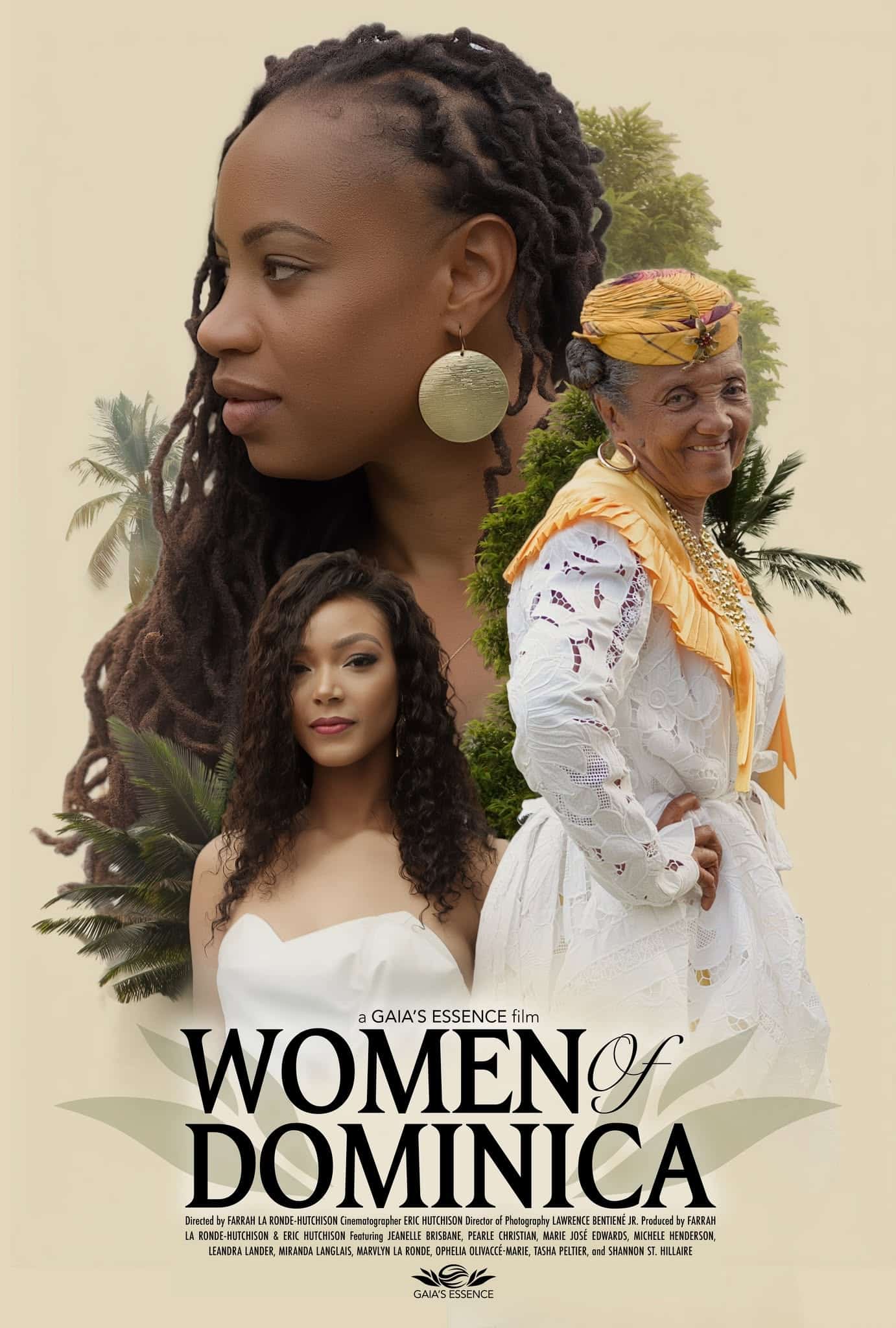
Dominique – Women of Dominica: The documentary that brings together ten women ahead of its premiere in Miami

“Women of Dominica” brings together ten women from different generations around a shared narrative: the Creole heritage of Dominica. The documentary, directed by environmental scientist-turned-filmmaker Farrah La Ronde-Hutchison, will have its U.S. premiere on September 5 in Miami, ahead of a wider release scheduled for 2027. Among the voices featured is that of Ophelia Marie, a historic figure in Dominican music. A story of passing down traditions, between a mother and her daughter The Women of Dominica project has its roots in a family story. In 2019, Farrah La Ronde-Hutchison’s mother received the Golden Drum, a Dominican award dedicated to the preservation of traditional Creole attire. She had carried this responsibility for more than thirty-five years, passing down to her daughter the techniques and fabrics of a garment that few in younger generations still know how to tie today. It was this tradition passed down from mother to daughter that
Read More »
Femme jamaïcaine sur une véranda au crépuscule face à un duppy dans la cour
HISTORY & HERITAGE
Tolotra

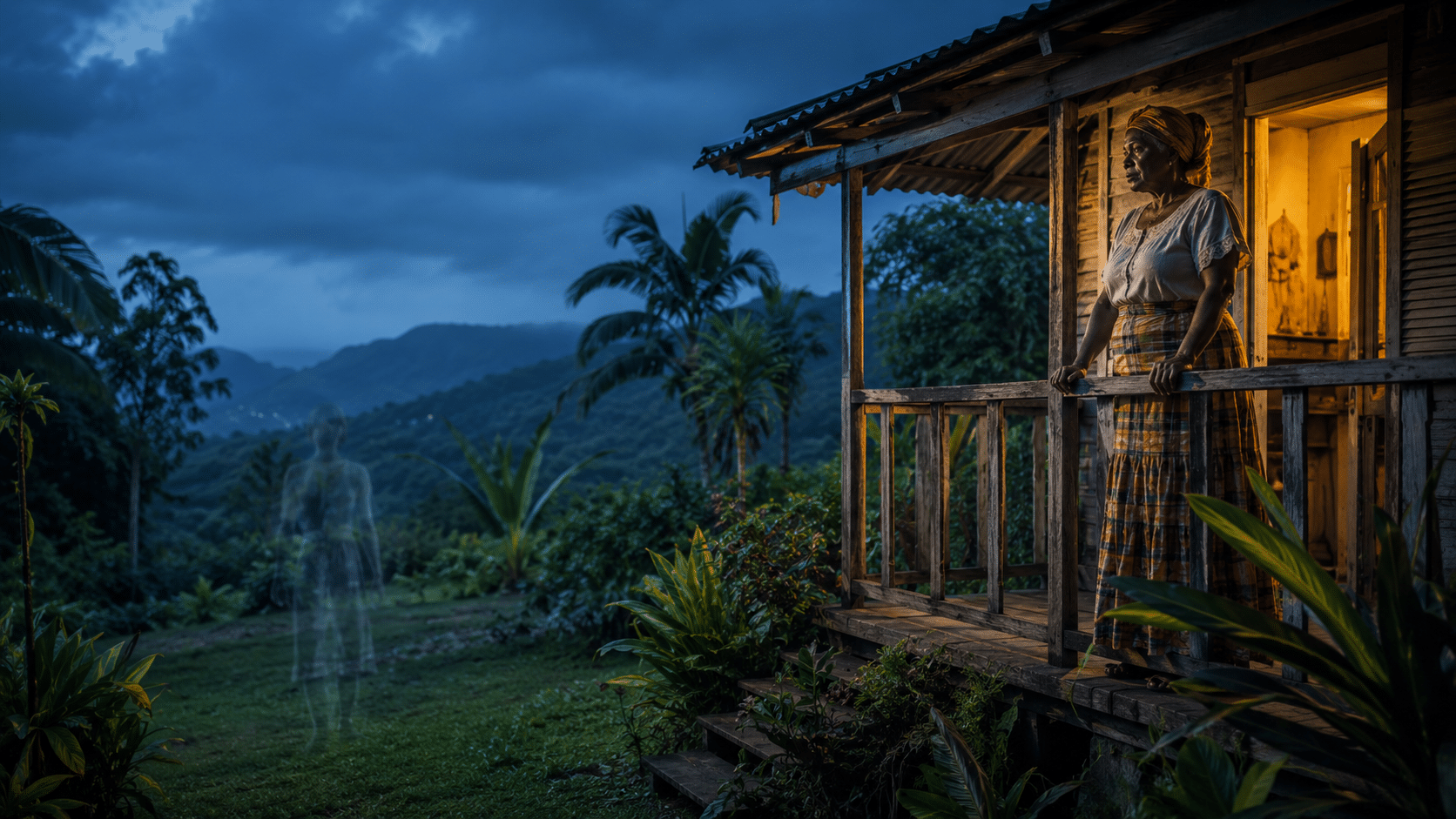
“Duppy know who fi frighten”—why does this proverb protect the weak?

“Duppy know who fi frighten”: this Jamaican saying resonates from childhood onward, long before we fully understand its meaning. In Jamaica, at dusk, a scene plays out across generations. Children are called back inside before night swallows the garden. There’s no need to argue the point—outside, the duppies lurk, those spirits that didn’t follow the dead to the end of their journey. A man from Old Harbour, now in his eighties, told researchers in 2021 how these stories shaped his childhood evenings—not so much to terrify as to keep the children close to home. From this inherited fear arose a saying that is still heard today throughout the island: “Duppy know who fi frighten”—the duppy knows who to frighten. What does “Duppy know who fi frighten” mean? The Jamaican Patwah online dictionary illustrates the expression with a typical phrase, “Him cyaa try mi, duppy know who fi frighten,” which could
Read More »
gwoka
HISTORY & HERITAGE
Tolotra

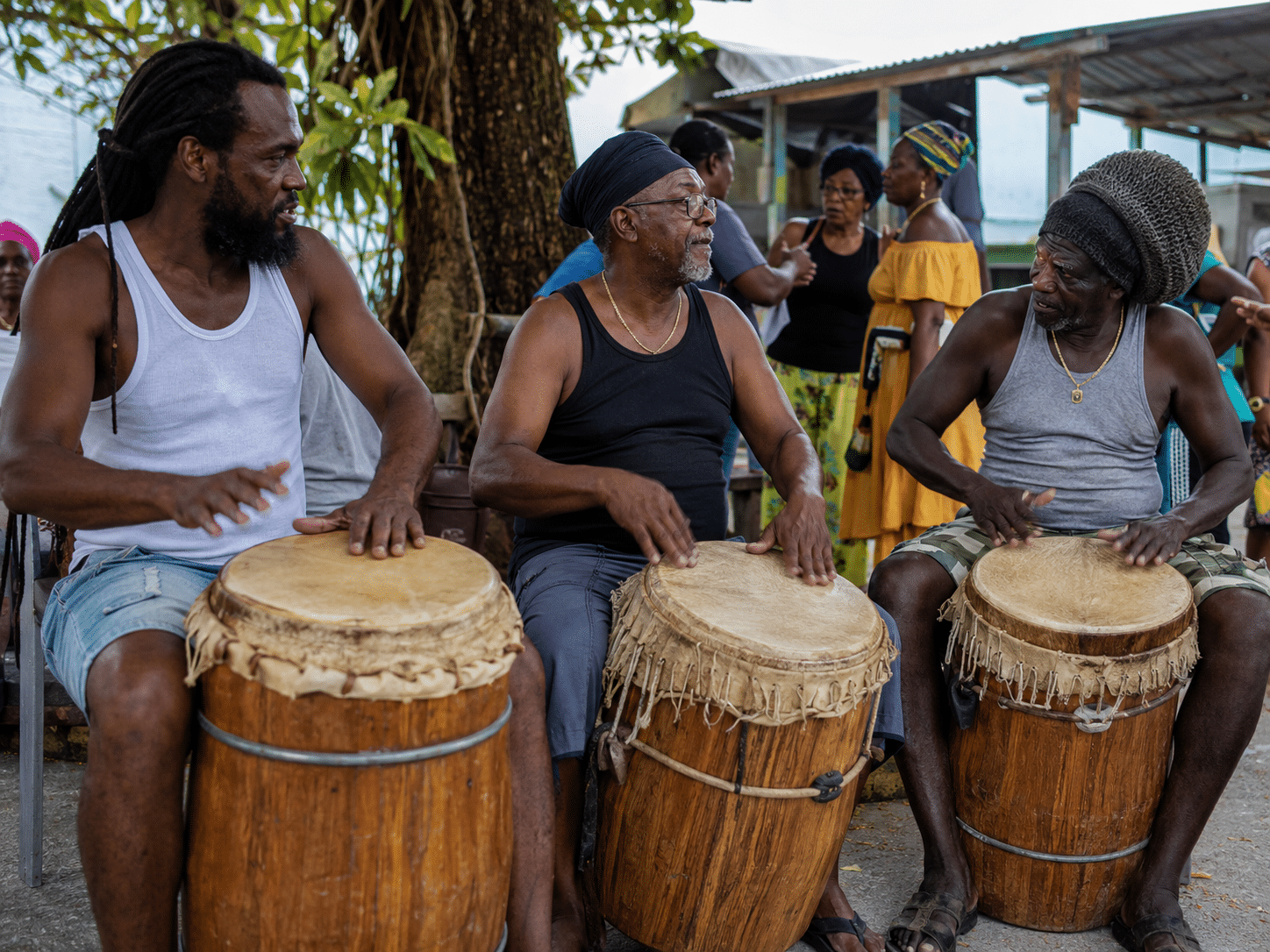
Gwoka, the Guadeloupean drum that UNESCO has enshrined in history

In Pointe-à-Pitre, a bronze statue depicts a seated man with a ka drum between his legs. It pays tribute to Vélo, one of the greatest masters of gwoka, the Guadeloupean music that emerged from the resistance to slavery. Since 2014, UNESCO has designated it as a World Heritage Site. A Tambouyé Turned into a Statue Marcel Lollia, known as Vélo, was born on December 7, 1931, and died on June 5, 1984. He trained several generations of ka players—a drum carved from a tree trunk and covered with a stretched skin. He also inspired Akiyo, a cultural movement advocating for identity founded in 1979, which brought gwoka out of the small circles where it was still surviving. On June 5, 2004, twenty years after his death, a statue by sculptor Jacky Poullier was unveiled in Pointe-à-Pitre, modeled after an earlier Guadeloupean portrait dedicated to another of the island’s great figures.

Read More »

conTACT RK

we'd love to have your feedback on your experience so far

Join The List

Join our Richès Karayib community!  Sign up for our newsletter.

Want To Maximize Your Business Presence On Riches Karayib?

Complete the form to start the application