Little Corn Island, the Caribbean from a man’s perspective

Little Corn Island

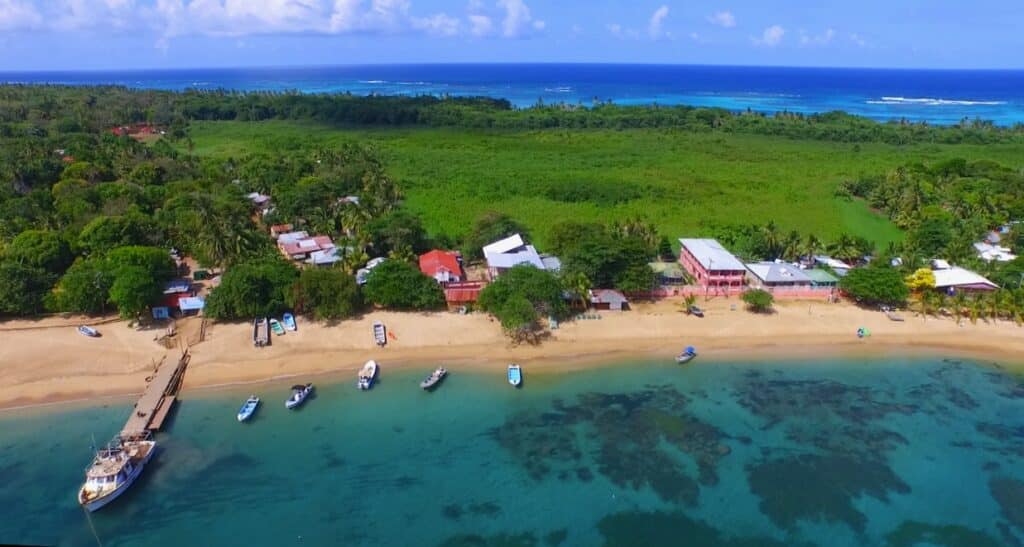
Off the Caribbean coast of Nicaragua, Little Corn Island is an island in a class of its own. Big Corn Island’s little sister, it stands out for its simplicity: no roads, no cars, no big complexes. The island can be explored on foot, to the rhythm of the tides, conversations and the wind. This chosen slowness shapes a rare experience in the contemporary Caribbean.

An island with no roads, no cars, no rush

Little Corn Island measures a mere three square kilometers. It can only be reached by boat from Big Corn Island, itself linked to the Nicaraguan mainland by plane from Managua or Bluefields. Once disembarked, the scene is set: sandy paths, coconut tree-lined lanes, wooden houses and natural beaches just a few minutes’ walk away.

The absence of motorized traffic is not a marketing argument, but a daily reality. People get around on foot, sometimes using wheelbarrows to transport goods. This simple organization immediately transforms the relationship with the place: time slows down, space tightens up, attention is focused on the essential.

Little Corn Island

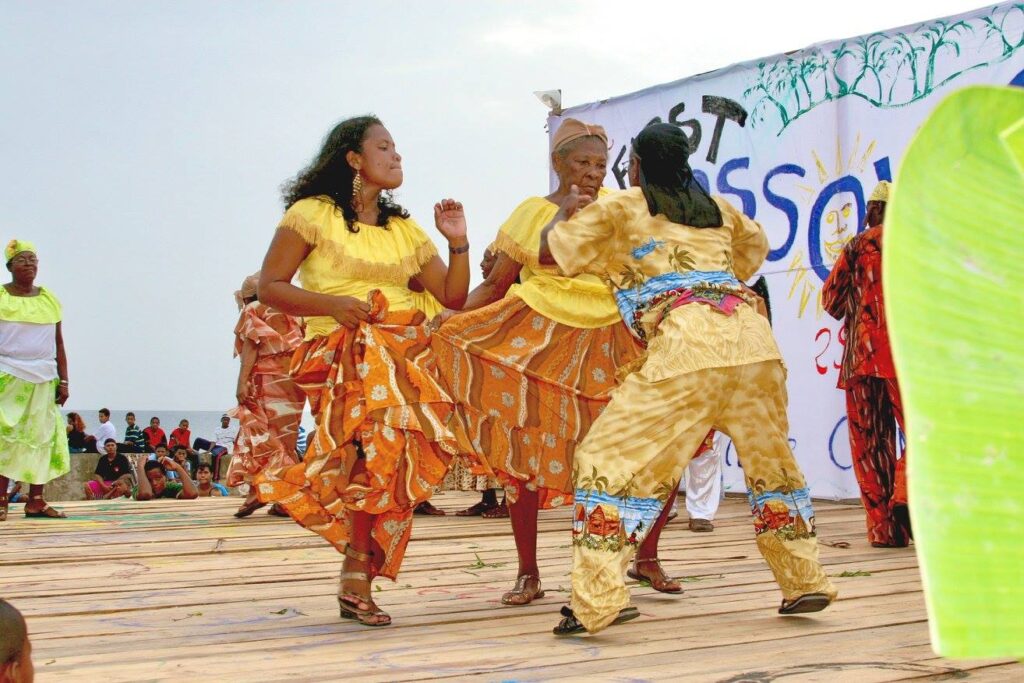
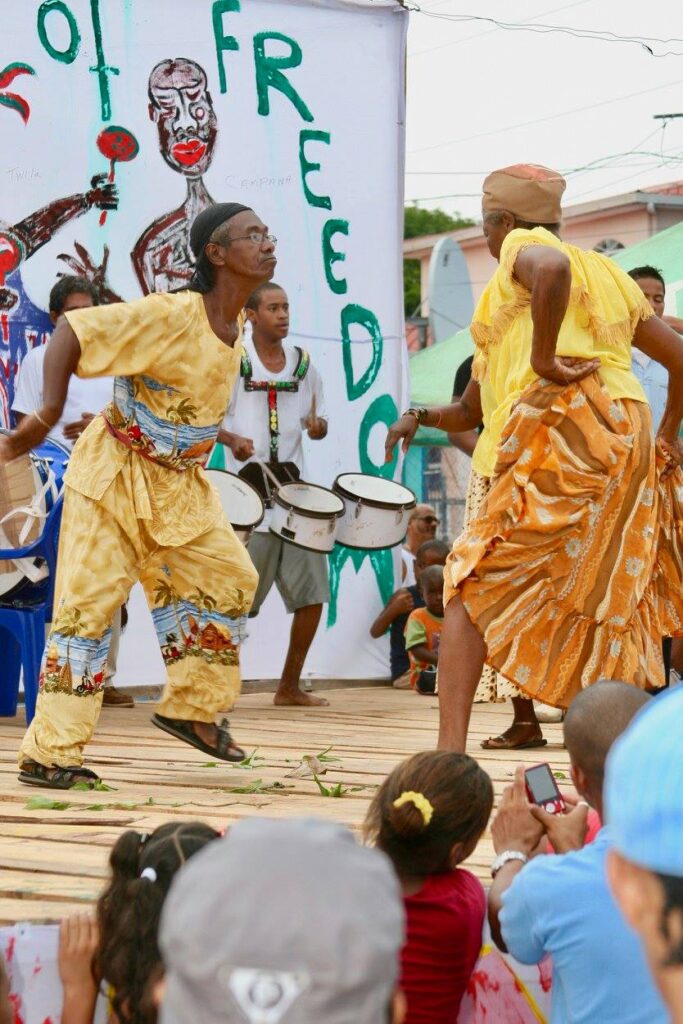
An English-speaking and Afro-Caribbean Caribbean

Contrary to the predominantly Spanish-speaking image of Nicaragua, Little Corn Island belongs fully to the English-speaking Caribbean.

The most widely used language is Creole English, a direct legacy of the region’s Afro-Caribbean history.

The local culture is closer to that of the British Isles of the Caribbean than to that of the Nicaraguan Pacific.

Music, cuisine and everyday practices reflect this identity.

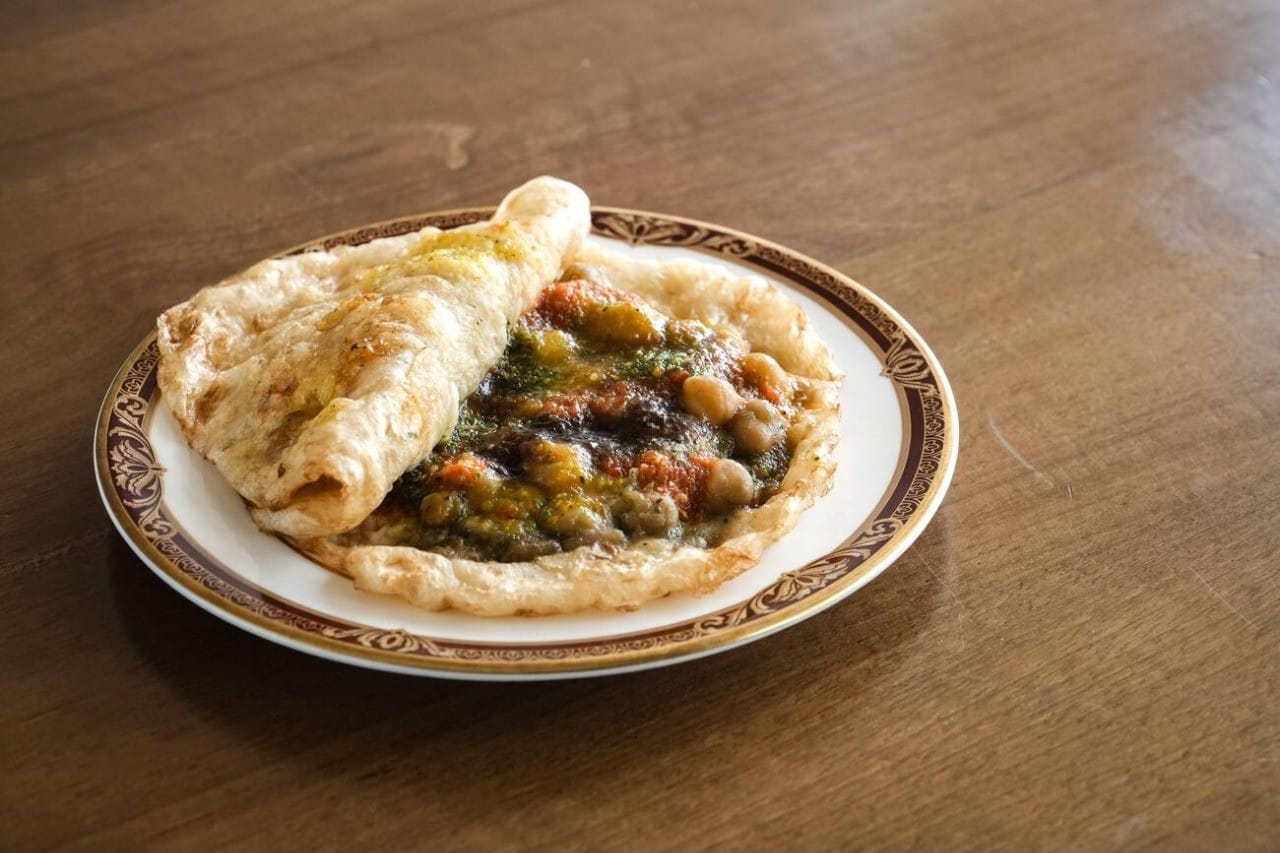
Grilled fish, coconut rice, seafood and simple dishes are the order of the day.

Exchanges with local people are direct, often punctuated by tales of fishing, the seasons and changes in the sea.

Little Corn Island
Little Corn Island

Natural beaches and accessible reefs

The coastline of Little Corn Island alternates between light sandy beaches, volcanic rocks and areas of reef close to the shore. Some beaches, particularly on the north and east coasts, remain uncrowded and untouched. The water is generally calm, with good visibility for underwater observation from the beach.

The coral reefs surrounding the island are part of the Western Caribbean Sea ecosystem. They are home to tropical fish, sea turtles and coral formations that can be seen without a boat. This proximity to the marine environment is one of the great assets of Little Corn Island provided you adopt respectful practices.

Little Corn Island
Little Corn Island

Small-scale tourism

Little Corn Island offers neither large hotels nor massive infrastructures. Accommodation is based on small inns, ecological lodges and guest houses. This deliberately limited offer preserves the balance of the island and encourages a direct local economy.

Visitors come here to relax, walk, swim, read and socialize. Activities are organized around the sea, nature and free time. The island attracts travellers who appreciate unspoilt environments and a discreet form of tourism, far removed from the logic of over-consumption.

Little Corn Island
Little Corn Island

A visible and active island community

With a small population, Little Corn Island functions like an extended village. Inhabitants know each other, children play on the paths, fishermen return at sunrise or sunset. Local life is not hidden behind tourist infrastructures: it’s at the heart of the experience.

This proximity creates a special atmosphere. Visitors are not spectators, but are invited to respect a collective rhythm, to observe and adapt. The island imposes a form of restraint that quickly becomes a sought-after quality.

Little Corn Island
Little Corn Island

An essential Caribbean

Highlight Little Corn Island is a reminder that the Caribbean isn’t just about big seaside resorts. It’s also a mosaic of modest islands, Afro-descendant cultures and territories that have chosen sobriety over expansion.

The island does not promise abundance, but balance. It offers a direct relationship with the sea, the people and time. For travelers in search of a sincere, human and comprehensible Caribbean, Little Corn Island is a destination in a class of its own, where people come first and foremost to slow down.

Little Corn Island

Photo credits

Little Corn Island, Nicaragua – Official Facebook

FAQ

Little Corn Island lies off the Caribbean coast of Nicaragua. It is part of the Corn Islands, close to Big Corn Island in the Caribbean Sea.

Big Corn Island is reached by air from Managua, followed by a 30-minute boat trip to Little Corn Island.

No. Little Corn Island favors small-scale tourism, without roads or big resorts, focusing on nature, walking and local life.

Leave a Reply

Your email address will not be published. Required fields are marked *

More articles from RK

Doubles, plat de rue de Trinité-et-Tobago composé de deux baras frits et de pois chiches au curry
CULINARY ART
Tolotra

Doubles: The Story of Emamool Deen Behind Trinidad’s Street Food Dish

In Princes Town, in southern Trinidad and Tobago, the “doubles” were born in 1936 from a simple gesture: a customer asking for a second piece of bread. At the time, Emamool Deen and his wife Rasulan were selling curry chickpeas on a single piece of fried bread, unaware that they were inventing the country’s most iconic street food. Nearly a century later, doubles still tell the story of Indo-Trinidadian heritage through this chickpea sandwich, which has become a national symbol. A Morning in Princes Town, 1936 At 4:00 a.m., in a courtyard in Princes Town, in the southern part of Trinidad and Tobago, Rasulan Deen lights the fire that will heat the coconut oil. Her husband, Emamool Deen, is boiling the chickpeas that the couple was able to buy by selling a goat, the only possession they had. The year is 1936, and according to oral tradition preserved by several
Read More »
María Elena Llorente recevant un hommage floral, Ballet Nacional de Cuba
DANCE
Tolotra

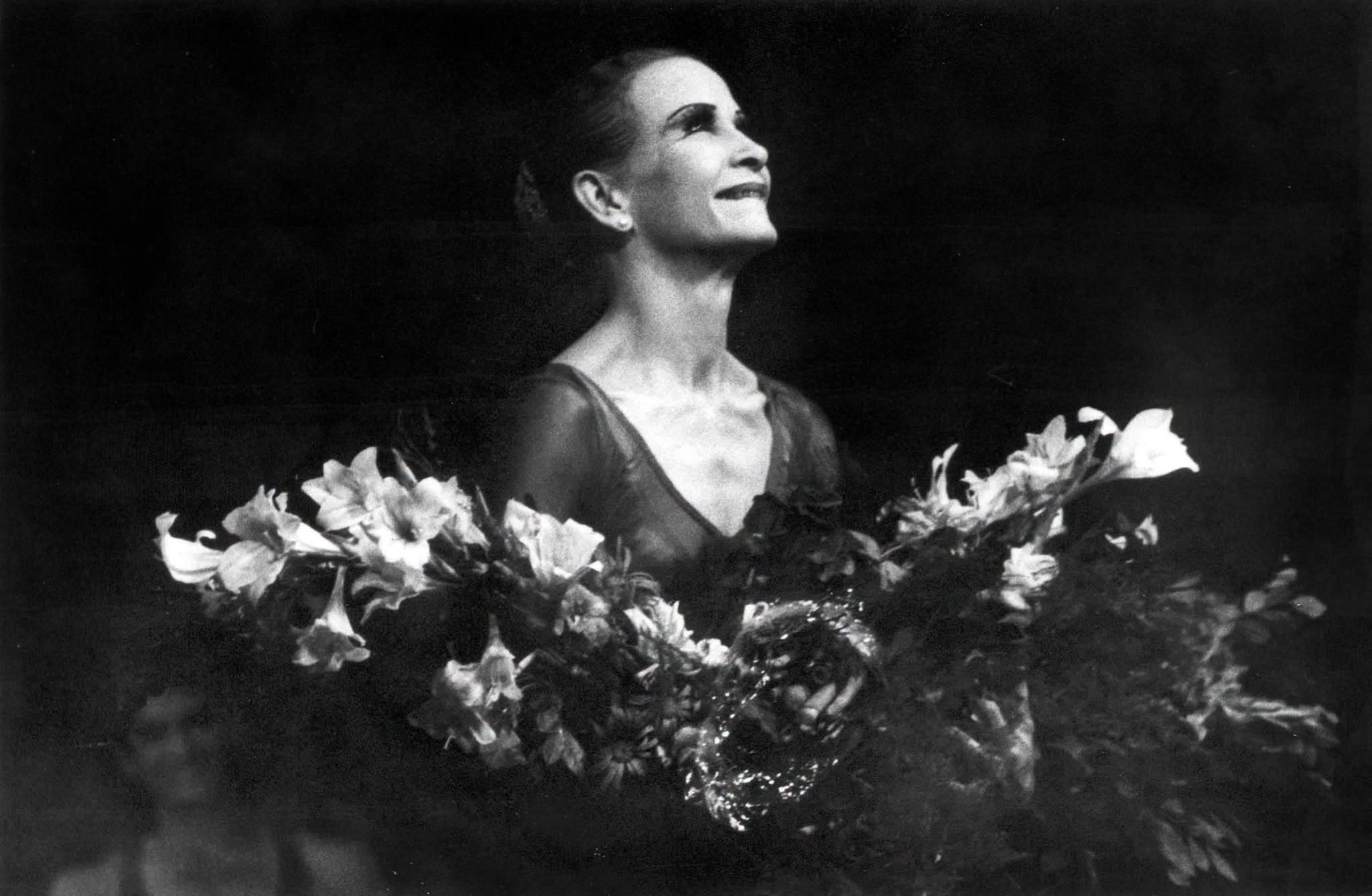
María Elena Llorente: 50 Years of Ballet in the Service of Cuba

In May 1977, a Cuban dancer took the stage in New York with the Alvin Ailey Dance Theater. In the audience that evening, actor Harry Belafonte watched the performance and would later describe the evening as a significant historical event. This dancer’s name was María Elena Llorente, prima ballerina and ballet mistress of the Ballet Nacional de Cuba. Her career spans fifty years of dance, spent almost entirely with a single company—the one founded by Alicia Alonso in Havana—on an island where, over the decades, classical ballet has become as much a source of national pride as it is an art form. María Elena Llorente, of the Sociedad Pro-Arte at the National Academy It all began at the Sociedad Pro-Arte Musical, a school in Havana where young Cuban women learned the basics of classical ballet even before the official founding of the national ballet company. María Elena Llorente then continued
Read More »
Two men greeting each other with "Asere, qué bolá" in Havana
HISTORY & HERITAGE
Tolotra

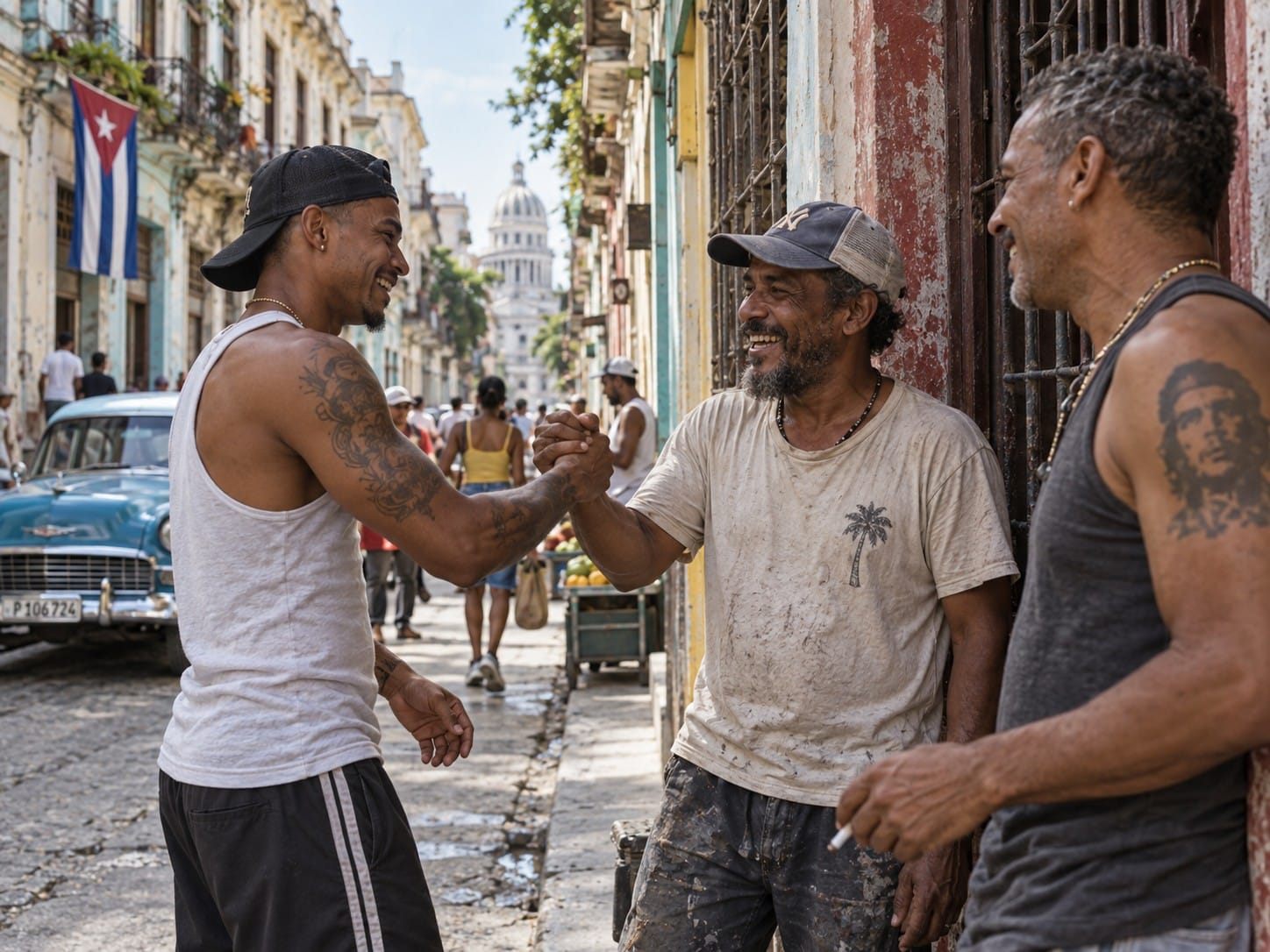
“Asere, ¿qué bolá?”, the street greeting Obama dared to use in Cuba

“Asere, ¿qué bolá?”, this Cuban street greeting, was already in common use in Havana’s working-class neighborhoods long before a U.S. president adopted it as well. On Saturday, March 19, 2016, on the eve of the first presidential trip to the island in nearly nine decades, Barack Obama appeared in a Cuban TV sketch alongside Pánfilo, a comedic character well known to viewers on the island, and delivered a “qué bolá” that no one expected to hear from a U.S. head of state. The next day, upon setting foot in Havana, he did it again on Twitter: “¿Que bolá Cuba? Just touched down here.” In just a few hours, two words of Havana slang had bridged the gap between the street and the world of diplomacy. What does “Asere, ¿qué bolá?” mean? Taken literally, “asere” doesn’t really translate, and “qué bolá”—which comes from “bola,” meaning “ball”—doesn’t convey anything more literal than

Read More »

conTACT RK

we'd love to have your feedback on your experience so far

Join The List

Join our Richès Karayib community!  Sign up for our newsletter.

Want To Maximize Your Business Presence On Riches Karayib?

Complete the form to start the application