Martinique – The Tourelles cruise terminal becomes a cultural stage to the rhythm of Carnival

Terminal croisière des Tourelles

At the heart of the port of Fort-de-France, the Tourelles Cruise Terminal has taken a new step in its evolution by becoming a genuine cultural space. In the midst of Martinique’s carnival season, this reception area is transformed into a lively stage where international visitors, artists and locals meet.

On Saturday February 14, the inauguration of a 200 m² cultural space within the tourelles cruise terminal marked a turning point: making the port a place open to the city, rooted in Martinique’s identity. As soon as they disembark or before boarding, cruise passengers and travelers are immersed in the excitement of Carnival, enjoying an immediate and authentic cultural experience. This initiative comes at a time when cruise tourism is growing steadily in Martinique, confirming the port’s strategic role in the cultural enhancement of the region.

A new cultural space in the heart of the port

Designed as a multi-purpose venue combining culture, conviviality and mediation, this new space at the Tourelles cruise terminal hosts ephemeral exhibitions, artistic encounters and one-off events. Equipped with screens and a digital connection, it is designed to be accessible to cruise passengers and local residents alike.

The objective is clear: to offer international visitors a first cultural immersion on arrival, while offering Martinique residents a space for artistic expression within the port itself. This positioning reflects the desire of the Grand Port Maritime de la Martinique to assert itself as a cultural player in its own right, at the service of the region.

Terminal croisière des Tourelles

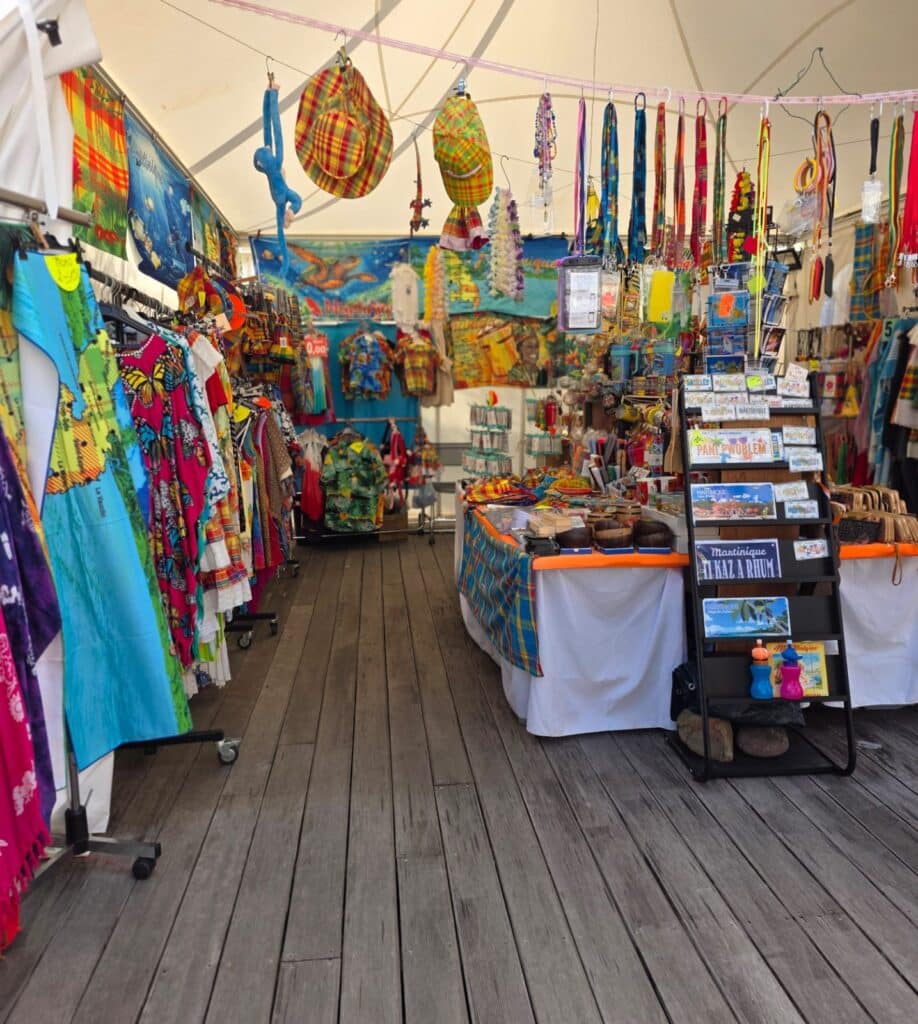
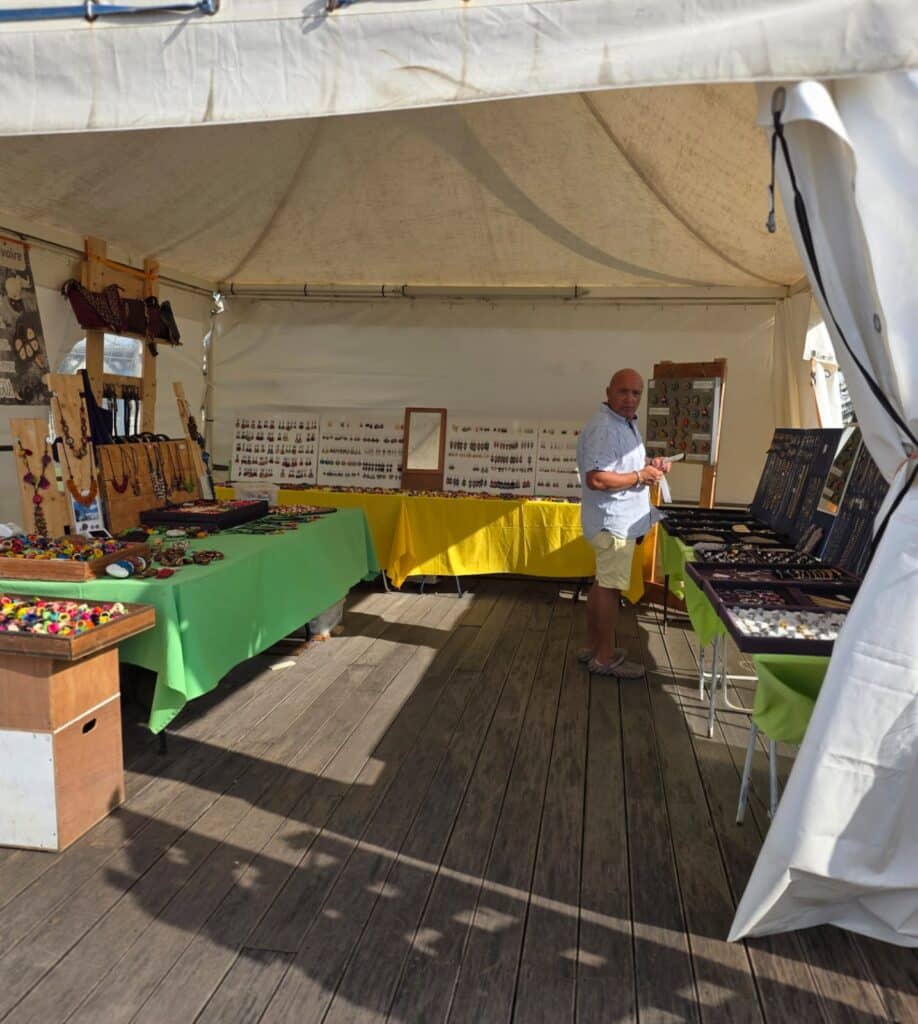
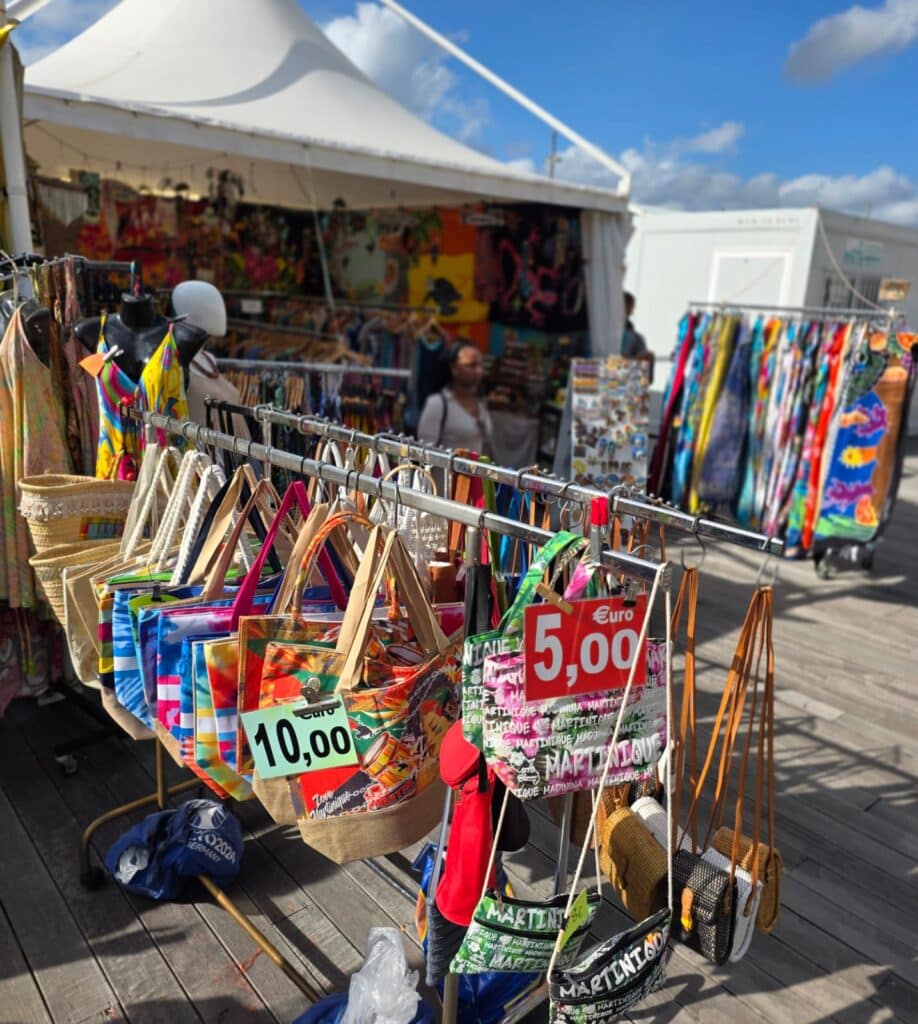
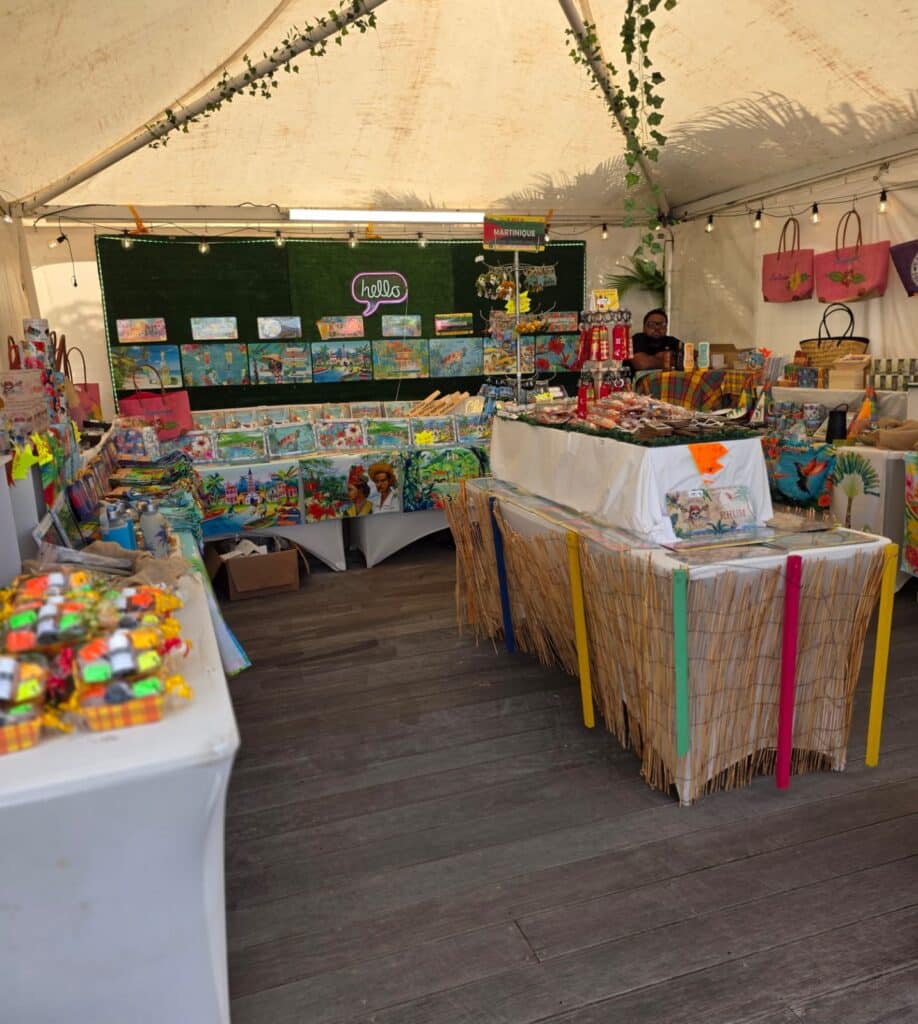
For several years now, Fort-de-France’s cruise terminals have been designed as reception and discovery areas, integrating craft villages and events for passengers in port. However, the opening of this cultural space marks a further step: that of a permanent artistic presence.

Terminal croisière des Tourelles

When Carnival enters the terminal

To inaugurate this new venue, Carnival was a natural choice. At the start of the carnival season, masks and wearers took over the tourelles cruise terminal in a lively performance combining a parade, music and direct interaction with visitors. The masks, which had been on display for two months, left their immobility behind and went into motion. Crossing the terminal right up to the ships in port, they offered cruise passengers an immediate immersion in Martinique’s carnival imagination.

This encounter between international visitors and local identity transforms the transit area into a genuine cultural experience. Tourists, Martinican families and children present during the school vacations were able to photograph, interact and get caught up in the Carnival atmosphere before even reaching the city. In addition to the show, the initiative was a response to a precise strategy: to enable travelers to discover local crafts and culture as soon as they arrived, but also to offer departing passengers the opportunity to take home a tangible souvenir of Martinique.

Terminal croisière des Tourelles

Sylviane Enelada's masks: between sea, ecology and memory

At the heart of this immersive exhibition are the creations of visual artist and actress Sylviane Enelada, artistic director of the LAPERKUT association. His work, developed over several years, draws on the marine world to question the relationship between man and his environment. Inspired by the ocean floor, his masks evoke fish, anemones, corals and hybrid creatures. But behind the carnivalesque aesthetic lies a deeper message: the fragility of marine ecosystems and the impact of plastic on the oceans. The dialogue between recycled materials and organic forms becomes a visual metaphor for the relationship between man, the sea and pollution.

Terminal croisière des Tourelles

Presented at the Tourelles cruise terminal since December, the exhibition has found a natural extension in the carnival movement. Bringing the masks to life, taking them out of the exhibition space and into the public eye, corresponds to a desire to circulate art and create a direct dialogue with spectators. Fourteen exhibitors, wearers and students collaborated on this collective project, combining artistic creation and transmission.

Terminal croisière des Tourelles

Transmission, craftsmanship and the therapeutic dimension

Behind each mask lies precise handwork: papier-mâché, foam, polystyrene, acrylic paint and patient assembly. At the association, mask-making is also seen as a form of self-expression. For some participants, creating a mask is a way of releasing tensions and emotions, transforming the workshop into a space of liberation and sharing. This therapeutic dimension reinforces the social scope of the project, where art becomes a tool for transmission and cohesion.

Sylviane Enelada’s workshops are part of this approach: to pass on a passion, to initiate the younger generations and to remind them that the mask, present in many cultures around the world, remains a universal symbol of expression and identity.

Terminal croisière des Tourelles

Tourism, culture and Martinique's identity: a new vision for the port

The event organized at the Tourelles cruise terminal is much more than a one-off. It illustrates a broader evolution: that of a port that positions itself as a crossroads between tourism, culture and citizenship. On an island where Carnival is a major marker of collective identity, the integration of artistic expression within the port enhances the visitor experience while promoting local talent.

Transforming the Tourelles cruise terminal As a meeting place for cruise passengers and Martinique’s culture, the Grand Port Maritime is laying the foundations for a cultural and digital living space that will evolve over the coming months. A way of asserting that, from now on, the voyage begins at the port, and that it can also be an encounter with the artistic soul of a territory.

The tourelles cruise terminal, thus confirms its role as a bridge between tourism and culture. The tourelles cruise terminal intends to reinforce this artistic immersion at every port of call. For visitors and locals alike, the tourelles cruise terminal becomes a meeting point. With this initiative, the tourelles cruise terminal is part of a sustainable cultural dynamic. In the future, the tourelles cruise terminal could become a key venue in Martinique’s artistic life.

Terminal croisière des Tourelles

On Saturday February 14, a cultural and carnival event marked the launch of a new 200 m² cultural space with an immersive mask exhibition and an artistic parade in the heart of the terminal.

The mask exhibition was organized by the LAPERKUT association under the artistic direction of Martinican artist Sylviane Enelada, with the participation of artists, wearers and students.

The Grand Port Maritime de la Martinique wants to transform the terminal into a living space, accessible to citizens and cruise passengers alike, to showcase Martinique’s arts, crafts and cultural identity from the moment visitors arrive.

Leave a Reply

Your email address will not be published. Required fields are marked *

More articles from RK

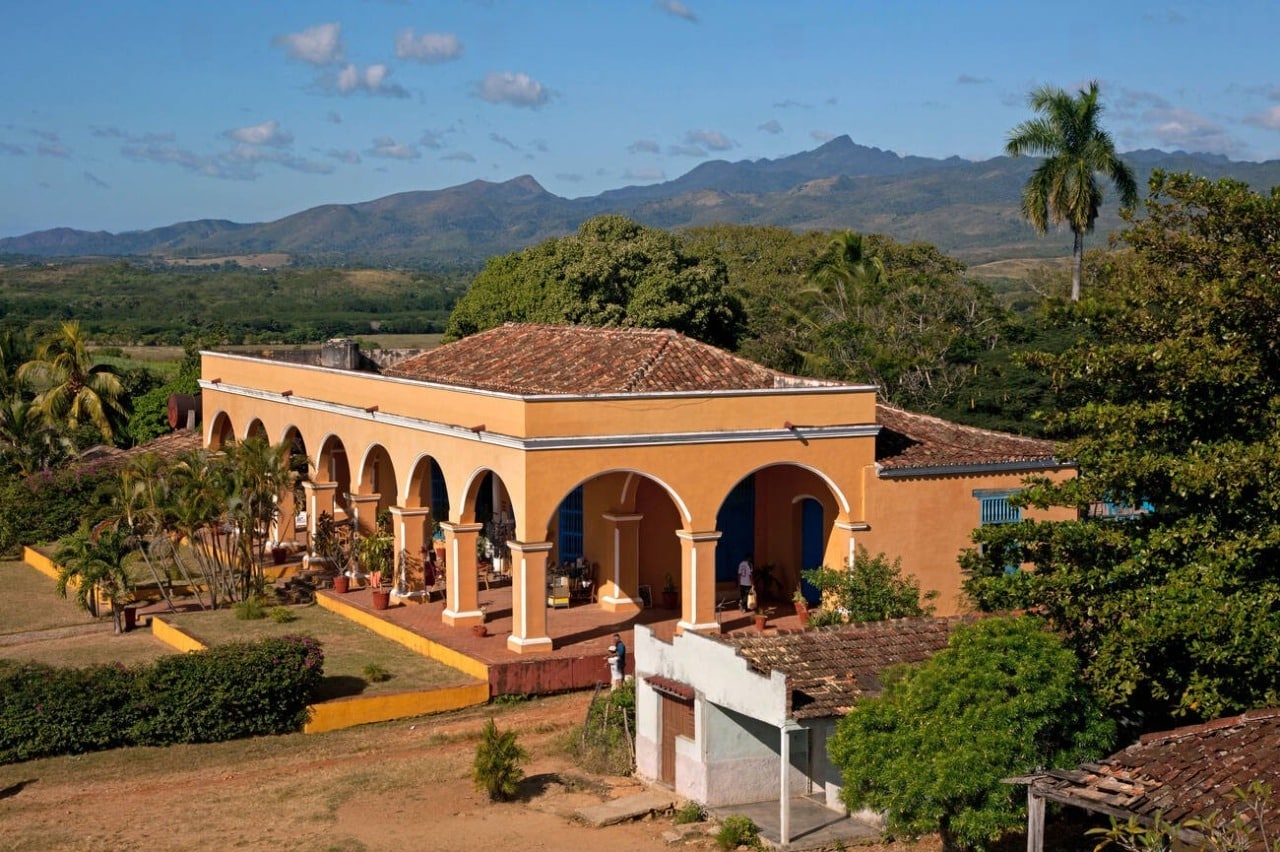
Yellow arcaded manor house of the Manaca Iznaga estate in the Valle de los Ingenios, near Trinidad, Cuba
TOURISM
Tolotra

Valley of the Ingenios: More Than 50 Sugar Mills Spanning 225 km² in Cuba

The Ingenios Valley, northeast of Trinidad, covers 225 km². In 1827, more than 50 sugar mills were in operation there, and more than 11,000 people were working as slaves. A brick tower still towers over these fields, bearing witness to that era. Seven levels of brick and lime mortar, with a plan that transitions from square to octagonal, standing over 43 meters tall. The Manaca Iznaga Tower is visible from afar. Alejo María del Carmen Iznaga y Borrell had it built in the early decades of the 19th century on an estate purchased in 1795 by his father, Pedro José Iznaga, and which he inherited in 1831. It served as a bell tower and a lookout post, towering over the fields. The bell marked the passing of the days, and the view took in the crops. A local legend tells of two brothers who are said to have challenged each
Read More »
Caribbean Cinema
FILM & VIDEO
Tolotra

S8/10 – Stories from Caribbean Cinema: Youth, Women, and New Pathways. Texts by Guillaume Robillard. Ciclic, 2026.

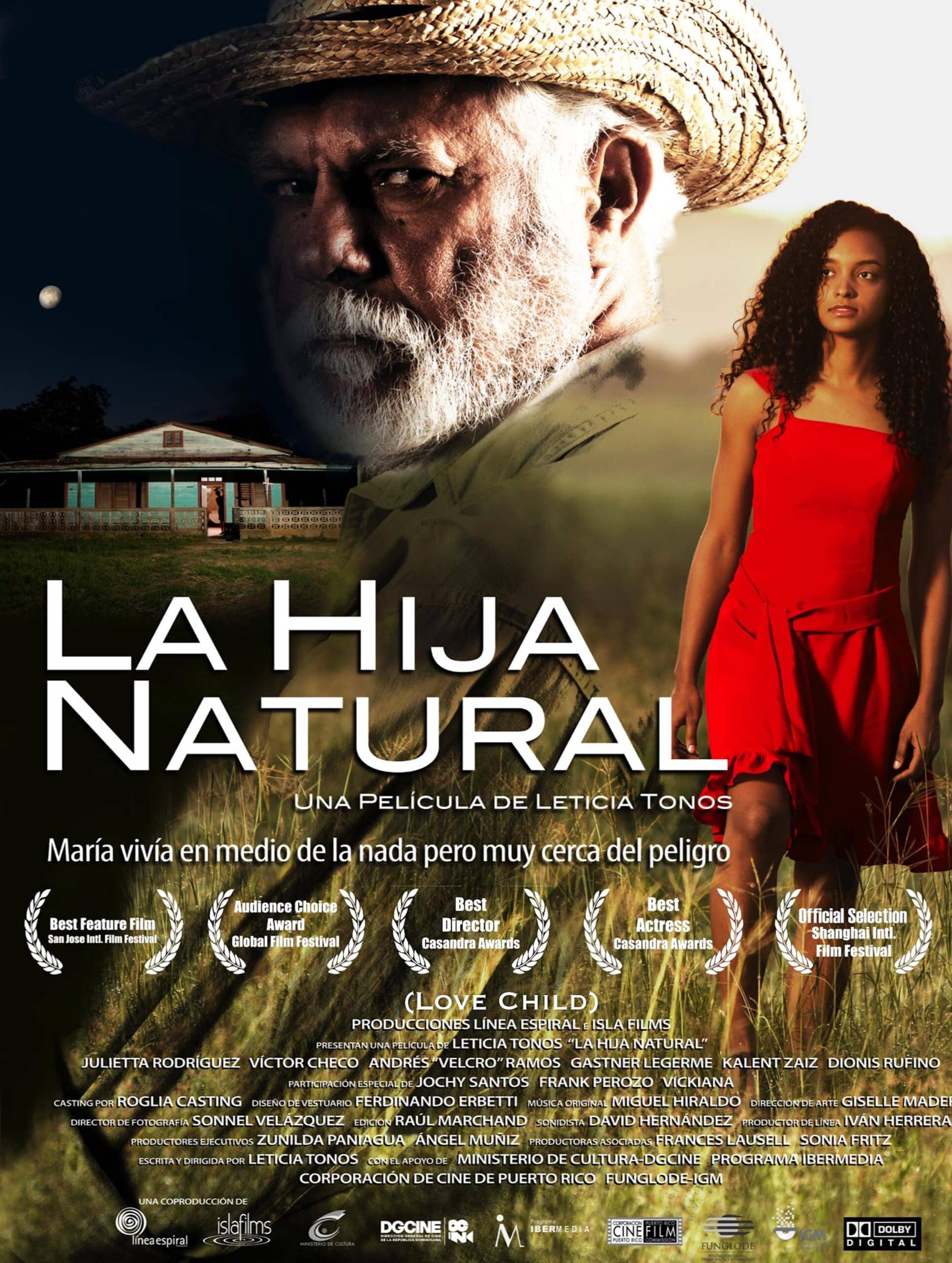
The history of Caribbean cinema now moves into the 2000s and 2010s. After seven installments and several decades of filmmaking, this eighth installment brings together three films from Guadeloupe and the Dominican Republic, each exploring individual journeys that serve as gateways to broader social realities. *Nèg Maron* explores the lives of urban youth in Guadeloupe. *La Hija Natural* follows a young woman who sets out to find her father in the Dominican Republic. *Le Bonheur d’Elza* also tells the story of a family quest that takes its main character all the way to Guadeloupe. You are now on the eighth episode out of ten. The first seven are already available on Richès Karayib. After this one, there will be two more episodes to explore the most contemporary Caribbean cinema. 2005: GUADELOUPE – *NÈG MARON*, BY JEAN-CLAUDE BARNY Nèg Maron is the film of a generation. Starring two Guadeloupean dancehall stars,
Read More »
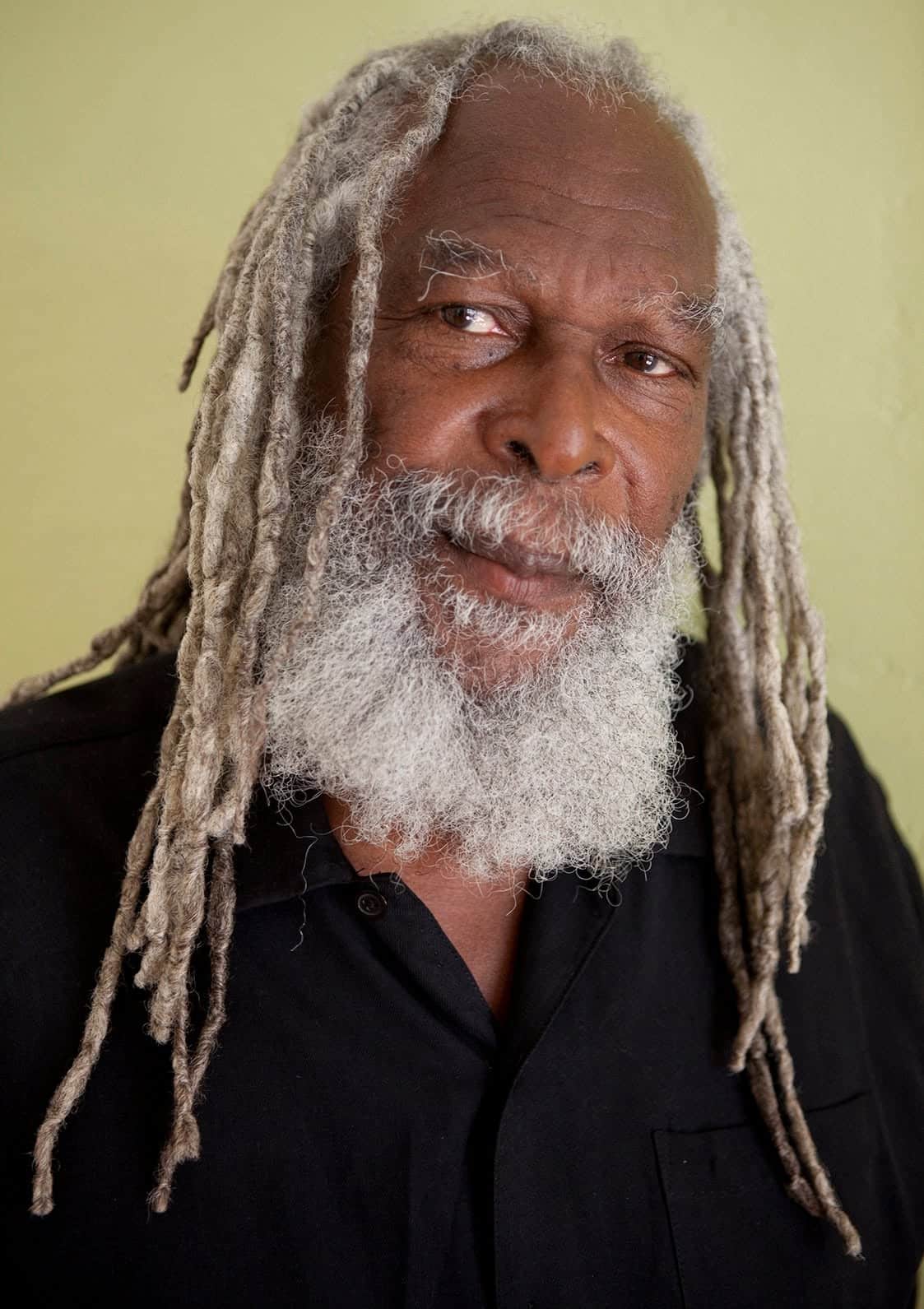
Portrait of Bob Andy, Jamaican singer and songwriter, in front of a green wall
MUSIC
Tolotra

“Bob Andy,” from Maxfield Park, made it into the UK Top 5 in 1970

Bob Andy, born Keith Anderson in Kingston in 1944, is one of Jamaica’s greatest songwriters. He wrote “I’ve Got to Go Back Home” in 1967, reached number five on the British charts in 1970 with Marcia Griffiths, and was awarded the Order of Distinction in 2006. His career, however, began on the streets. Bob Andy, a homeless child from Kingston As a child, Bob Andy had neither a stable home nor a real school. He would later describe himself as a runaway who was practically homeless, sleeping rough in Rockfort, Kingston. Placed in the Maxfield Park children’s home, he taught himself to play the piano and sang in the choir at Kingston Parish Church.  This education, though he never earned a diploma, would remain a source of pride for him. It was in the choir that the young Keith Anderson befriended Tyrone Evans. Together, they formed a vocal group, the
Read More »

conTACT RK

we'd love to have your feedback on your experience so far

Join The List

Join our Richès Karayib community!  Sign up for our newsletter.

Want To Maximize Your Business Presence On Riches Karayib?

Complete the form to start the application