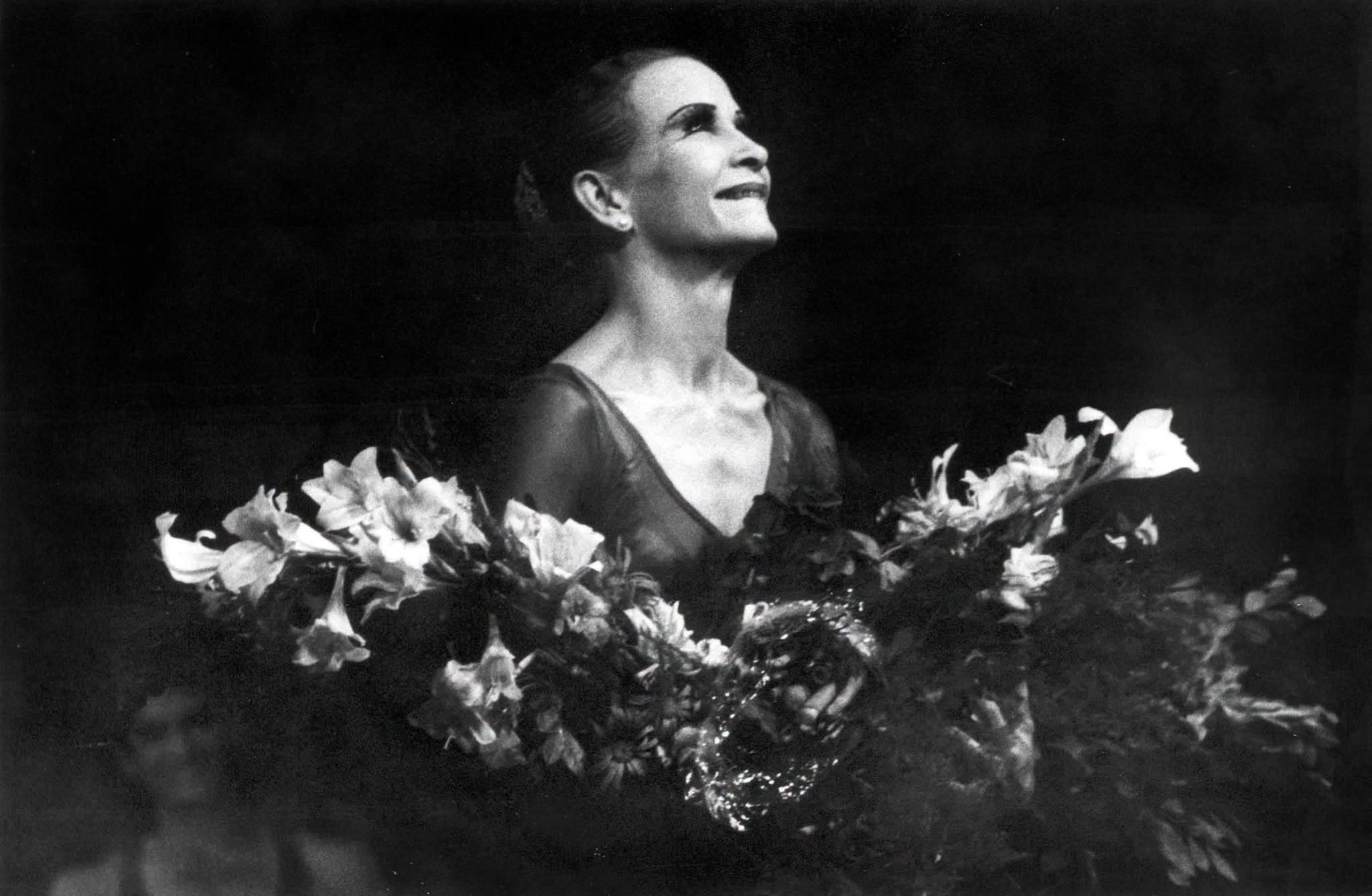
On February 16, 1985, a major figure in Caribbean intellectual history passed away in Fort-de-France: Paulette Nardal. A Martinican intellectual, journalist, translator and host of literary salons, she played a decisive role in the emergence of an international black consciousness in the XXᵉ century. Yet her name remains too little mentioned compared to those of Aimé Césaire, Léopold Sédar Senghor or Léon-Gontran Damas, of whom she was nonetheless one of the inspirers.
At a time when Caribbean societies are reexamining their cultural and political memory, Paulette Nardal’s work and career are essential to understanding the formation of modern black intellectual movements and the place of women in this history.
A Martinique pioneer in 1920s Paris
Born in 1896 in Le François, Martinique, into a well-educated middle-class family, Paulette Nardal grew up in an environment where education was a core value. Her father, an engineer, and her mother, a musician and teacher, encouraged her studies. From an early age, she showed a keen interest in literature, languages and culture.
In the 1920s, she moved to Paris to pursue higher education. She became one of the first black women to enroll at the Sorbonne, an exceptional achievement at a time when students from the colonies were few and often marginalized. Paris, the intellectual capital of the world, became her field of observation and reflection.
Confronted with the realities of racism and the loneliness of Afro-descendant students in the metropolis, she quickly understood the need to create spaces for dialogue and collective thought. For Paulette Nardal, culture is a tool for recognizing and structuring identity.

La Revue du Monde Noir: a visionary project
In 1931, Paulette Nardal founded La Revue du Monde Noir with her sisters Jane and Andrée. This bilingual French-English publication was a major intellectual event. It brought together writers, thinkers and artists from Africa, the Caribbean, the United States and Europe. The aim is clear: to create an international editorial space to promote black cultures, their artistic productions and their political reflections. At a time when colonization still structures the majority of Afro-descendant territories, this magazine affirms the existence of an autonomous, global black thought.
La Revue du Monde Noir publishes articles, poems, essays and literary criticism. It fosters exchanges between Afro-American, Caribbean and African intellectuals, laying the foundations for an unprecedented transatlantic dialogue. This initiative preceded and paved the way for the Négritude movement, which would emerge a few years later. Paulette Nardal plays a central role, coordinating, translating, editing and bringing together authors from different linguistic and cultural backgrounds. Her mastery of bilingualism is a major asset to this intellectual undertaking.

The Salon de Clamart: a laboratory for Negritude
In addition to the magazine, Paulette Nardal organized a literary salon in her apartment in Clamart, near Paris, which quickly became a must for black intellectuals visiting Paris. Students, writers and artists met to exchange ideas, texts and analyses. Participants included Aimé Césaire, Léopold Sédar Senghor and Léon-Gontran Damas, who would later develop the concept of Négritude. The Salon de Clamart was one of the first forums for collective reflection on black identity, colonization and culture.
Paulette Nardal played the role of intellectual intermediary. She put African-American thought – particularly that of the Harlem Renaissance – in touch with students from the French colonies. She translates texts, comments on works and encourages people to speak out. This position of cultural intermediary proved decisive. She contributed to the circulation of ideas and the formation of a transnational intellectual network. Without this work, the structuring of the Négritude movement would probably have taken a different form.
A contribution long downplayed
Despite her founding role, Paulette Nardal has long remained on the bangs of official accounts of Négritude. History has often focused on male figures, relegating female contributions to the background. Several factors account for this invisibilization. On the one hand, the academic and editorial structures of the XXᵉ century have largely privileged male voices. On the other, Paulette Nardal herself did not seek to put herself forward, favoring collective work and transmission.
Yet today, many researchers recognize her decisive influence. She was one of the first to theorize the existence of an international black consciousness and to encourage the cultural affirmation of Afro-descendant peoples. Her writings on the status of black women, the diaspora and cultural identity bear witness to a profoundly modern way of thinking. She tackled themes such as double discrimination – racial and gender – long before these notions were widely discussed.

A woman committed to Martinique society
After the Second World War, Paulette Nardal returned to Martinique. There she continued her intellectual and social activities. In particular, she became involved in politics and associations, contributing to the education and emancipation of women. She founded women’s associations, took part in cultural life and continued to write. Her actions were aimed at empowering Martinican women and enabling them to participate in society. She defends the idea that education is an essential lever for emancipation.
Her commitment also extends to the religious and social spheres. Deeply attached to the transmission of values and solidarity, she works for the cultural and moral development of Martinican society.
Why is Paulette Nardal still a key figure in the Caribbean?
For Caribbean societies, recognizing the importance of Paulette Nardal means reintegrating women intellectuals into the regional historical narrative. Her career is a reminder that the Caribbean has produced major thinkers capable of influencing global debates. She also represents a model for new generations. Her commitment, intellectual rigor and international vision demonstrate the capacity of Caribbean intellectuals to participate in major cultural and political transformations.
At a time when the media and cultural institutions are seeking to promote the region’s female figures, Paulette Nardal stands out as an essential reference. Her name deserves to stand alongside the great figures of Caribbean and African thought. His career is a reminder of the importance of transmission and memory. To understand her role is to better grasp the richness and complexity of the Caribbean’s intellectual history. It also means recognizing the fundamental contribution of women to the construction of contemporary cultural identities.
Paulette Nardal was a journalist, translator and salon owner from Martinique, born in 1896. She played a key role in the emergence of the Négritude movement and in the networking of black intellectuals between the Caribbean, Africa and the United States.
She helped lay the intellectual foundations of Négritude as early as the 1930s, notably through La Revue du Monde Noir and her literary salon in Clamart. It fostered exchanges between Afro-descendant intellectuals and encouraged collective reflection on black identity and culture.
Like many female intellectuals of her time, Paulette Nardal has been overshadowed by more high-profile male figures. Recent research, however, highlights her essential role in the construction of black intellectual networks and the circulation of ideas between diasporas.