Opération Pays Propre reports on its 29th edition in Martinique: 950 participants, 18 natural sites cleaned and 6.137 tonnes of waste collected. Behind these figures, a collective mobilization reminds us that the protection of Martinique’s landscapes also relies on organized actions that are passed on.
950 participants in the field
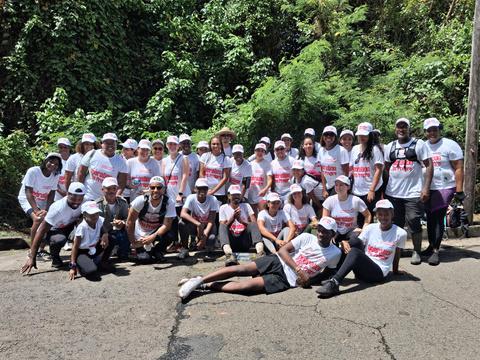
On the natural sites concerned, the gesture is simple, but it says a lot. Picking up a piece of garbage, filling a bag, moving forward as a group, taking a new look at a place you thought you knew. For the 29th edition of Opération Pays Propre, 950 participants took part in this environmental action in Martinique.
The mobilization brought together 15 companies, 8 associations and 8 schools. This mix of players gave the action a special significance. The challenge goes beyond cleaning up afterwards. It’s also about making young people, in particular, understand that abandoned garbage doesn’t disappear from the landscape. It damages the soil, beaches, paths and marine environments, and undermines what makes the island so valuable every day.
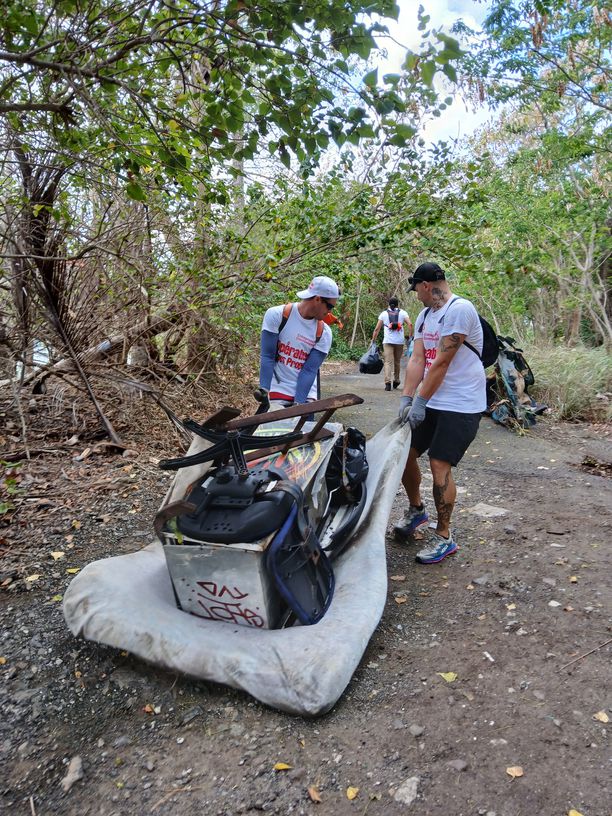
6.137 tonnes of waste collected
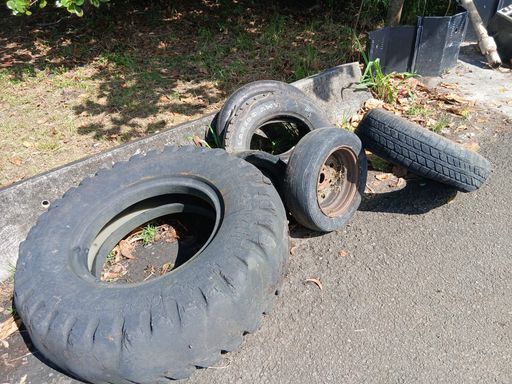
The results of Opération Pays Propre are clear: 6.137 tonnes of waste were collected this year. The clean-up involved 18 natural sites. This figure is a measure of the work accomplished, but it also forces us to look the problem in the face. If so much waste can be removed in just a few days, it’s because the pressure on natural areas remains high.
In Martinique, environmental issues have a direct impact on living conditions, natural heritage and tourism. A polluted natural site becomes a degraded area. It also weakens a place of memory, of walking, of family transmission and sometimes of economic activity. Through this operation, the participants are not protecting an abstraction. They are acting on places that local residents frequent, pass through or tell stories about.


An initiative launched in 2010
Since its launch in October 2010, on the occasion of the Fête des Entreprises, Opération Pays Propre has become a long-term project. The idea was to unite employees around a public-interest initiative: the clean-up of remarkable sites. Since then, two operations have been organized each year in partnership with the Office National des Forêts, and the initiative has opened up to companies, individuals, associations, schools and local authorities.
This development is important. It shows that an event originally conceived for the corporate world can become a broader civic event. The presence of schools is particularly important. It gives Opération Pays Propre an educational dimension. Children don’t just hear about the environment. They see what is thrown away, what accumulates and what needs to be removed.
Over 335 tonnes since launch
With this new edition, the operations carried out since 2010 total over 335.2 tonnes of waste collected and more than 23,474 participants. These two figures put the initiative on a new scale. Opération Pays Propre remains a local event, but its cumulative results tell the story of a long-term mobilization.
This continuity is essential. An isolated clean-up can leave a lasting impression. A repeated, measured and organized operation creates a collective memory. Companies, associations, schools and volunteers become links in the same chain, each with their own role, resources and presence on the ground.


A collective organization
With Opération Pays Propre, success depends on more than just the number of volunteers. It also requires logistics. The report cites the Office National des Forêts (French National Forestry Office) for its support in organizing the operation, supplying garbage can bags, supervising volunteers and disposing of waste. The Office de l’Eau provides financial support. Alizé Environnement, CACEM, Cap Nord, EKIP, Métal Dom and SMTVD are involved in waste management. The communes also contribute to waste removal.
This distribution of roles reminds us of the obvious: protecting a territory requires coordination. Voluntary action is essential, but it must be supervised, secured, financed and backed up by proper management of the waste collected.

Protecting the country, together
The strength of Opération Pays Propre lies in this meeting of concrete action and shared responsibility. On an island where natural landscapes are part of daily life, tourism, family attachment and collective identity, each piece of waste removed is also a way of looking at the country.
The Creole phrase put forward is: “Ansanm an nou protéjé péyi nou”, meaning “together, let’s protect our country”. It sums up what’s at stake. This mobilization is a reminder that protecting Martinique is not just a matter for big decisions. It also begins on a natural site, bag in hand, with the desire to leave behind a cleaner place than the one we found.
Opération Pays Propre is an environmental initiative organized in Martinique to clean up natural sites and raise awareness of the impact of waste on land and marine environments.
The 29th Opération Pays Propre brought together 950 participants, including 15 companies, 8 associations and 8 schools. The results show that 6.137 tonnes of waste were collected from 18 natural sites.
It helps to protect Martinique’s landscapes, living environment, natural surroundings and tourist image. Since 2010, over 335.2 tonnes of waste have been collected, with more than 23,474 participants.