In Martinique, the DAC and the ARS are renewing their agreement on culture and health for the period 2026-2030. Behind this text, signed on April 22, are hospitalized children, EHPAD residents, people with disabilities, caregivers and artists trying to maintain an essential link: access to culture, even in times of fragility.
An agreement to keep the hospital in touch with the world
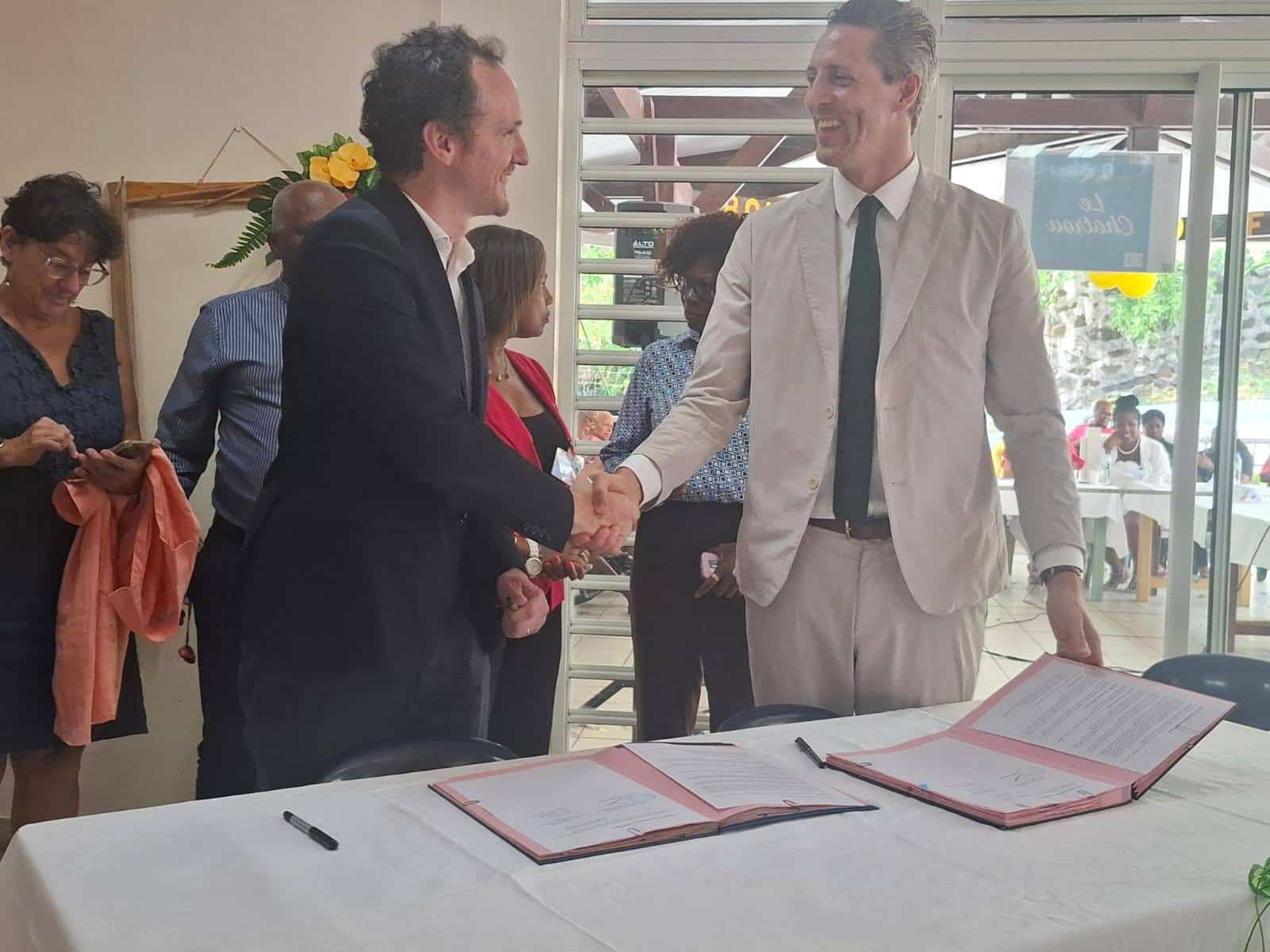
The culture and health agreement enters a new phase in Martinique. On April 22, 2026, in Le Marin, the Martinique Department of Cultural Affairs and the Martinique Regional Health Agency signed a new regional agreement for the period 2026-2030. The subject may seem institutional. Yet it touches on something very concrete: what remains of cultural life when illness, age or disability alter daily life.
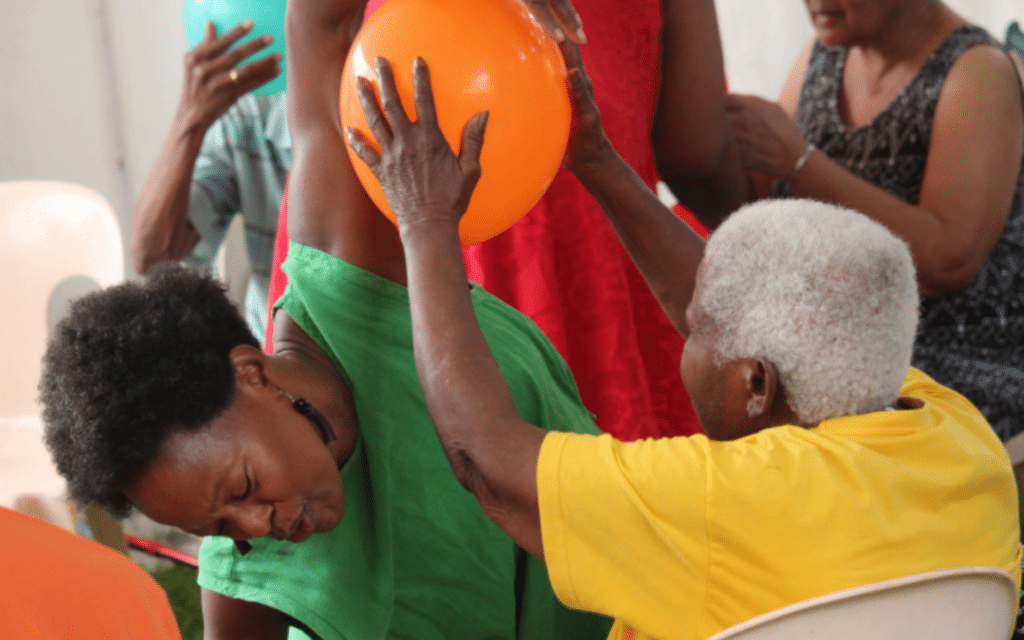
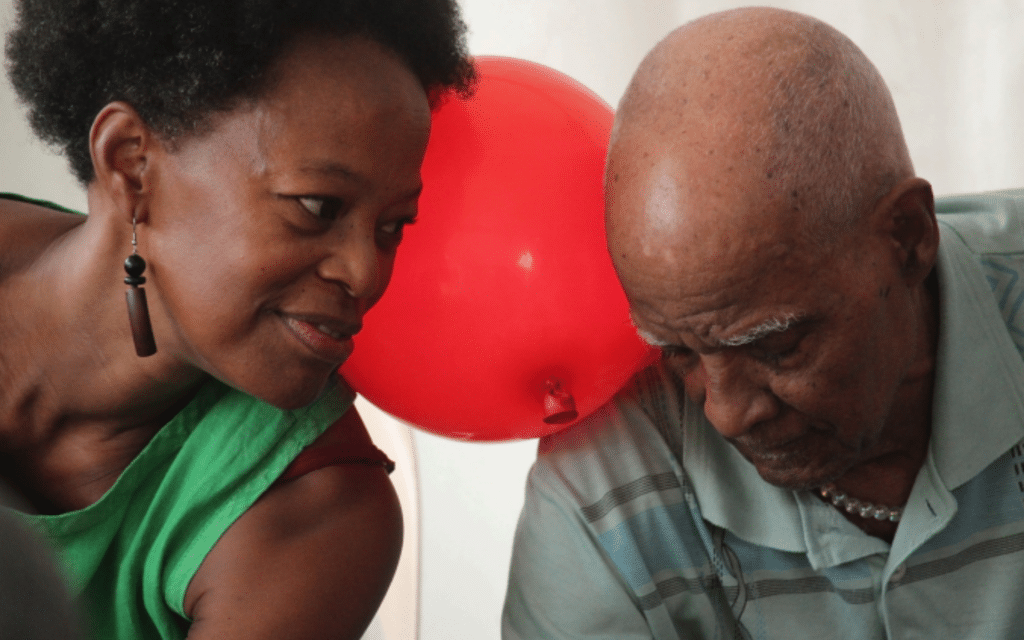
In a pediatric room, in an EHPAD, in a medico-social establishment, art doesn’t arrive as a simple entertainment. It can become a breath of fresh air, a way to speak differently, to bring back a memory, to put a person back at the center of his or her own story. This is what Séverine HUBY, artistic and cultural education and cultural action advisor at the DAC Martinique, sums up when she reminds us that “there must be no break in access to culture”.
Two objectives: access to culture and global health
The culture and health agreement has two complementary objectives. The first is cultural: to strengthen access to artistic works and practices for hospitalized patients, the elderly and people with disabilities, as well as their families, caregivers and professional teams. The second is health-related: mobilizing art and culture as levers for support, prevention, well-being, autonomy and inclusion.
This regional framework is part of a national policy that has been in place for over 25 years. The first inter-ministerial agreement dates back to 1999. A new national agreement was signed in July 2025, before Martinique renewed its commitment for 2026-2030.
In the field, this means that artistic projects can be carried out in hospitals, nursing homes, facilities for the disabled and other care and support facilities. The culture and health agreement covers a wide range of fields: music, dance, theater, storytelling, puppetry, visual arts, books, cinema, intangible cultural heritage and digital creation.

110,000 per year and a professional standard
For 2026, a new call for projects is due to be launched in early May. According to Séverine HUBY, the annual budget is €110,000, with €60,000 provided by the ARS and €50,000 by the DAC. She also points out that, despite the tight budgetary situation, the funds earmarked for this program have been safeguarded.
Projects cannot be devised by an artist alone, nor by a facility alone. They must be co-constructed by a professional cultural player and a healthcare or medical-social facility. This requirement lies at the heart of the scheme. It helps to avoid proposals that are disconnected from the real needs of patients, residents and teams.
The agreement also emphasizes the active role of beneficiaries. The person supported must not remain a mere spectator. They must be able to participate, create, tell stories, move and pass on, depending on their state of health, age, disability or current abilities.

149 projects already supported in Martinique
The previous report gives an idea of what the culture and health agreement has already achieved. Between 2021 and 2025, 149 projects were supported in Martinique, for a total of €540,000. Performing arts and intangible cultural heritage projects account for more than two-thirds of the projects supported. Music, dance, drumming, storytelling, arts and crafts: these practices have a particular resonance in facilities for the elderly, because they activate memory, gestures, sounds and cultural references.


Among the projects highlighted is the Clowns Dokté association. At the Maison de la Femme et de l’Enfant (MFME) in Fort-de-France, in pediatrics in Trinité and at the Centre Hospitalier du Nord Caraïbe, clowns work with hospitalized children and their families. Before the intervention, a medical briefing is given to the care team. After the intervention, feedback can be given on elements observed in the child.
Their job is not just to make people laugh. It’s also about reducing stress, supporting families, taking the drama out of waiting or treatment times, and creating a childlike encounter. With Kloun Gran Moun, the association also works with elderly people in nursing homes, promoting social ties, memory and human presence.


A cultural policy, but also a social choice
The culture and health agreement poses a broader question: what place do we give to vulnerable people in the cultural life of the region? The answer is clear: hospitalization, age or disability must not exclude people from creation, speech, memory and sensitivity. For Martinique, the challenge is also one of heritage. When a drum, a puppet, a radio program, a dance workshop or a story enters a care facility, it’s not just an activity that begins. It’s a part of the territory that circulates, that’s passed on and that reminds us that culture doesn’t stop at the doors of fragile places.
The new Culture and Health Agreement 2026-2030 opens up a decisive period. It remains to be seen which artists, associations and establishments will respond to the 2026 call for projects. And above all, what stories will emerge from these encounters between care, memory and creation.
The culture and health agreement is a partnership between the DAC Martinique and the ARS Martinique. It aims to support artistic and cultural projects in hospitals, EHPAD and medico-social establishments, in order to maintain access to culture for hospitalized, elderly or disabled people.
Projects must be carried out jointly by a professional cultural player (artist, association, company or cultural structure) and a healthcare or medico-social establishment. This co-construction is mandatory to ensure that the project meets both the artistic objectives and the needs of the beneficiaries.
The culture and health agreement brings art into places where isolation can be strong. In Martinique, it supports projects involving music, dance, storytelling, intangible cultural heritage and the visual arts, while strengthening the social ties, memory, expression and autonomy of the people we support.