From Monday 6 to Friday 10 April 2026, Fort-de-France will host the Martinique bioclimatic design workshop, an international participatory design and construction workshop devoted to a bioclimatic structure installed in the gardens of the Martinique Cultural Affairs Directorate, at Villa Les Pergolas. Bioclimatic design workshop is supported by abitē commissioned by the DAC Martinique with the Caribbean Arts Campus, La Station Culturelle and the Maison de l’Architecture de Martinique. The ambition is clear: in april, to design a project rooted in the realities of Martinique’s climate and landscape, prior to completion announced for the third quarter 2026.
The bioclimatic design workshop takes place within a specific framework. The public program covers the days from April 6 to 10, 2026, with a daily rhythm structured around a welcome at 10:30 am, a master class at 11:00 am, lunch at 12:30 pm, a design workshop at 2:00 pm and an evening activity or meeting at 6:30 pm. In parallel, the call for entries presented a global immersion from April 6 to 11, 2026 for selected participants.
A workshop designed for Martinique's climate
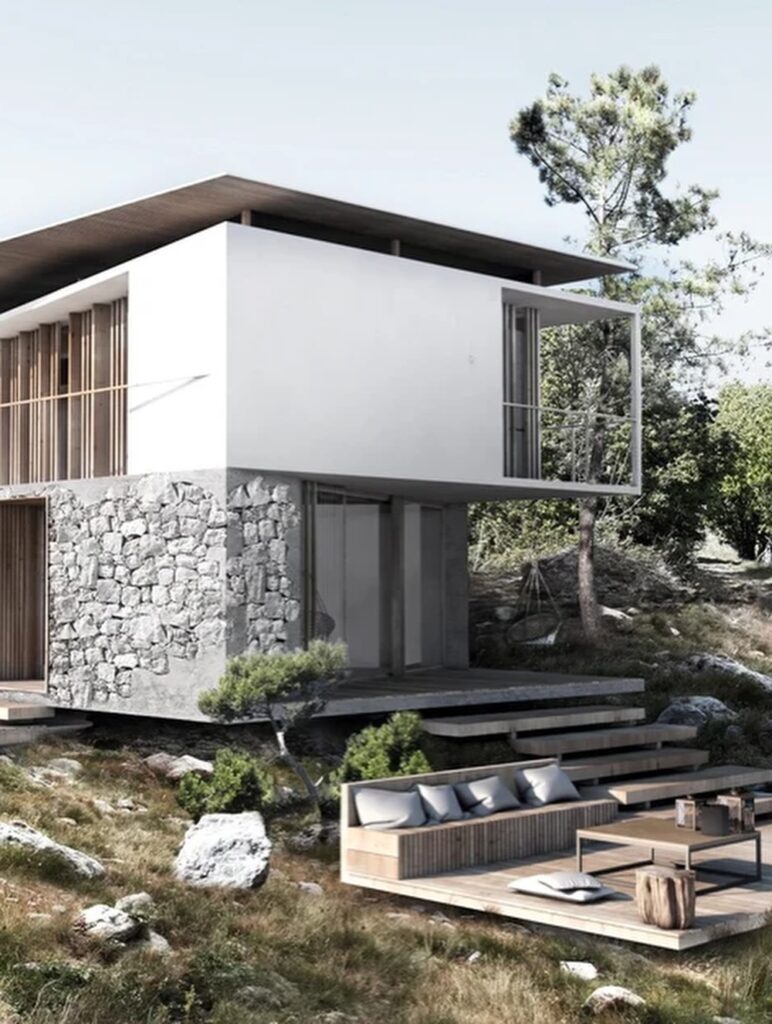
This week’s theme is the design of a bioclimatic bioclimatic structure capable of interacting with its environment. The chosen site, the gardens of Villa Les Pergolas, meant that we had to work within very specific constraints: natural ventilation, solar protection, water management, suitable materials and landscape integration. So the challenge is not to produce a theoretical object, but a situated architectural response, designed for a tropical territory, with its climatic, cultural and human realities.
The bioclimatic design workshop is not just about training. His course is already set: workshop phase followed by technical development with an architectural firm and design office, before construction 1/1 scale construction in the third quarter of 2026. This continuity gives the event particular weight. The exchanges, sketches and arbitrations carried out during the week are intended as the first stage in a project destined to truly exist in Martinique.

Who is taking part in the bioclimatic design workshop in Martinique?
The bioclimatic design workshop is designed for some twenty young talents. The call for applications targeted students in their second year of study and young professionals under the age of 40 with backgrounds in architecture, design, engineering or the visual arts. The idea is not to juxtapose profiles, but to form mixed groups capable of confronting methods, project cultures and ways of inhabiting the territory. The bioclimatic design workshop also includes an academic component, with CCA students able to validate ECTS credits or internship hours, as well as a certificate of pedagogical participation co-signed by the CCA and the DAC Martinique. Applications are now closed.
The complete program, day by day
Monday, April 6, 2026: cartography and water territories
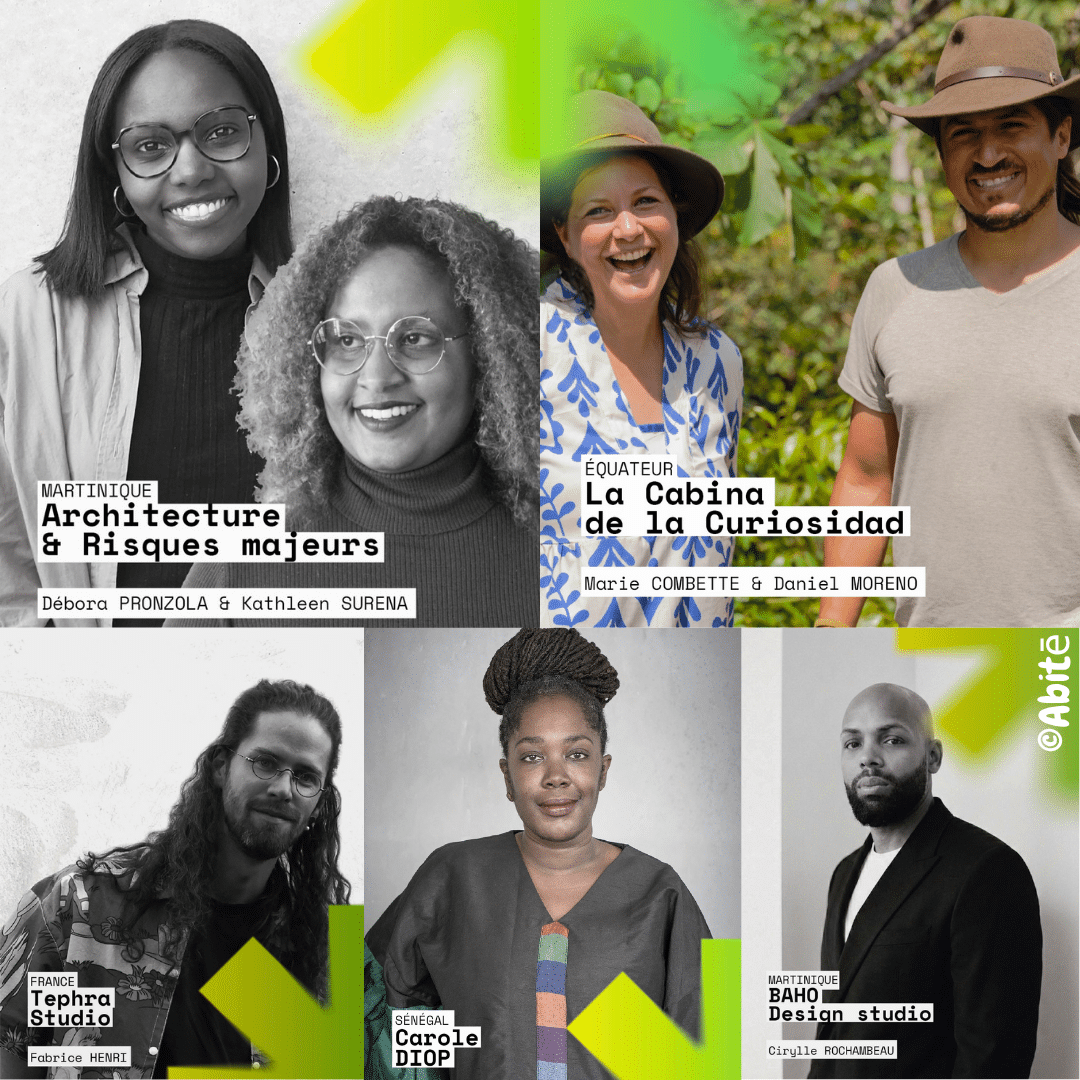
The first day of the bioclimatic design workshop is devoted to cartography and water territories. The 11:00 a.m. master class is given by La Cabina de la Curiosidad, announced between France and Ecuador with Marie Combette and Daniel Moreno Flores. Their approach questions material resources, urban development models, waste management and the valorization of natural ecosystems. Their presence sets the tone for the workshop from the outset: to think of architectural projects in terms of materials, territories and uses, rather than in terms of an imposed form. The afternoon is reserved for the design workshop at the Caribbean Arts Campus.


Tuesday, April 7, 2026: adaptability and climate awareness
Tuesday is all about adaptability and climate awareness. The master class brings together Débora Pronzola and Kathleen Surena, two Martinican architects specializing in architecture and major risks. Trained at ENSA Paris-Belleville and Paris-Est, they bring a wealth of experience in urban projects, bioclimatic architecture and land exposed to natural hazards. Their contribution is particularly important for Martinique: it deals with sustainable and resilient design in the face of natural hazards. earthquakes, cyclones and floods with keys applicable to island territories. At 6h30 pm the day continues with “Don’t shave it all off!” presented by abitē, rue Garnier Pagès.


Wednesday, April 8, 2026: design and local materials
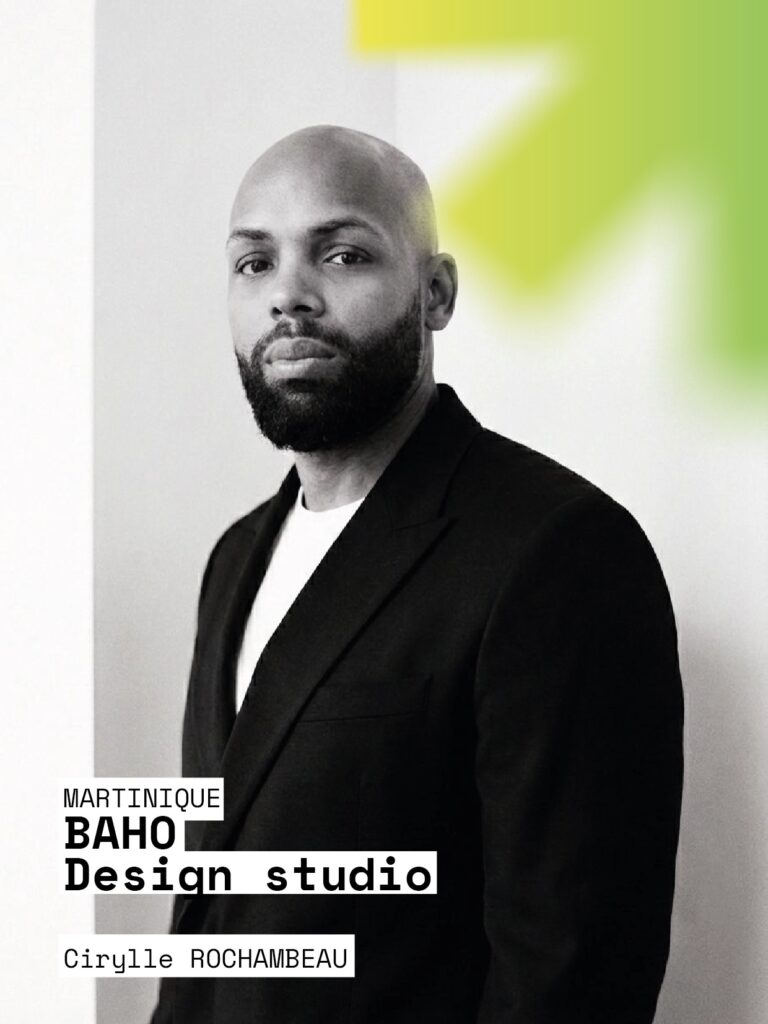
Wednesday is dedicated to design and local materials. The 11:00 a.m. master class features BAHO Design Studio with Cyrille Rochambeau, a native of Fort-de-France. His career has taken him from the Caribbean to Asia and Africa, linking product design, construction and international practice. His presence brings a valuable insight into how a technical constraint can become a creative lever, without losing the link with the territory. The evening continues with a CinéArchi organized by the Maison de l’Architecture de Martinique at the Galerie-École of the Caribbean Arts Campus.
Thursday, April 9, 2026: landscapes and building strategies
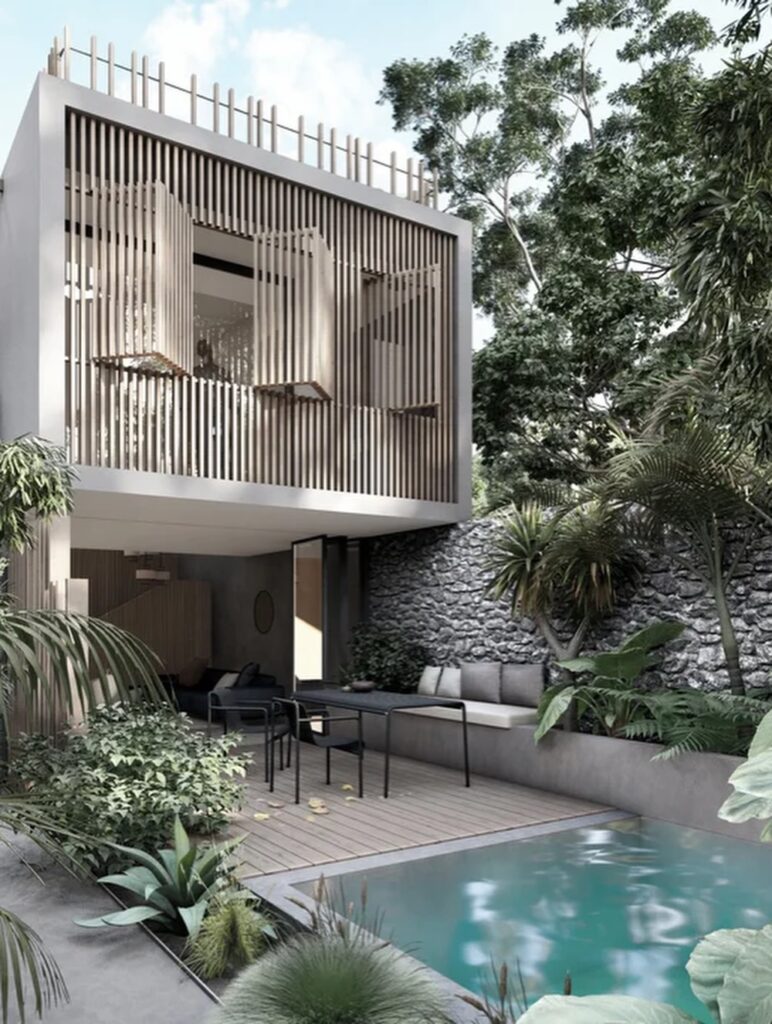
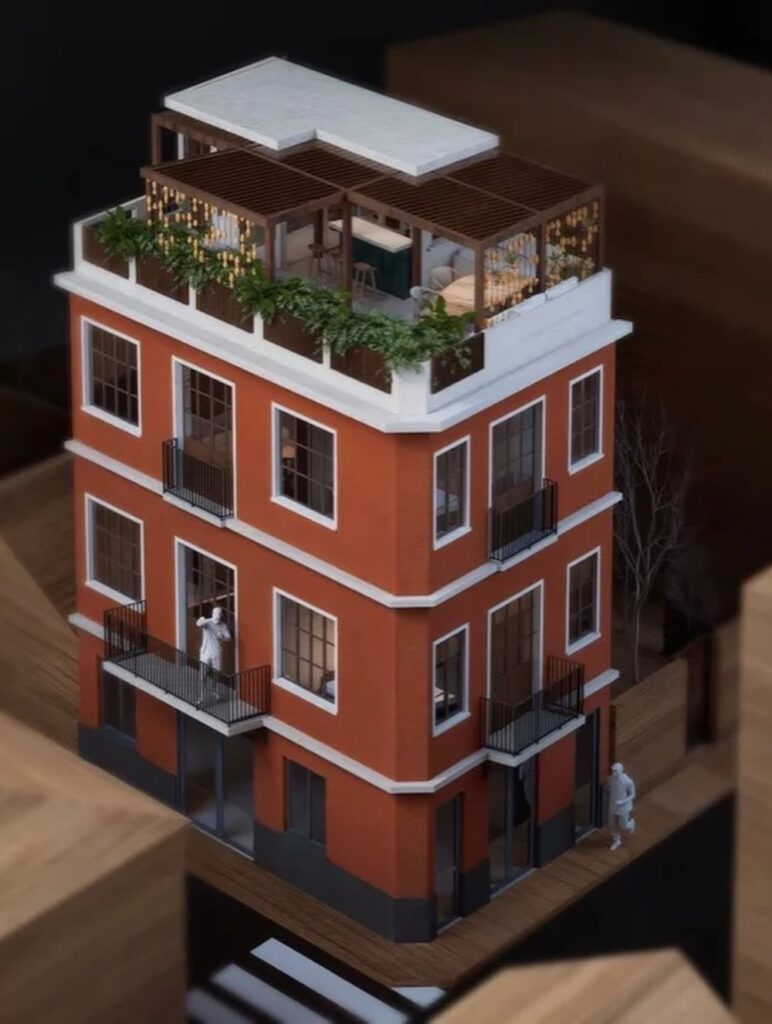
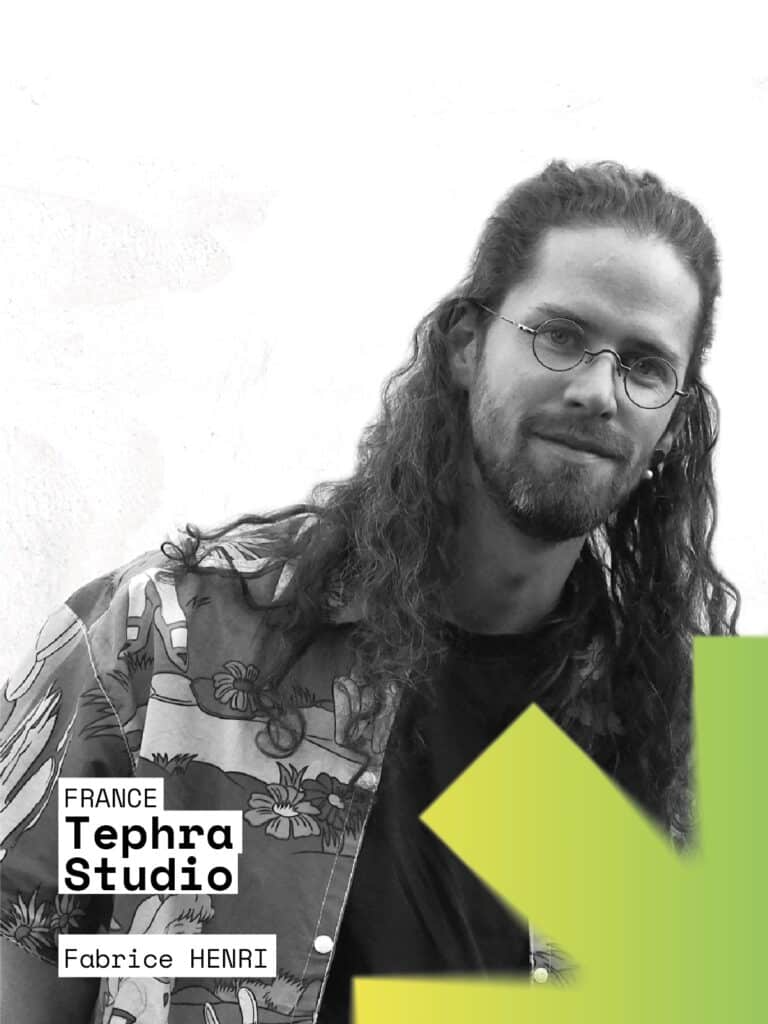
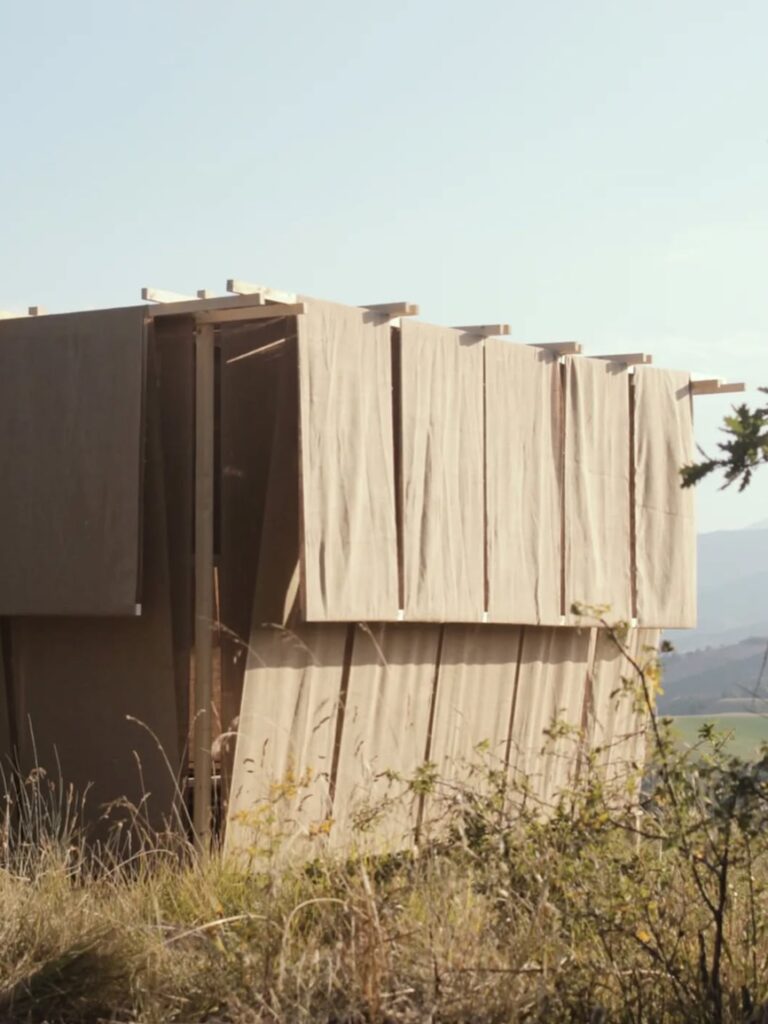
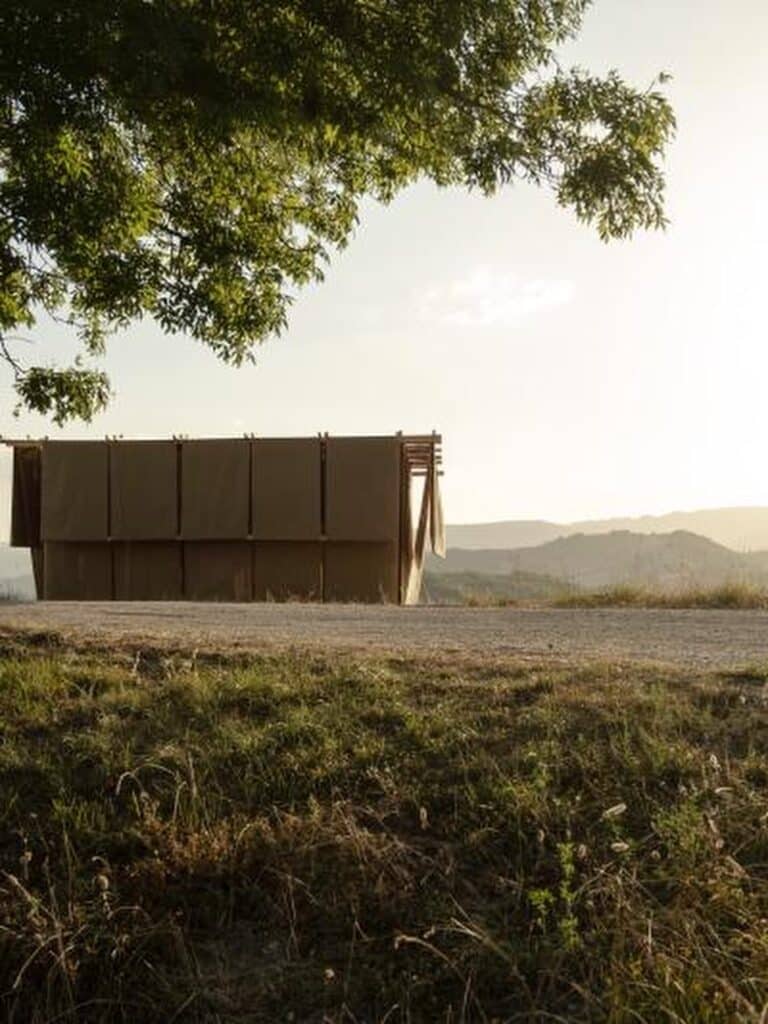
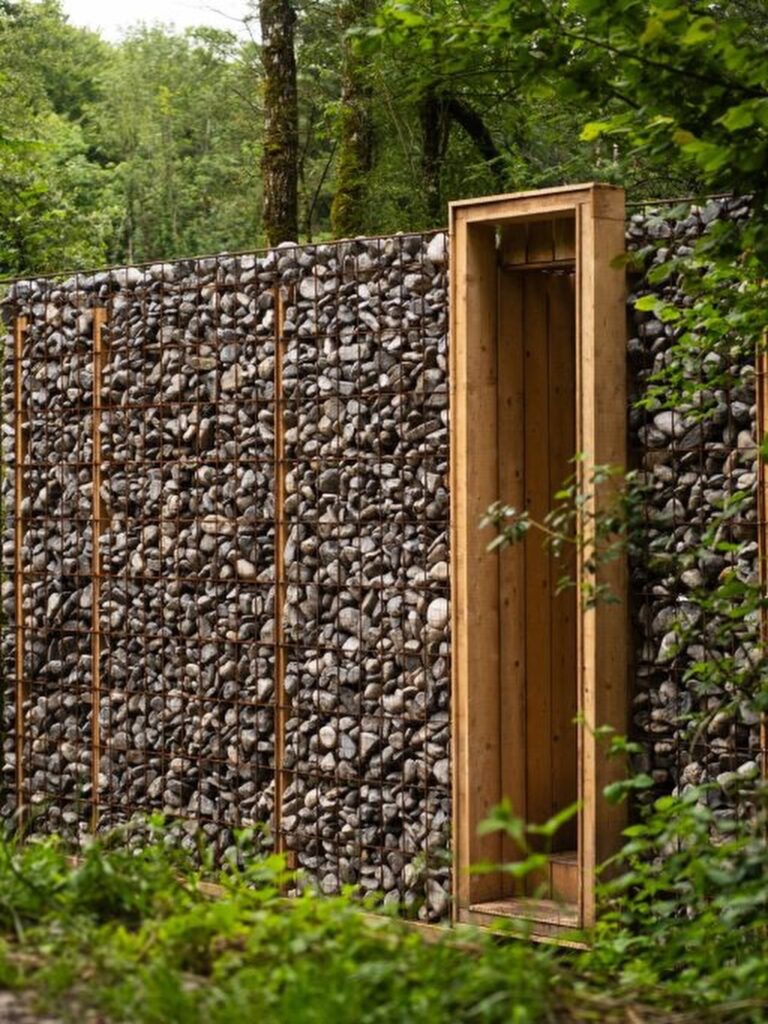
On Thursday, the workshop focuses on landscapes and building strategies. The master class is entrusted to Tephra Studio presented between France and Colombia with Fabrice Henry in the program. The studio approaches architecture as a sensitive intervention in a site already charged with memory, where material, climate and landscape are never secondary. For a project located in the gardens of the DAC Martinique, this approach is decisive: it allows us to think of the future pavilion not as an autonomous object, but as an additional layer in the history of the site. At 6h30 pm with La Station Culturelle is planned at 33, a cultural venue.
Friday, April 10, 2026: anthropology and memories of living
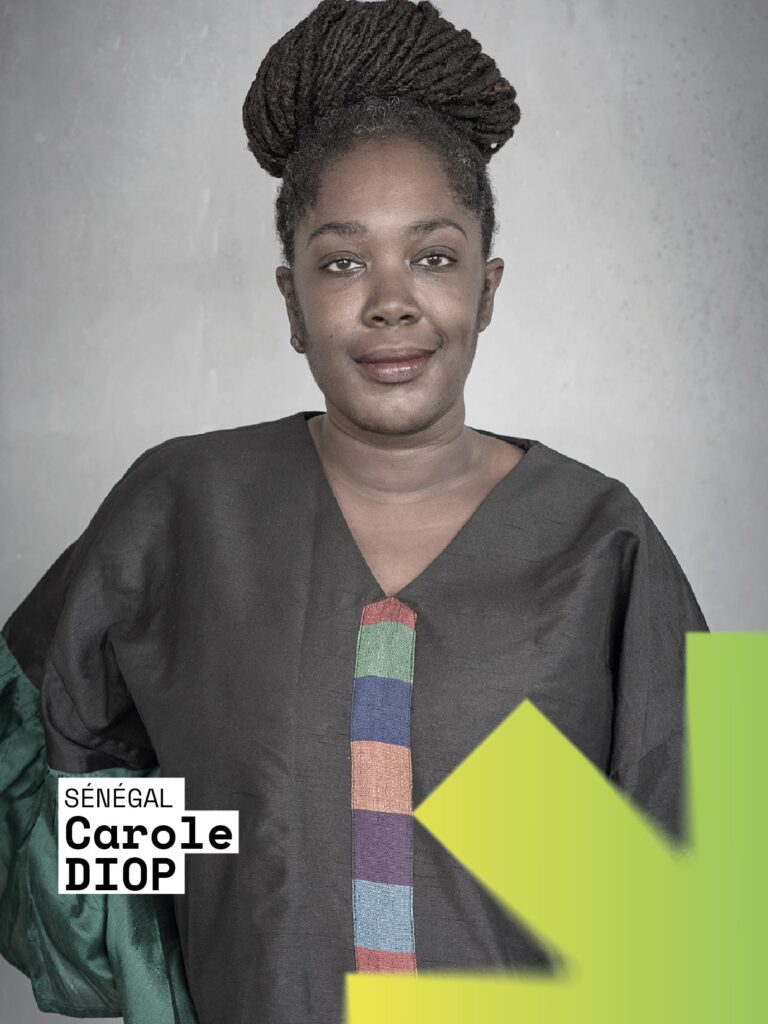
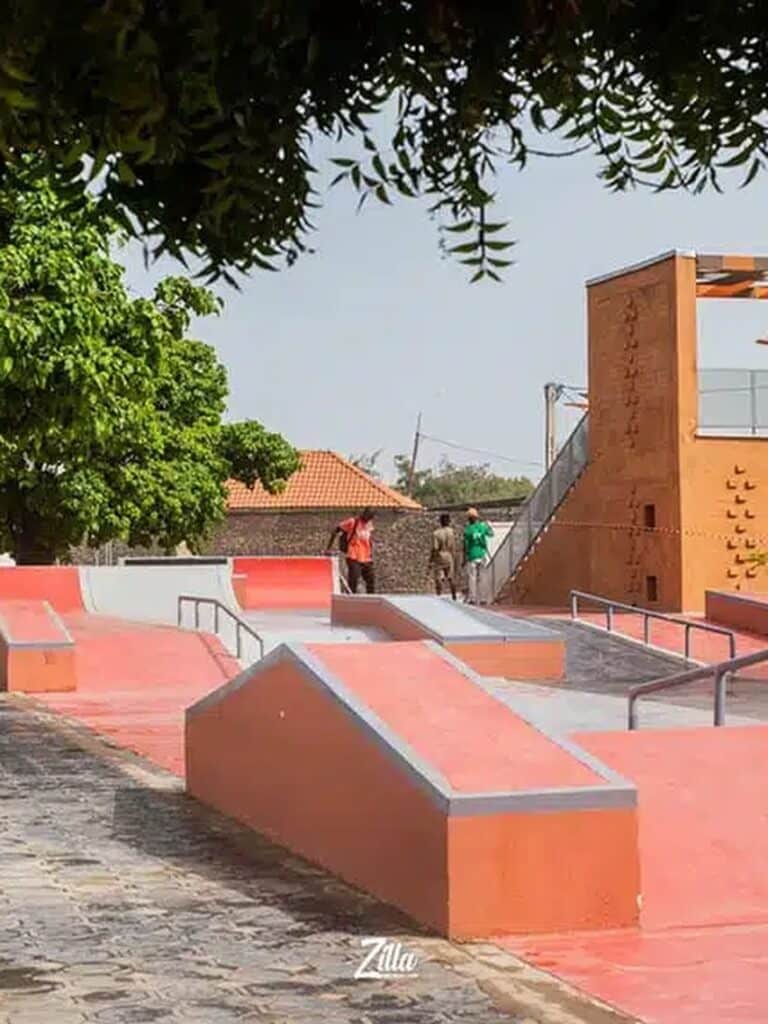
The final day focuses on anthropology and memories of living. The master class is led by Carole Diop from Senegal. Her approach is based on exploring the city as a living laboratory, particularly in Dakar, through urban narratives, architectural strolls and heritage enhancement. In the context of this workshop, this approach broadens our thinking: it’s no longer just a question of building in a given climate, but also of questioning what places preserve, tell and transmit. At 6h30 pm the week draws to a close with the opening of the “Los Caminos del Agua” exhibition brought to you by La Cabina de la Curiosidad in the gardens of the DAC.
A college of international experts, but a strong Martinique base
One of the major benefits of thebioclimatic design workshop lies in its balance. The speakers come from different backgrounds: Martinique, France, Ecuador, Colombia, Senegal. But the subject remains firmly rooted in the realities of Fort-de-France. The lobby of the Campus Caraïbéen des Arts thus becomes a space for public debate, where theories circulate, confront the field and feed the afternoon’s projects. This method gives the bioclimatic design workshop a real density: the transmission doesn’t float above the site, it keeps coming back to the central question of tropical habitat and situated construction.
Why does this event deserve attention?
The bioclimatic design workshop in Martinique is important because it simultaneously addresses several urgent issues in contemporary Martinique: architectural quality, climate adaptation, transmission between students and young professionals, dialogue between disciplines and the ability to produce a project that leaves a concrete mark. It’s not just a meeting place for specialists. The bioclimatic design workshop is also a signal of how Martinique can think about architecture today: starting from the climate, the site, the materials, the memories and the uses, rather than applying external models.
The bioclimatic design workshop in Martinique is an international workshop organized in Fort-de-France from April 6 to 10, 2026, dedicated to the design of an architectural structure adapted to the tropical climate. It brings together students, young professionals and experts from several disciplines – architecture, design, engineering, landscape and anthropology – around a concrete objective: to imagine a project capable of responding to local environmental constraints while fitting in with Martinique’s landscape and customs. This work does not remain theoretical, as a full-scale construction is planned at a later stage.
The event takes place mainly in Fort-de-France, in two complementary locations. Design workshops and master classes take place at the Campus Caraïbéen des Arts, while the project is designed to take place in the gardens of the Direction des Affaires Culturelles de Martinique, at Villa Les Pergolas. This choice of site is central, as it forces the participants to work in direct contact with a real environment, integrating the landscape, climate and constraints of the territory.
The program runs over five days, from Monday April 6 to Friday April 10, 2026, with a structured daily schedule. Each day begins with a welcome at 10:30 a.m., followed by a master class at 11:00 a.m. led by an international expert. After lunch, participants work in design workshops from 2:00 pm. At the end of the day, cultural activities, conferences and meetings are offered at 6:30 p.m. at various venues in Fort-de-France. The themes change every day: water territories, climate risks, local materials, landscape and anthropology.
The workshop brings together a college of international speakers with complementary profiles. Among them, La Cabina de la Curiosidad (France/Ecuador) works on resources and sustainable urban models. Martinique-based architects Débora Pronzola and Kathleen Surena contribute their expertise on major risks in an island context. Cyrille Rochambeau, with BAHO Design Studio, develops an approach linked to design and construction sites. Tephra Studio (France/Colombia) examines the link between architecture, landscape and memory. Finally, Carole Diop (Senegal) proposes an anthropological reading of the city and ways of living.
The bioclimatic design workshop in Martinique is aimed at around twenty selected participants: students from the second year upwards and young professionals under 40 in the fields of architecture, design, engineering or visual arts. The deliberately limited format allows for high-quality supervision and work in small groups. The experience also includes academic recognition, with the possibility of validating ECTS credits or internship hours, as well as a certificate issued by the Caribbean Arts Campus and the DAC Martinique.